
Wedding brief from Hyde Park
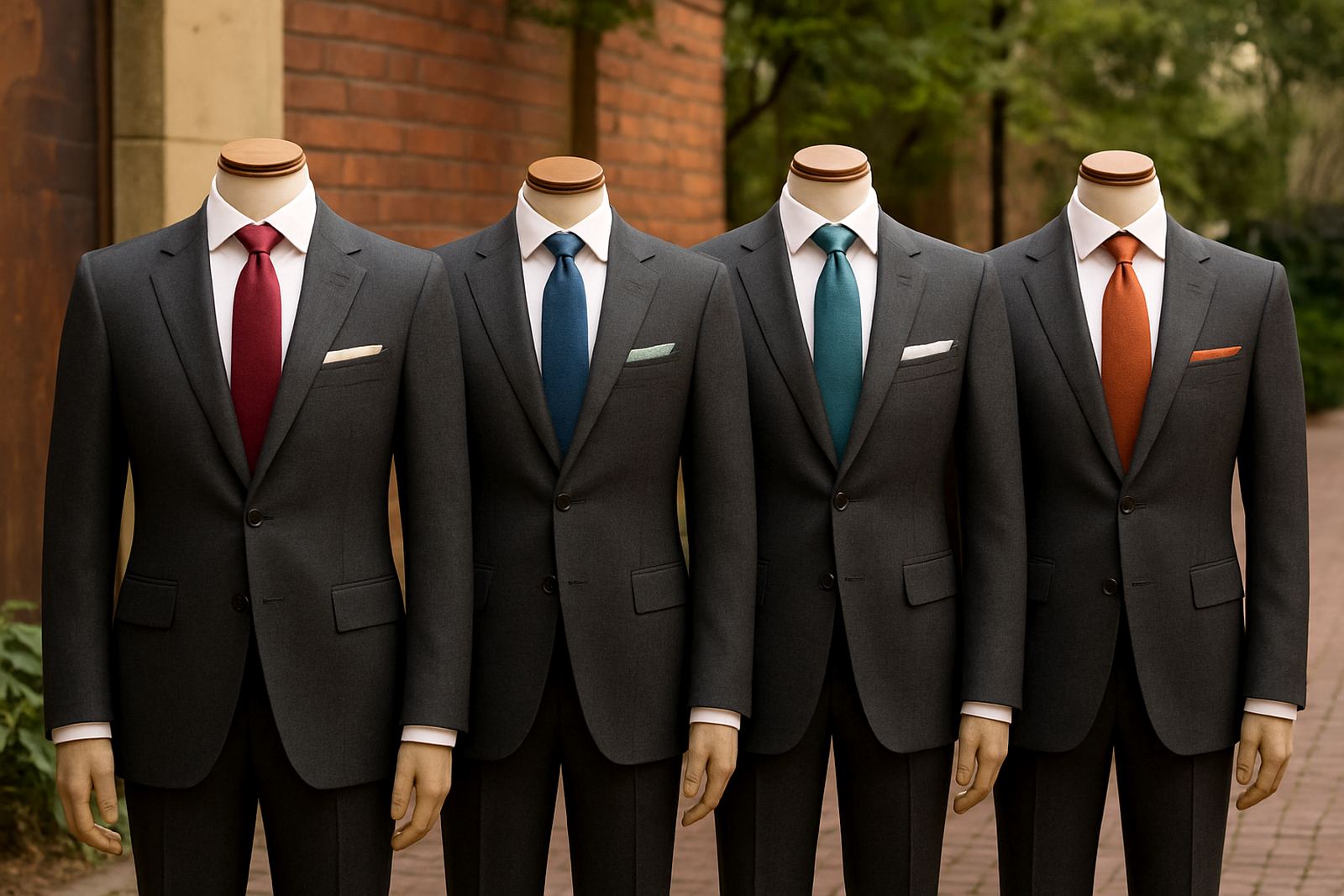
The brief came from a groom in Hyde Park, Johannesburg who wanted the full party to look coordinated without every jacket hanging the same way. He needed a wedding suit plan that worked for six different body shapes, one formal palette, and a service schedule that could fit around work, travel and last minute event changes. The wedding was set for a weekend function with photographs, speeches and a long reception, so comfort mattered as much as the finish.
We started by clarifying the details that affect a wedding order in real life: where the suits would be worn, how long the men would be standing, whether the ceremony was indoors or outdoors, and how much movement each person needed. The groom wanted a clean classic look, while the groomsmen needed enough consistency to look like a unit. Not everyone could come into the studio at the same time, so we split the fitting process into stages and kept each person on the same measurement plan.
- Client type: groom and groomsmen
- Area: Hyde Park, Johannesburg
- Order type: made-to-measure wedding tailoring
- Fit need: individual adjustments with a shared look
What made the fitting process tricky
The biggest challenge was that the group had different proportions, posture differences and shirt collar preferences. One groomsman needed more room through the shoulders, another needed a shorter jacket body, and the groom wanted a sharper waist without losing ease around the seat. We also had to account for cuff display, trouser break and sleeve length so the group would photograph well from every angle. These details sound small but they matter on the day, especially when the party moves from standing to sitting to dancing.
There was also a timing constraint. The wedding date left enough room for careful work, but not enough for repeated mistakes. We set the schedule so the first round focused on measurements and style decisions, then the second round on fitting checks, and the final round on refinement. Load-shedding was part of the planning too, because cutting and finishing windows have to be managed properly when power interruptions can interrupt a normal workshop flow. That meant we kept the production sequence tight and confirmed each step before the next one started.
- Different posture and shoulder slope across the group
- Need for one colour story, but individual fit
- Limited turnaround before the wedding week
- Production scheduling arranged around load-shedding
Shirts, suits and wedding day details
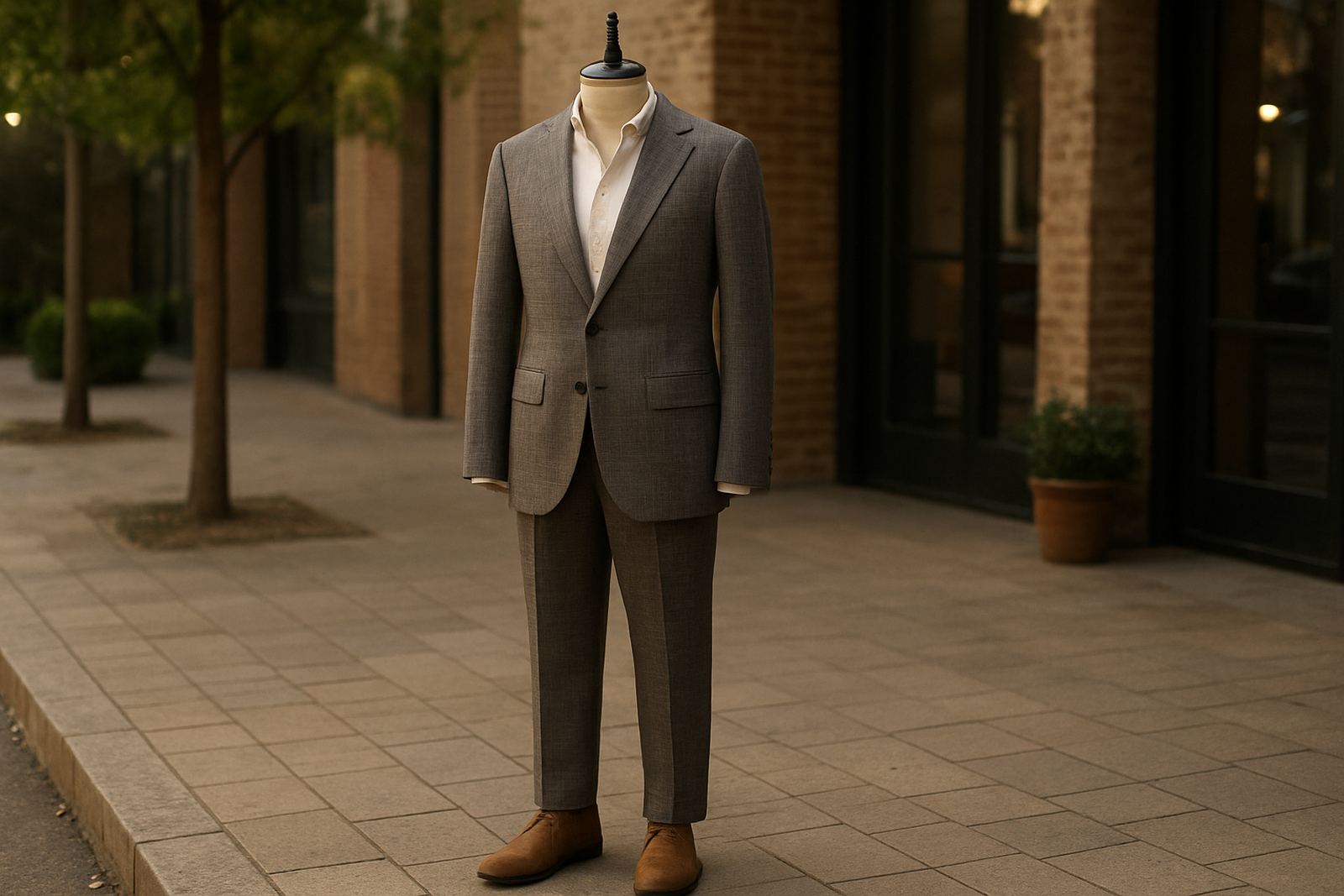
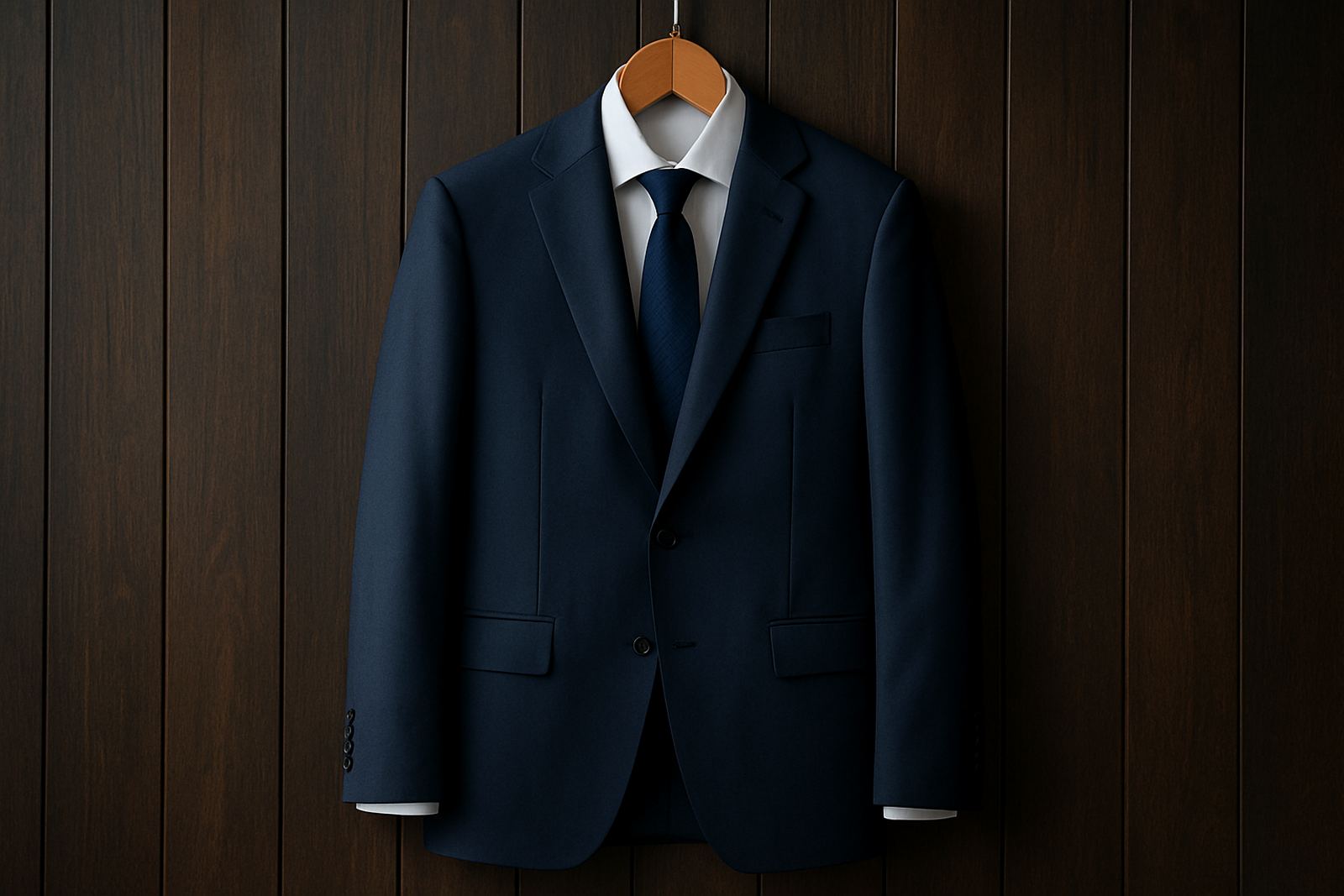
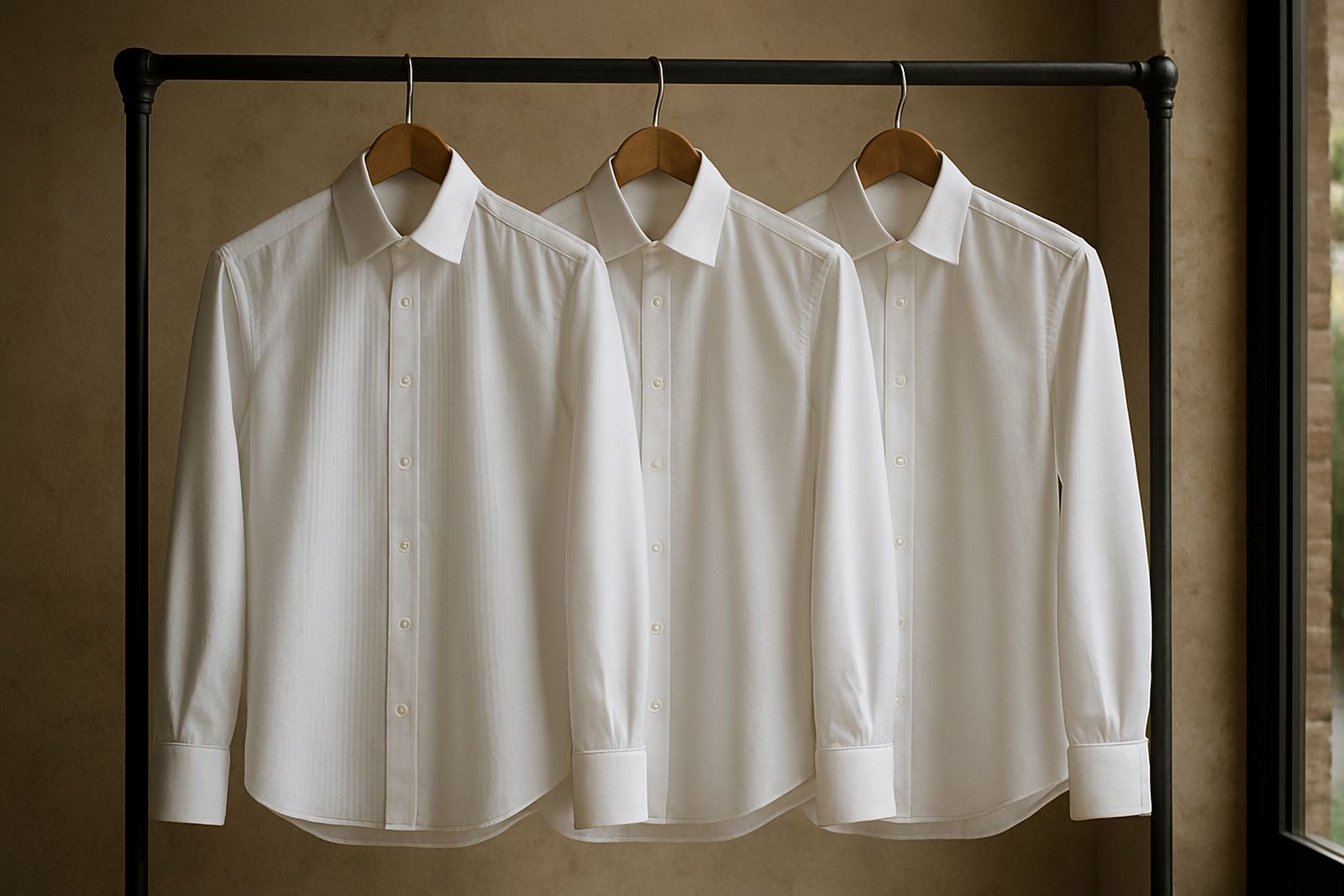
We supplied made-to-measure shirts and suits for the wedding party, with each set cut and checked individually. The groom received a suit with a cleaner waist and a shirt set to sit neatly under the lapel line, while the groomsmen were fitted for the same visual standard with small changes to accommodate their build. Fabric choice was made with Johannesburg weather in mind, since a warm afternoon can turn into a cool evening by the time the reception starts. Breathability, crease resistance and comfort under a waistcoat all came into the discussion.
For the styling, we kept the details disciplined. We advised on jacket length, button stance, trouser taper and shirt collar shape so the whole party would stay balanced in photographs. The team also reviewed pocket placement and cuff finish because these details can make a formal look appear too stiff if they are handled poorly. Each fitting was recorded and passed through production so the final pieces followed the same standard across the group.
- Made-to-measure shirts for every member of the party
- Suit cut adjusted per person, not pulled from a fixed size chart
- Final look kept consistent for photos and ceremony flow
- Finishing checked for collar roll, sleeve pitch and trouser balance
Studio fittings and measured adjustments
The process ran through a mix of studio fittings and guided measurement checks. Some of the groomsmen came into Rosebank, while others were handled through arranged fitting slots so no one had to lose a full workday. The first session established baseline measurements, then we refined sleeve, waist, jacket and trouser positions as the garments took shape. Our fit consultant and head cutter worked closely on the adjustments, with the production coordinator keeping the sequence moving and the finishing specialist checking the final line of each garment.
One useful part of this project was that we could compare each garment against the rest of the party before final release. That made it easier to keep the group matched without forcing identical proportions. If a jacket needed a little more drape through the chest or a shirt needed a touch more collar room, we could make that correction before it became a problem. The client stayed involved throughout, and that made approval quicker and clearer. The process was efficient, though the timeline still allowed enough space for proper tailoring, not just quick fixes.
- First fitting for measurement and style alignment
- Second fitting for shape, balance and movement
- Final check for hem, sleeve and waist refinement
- Approvals handled in stages to avoid rushed changes
Timeline from first contact to final handover
The project ran across roughly five weeks from the first enquiry to final handover. Week one covered the brief, style direction and measurement booking. Week two was for the main fitting sessions and fabric confirmation. Week three moved into cutting and initial assembly. Week four handled garment checks and refinement. Week five was for final finishing, pressing and collection. That timing gave enough room to correct the small things that often show up only when a jacket is partly built, such as a sleeve sitting forward or a trouser leg needing a cleaner line.
The handover itself was straightforward because every order had already been checked against the wedding date. There was no confusion about sizes or who needed which shirt, and the groom could see that the party was ready as a unit. A project like this works best when the schedule is respected from the start, because wedding clothing is not just about making something fit, it is about making sure the whole day runs smoothly. In this case the final result was neat, practical and ready for photographs, travel and a long function.
What we would repeat on the next wedding order
If we were doing the same kind of order again, we would keep the same structure: one clear lead contact, staged fittings, and separate fit notes for every person in the party. That method saves time and avoids the common mistake of trying to treat a wedding group like one standard size. We would also keep the early fabric discussion in place, because wedding comfort changes depending on season, venue and the amount of time spent outdoors. In Johannesburg, that planning makes a real difference.
For future wedding parties, we would again recommend leaving space for a final refinement fitting before collection. It gives the client confidence and leaves less room for last minute stress. The final result in Hyde Park showed that personalised tailoring works best when it is organised, measured and checked in the right order. The groom got the sharper fit he wanted, the groomsmen looked consistent, and the whole party could focus on the day instead of the clothing.
- Best practice: one fitting plan for the whole party, not one generic size rule
- Leave space for a final adjustment before the wedding week
- Choose cloth that suits season, venue and travel time
- Keep all fit notes in one place for easy approval
Key facts
| Project | Hyde Park Wedding Party |
|---|---|
| Client type | Groom and groomsmen |
| Area | Hyde Park, Johannesburg |
| Service scope | Made-to-measure shirts and suits with staged fitting adjustments |
| Timeline | About 5 weeks from enquiry to handover |
| Key result | Consistent wedding party look with individual fit corrections |