






Start here: how to use the journal
This journal brings together guidance for clients who want clearer choices before placing a shirt or suit order. Some pieces focus on fitting and measurements, others on fabric behaviour, occasion dressing, care, and what to expect from online or studio appointments. If you are unsure where to begin, start with fit and fabric, then move to the article that matches your purpose, such as workwear, weddings or repeat orders.
We write for South African conditions, so you will see practical notes on heat, humidity, load-shedding and travel between meetings. That matters when you want a shirt that breathes in Durban, a suit that holds its shape in Johannesburg, or a wardrobe that works for office days, functions and long-distance courier delivery.
- Need the basics first? Read the fit and measurement notes.
- Choosing for a wedding or event? Go to occasion guidance.
- Ordering for the office? Look for business and corporate pieces.
- Already ordered before? Use the repeat-order articles to refine your fit.
Fit notes for shirts and suits in real life
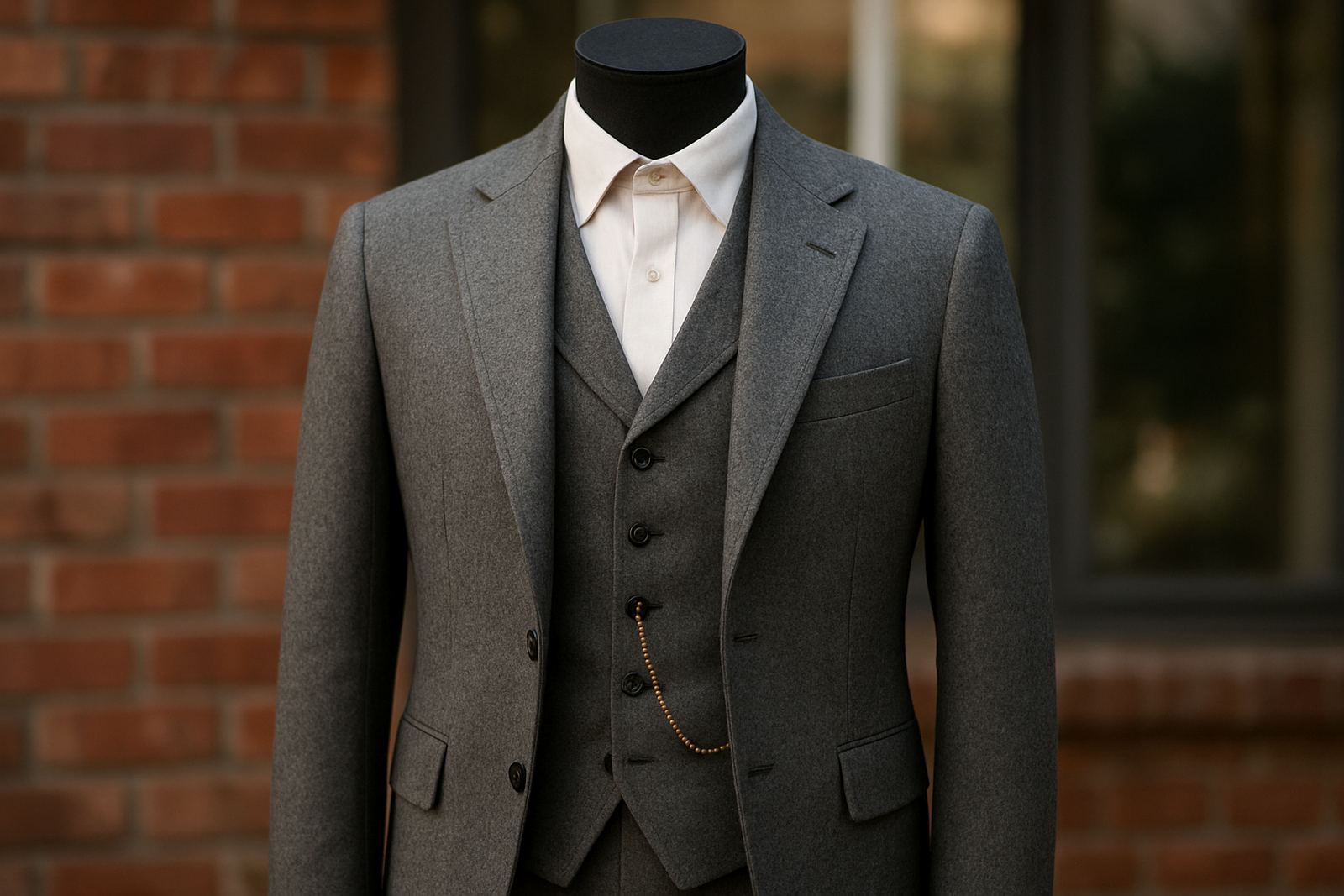
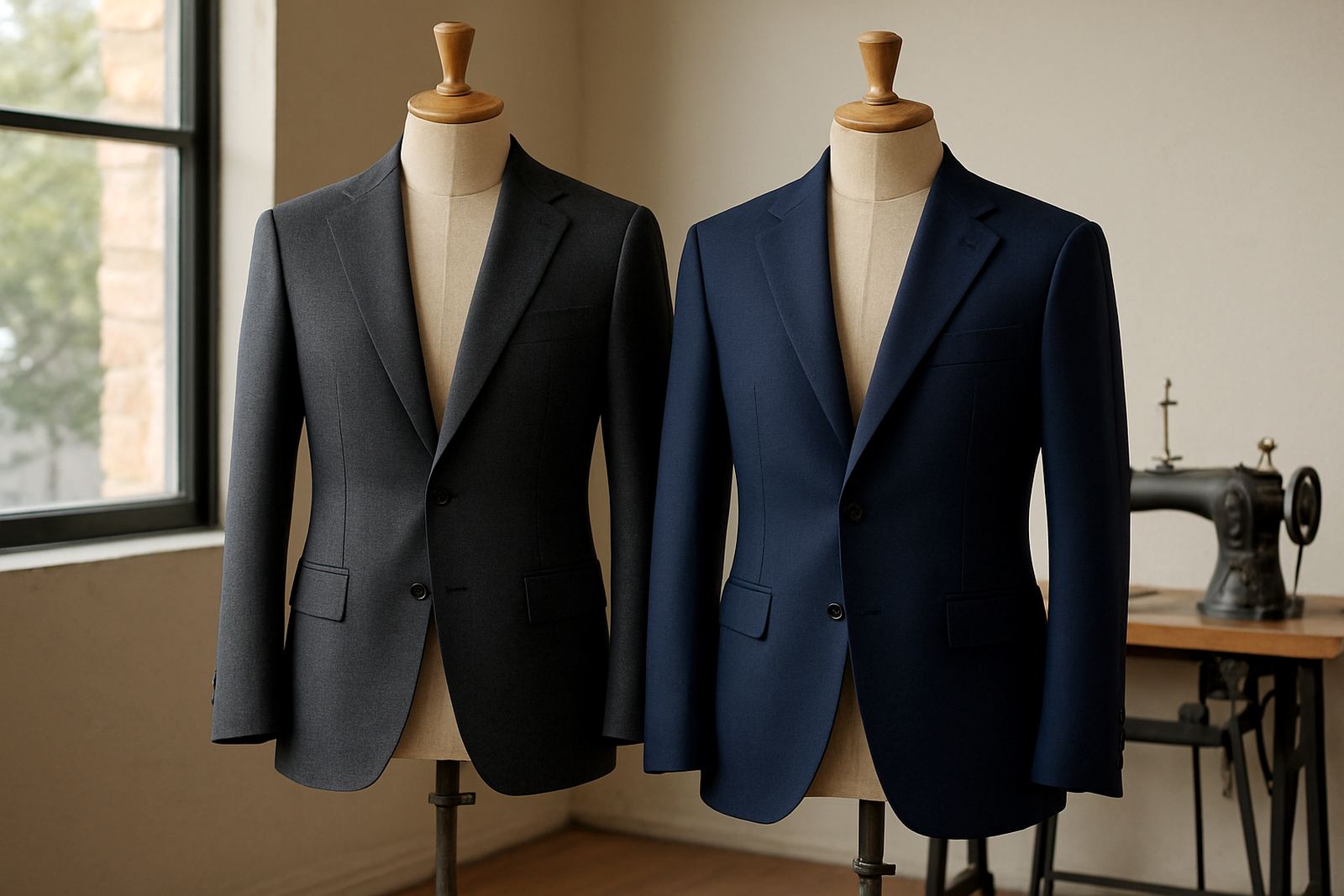
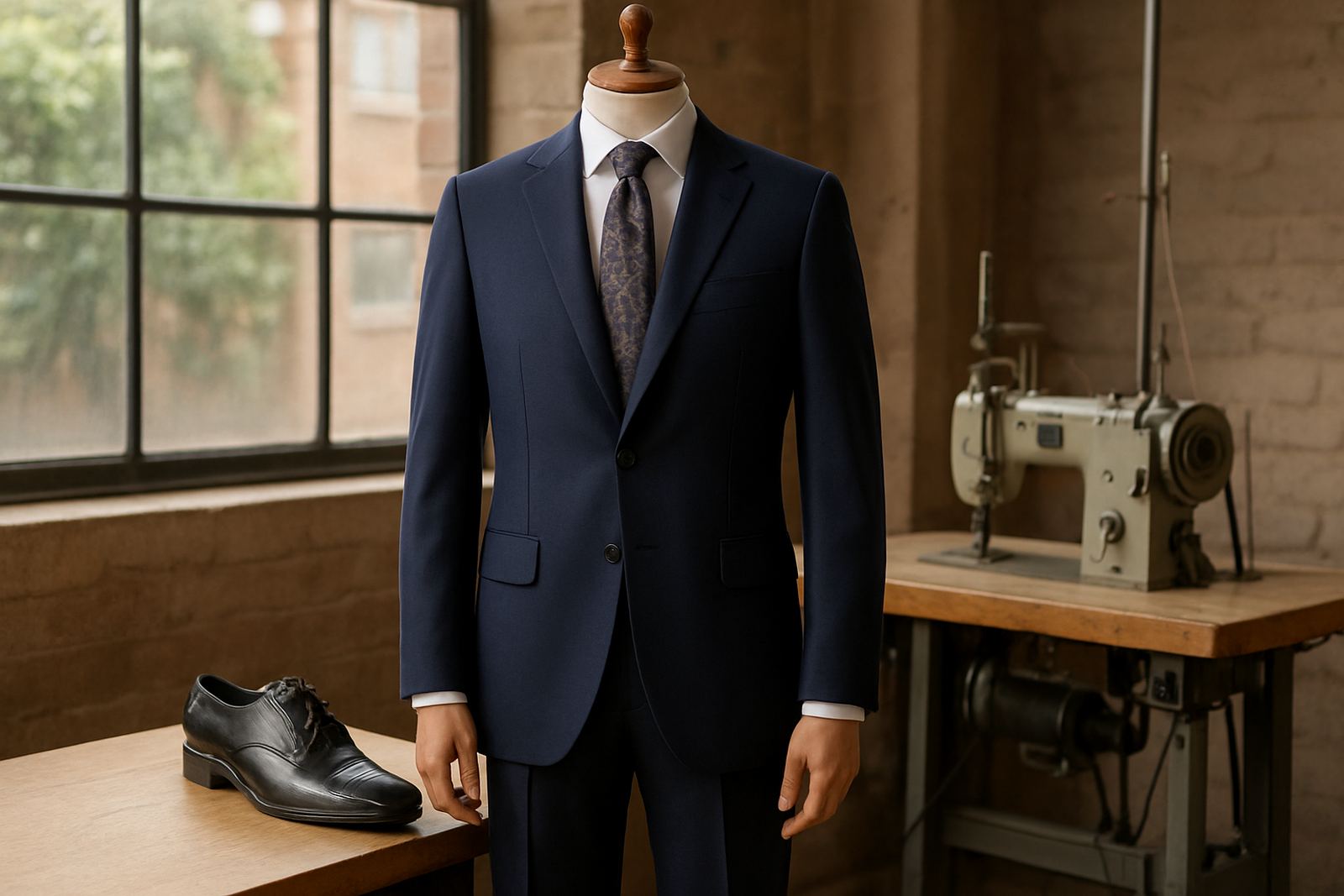
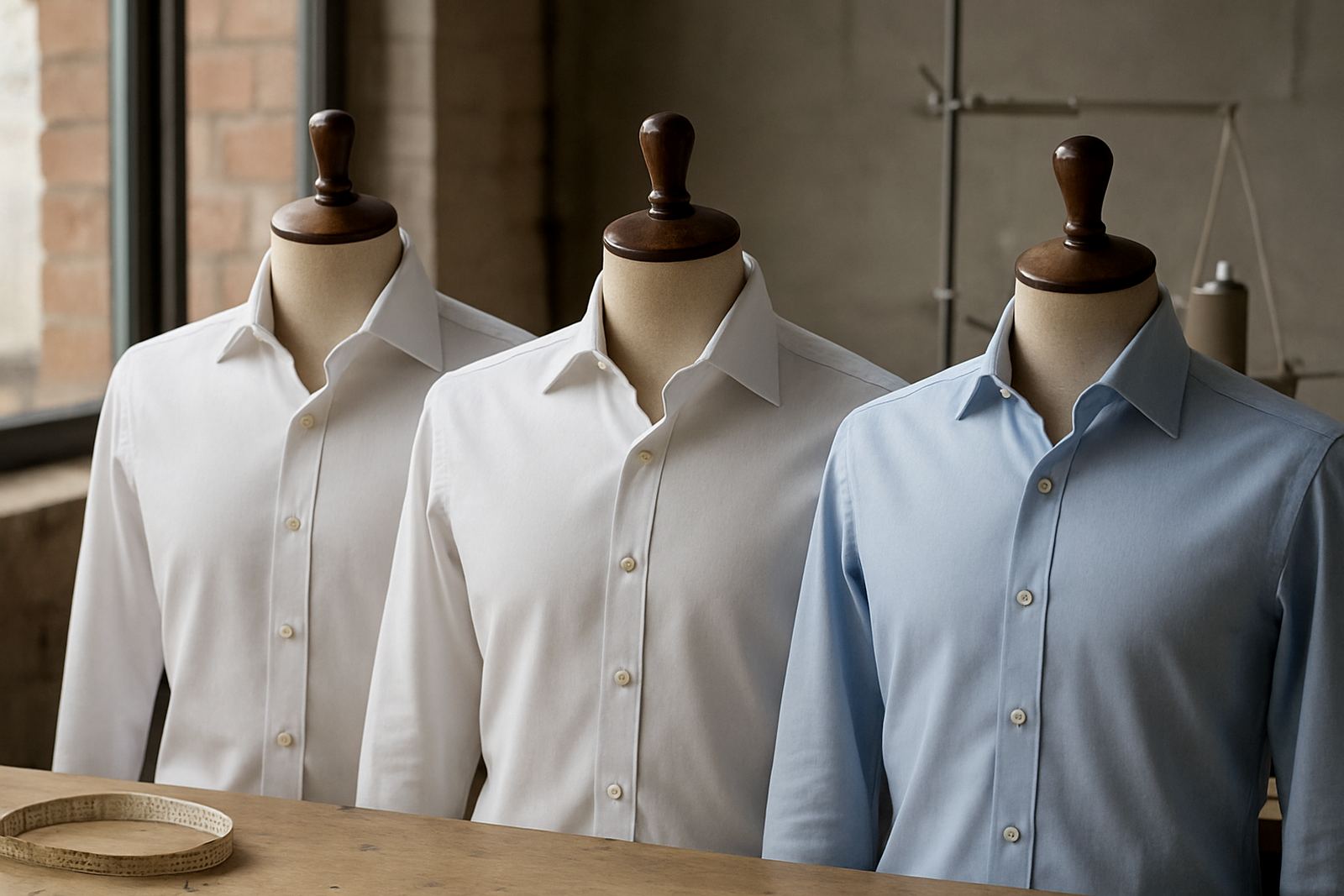
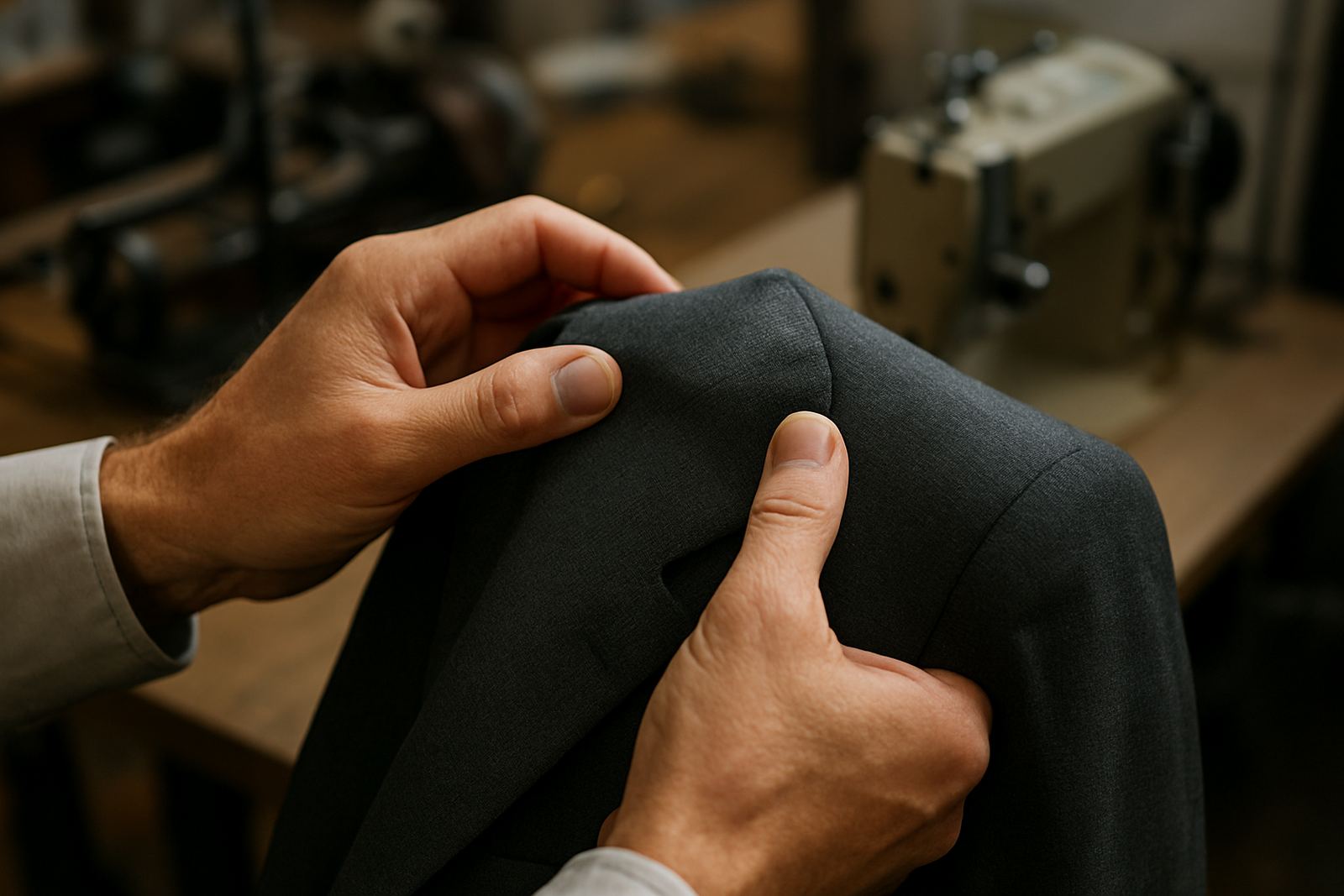
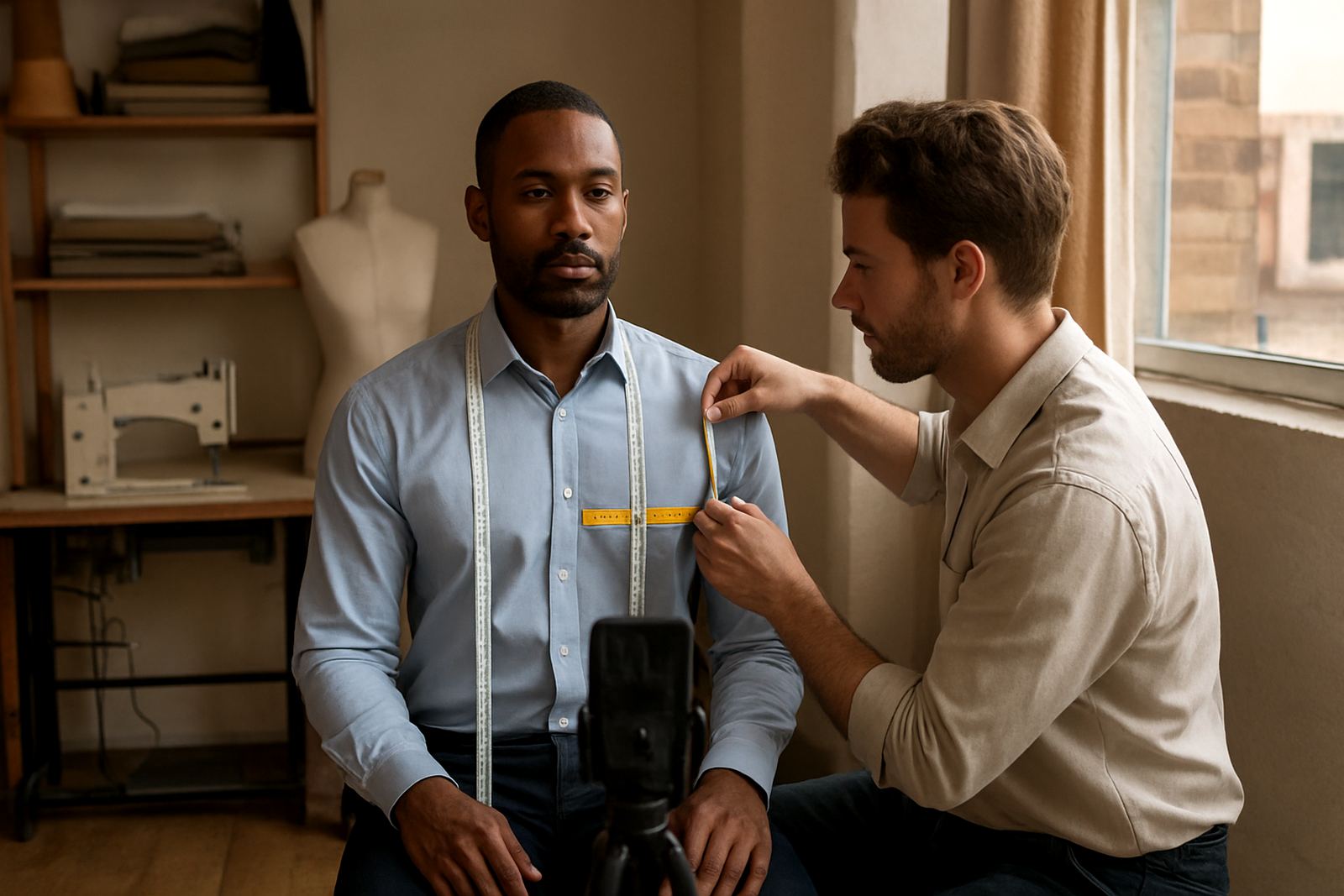
Good tailoring starts with how clothing sits on the body, not just the size marked on a label. A shirt should allow movement at the shoulders and chest without pulling at the front. A suit jacket should close cleanly, sit flat through the back and leave enough room for a natural stance. Small differences in posture, shoulder slope and arm length can change the final result more than clients expect.
Our fitting articles explain what to watch for during an online fitting or a studio fitting in Rosebank. They also help you understand why a tiny adjustment can change the whole look. If you have worn off-the-rack clothing for years, the fiting process can feel unfamiliar at first, but once you know what to check, it becomes far easier to order with confidence.
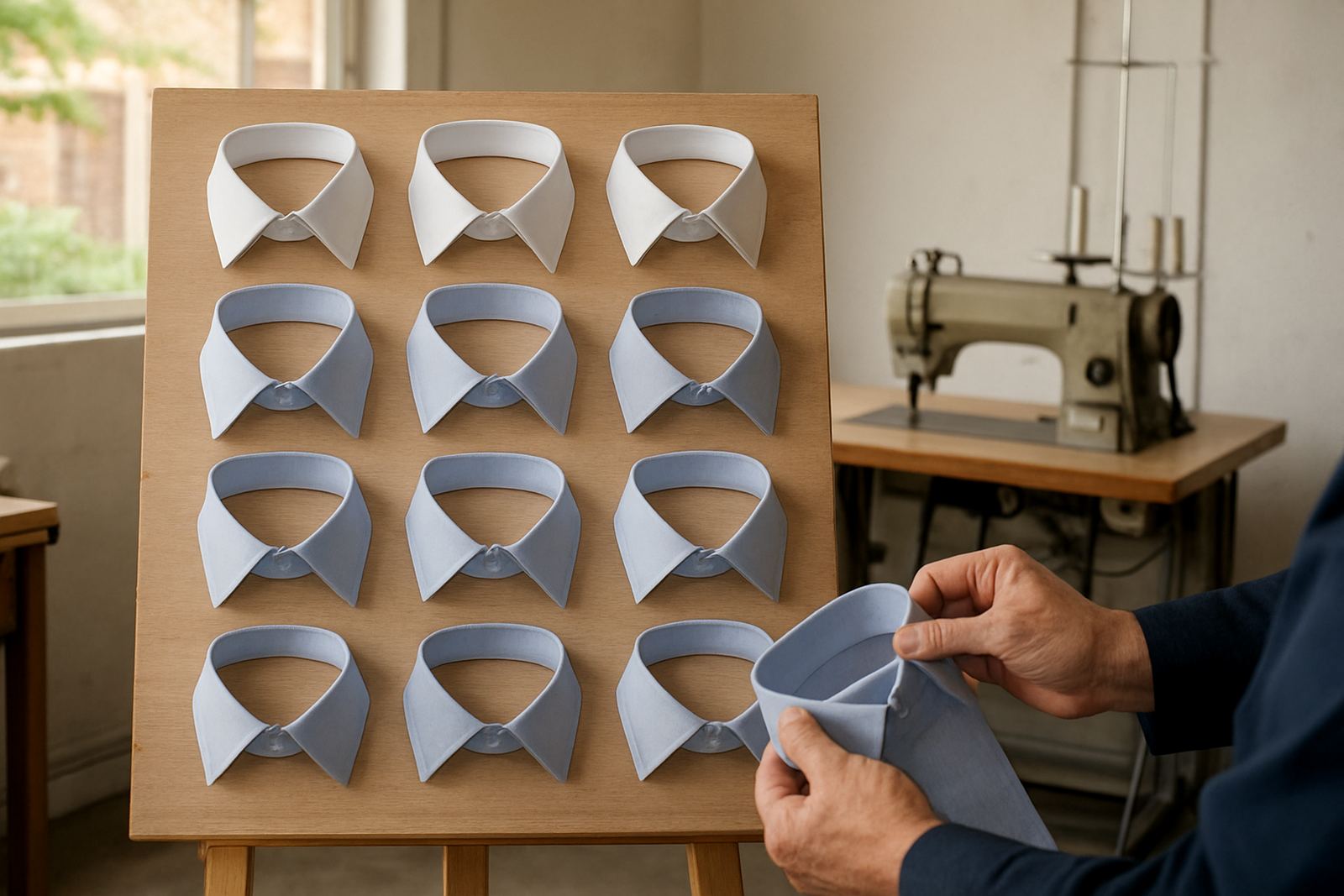
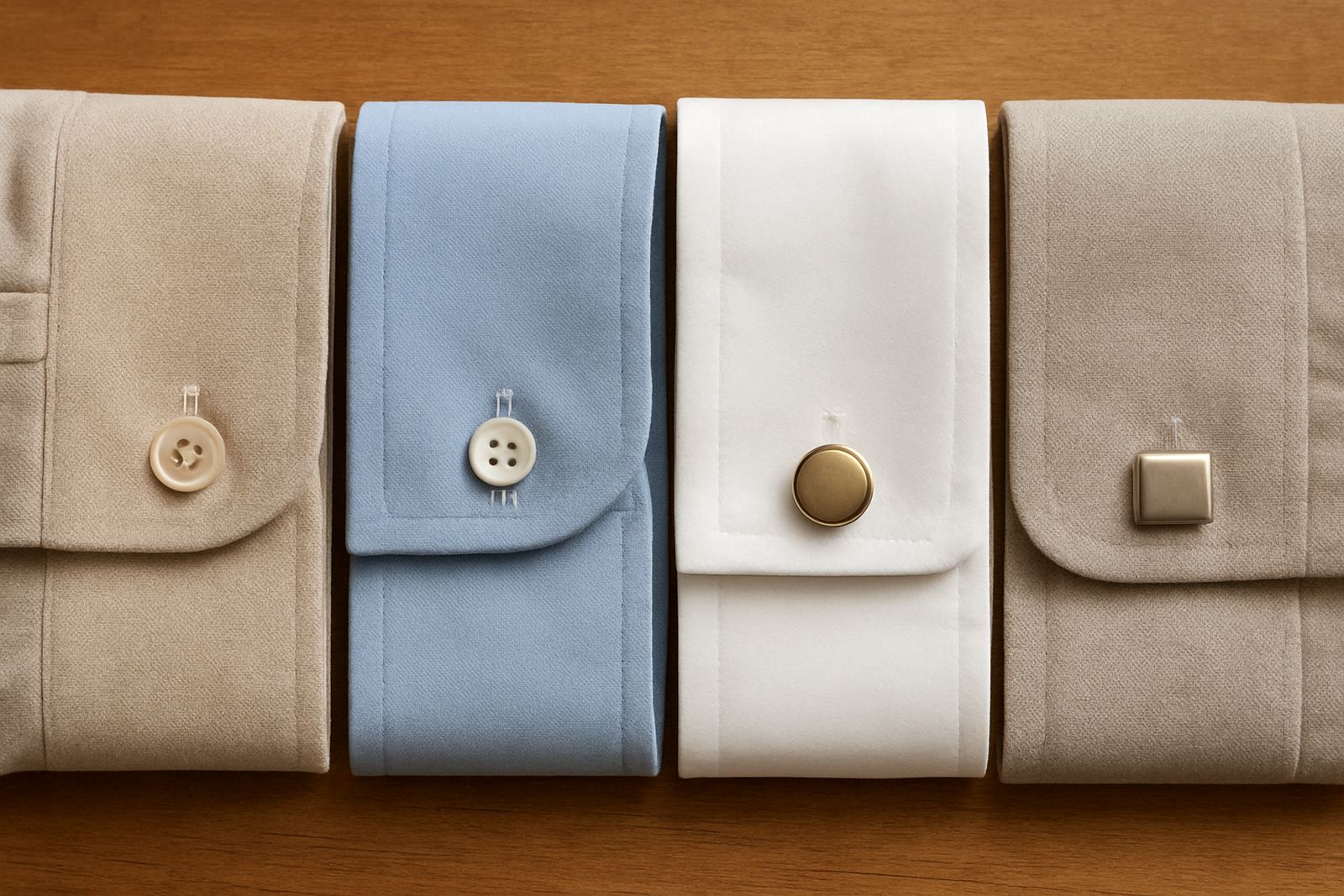
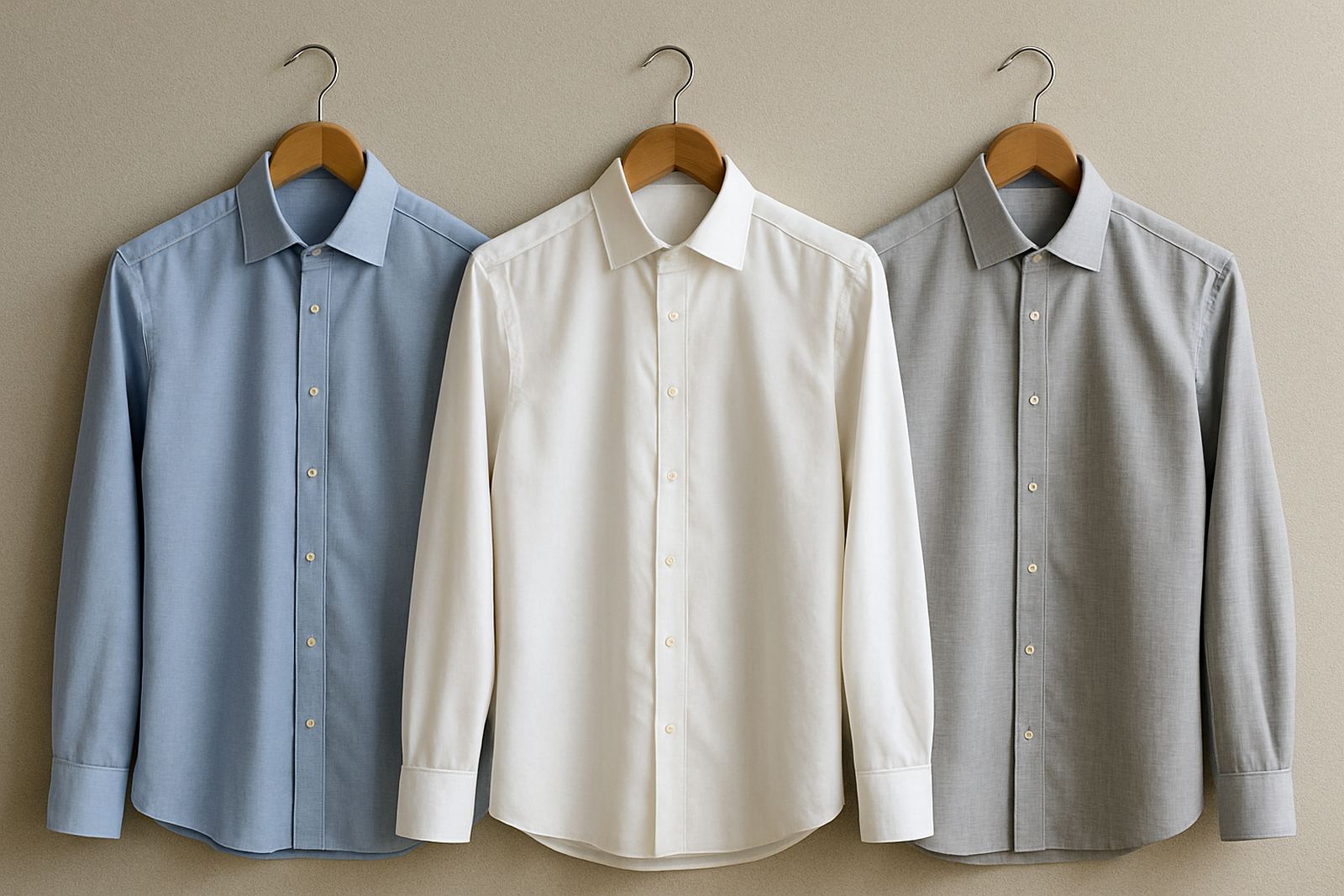
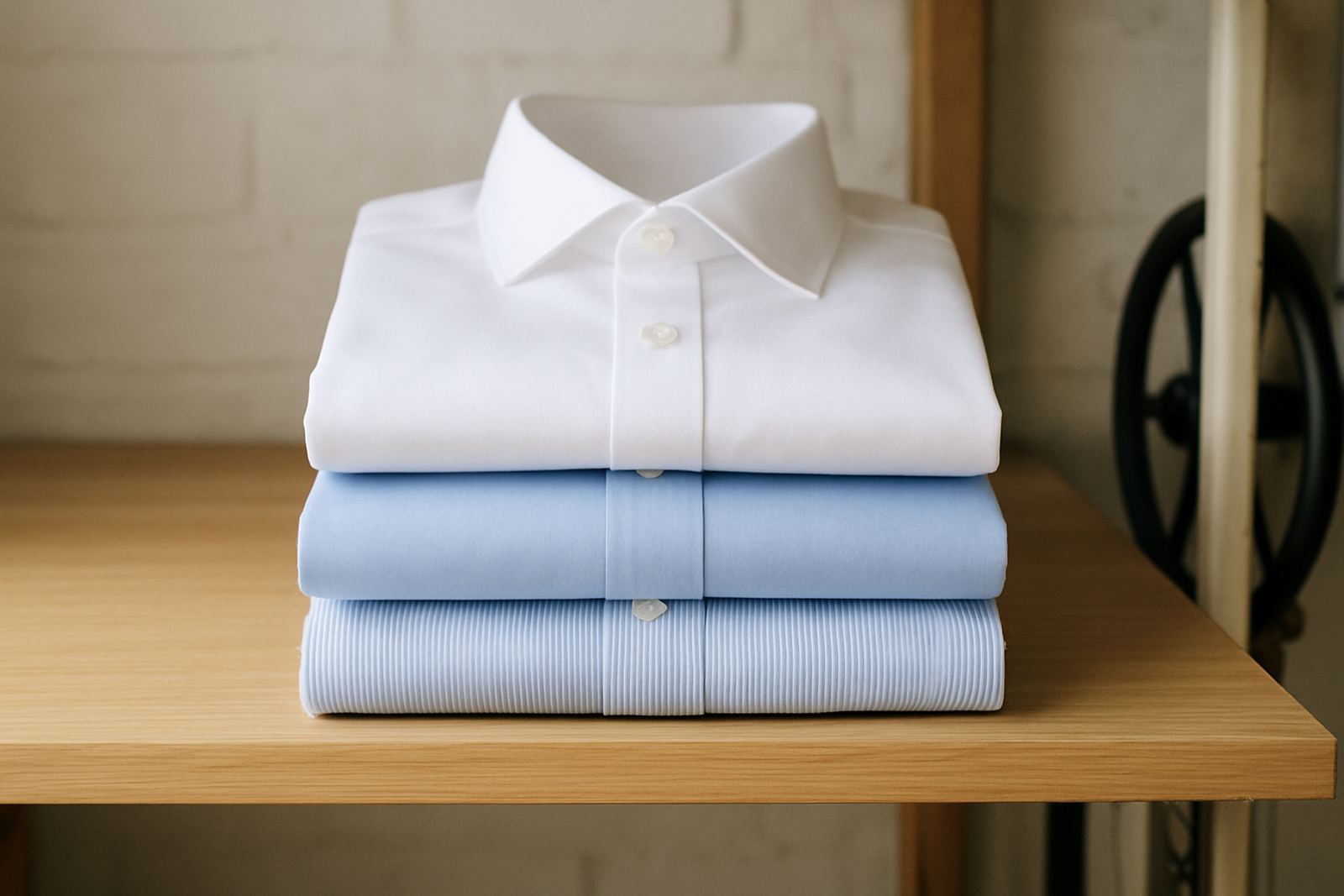
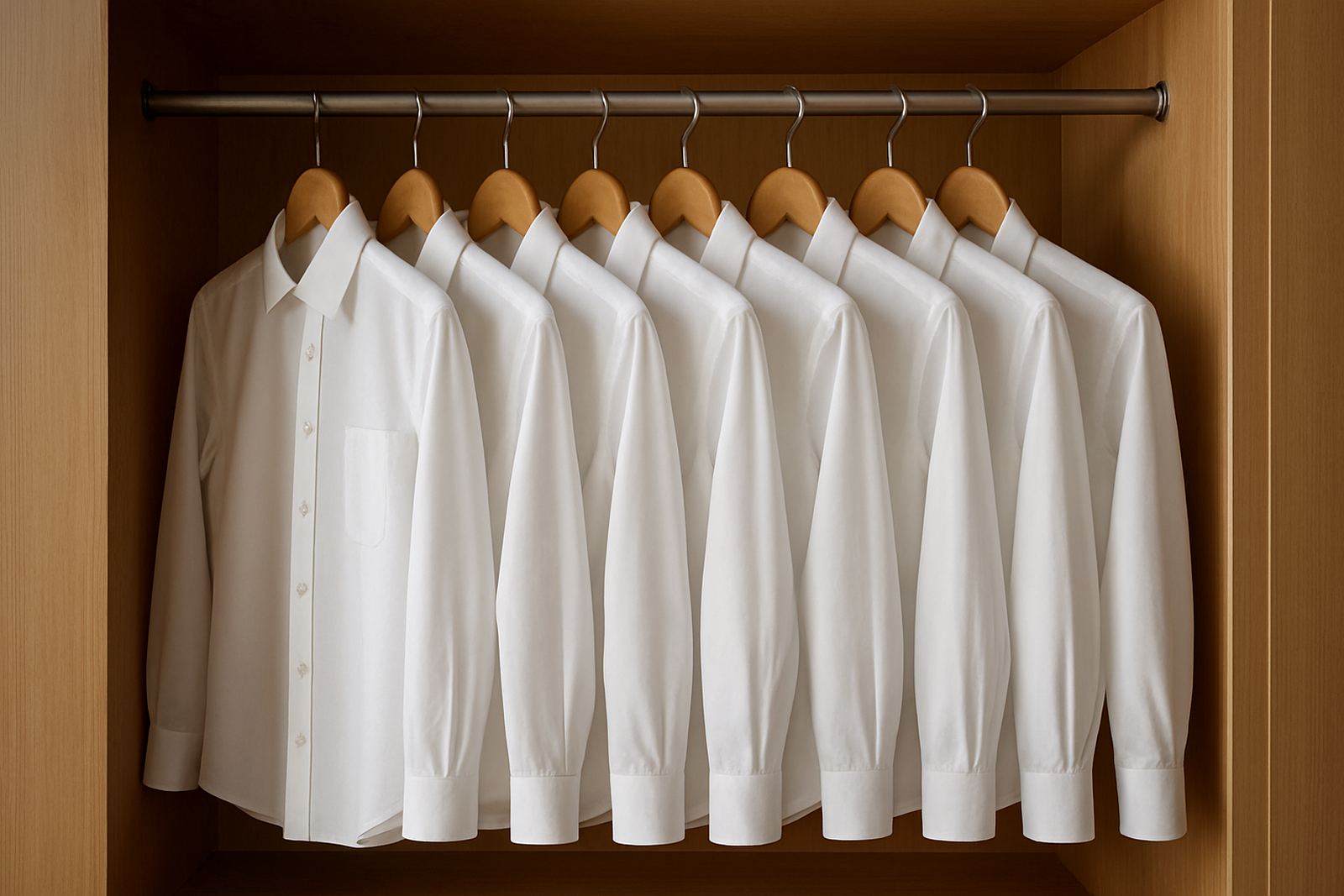
- Shirts: collar, shoulder line, sleeve length and waist shape.
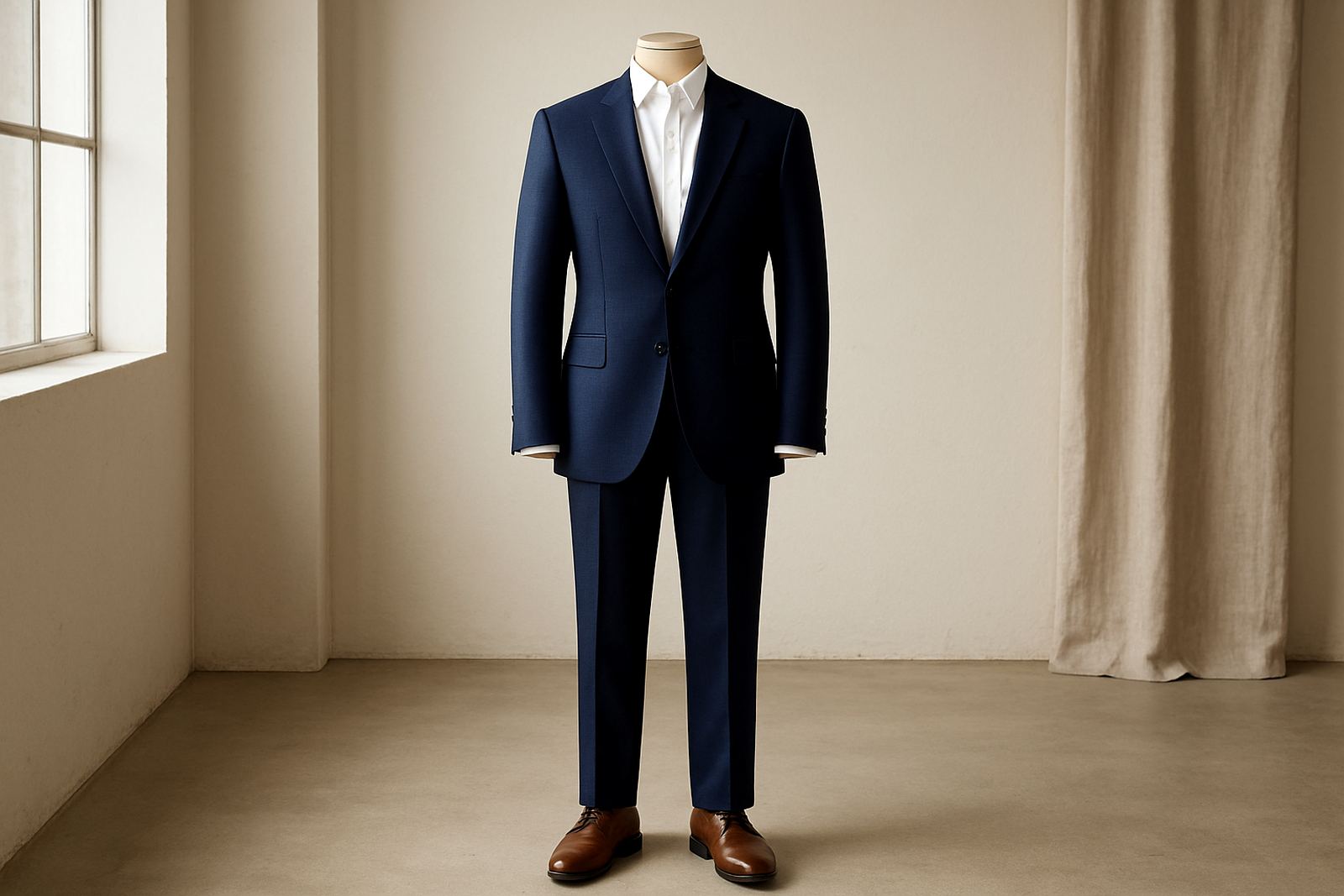
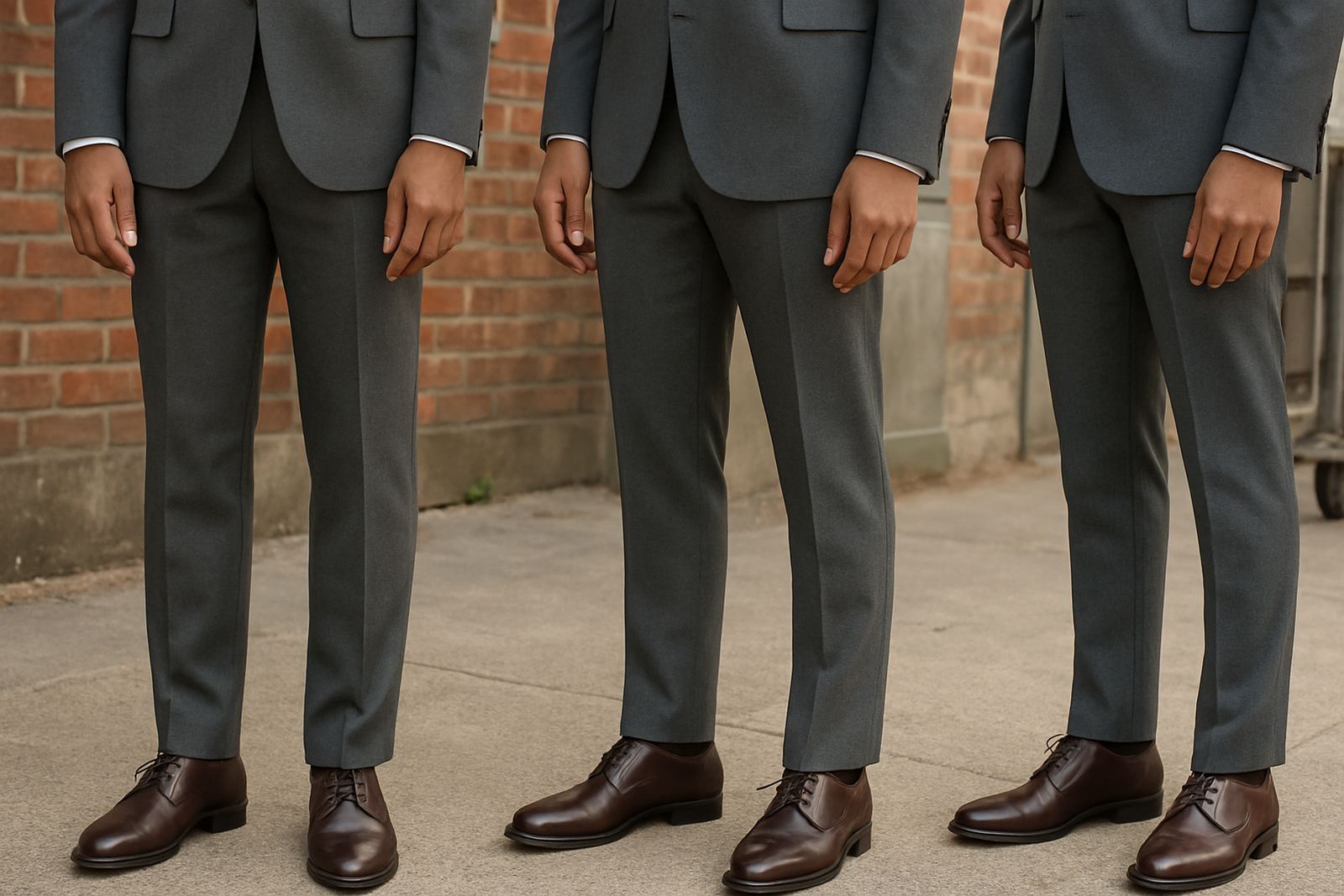
- Suits: jacket balance, trouser rise, seat comfort and sleeve pitch.
- Alteration refinement: useful when a near-perfect fit needs small corrections.
- Repeat orders: ideal once your measurements are settled.
Fabric choices for South African weather and workweeks
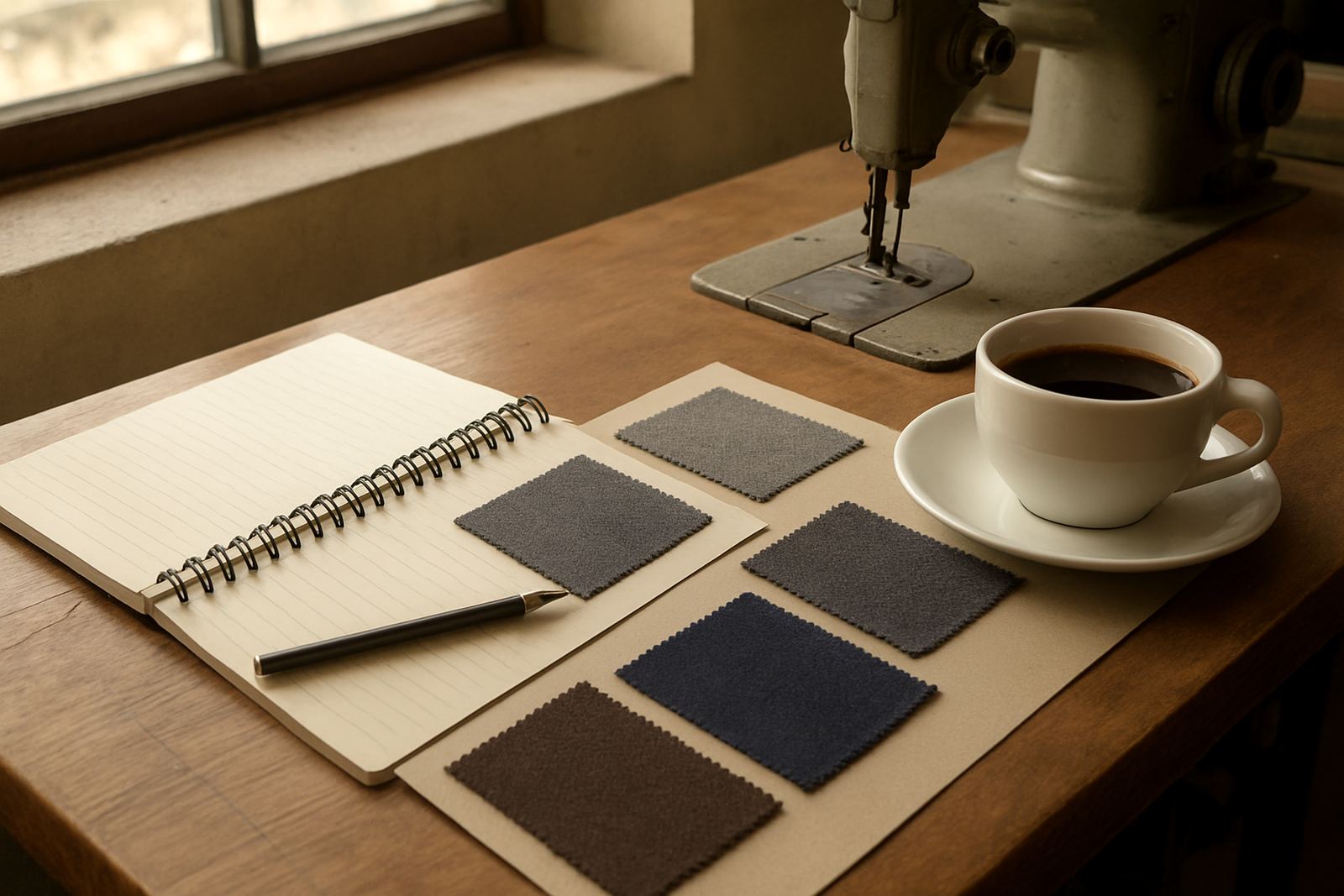
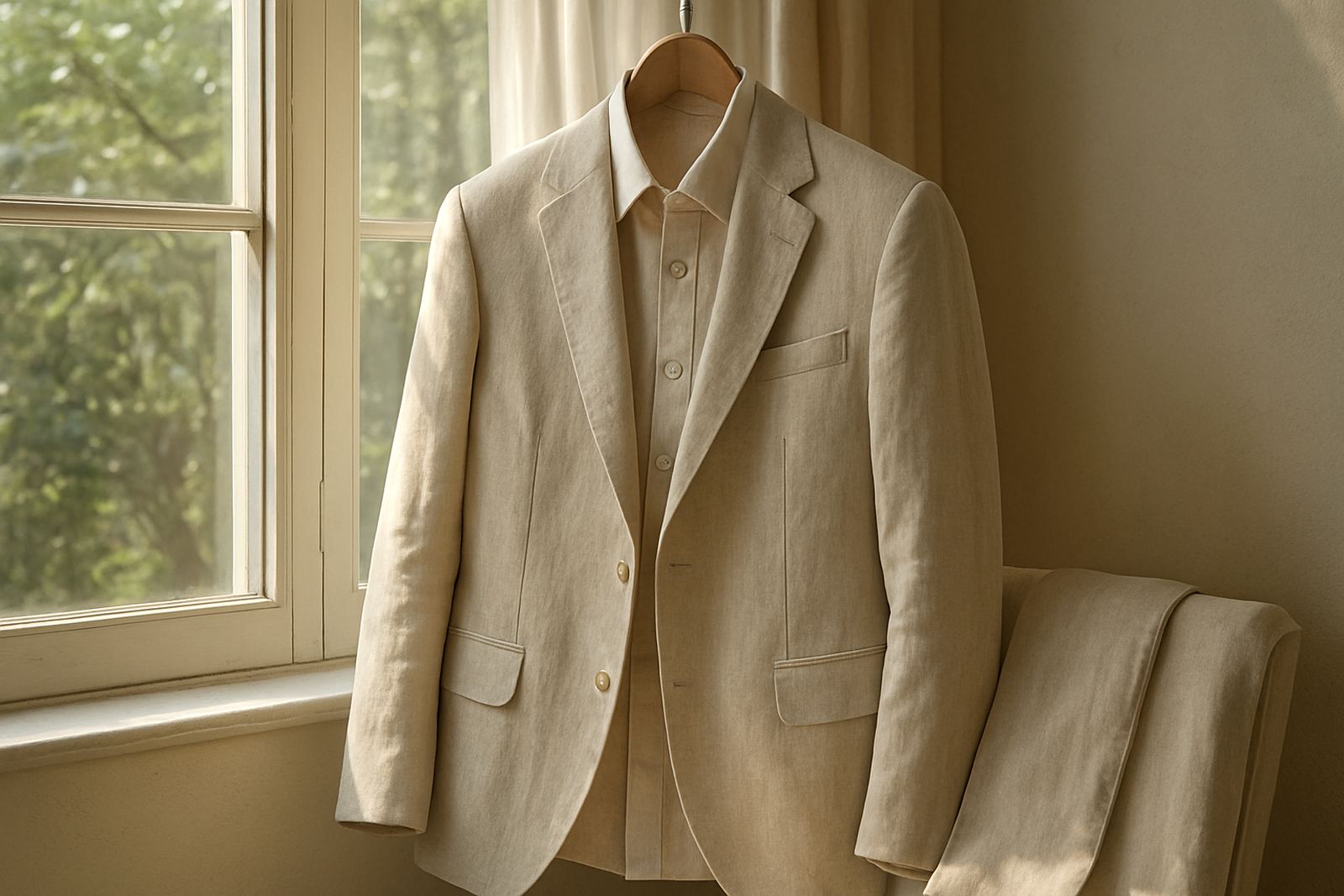
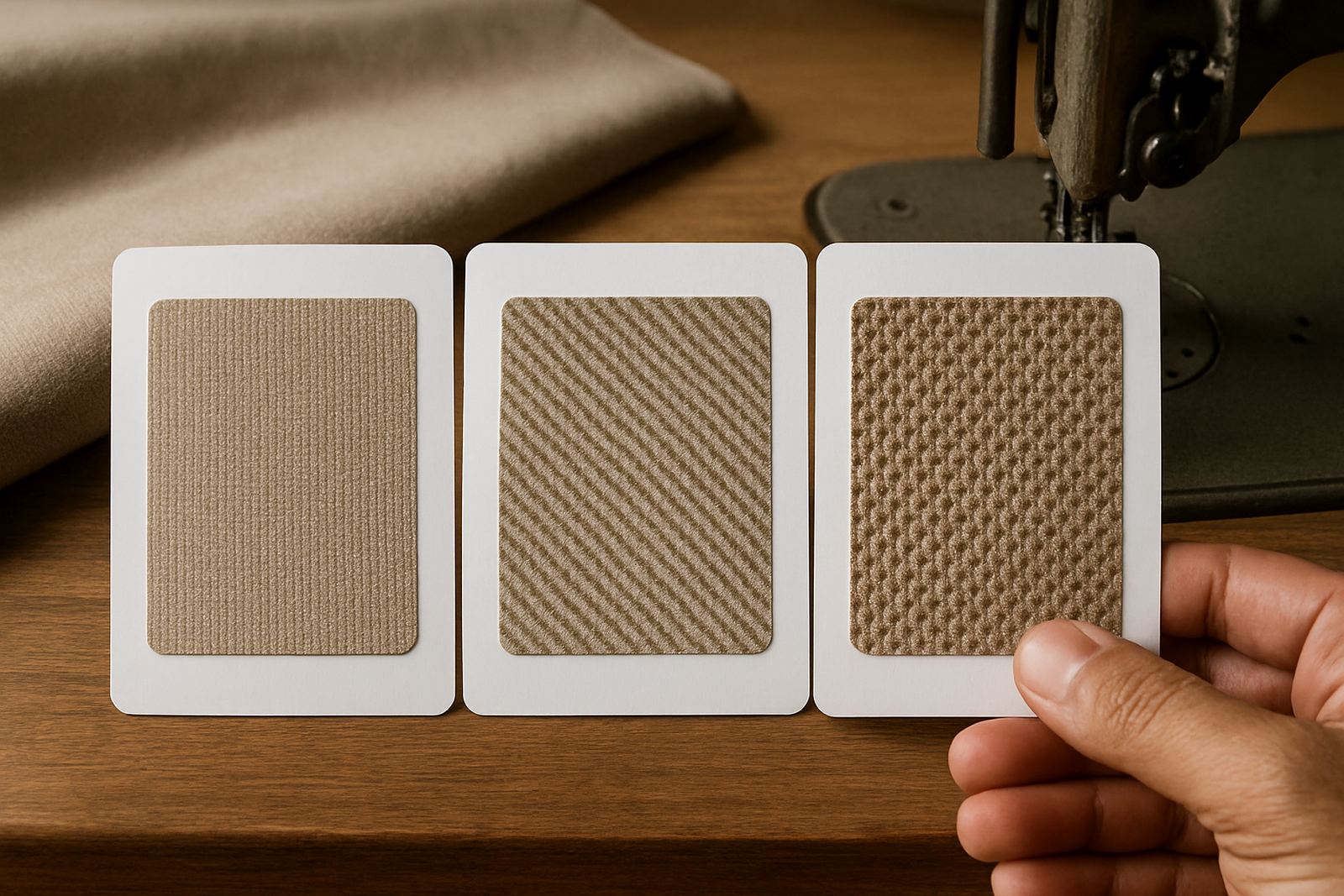
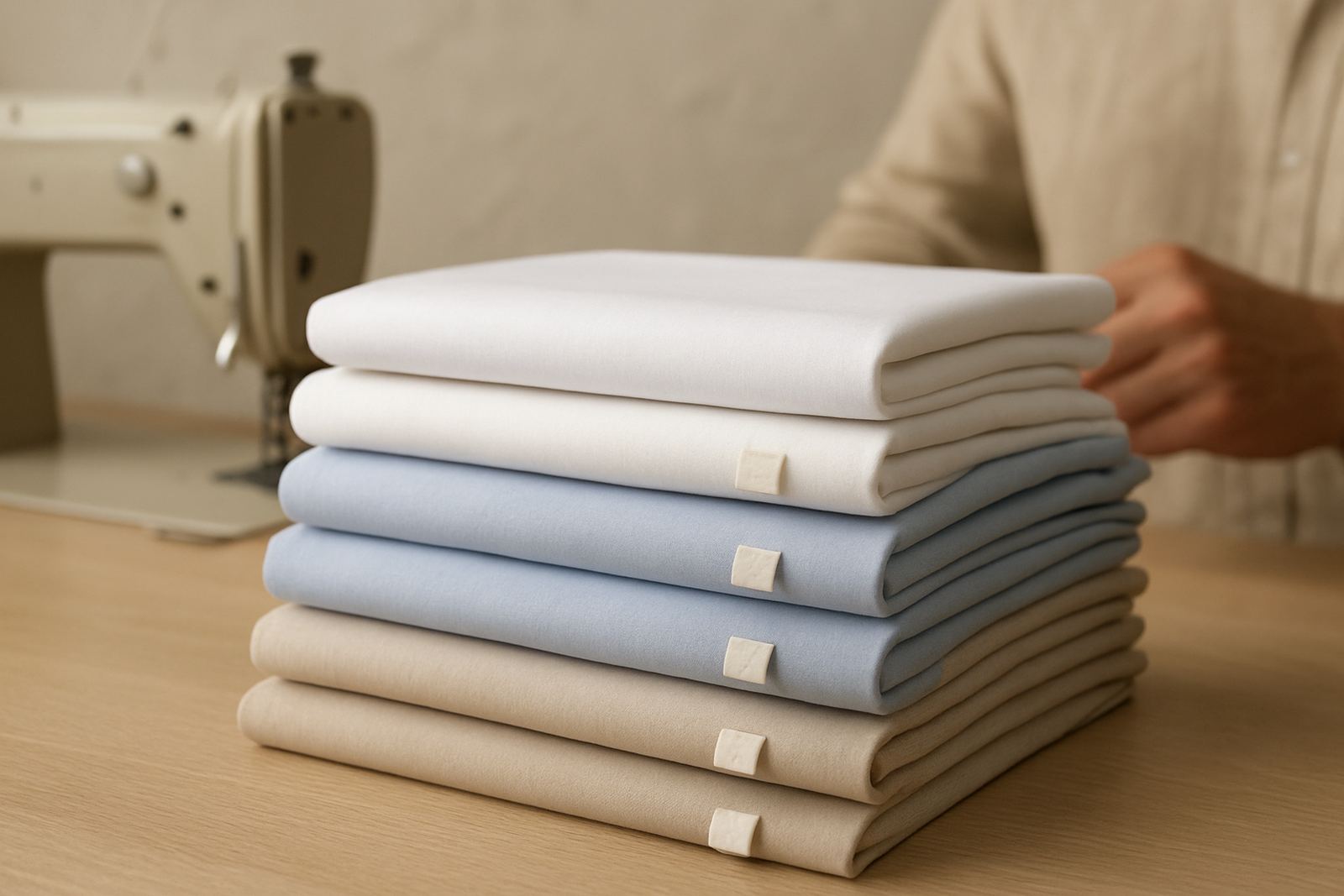
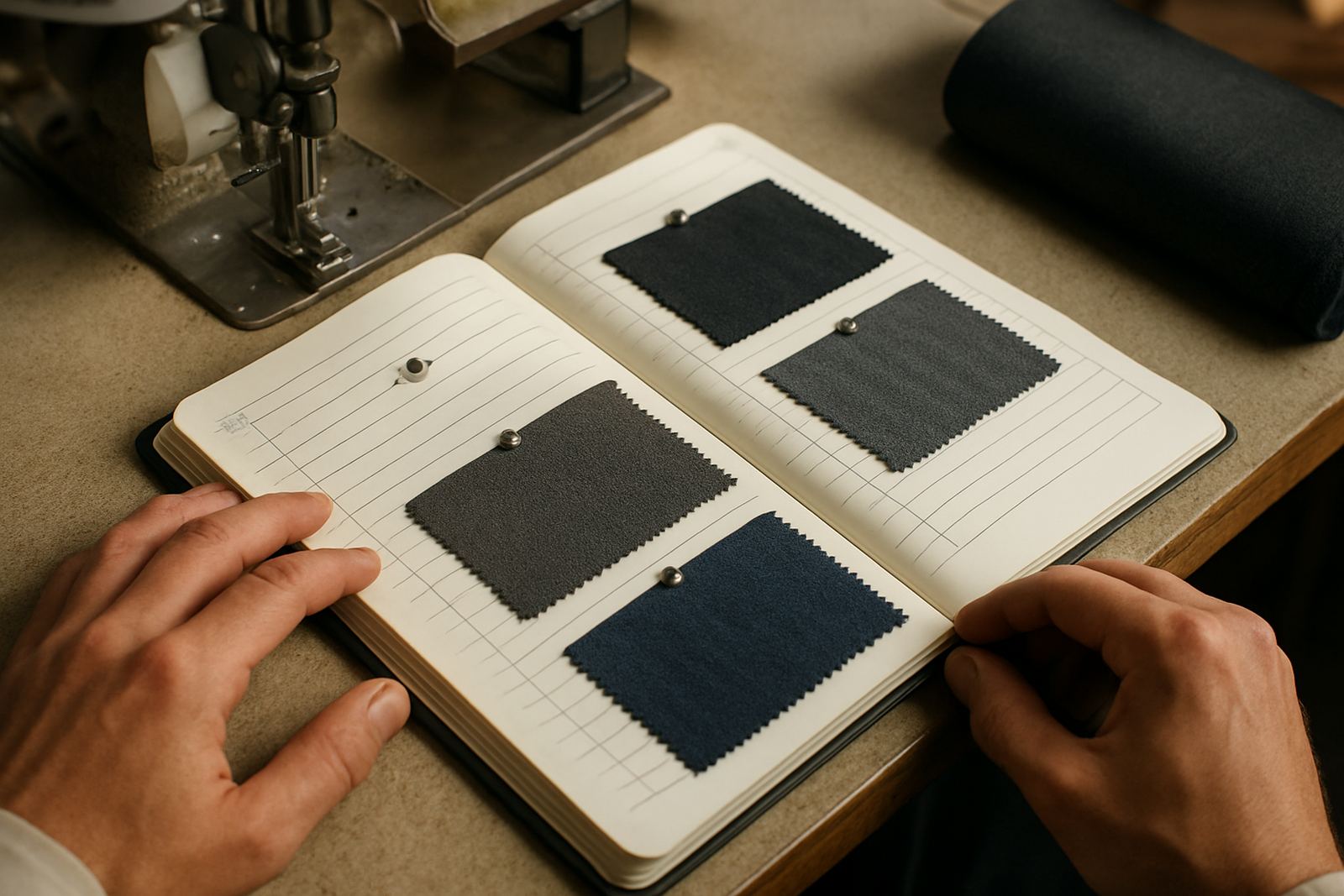
Fabric choice affects comfort, creasing and how often you need to press a garment. In warmer months, lighter cloths and breathable weaves usually feel better, especially for Durban heat or crowded commutes. In cooler months, clients often prefer cloth with a little more body. For corporate wear, the aim is usually a neat appearance from morning to late afternoon, even after hours in air-conditioned offices.
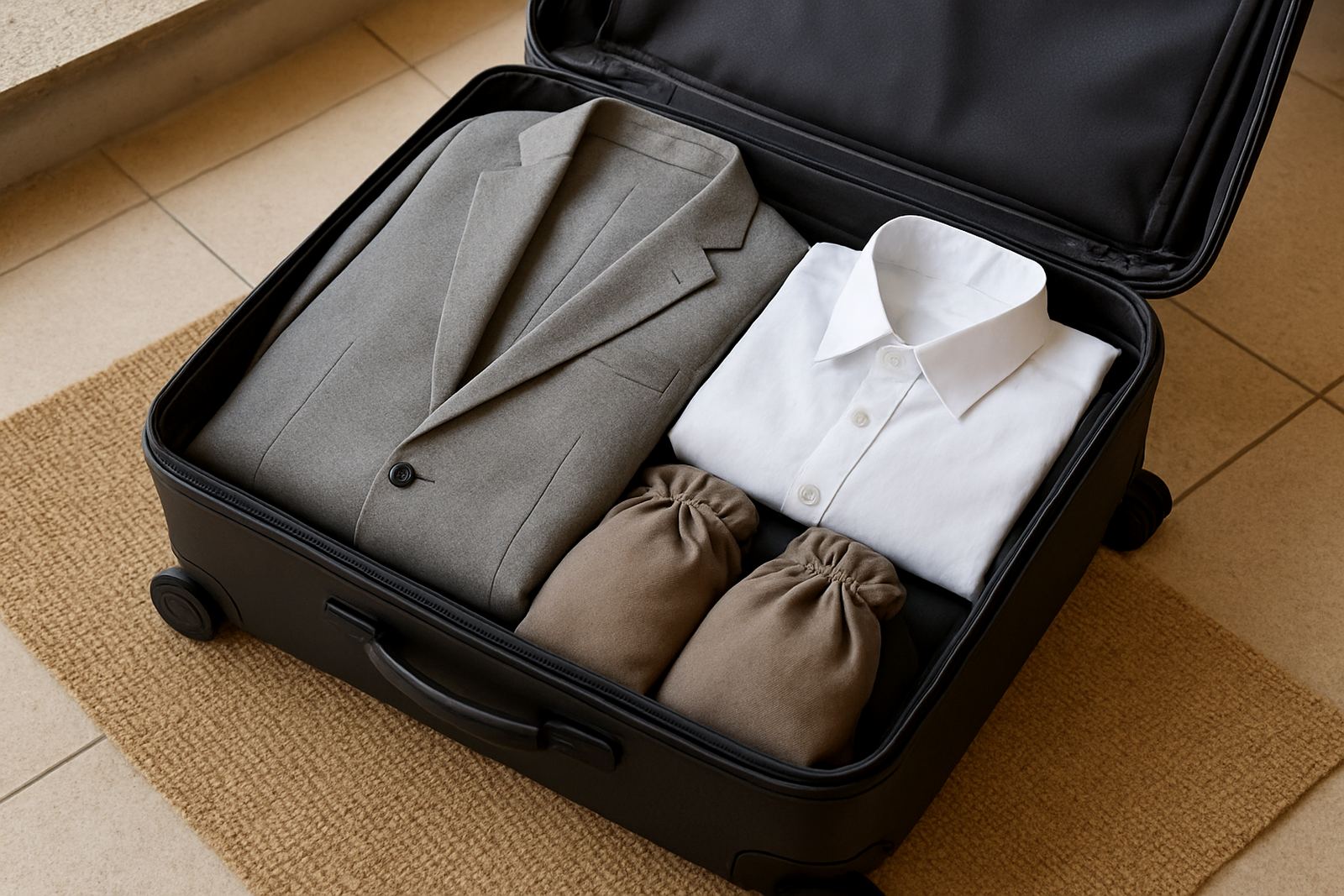
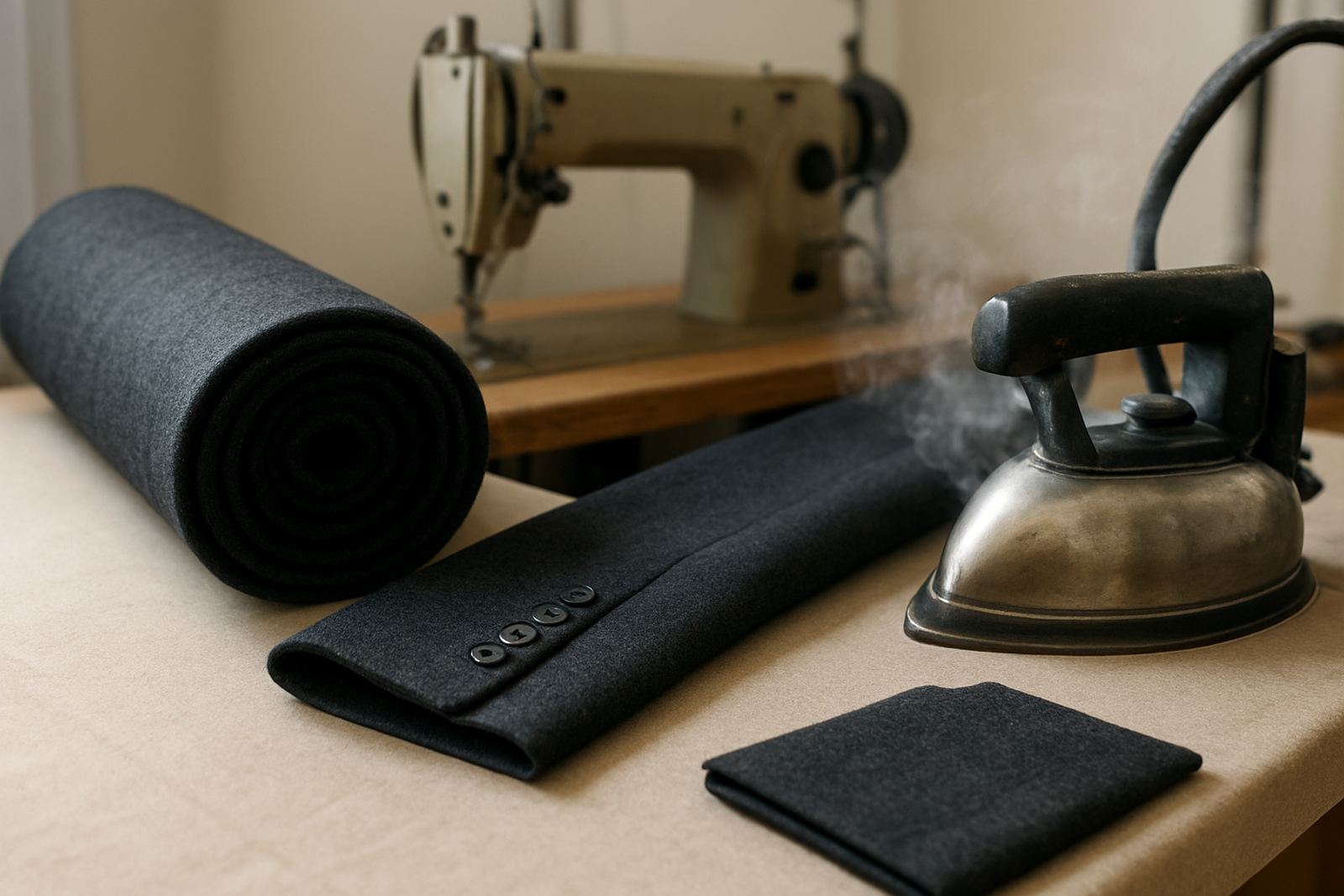
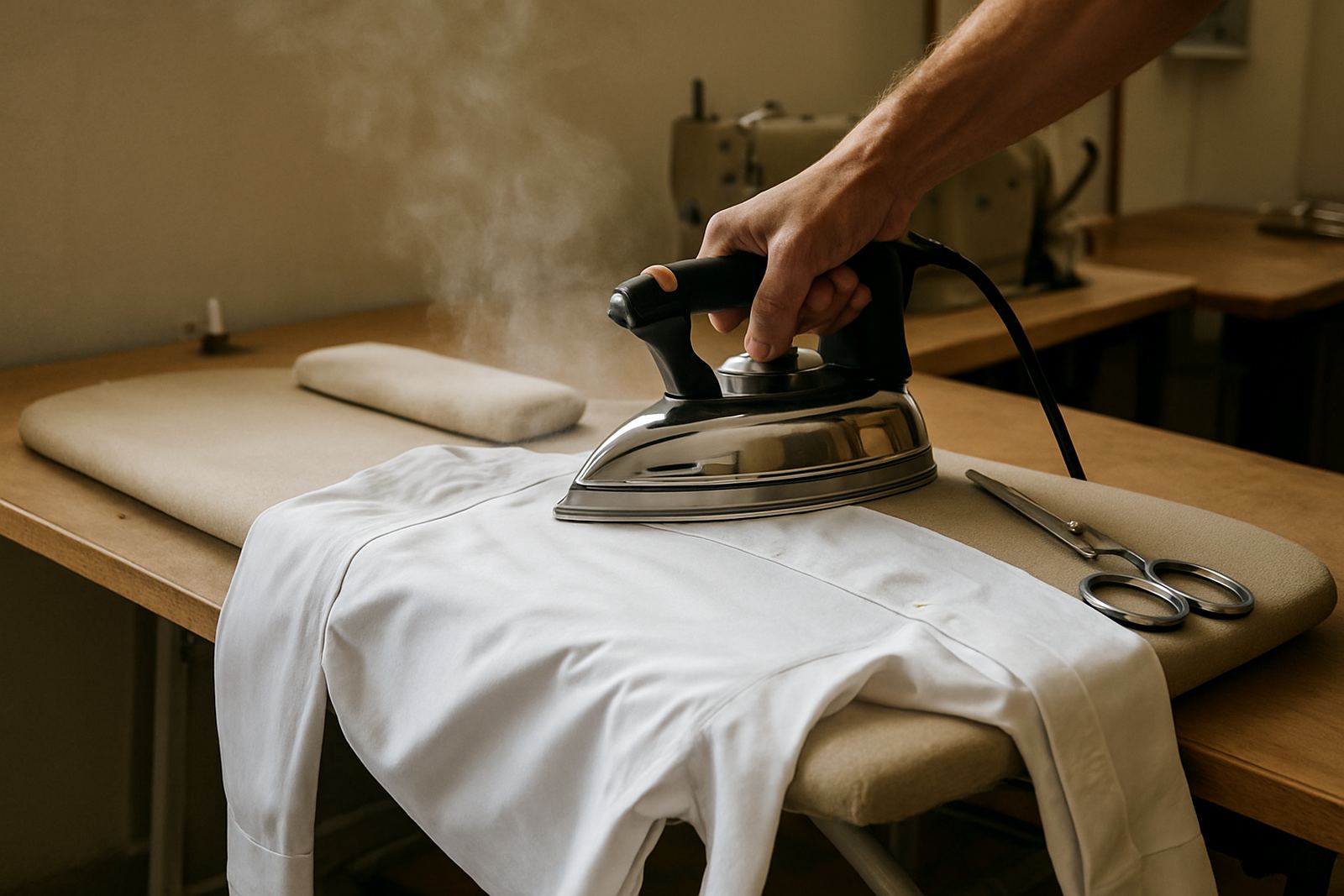
We also look at practical care. Power cuts can change how often you iron, so some fabrics and finishes are easier to manage than others. Coastal humidity can affect storage, while hard travel can make a garment crease more quickly. The right fabric helps your shirt or suit keep its shape with less effort, which is useful if you wear tailored clothing through the week.
When to choose studio fittings or online fittings
Some clients prefer a studio appointment because they want direct guidance and a hands-on fitting. Others choose online fitting because they live outside Johannesburg or want to place orders without travelling. Both routes can work well, as long as the measurements are taken carefully and the purpose of the garment is clear. We often help clients compare options for work, weddings, travel and repeat orders.
Studio fitting can be helpful when you are trying a new style, building a first tailored wardrobe, or adjusting details after weight change. Online fitting is useful for clients in Pretoria, Midrand, Randburg, Cape Town and across South Africa who need convenience. Either way, the aim is the same: a shirt or suit that fits the way you dress, move and work.
- Studio fitting for first-time clients or detailed style decisions.
- Online fitting for convenience and nationwide service.
- Courier delivery for clients outside Johannesburg.
- Wardrobe planning when you want pieces that work together.
Shirts, suits and special orders explained
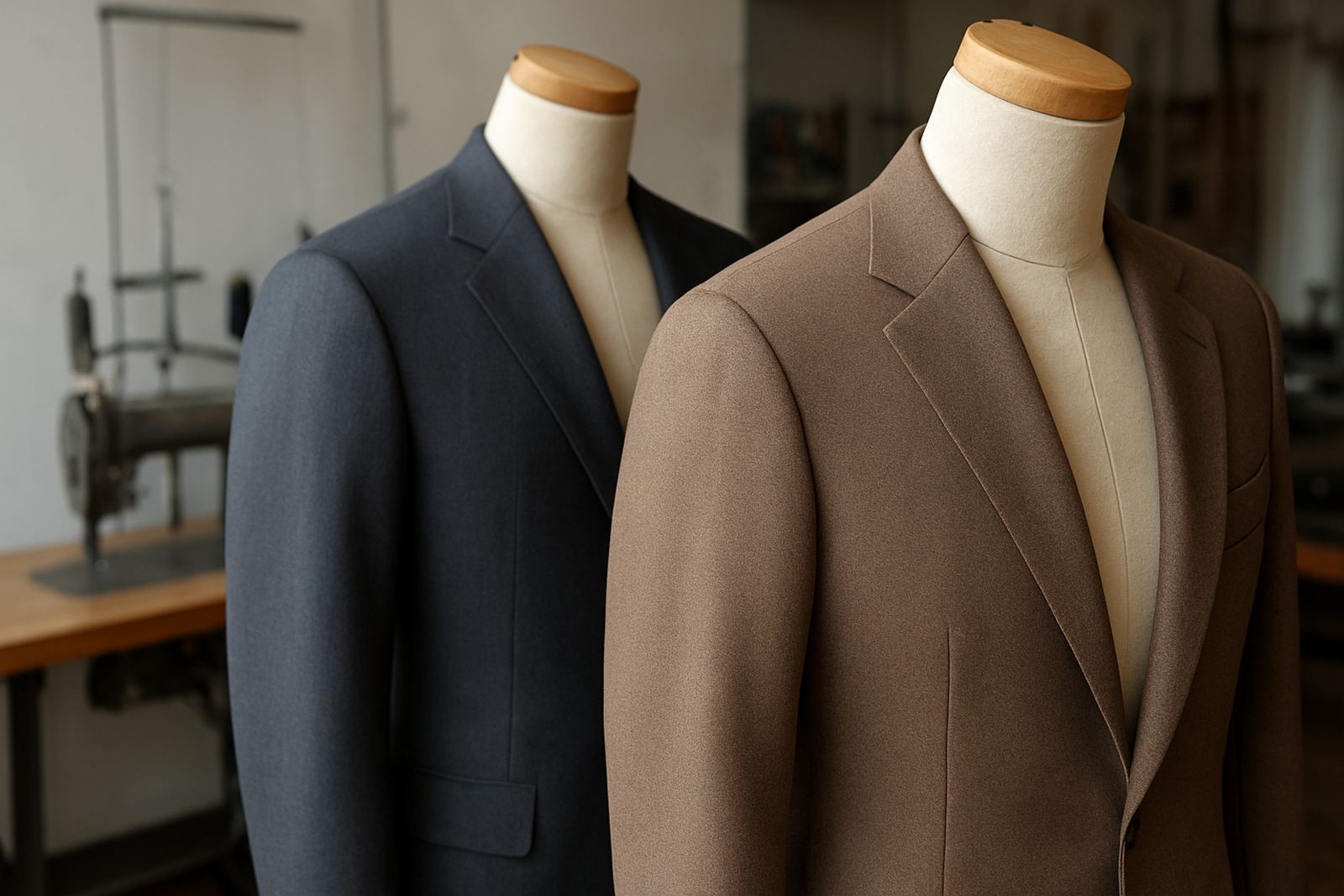
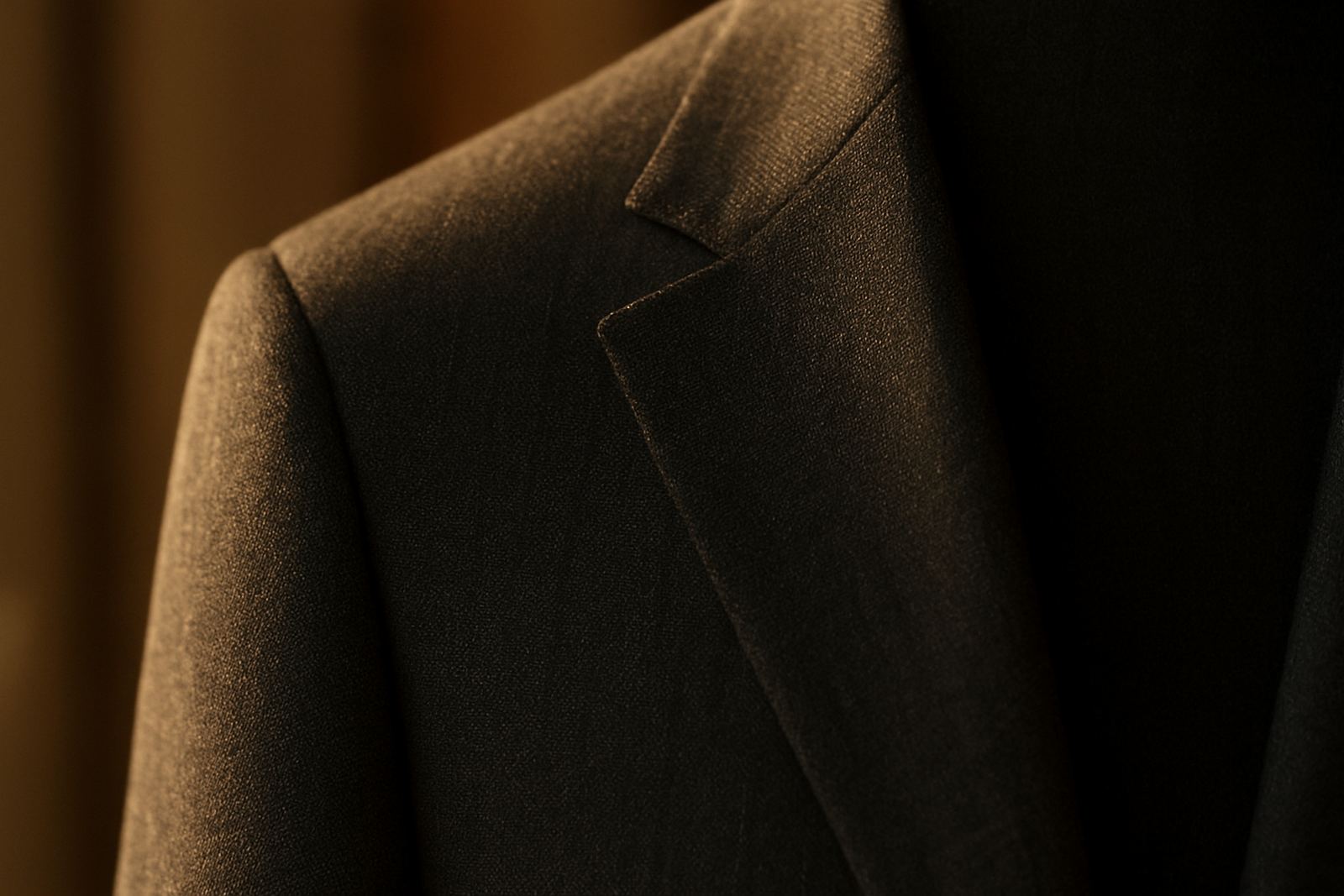
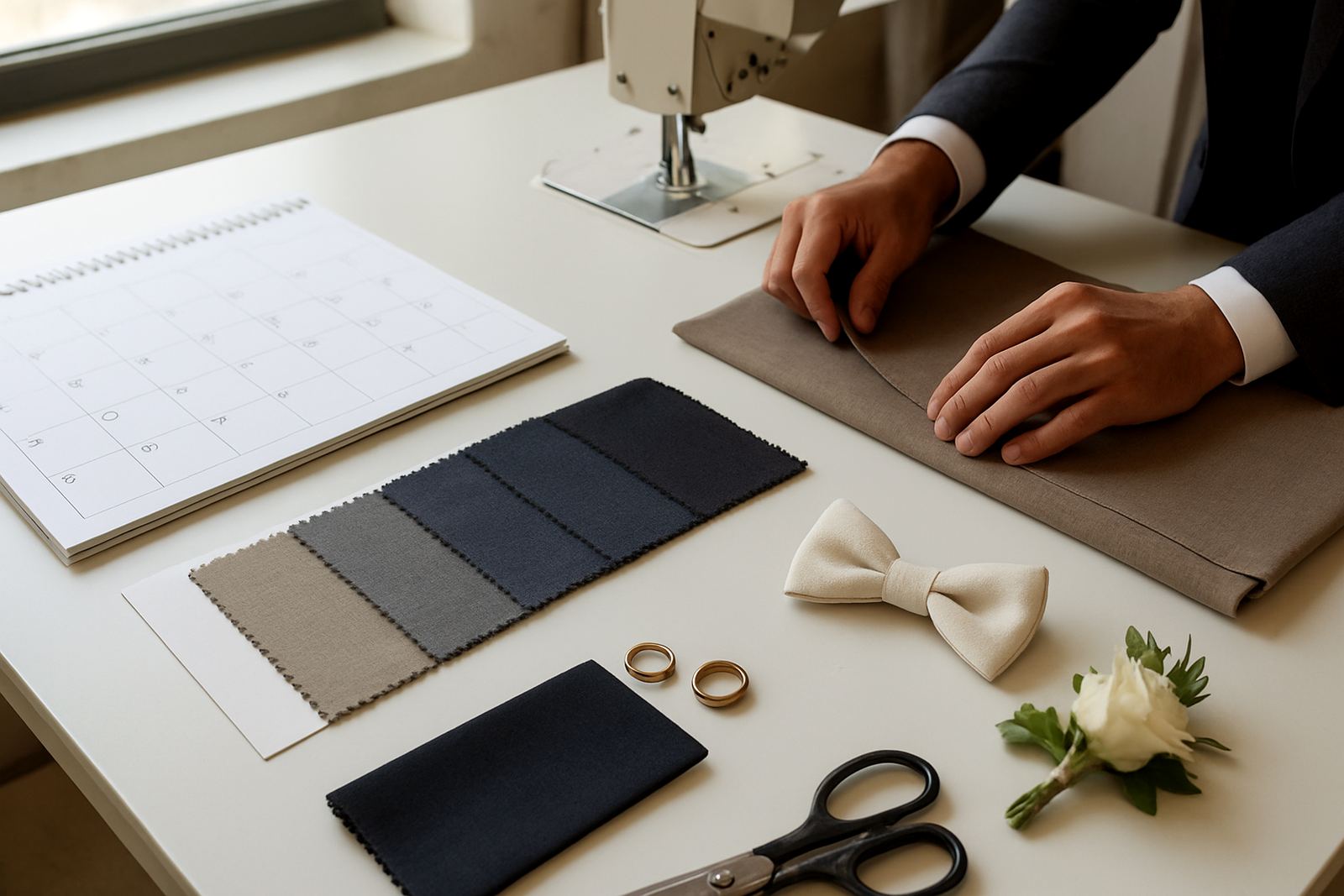
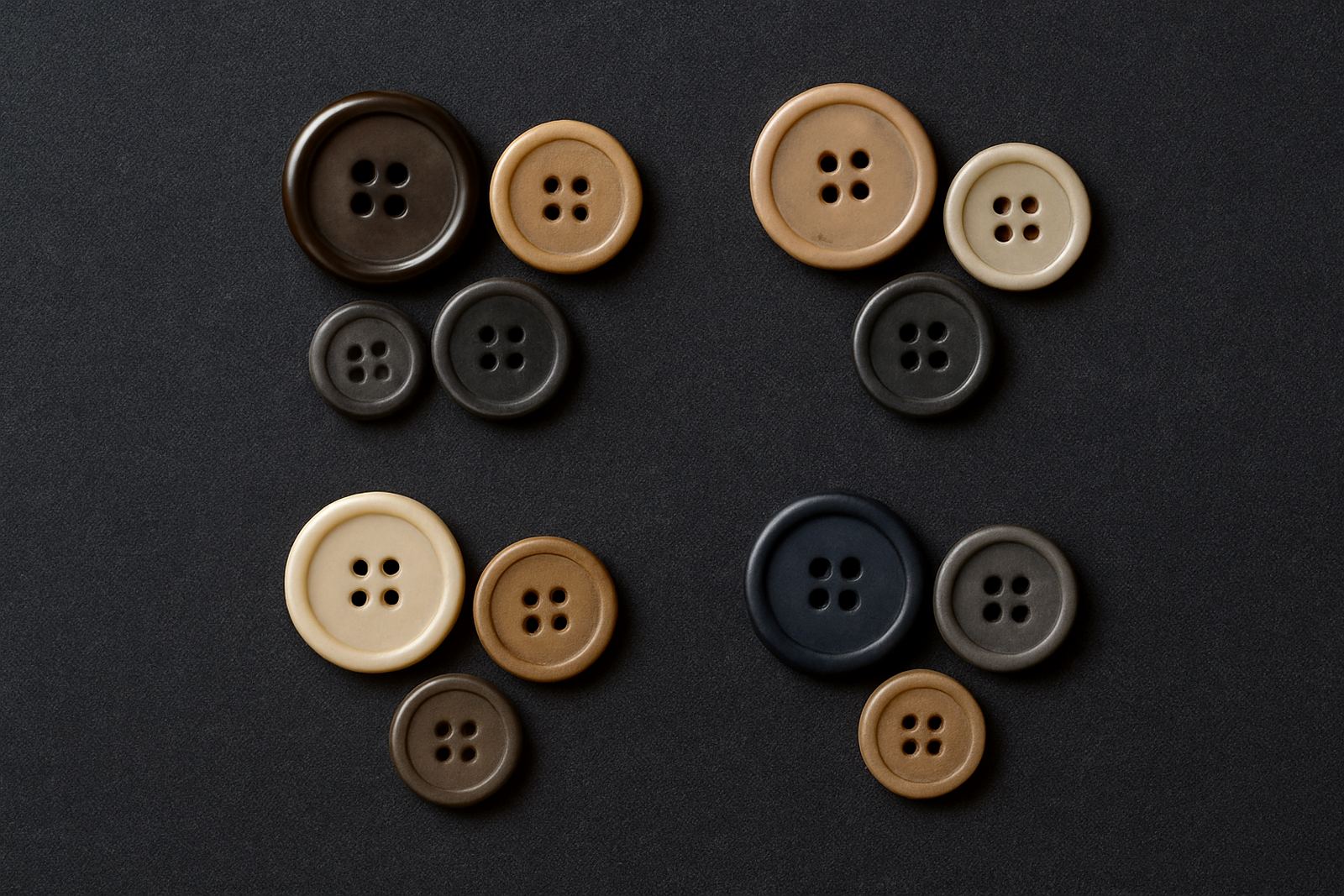
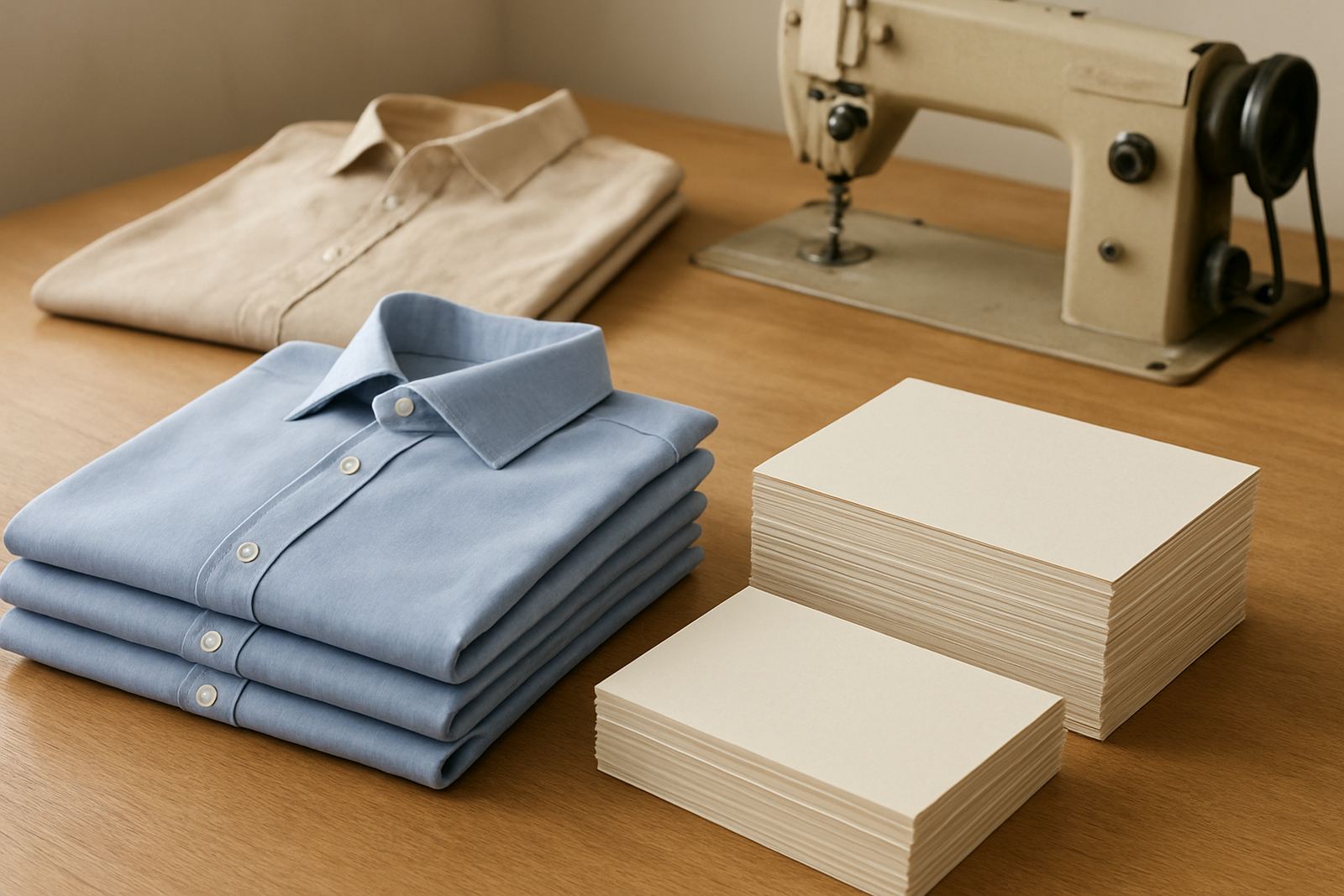
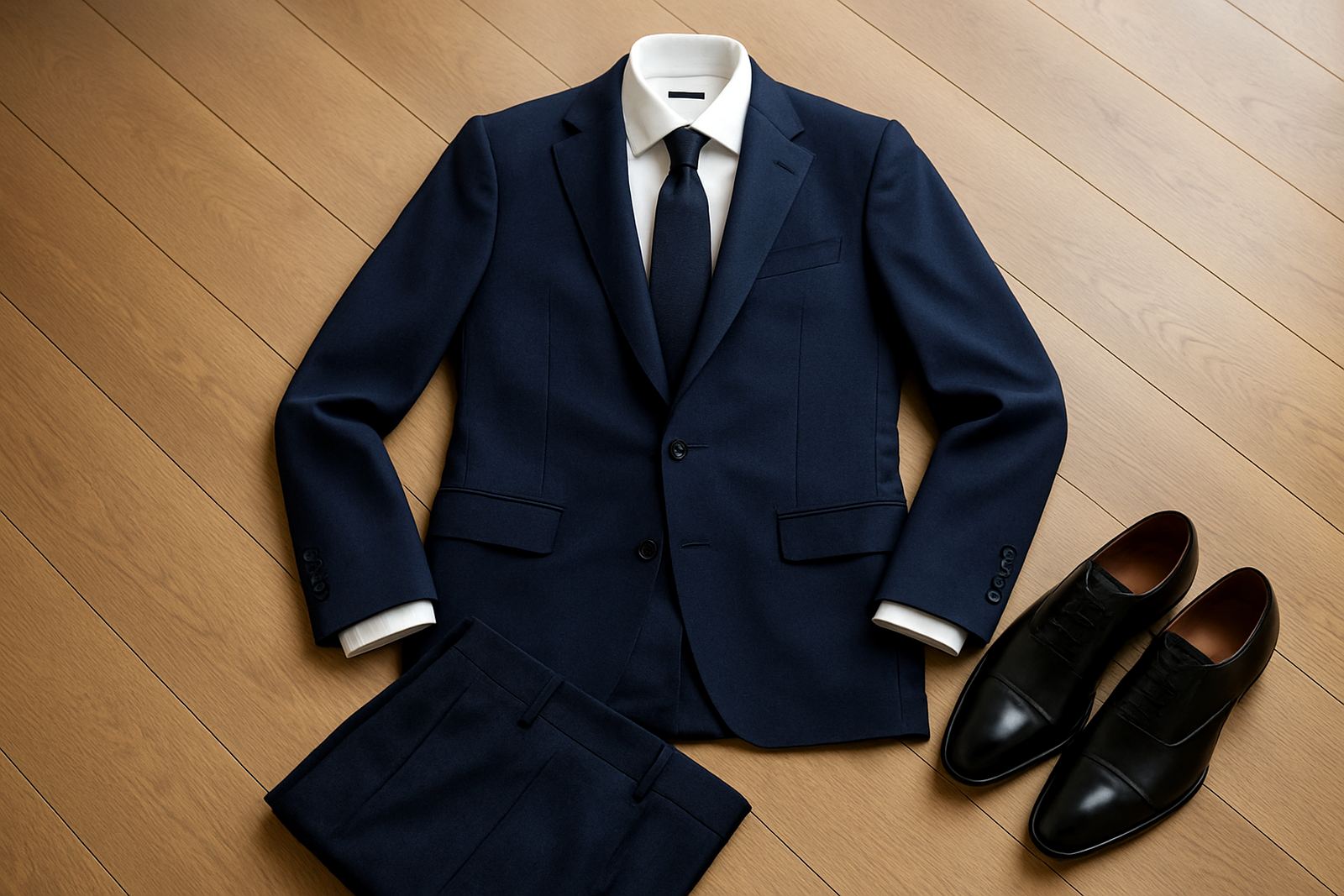
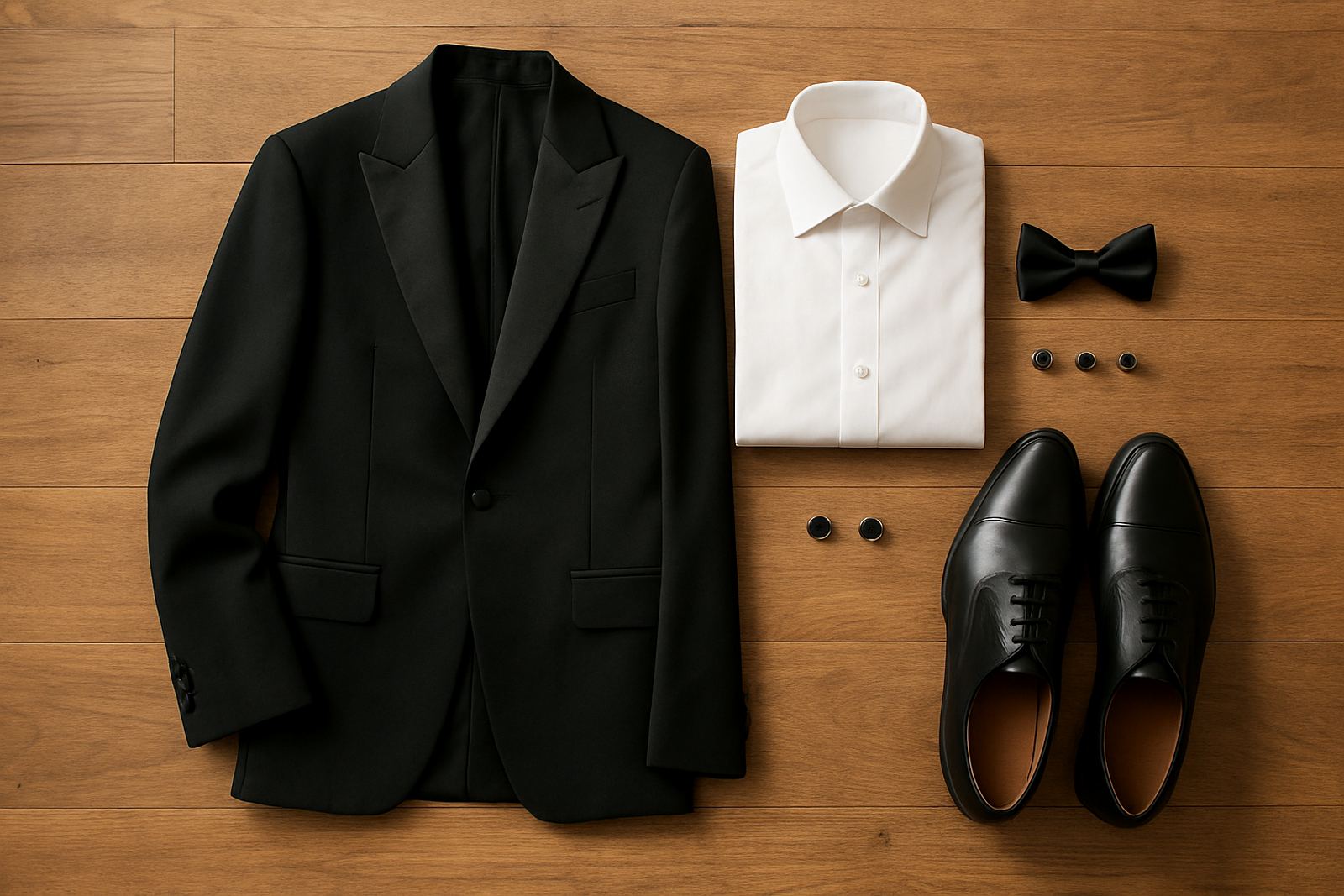
Different garments need different planning. Shirts are often the starting point for clients who want everyday polish, while suits usually involve more decisions around structure, lapels, lining and trouser cut. Wedding tailoring asks for a clearer timeline, because fittings, fabric choice and finishing need to line up with the event date. Corporate orders may require consistency across several people, which means careful coordination and cleaner record keeping.
If you are ordering for a team, a family group or a wedding party, the journal articles can help you decide what details to standardise and where to allow personal choice. That makes the process simpler for everyone and avoids last-minute changes.
Care, storage and keeping garments working hard
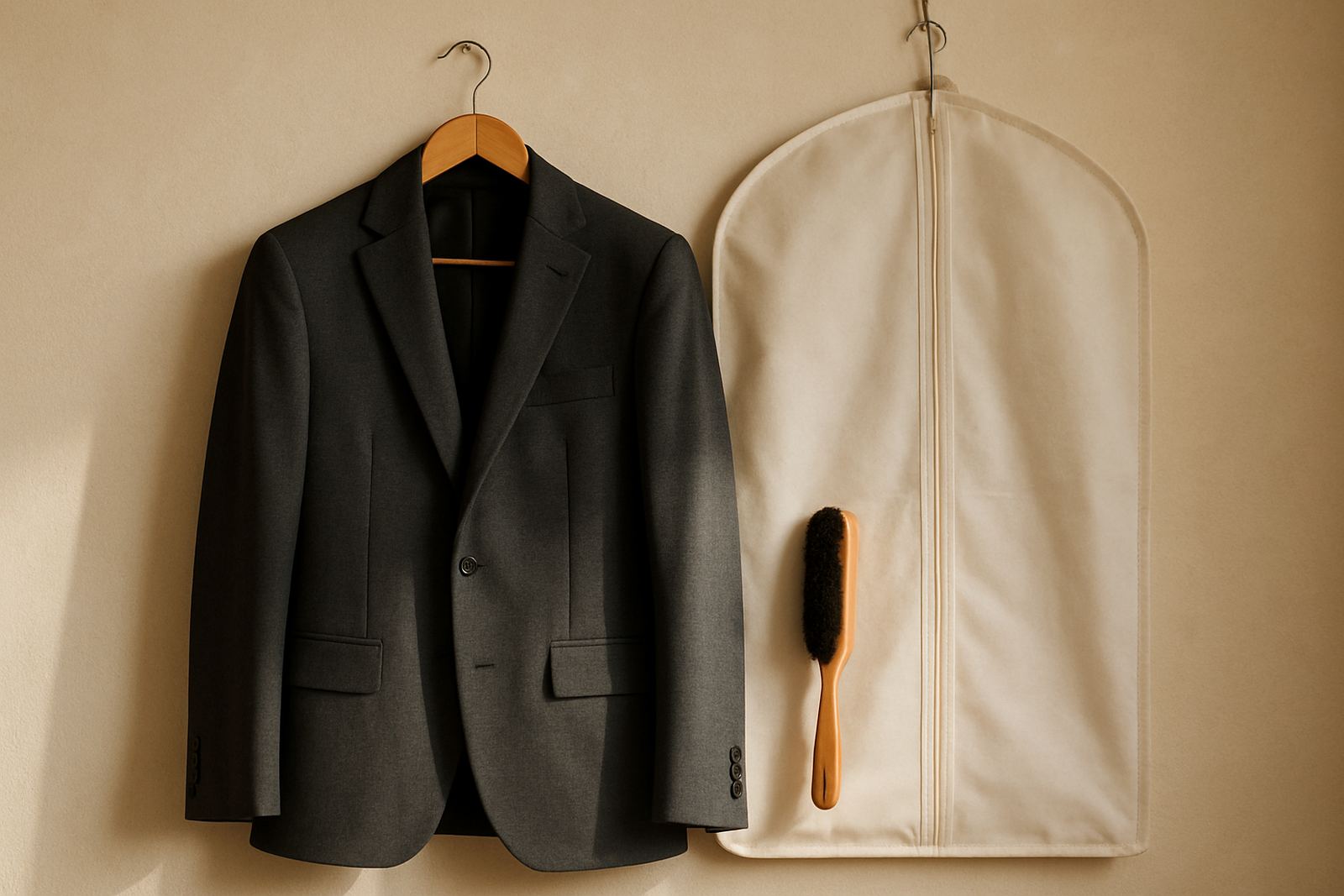
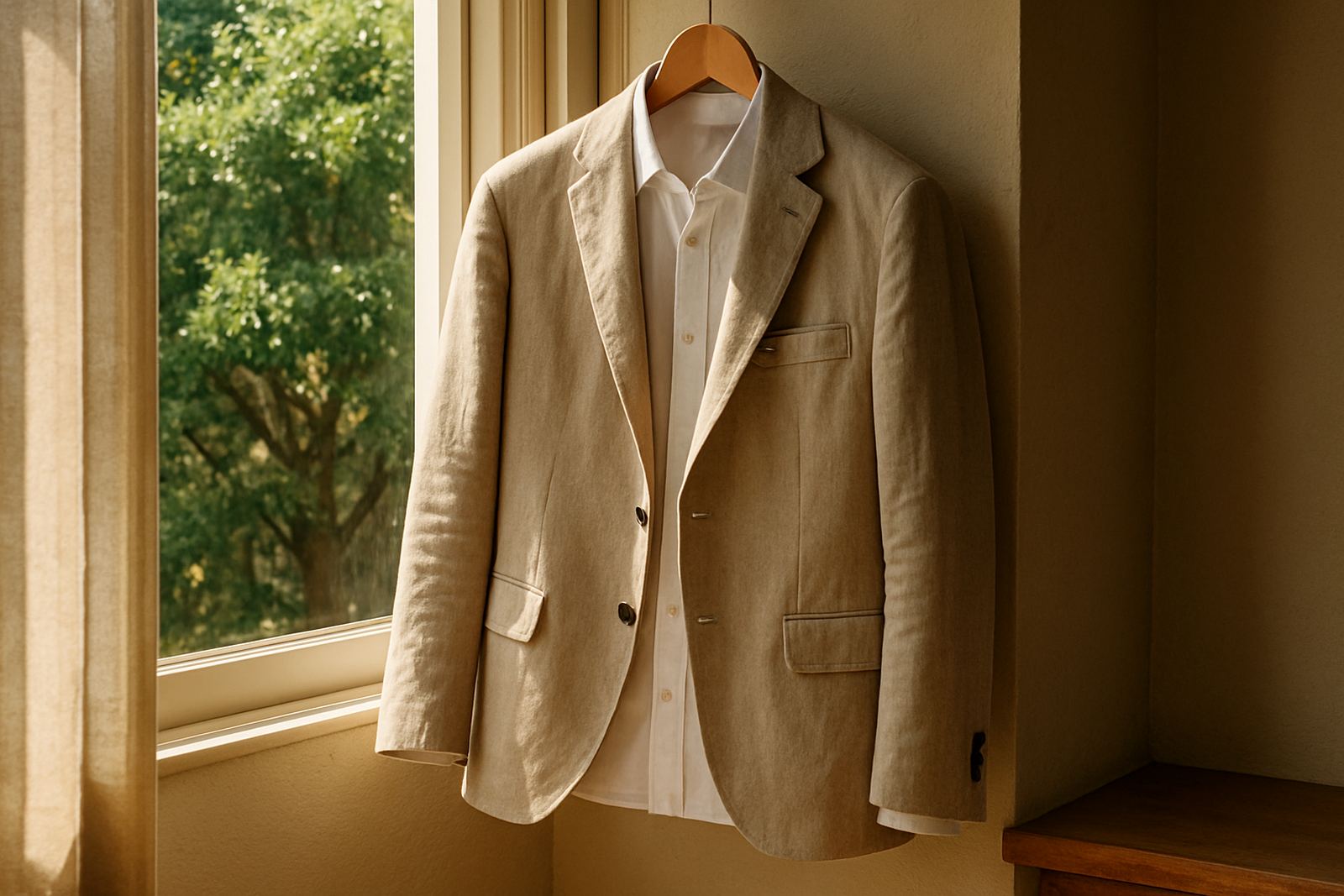
Tailored clothing lasts longer when it is cared for properly. That means hanging shirts and jackets on good hangers, letting garments air after wear, and storing them away from damp corners. In South Africa, this matters more than people think, especially in coastal cities where humidity can be high and in inland homes where seasonal dust is common. A little care prevents wrinkles, scent build-up and avoidable wear at seams and collars.
Our care notes also cover practical habits between wears. Brush suits lightly, avoid overloading garment rails and give pieces time to recover after travel. These are small things, but they help preserve shape and finish.
- Use proper hangers for shirts and jackets.
- Air garments before storing them after a full day out.
- Keep suits in a dry place, away from damp walls.
- Plan pressing around load-shedding and busy mornings.