

Start with the fit, then choose the cloth
A good made-to-measure garment starts with how you want it to sit on the body. Some clients want a neat profile with room to move, while others prefer a closer cut for the office, weddings or evening wear. If you are between sizes, or if your shoulders and waist do not match standard sizing, these guides will help you understand what can be corrected at the cutting stage and what needs a second fitting.
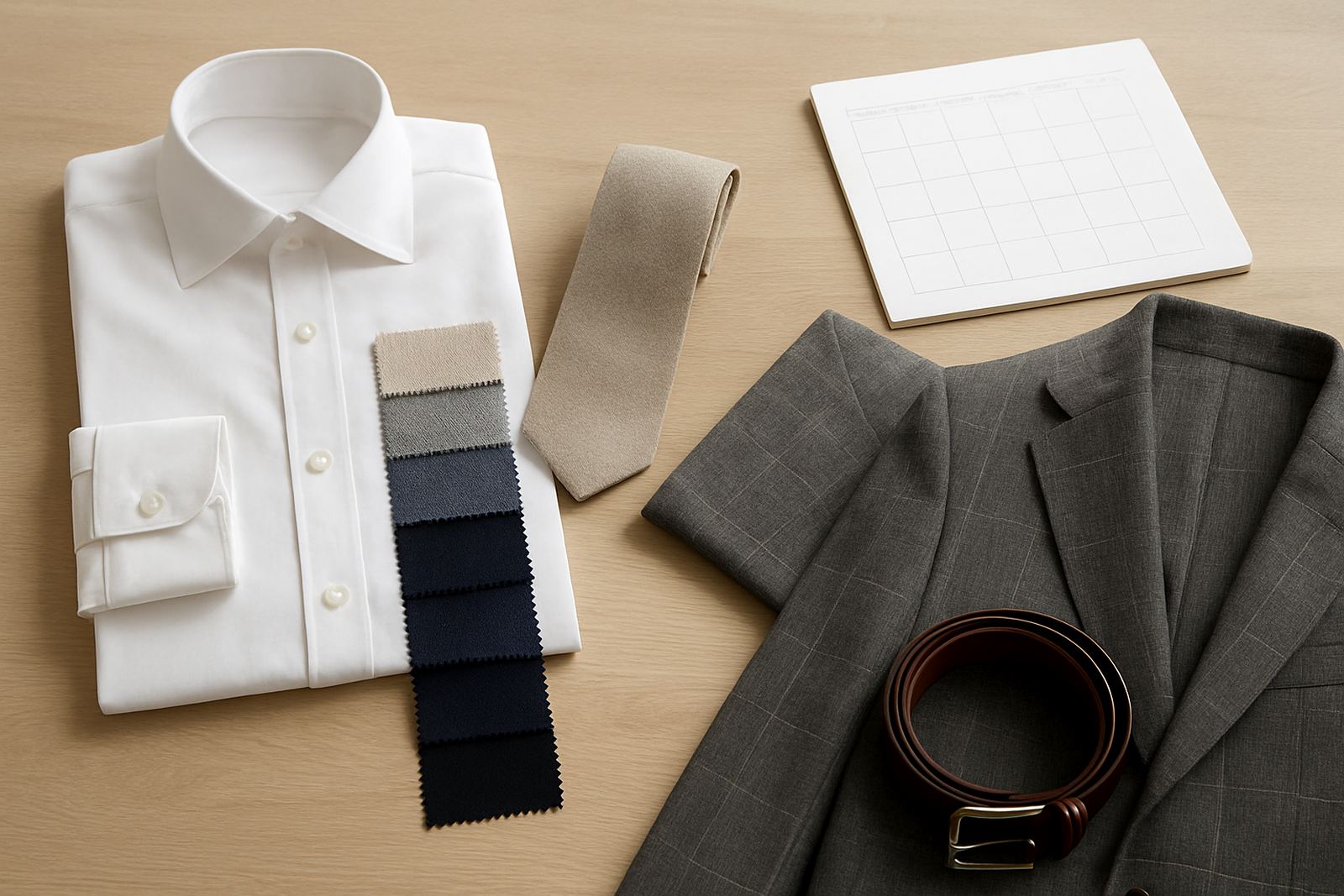
Once the fit is clear, cloth choice becomes much easier. A shirt cloth that works well in Joburg’s dry winter may not feel right for Durban humidity, and a suit cloth for daily wear will differ from one for occasional formal use. The right guide saves time and reduces back and forth, especially when you are ordering from outside Johannesburg.
Shirt fabrics for daily wear and travel
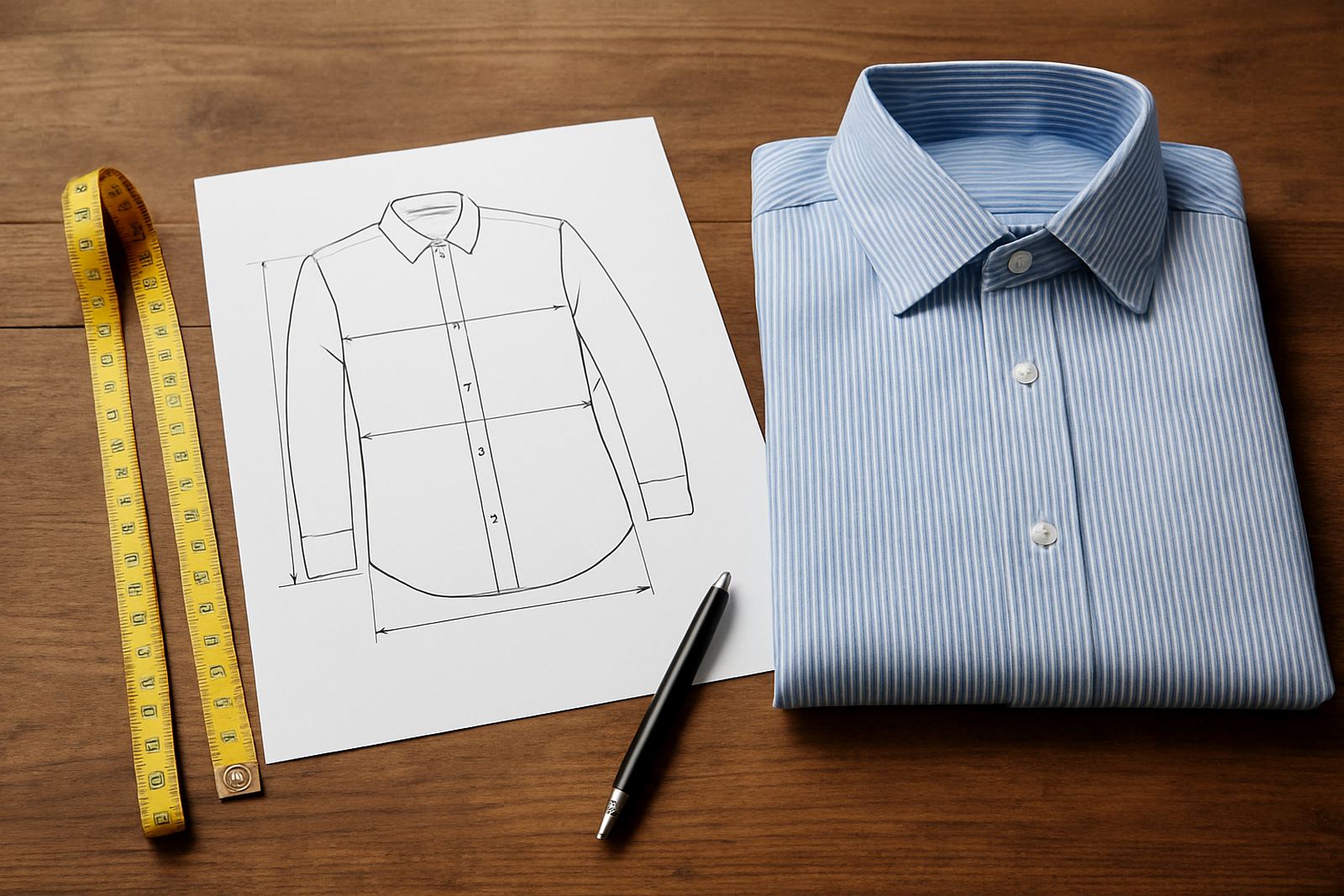
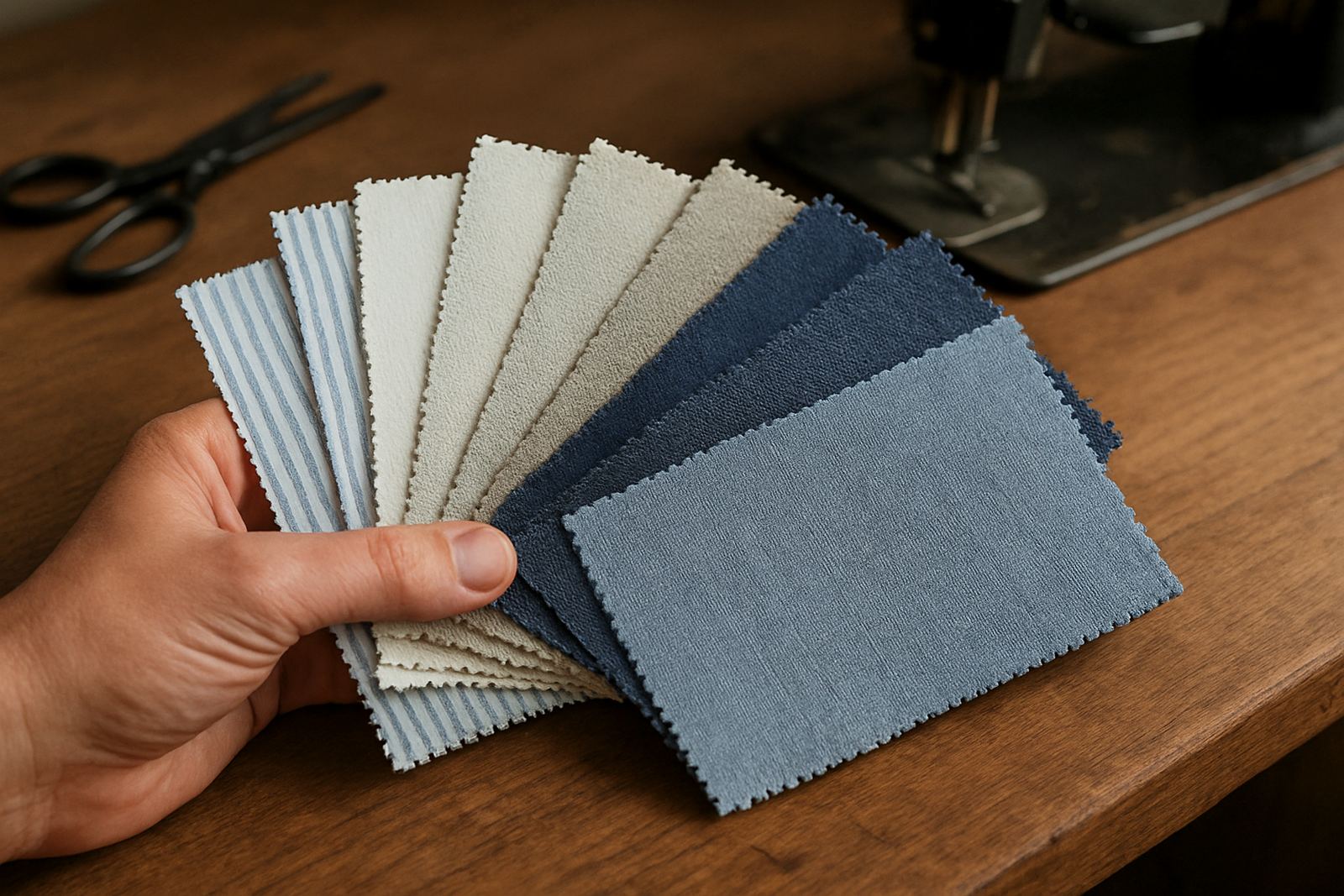
Shirts need to work hard. If you wear them for long office days, travel between Sandton and Pretoria, or courier them to another city, the cloth should handle creasing, washing and repeated wear. Lighter cottons are cooler in summer, while medium-weight shirting usually gives better structure and lasts longer in regular rotation. For frequent wear, look for cloth that presses cleanly and does not go limp after a few washes.
- Choose lighter cloth for hot days and layered dressing.
- Choose medium-weight cloth if you want a neater look through the day.
- Ask about collar stiffness, cuff style and pocket placement before the cut is made.
- For coastal wear, consider cloth that handles humidity and dries quickly.
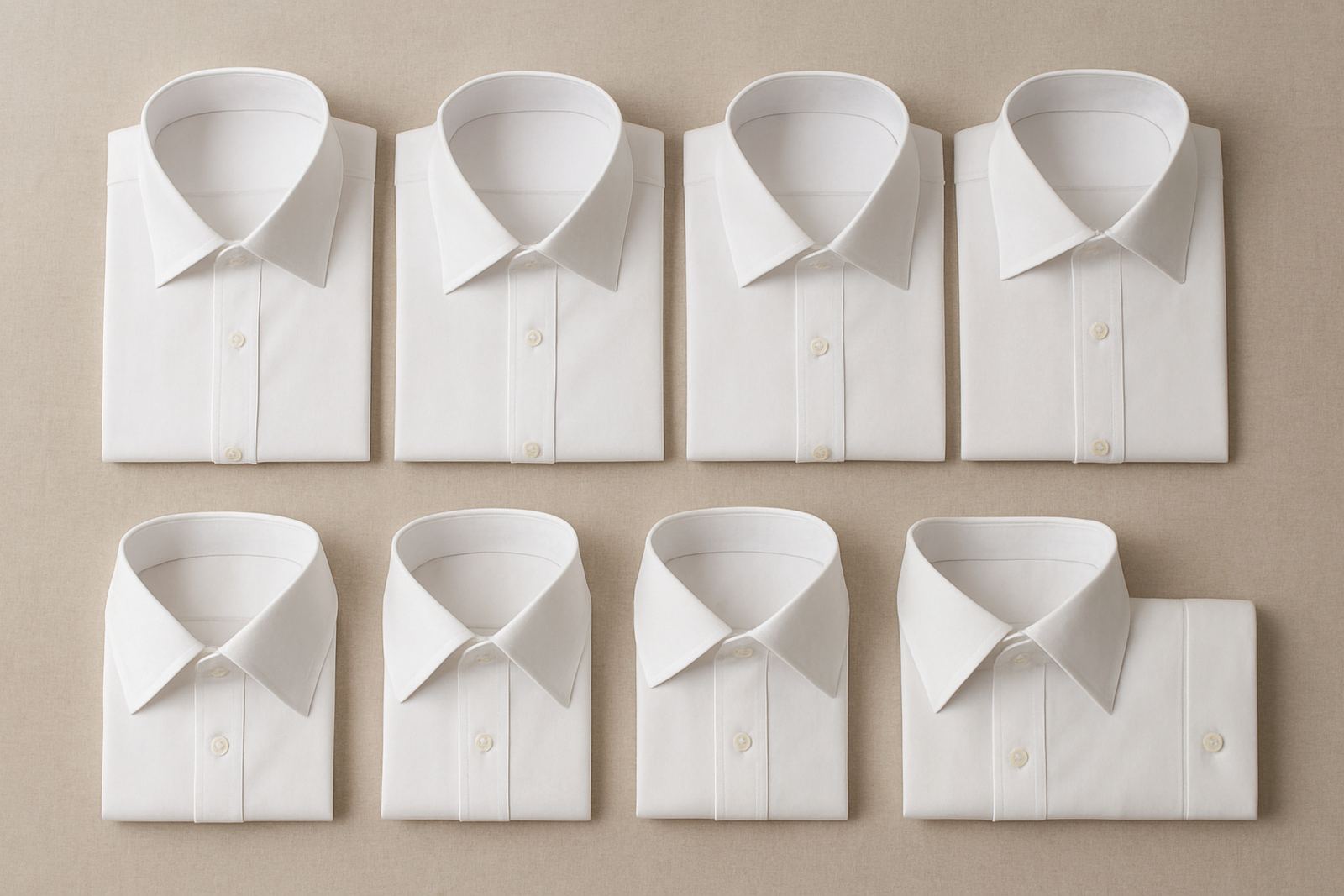
If you need shirts for work, weddings or repeat ordering, keep the pattern consistent and vary the colour range. That makes wardrobe planning easier and avoids ending up with five shirts that all serve the same job. A small note on shrinkage matters to, especially with natural fibres.
Suit cloth for work, weddings and formal events
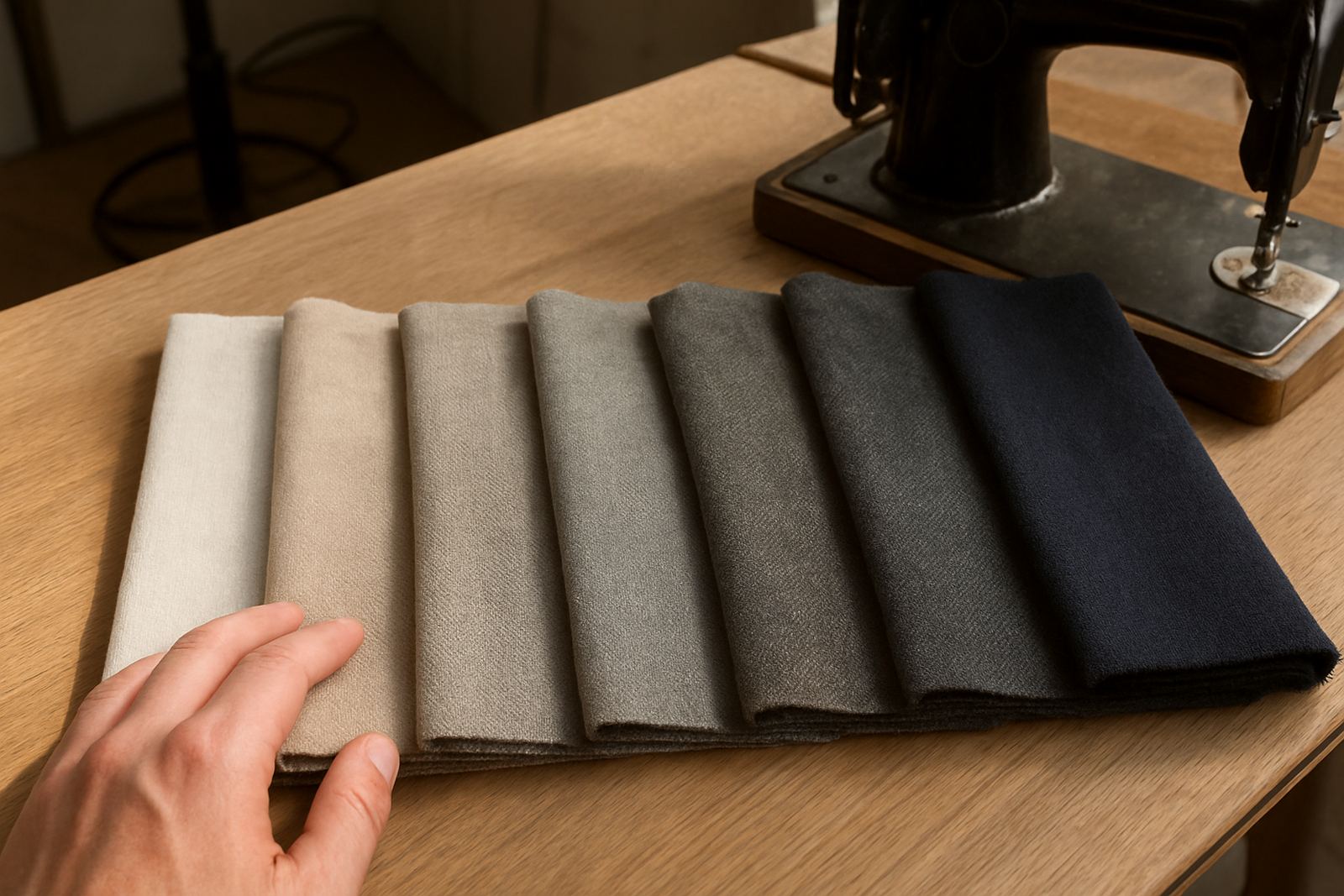
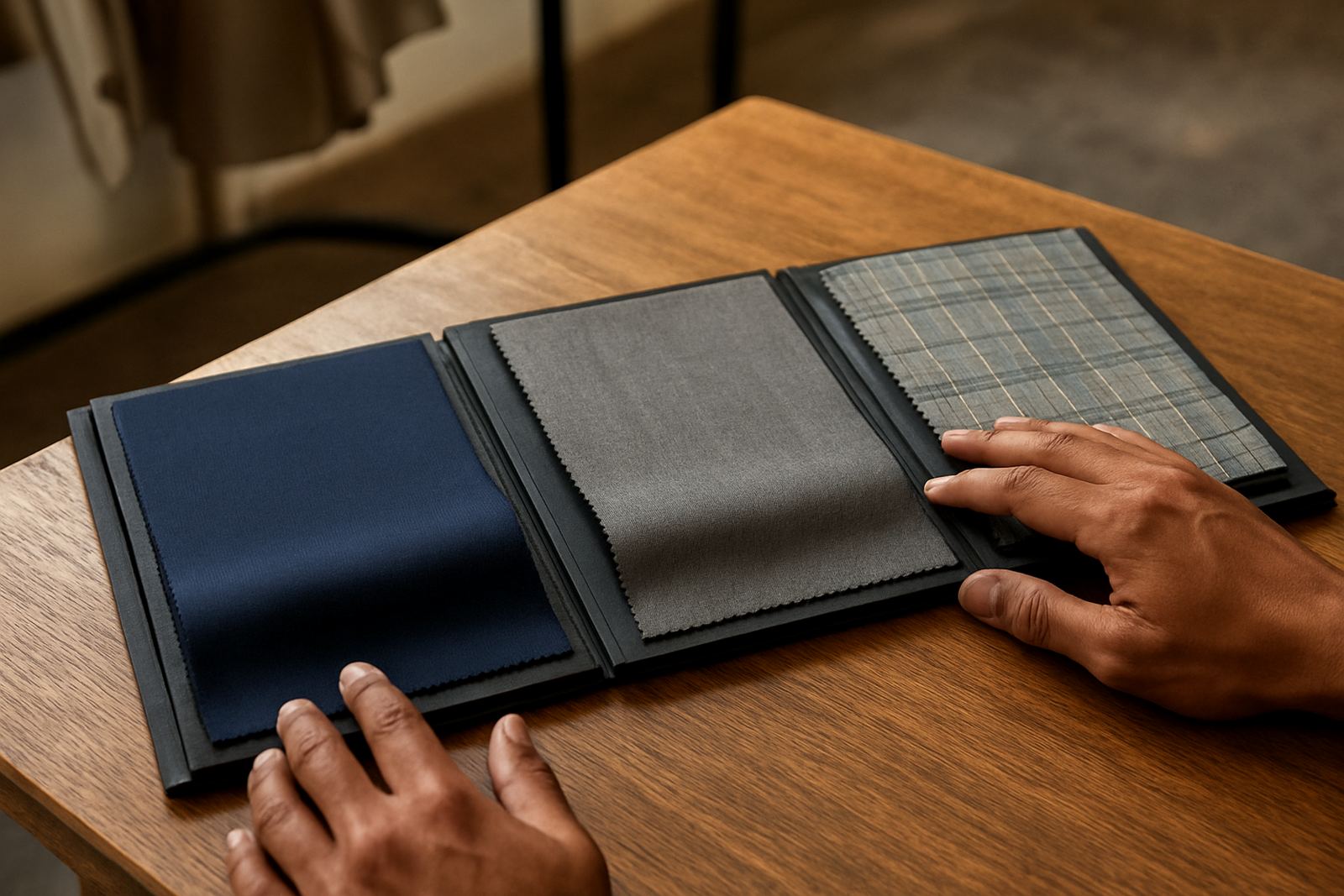
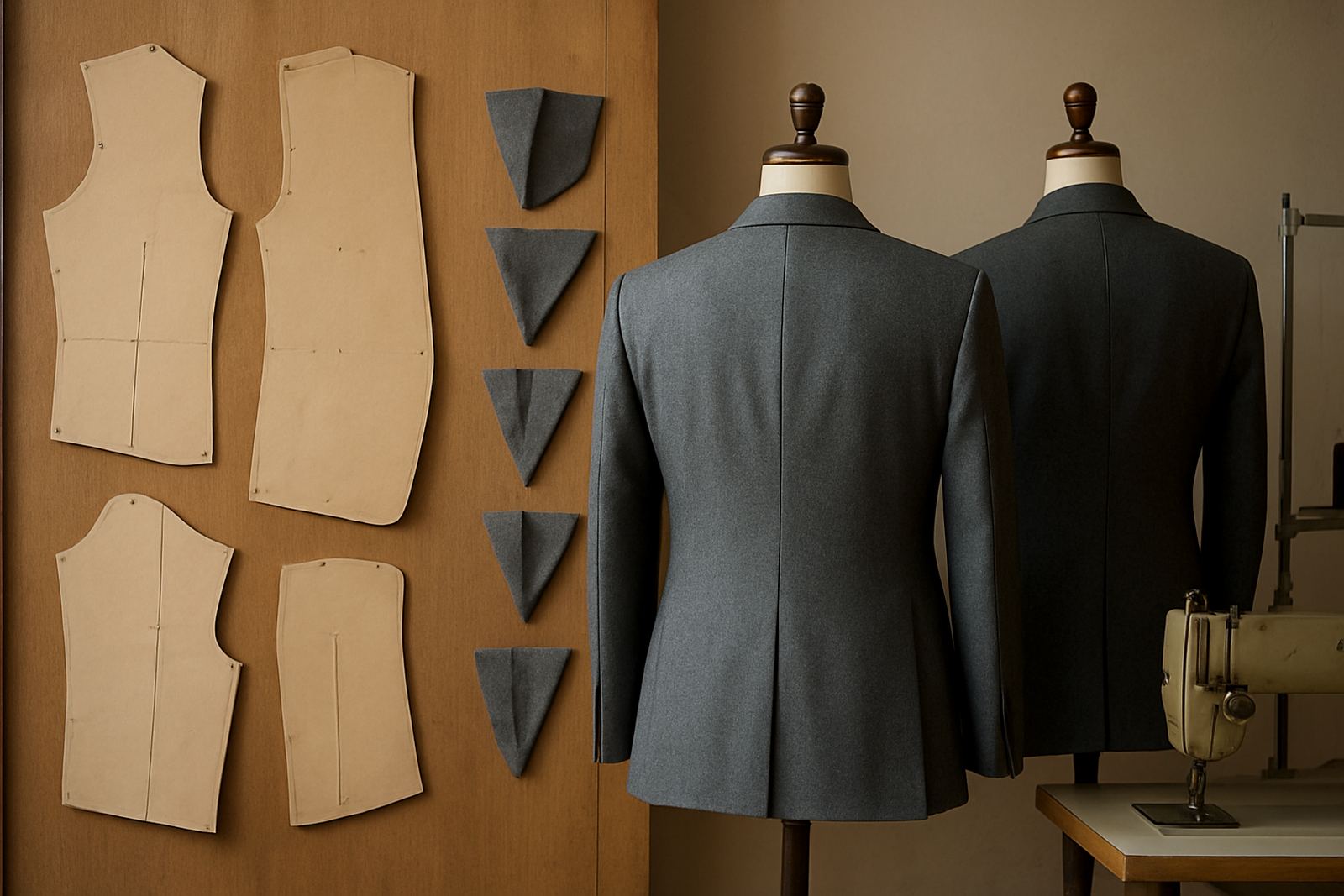
Suit cloth should match the purpose. A business suit for Rosebank or Sandton needs a different hand feel from a wedding suit for a summer ceremony in Cape Town. Weight, weave and drape all affect comfort and appearance. Lighter cloth is useful in warmer cities, while slightly heavier cloth often holds shape better for cooler months and longer wear. The right lining and finishing choices matter as much as the outer fabric.
- For daily office use, choose cloth that resists shine and keeps its shape.
- For weddings, consider how the cloth will look in natural light and photographs.
- For coastal areas, ask about breathable lining and better moisture handling.
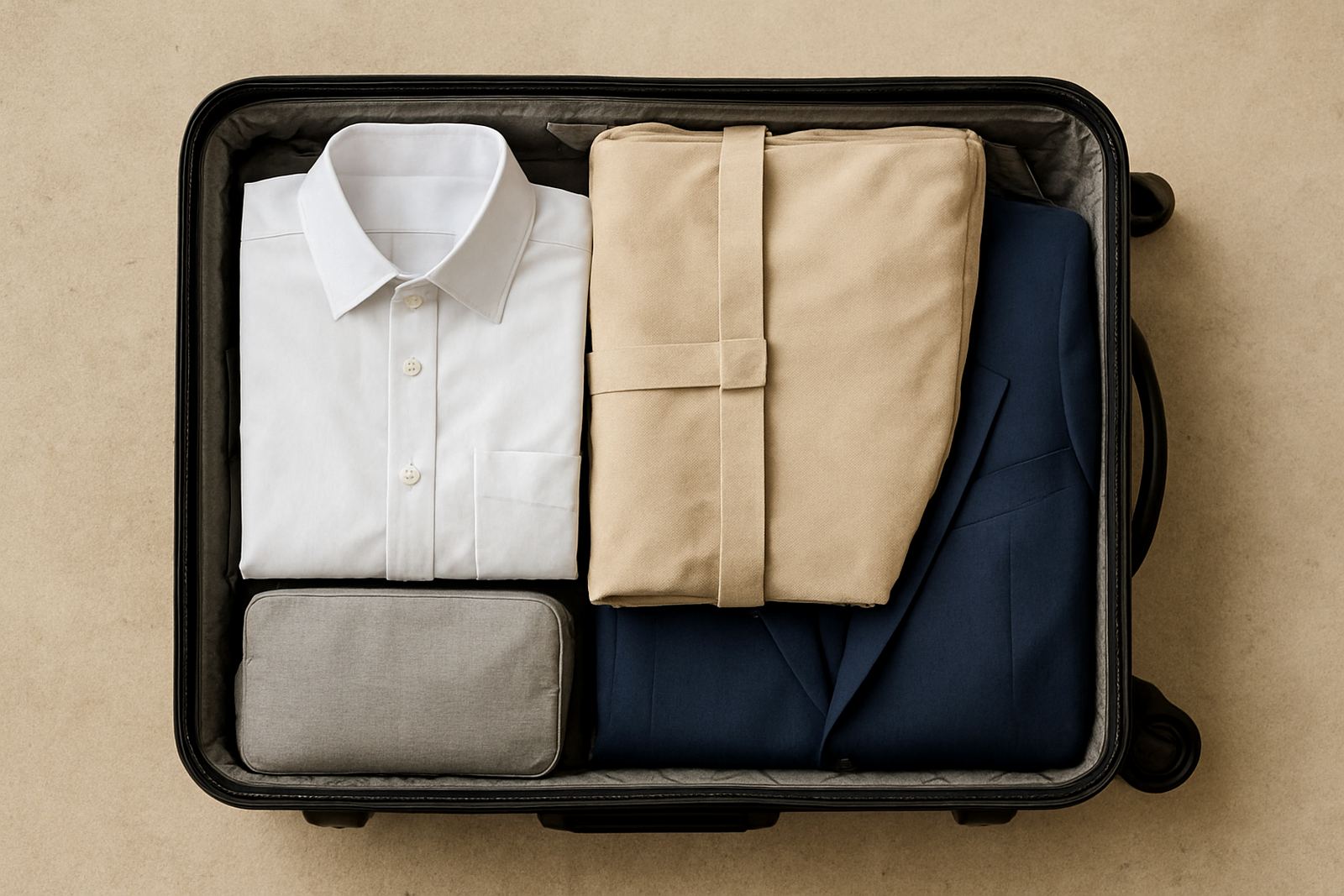
- If you travel, select cloth that packs well and recovers after hanging overnight.
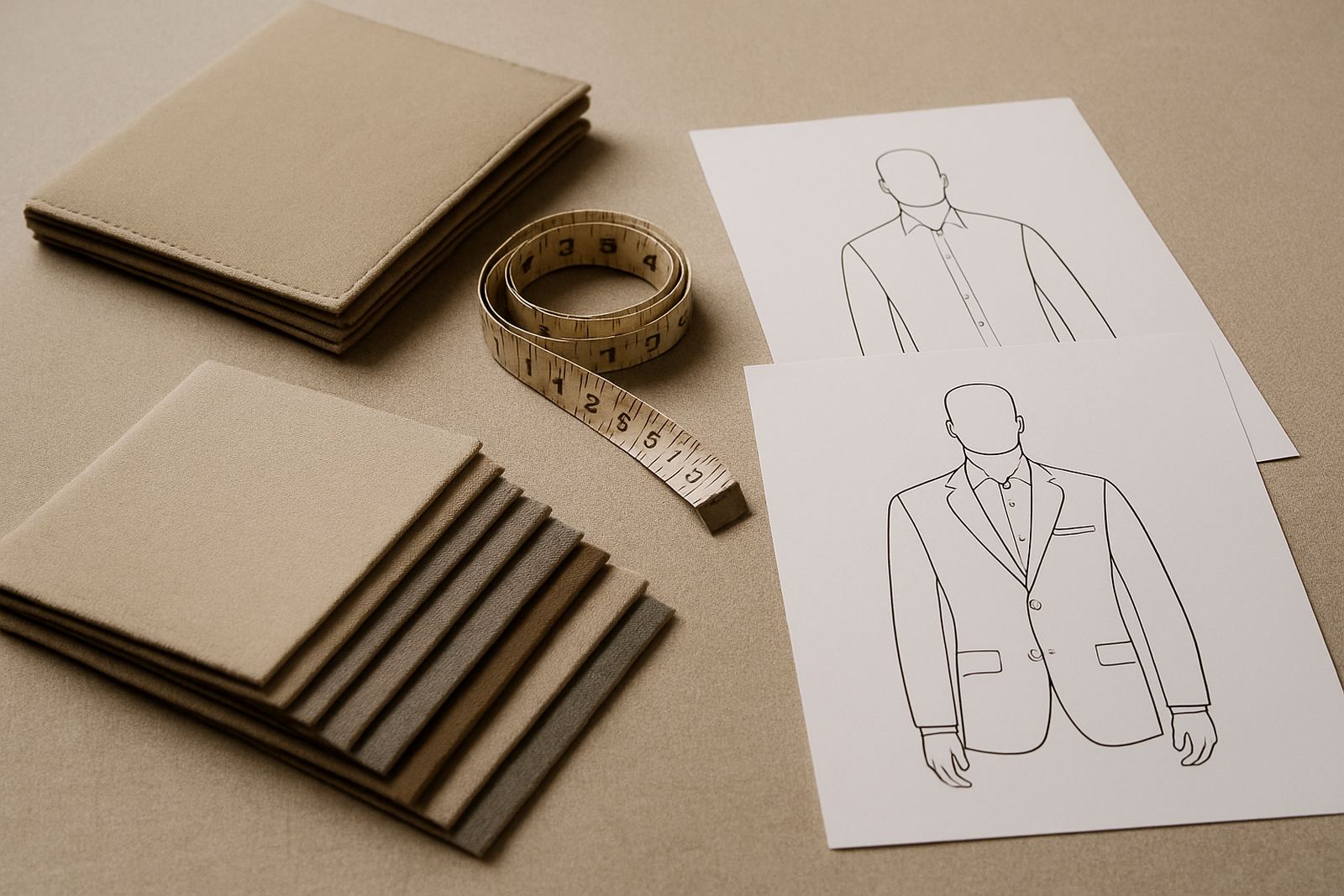
We often help clients compare two or three cloth options side by side, because the differences are easier to judge in person than on a screen. That is useful when you need a suit that works across seasons and not just for one event.
How the fitting process works from first measurement to final finish
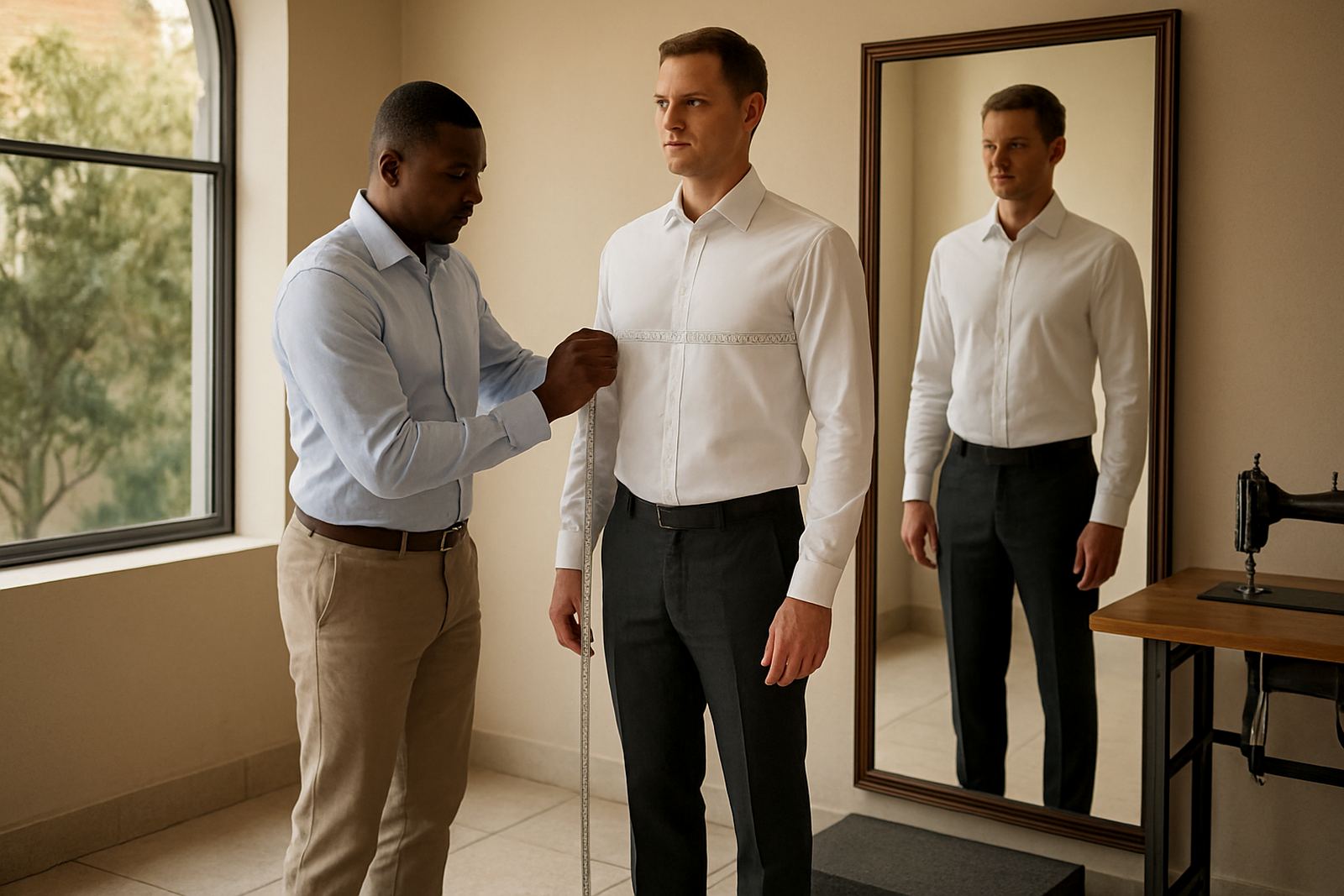
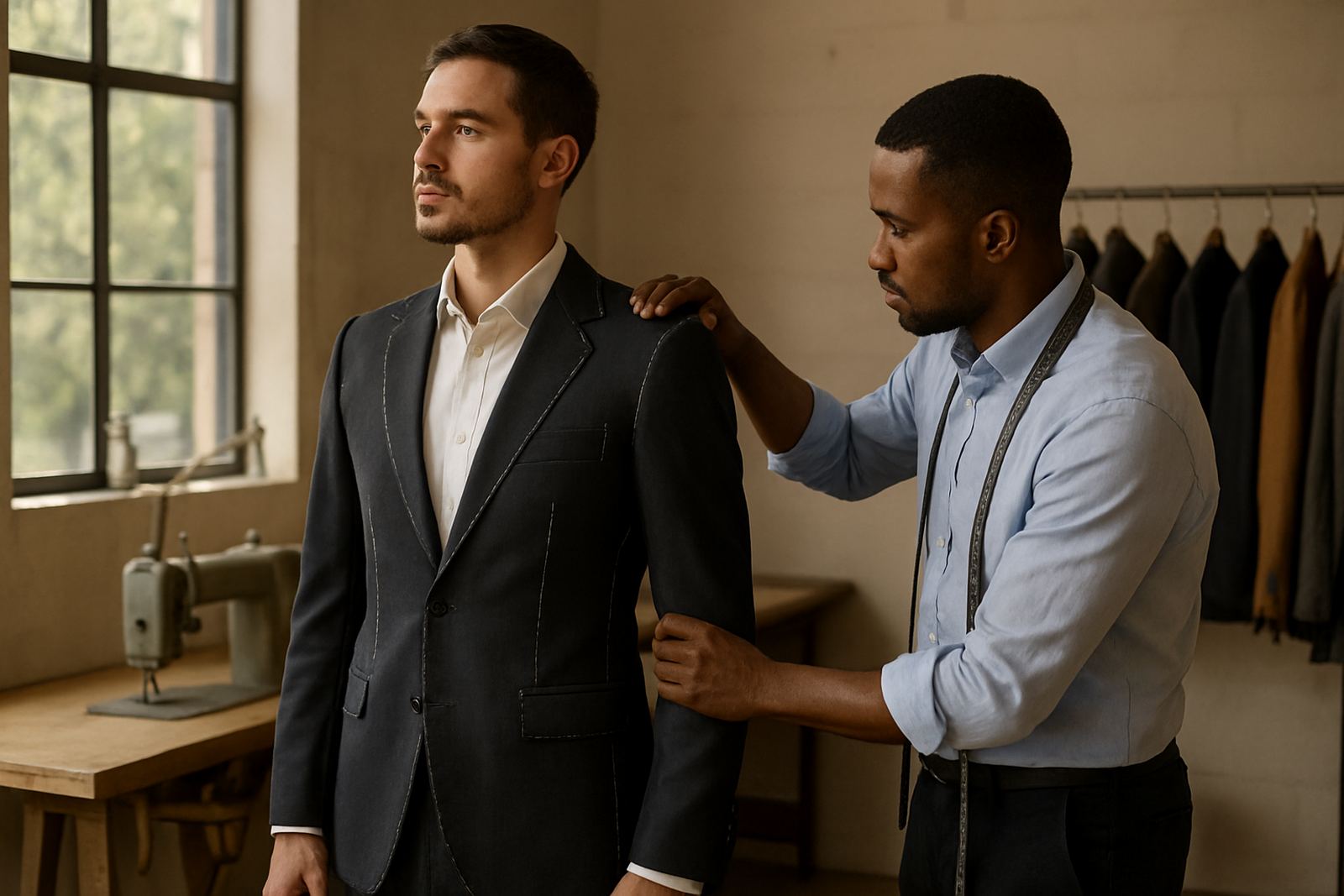
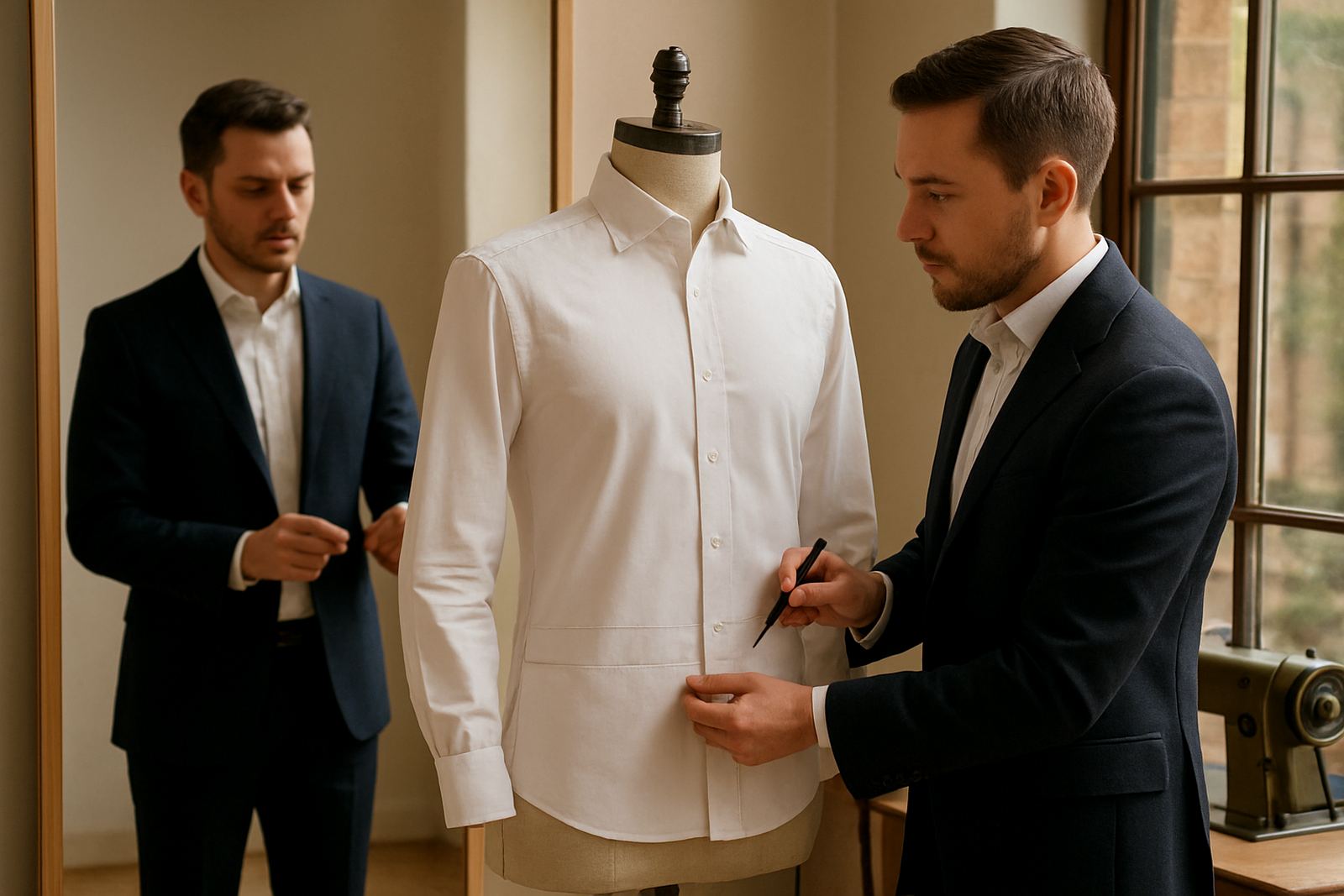
Every order starts with measurements and fit notes. From there, the team checks posture, shoulder balance, sleeve length and the way the body carries weight through the chest and waist. A studio fitting gives you a direct check in Rosebank, while online fitting works well for clients in Pretoria, Durban, Cape Town and nationwide. The process is structured, but it still allows for useful details like a higher button stance, extra room at the seat or a slimmer cuff.
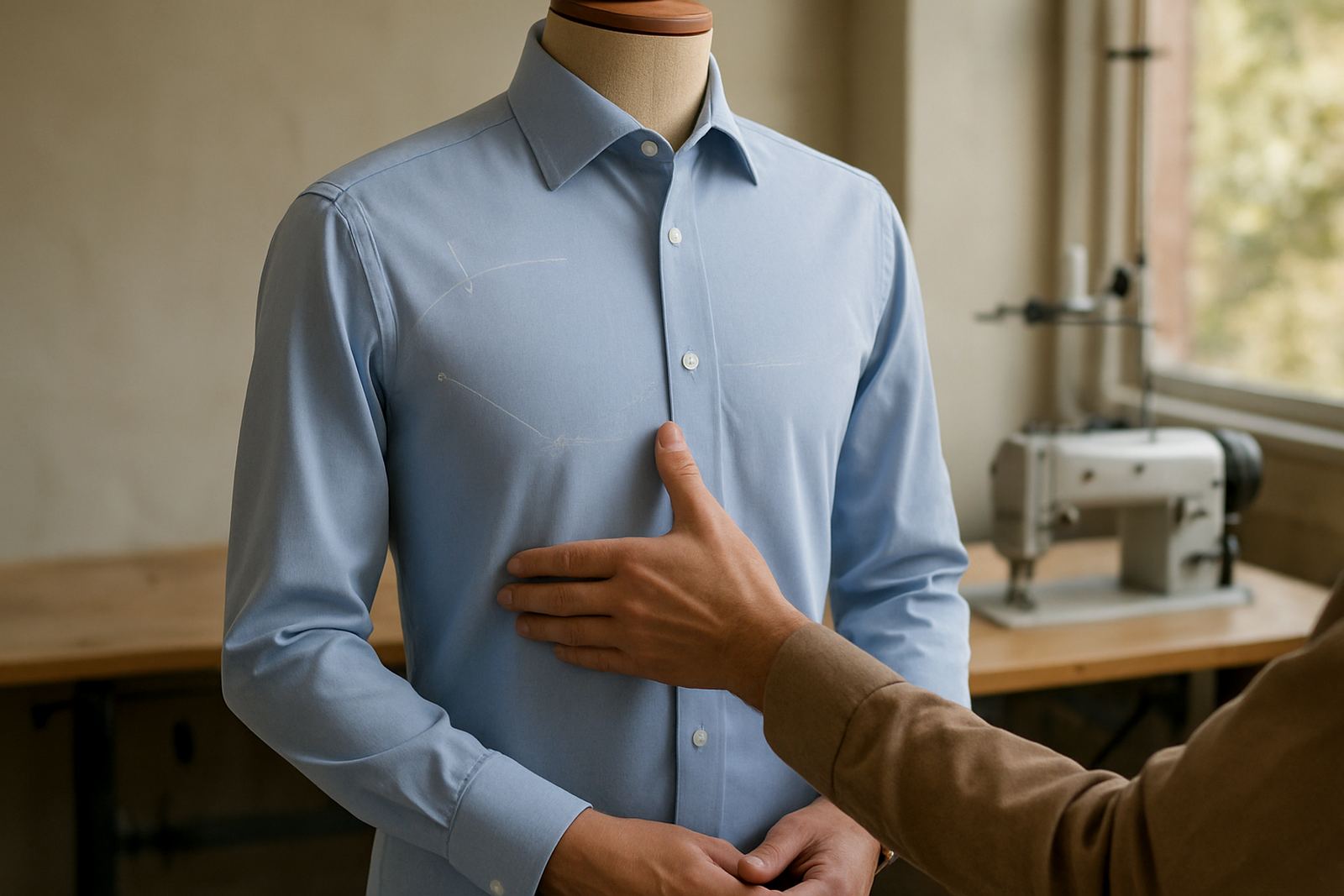
After the first cut, the garment is prepared for review and any refinement that is needed. This stage is where small adjustments make a big difference. If a client has had poor luck with off-the-rack clothing, this is usually where the change becomes clear. The goal is not just a better fit, but a cleaner overall line.
Timelines, courier delivery and repeat orders
Timing depends on the garment, cloth availability and the fitting route you choose. Wedding tailoring and first-time suit orders generally need more lead time than repeat shirts. If you are ordering for a business trip, a ceremony or an annual event, plan ahead so there is room for measurements, production and any small refinements. This avoids last minute pressure and keeps the process calm.
- Allow extra time for wedding wear and large corporate orders.
- Repeat orders are faster when your previous fit record is still current.
- Courier delivery is available for clients across South Africa.
- If you live near the coast, hang garments properly after delivery to prevent damp smell.
Clients in Midrand, Randburg and the northern suburbs often prefer to combine their fitting with a wardrobe refresh, while out-of-town clients usually work through courier and clear written notes. The process is simple, but it helps to stay a step ahead of your calendar.
Use the guides to plan shirts, suits and wardrobe updates
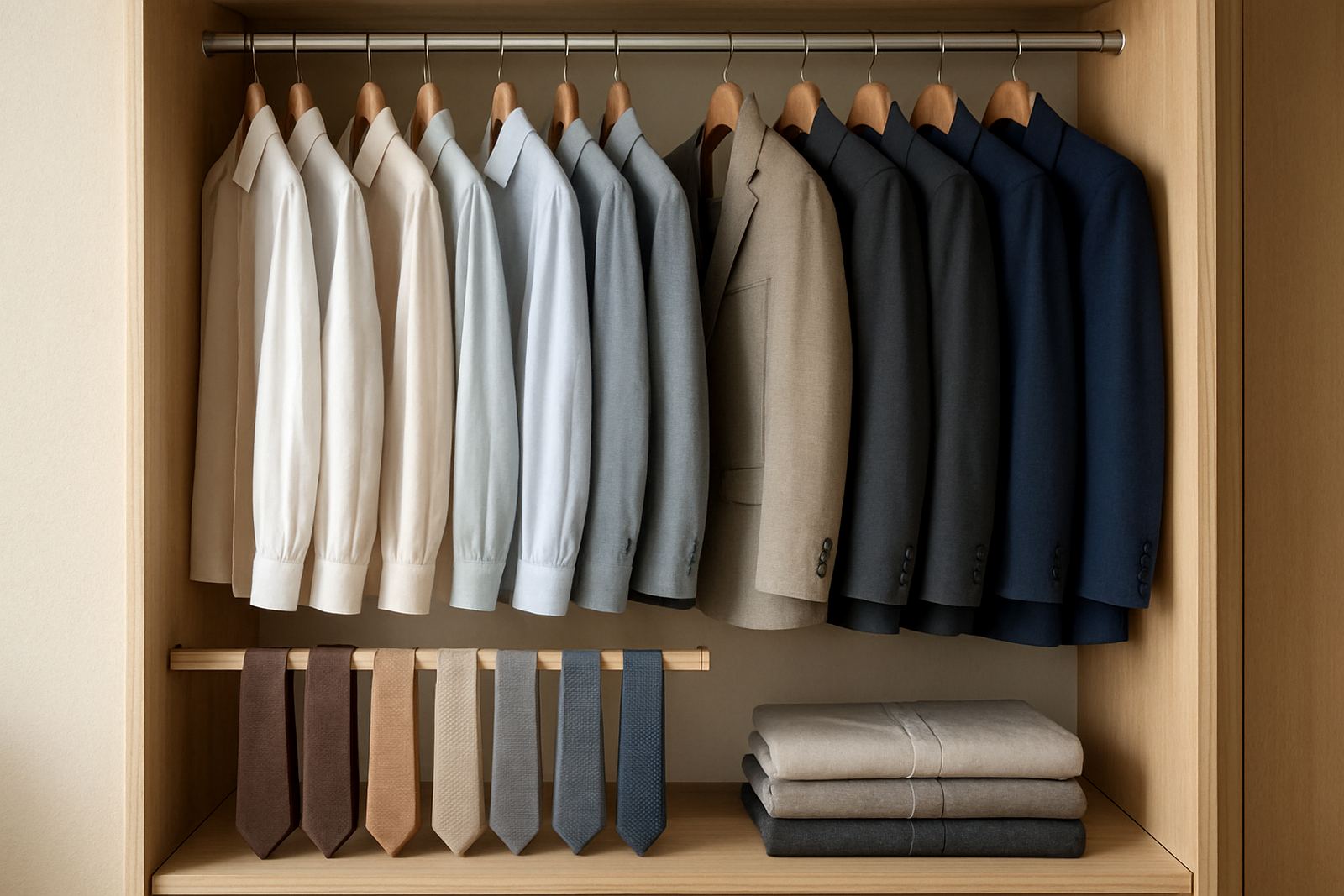
These guides are most useful when you are deciding what to order next, not just what looks good today. A well-planned wardrobe usually starts with two or three shirts that cover work, formal events and smart casual wear, then moves on to a suit that suits your routine and your climate. If you already know you need alterations, the guides also explain what can be refined and what should be recut.
For clients in Johannesburg and across South Africa, this is the easiest way to order with confidence. Read the guide that matches your need, then send your enquiry through the contact page when you are ready. We will help you narrow the options and keep the process practical from first measurement to final handover.