Fit starts with the shoulder, not the price tag
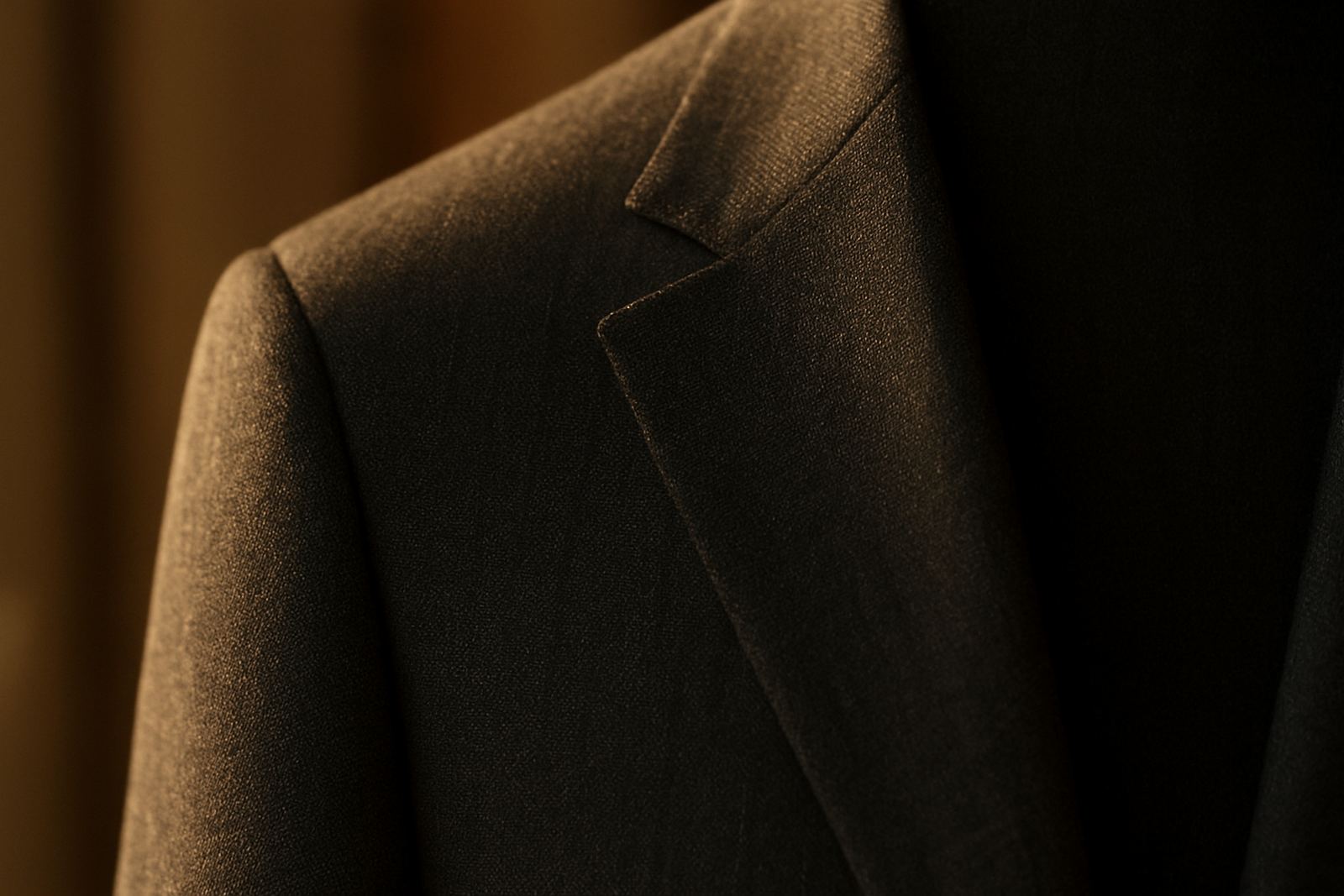
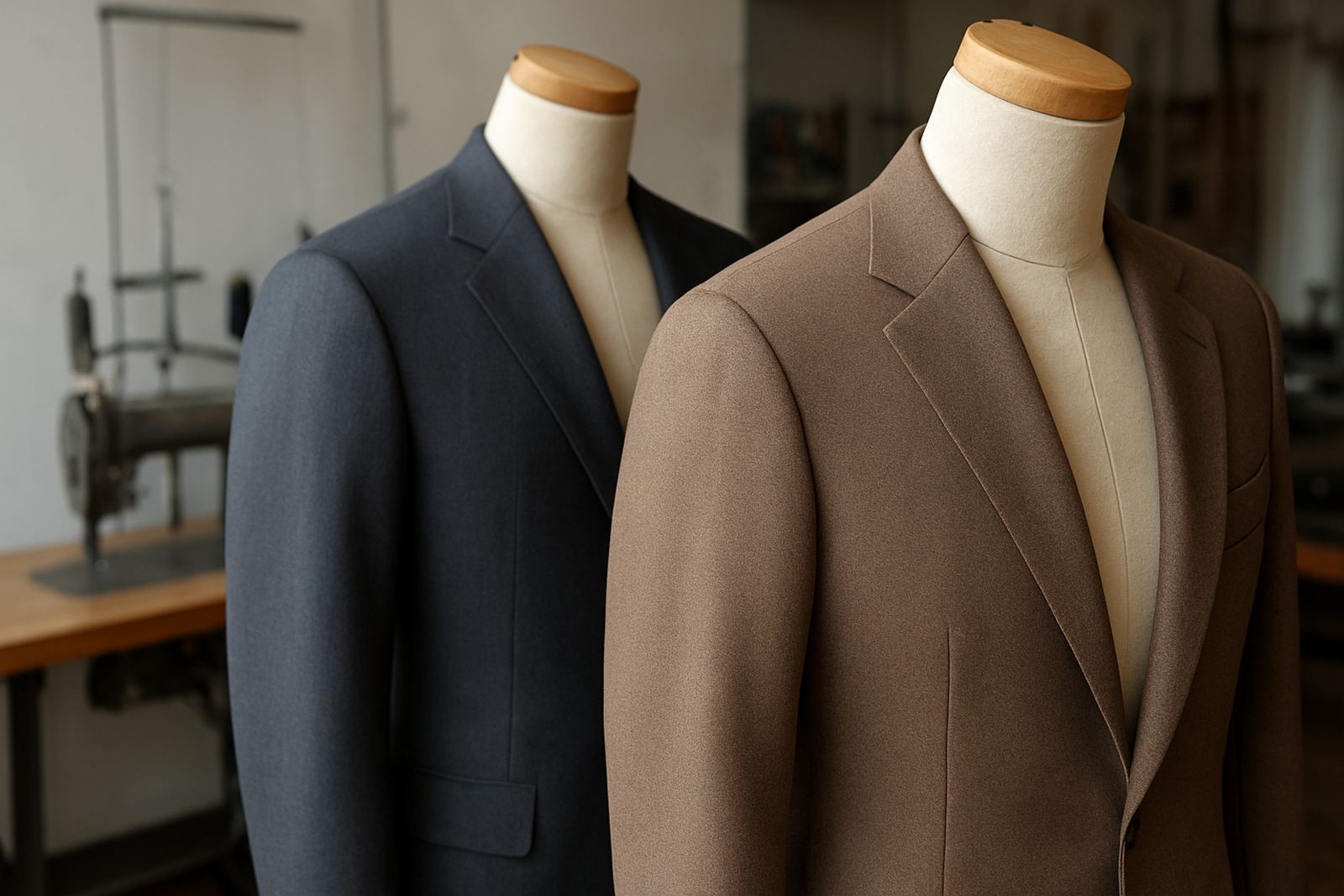
Many people judge a shirt or suit by fabric first, but the shoulder line is what gives the garment its shape. If the shoulder falls too wide, the whole piece can look tired and heavy. If it is too narrow, you feel pulled in the chest and the sleeve line starts to twist. A good fit begins with where the garment sits on your body, then works down from there.
In Johannesburg and Pretoria, clients often arrive after buying ready-made clothing that nearly works. The waist may be close, but the sleeve length is off. The collar may sit too loose, or the jacket may pinch when they sit at a meeting. Those small issues add up through the day. Proper fitting removes that friction before it becomes a problem.
- Shoulders should sit flat without pulling across the back
- Collars should rest close to the neck without choking
- Sleeves should allow movement without looking bulky
- Jackets should close cleanly without strain at the button
Comfort shows in how long you can wear the garment
Comfort is not only about softness. It is about how the cloth moves when you lift your arms, sit in a car, stand in a queue, or work through a long day. A well measured shirt gives enough room at the chest and upper back so you are not fighting the garment every time you move. That matters just as much in an office in Sandton as it does at a wedding in Durban where the humidity can make poor fit feel worse.
For suits, comfort is often hidden until the second hour of wear. A jacket that is too tight across the shoulder blades will ride up when you drive. Trousers that are cut too slim can pull at the seat when you sit. The right fit lets the garment move with your body rather than against it, and that shows in posture and confidence.
- Leave room for breathing, sitting and reaching without excess fabric
- Check the collar and back fit after moving your arms
- Make sure trousers sit securely without constant adjustment
- Keep the jacket balanced so it does not twist when worn for hours
A cleaner fit makes the fabric look better
Even a quality cloth can look ordinary if the fit is wrong. A shirt that is too large makes the fabric billow and hides the line of the body. A jacket that is too tight creates diagonal creases and makes the cloth look stressed. When the measurements are balanced, the fabric hangs more naturally and the pattern or texture reads properly.
This matters with checks, stripes and fine weaves because poor fit can distort the lines. It also matters for special occasions where photographs will be kept for years. A wedding suit in Cape Town or a corporate order for a team in Midrand should look neat from the front and side, not only when standing still. Fit gives the cloth a better chance to do its job.
In practical terms, a good garment should skim the body, not cling or balloon. That is why small changes in sleeve pitch, jacket length and trouser break can make such a visible difference. The eye notices order before it notices cloth weight.
Your body shape should guide the cut
No two clients carry size in the same places. Some need more room through the chest and a neater waist. Others have fuller arms, a straighter waist or a broader seat. A made-to-measure approach works because the cut is adjusted to the person, not the other way round.
At the studio, fitting conversations often turn to everyday habits. Does the client travel often. Do they wear a jacket over a shirt most days. Do they need a suit for office use, for weddings, or for repeat events across the year. Those details change how the garment should be shaped. One client may need a more relaxed cut for long hours at the wheel, while another wants a sharper line for client meetings in Rosebank or Sandton.
- Chest and waist balance affects how clean the front closes
- Arm shape affects sleeve comfort and movement
- Seat and thigh room matter for trousers worn all day
- Jacket length should suit the wearer’s height and proportions
Fit also affects confidence in the room
People notice fit before they can explain why. A shirt that sits correctly usually looks more composed, and that changes how the wearer feels. When you are not adjusting cuffs, tugging at the collar, or checking the hem, you can focus on the meeting, the ceremony or the conversation. That calm is part of the value.
There is also a practical side to confidence. If you know the shoulders sit right and the jacket closes properly, you do not spend the day worrying about a bad line showing when you stand up. Good fit gives quiet assurance, not flashy attention. It lets the person lead and the garment support that role.
That is why repeat clients often ask for the same fit notes to be kept on file. Once the right balance is found, the next shirt or suit can be made with less guesswork and more consistency.
Online fittings still need honest measurements
Online fitting works best when the measurements are accurate and the answers are honest. A tape measure taken too loose at the waist or too tight at the chest will change the result. It also helps to measure while standing naturally, not sucking in the stomach or overcorrecting posture. Simple details make a clear difference.
For clients across South Africa, courier delivery and repeat orders make it possible to keep the process practical. A client in Durban may prefer a studio visit on one occasion and an online order the next. Someone in Pretoria may want a wedding shirt and later a corporate set for work. The better the first fitting is handled, the less time is lost later.
- Measure in the same undergarments you normally wear with the garment
- Stand naturally and keep the tape level
- Check the fit notes from the first garment before placing another order
- Allow for local weather and how often you will wear the piece
The best fit solves problems before they start
Proper fit is not a luxury detail. It helps the garment last longer, look smarter and feel easier from the first wear. It also reduces the need for constant alterations after the fact, which saves time and keeps the cloth in better condition. In a place like Johannesburg where people move between meetings, traffic and changing temperatures, that matters more than many expect.
For shirts and suits, the goal is simple: clean lines, workable comfort and a shape that suits the wearer. When those pieces come together, the result looks intentional. Not overdone, not fussy, just right for the person wearing it.
That is why fit matters. It is the point where measurements become clothing, and clothing becomes something you can trust.