
Choosing cloth that suits South African weather
Fabric selection starts with where and how you wear the garment. In Johannesburg and Pretoria, winter mornings can be cool, then the day heats up quickly. For that, lighter worsted suiting in the 260 to 290 gsm range usually works well for year-round office wear. For Durban and Cape Town, where humidity and coastal air affect comfort, we often guide clients towards breathable weaves and natural fibres with a softer drape. That helps the garment stay wearable through long commutes, meetings and travel.
For shirts, cotton remains the most practical choice for daily wear. We look at yarn count, weave and finish rather than only colour and pattern. A finer poplin feels crisp for formal use, while twill offers a bit more body and a smoother handle. Oxford cloth suits relaxed business settings and holds up well if you wear the shirt often. If you need shirts for long days under lights or in warm venues, fibre choice matters as much as cut. A good fabric reduces cling, keeps its shape better and is easier to maintain between wears.
- Hotter areas: lighter cloths, breathable weaves and less lining where possible
- Office wear: crease resistance and cloth that holds a clean line after sitting
- Frequent use: stronger weave and a fabric that copes with regular pressing
What we cover in a fabric selection appointment
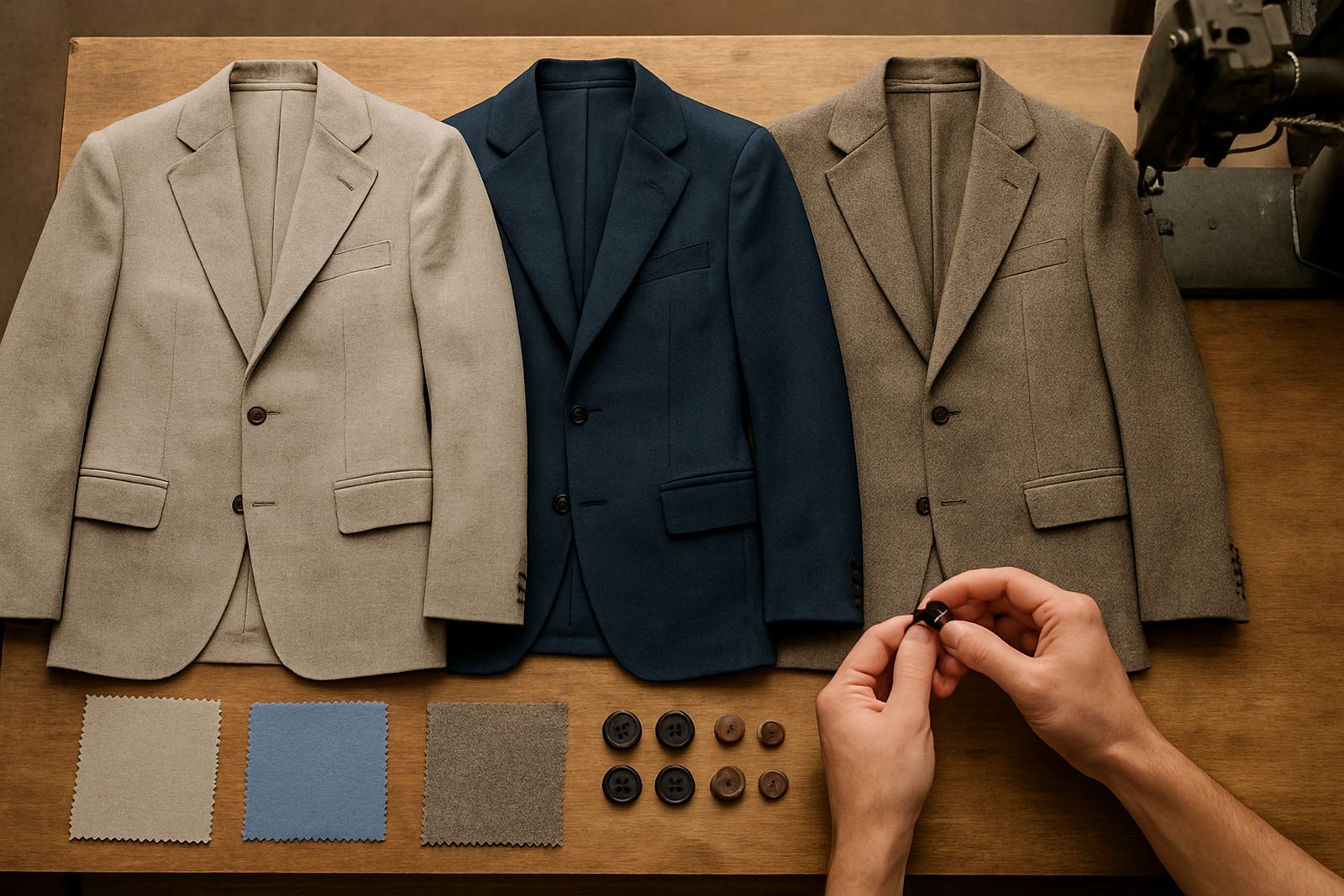
We use the fabric selection stage to narrow down what will actually work for your wardrobe, not just what looks good on a hanger. That includes shirt fabrics, suit cloth, lining options and finishing details. If you are ordering for work, we consider dress code, travel, wash frequency and whether the garment needs to move between meetings and after-hours events. For wedding tailoring, we also look at the season, the venue and the number of hours you will be in the suit.
You will usually leave the appointment with a clear recommendation, a confirmed fabric choice and notes on how the cloth will perform. If you prefer, we can also guide you on pairing one suit cloth with different shirt fabrics so you get more wear from the same wardrobe. The aim is practical value, not overbuying. For many clients, one well chosen suit and two or three shirts in the right cloths are more useful than a larger order of pieces that get worn twice and then sit in the cupboard.
- Shirting options by weave, weight and finish
- Suiting cloth by season, structure and wear frequency
- Lining and trim choices for comfort and durability
- Advice on wash care, pressing and storage
How we guide the process from enquiry to cloth approval
The process is straightforward. You send an enquiry through the contact page and tell us what you need, where you are based and when you want the garment ready. We then arrange either a studio appointment in Rosebank or an online fitting path, depending on your location and schedule. During the fabric stage, we assess your use case, preferred feel and any colour limits linked to work or events. If you already have a shirt or suit that fits well, that reference helps us narrow the cloth more quickly.
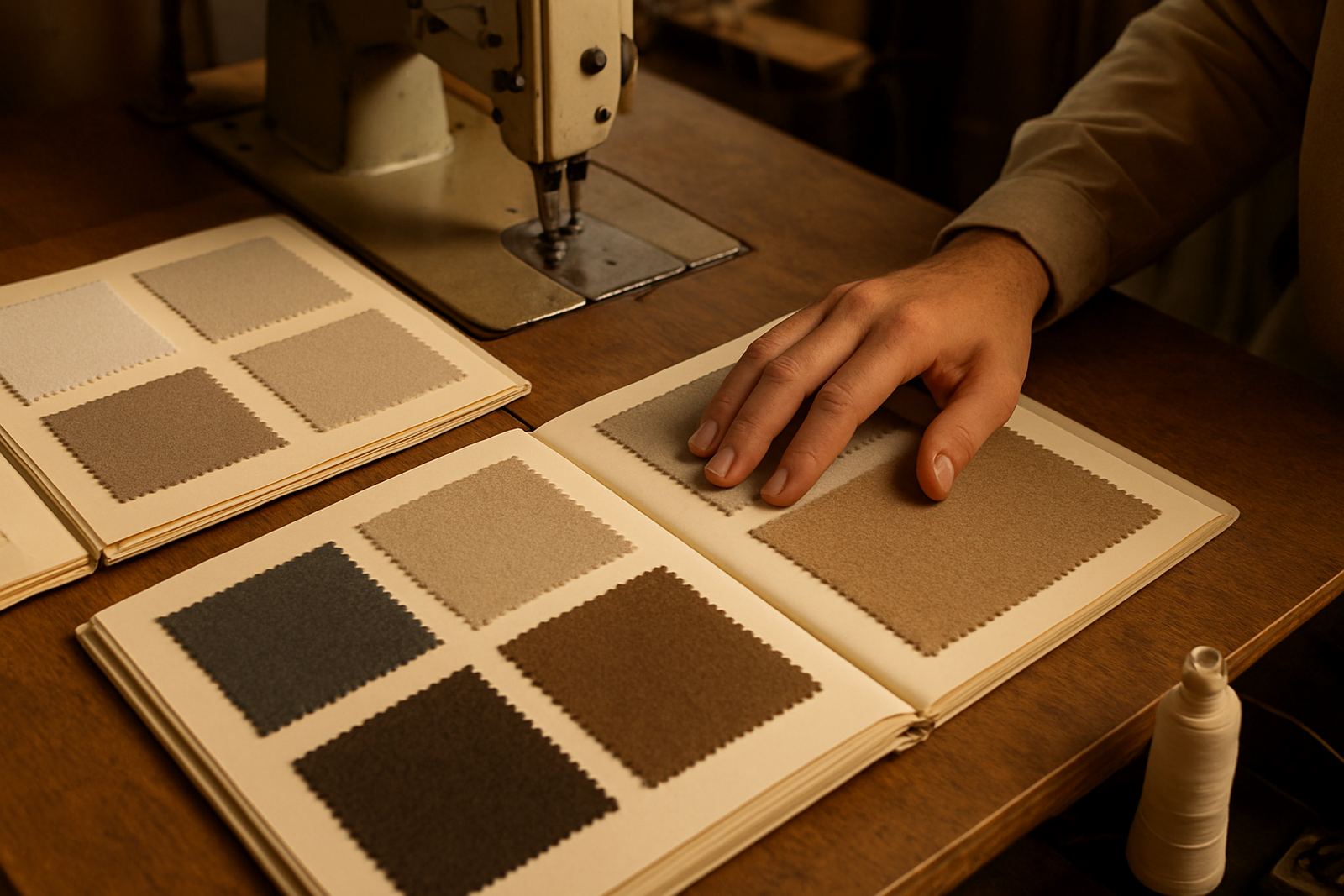
For online clients, fabric selection can be completed with guided notes and clear options presented during the fitting process. For studio clients, we can compare cloths side by side and talk through the weight, texture and structure in person. Once the fabric is approved, production planning begins. In most cases, the fabric choice is locked before cutting so we avoid delays and wasted stock. If you are ordering multiple shirts or a suit plus shirts, we can plan the range so the garments work together across the week.
- Step 1: Enquiry and use-case discussion
- Step 2: Fabric recommendations based on climate and occasion
- Step 3: Approval of cloth, lining and finishing details
- Step 4: Production scheduling and final confirmation
Turnaround times and pricing approach
Fabric choice can affect turnaround, mainly when a specific cloth needs to be sourced or when an order has multiple items. Standard made-to-measure shirt and suit orders are scheduled once the fabric is confirmed, and most timelines are driven by the complexity of the make, fitting requirements and current production load. If you are ordering from outside Johannesburg, courier timing is also built into the plan so your fitting and delivery dates are realistic.
Our pricing approach is transparent. The fabric selected forms a major part of the total cost, and the final price depends on cloth type, garment construction and any custom details such as contrast cuffs, special linings or additional finishing. We do not push clients into premium cloth if a mid-range option will do the job properly. For many professionals, a well chosen mid-weight shirt fabric or a practical suiting cloth gives better long-term value than a very delicate option that needs special care. If you need multiple garments for a team or wedding party, we can quote on the full order so the fabric range stays consistent.
As a guide, simpler shirt orders with readily available cloth can move faster, while suiting orders and special fabric requests need more planning. We will always tell you what is realistic before you commit, rather than promising a date that cannot be met.
Maintenance intervals for shirts and suits
Good fabric lasts longer when it is maintained properly. Shirts worn once or twice a week should be rotated and rested between wears so the fibres recover. If you wear the same shirt too often, collars and cuffs break down quicker and the body loses its fresh shape. Suits need even more care because the cloth is carrying structure, not just covering the body. After wear, hang the jacket on a wide hanger, allow it to air out and avoid packing it tightly into a wardrobe or car boot.
We advise clients to review shirts every 6 to 9 months if they are worn regularly, especially where cuff fray, collar wear or fading starts to show. Suits should be checked after heavy seasonal use or after travel, weddings and frequent office wear. If a garment starts to lose its line, a pressing or alteration refinement may be enough to extend its life. In humid coastal areas, storing garments with enough airflow is important, and in load-shedding periods it helps to keep clothes out of damp, closed rooms. A clean, dry cupboard makes a real difference.
- Shirts: inspect collars and cuffs every 6 to 9 months
- Suits: review after busy travel seasons or frequent weekly wear
- Storage: use breathable covers and avoid damp cupboards
Why fabric choice matters for repeat orders
Once a fabric profile works, future buying becomes quicker and easier. If a client likes a shirt that wears well in summer and still looks sharp after a full day in Sandton or Pretoria, we record those notes for future runs. The same applies to suits for office use, weddings or formal events. Over time, we build a practical record of what suits your body, your routine and your local climate.
This is especially useful for corporate orders and wardrobe planning. If your team needs a consistent look, we can keep the same fabric weight and finish across repeated batches. If you need one shirt type for weekdays and another for travel, we can separate the cloth choices so the garments do not all behave the same way. Small details like this save money and improve wearability. It also reduces the number of garments you end up replacing too soon, which matters when you are dressing for work every week.
Key facts
| Shirting weight | Usually 110 to 140 gsm for everyday office and formal wear |
|---|---|
| Suiting weight | Commonly 260 to 320 gsm depending on season and use |
| Fibre options | Cotton, cotton blends, wool blends and breathable natural mixes |
| Best use cases | Workwear, weddings, travel, weekly office wear and team orders |
| Care guidance | Rotate between wears, steam or press gently and store in a dry cupboard |
| Turnaround influence | Fabric availability, garment complexity and fitting requirements affect timing |