
Start With What You Actually Wear
Wardrobe planning starts by looking at how you dress across a normal month, not just what looks good on a hanger. We ask about office days, client meetings, weddings, travel, church, functions and whether you need pieces that hold up in Johannesburg heat, Durban humidity or regular courier movement between cities. From there, we build a practical order of purchase so you get the right shirts and suits in the right fabrics, colours and counts.
The first stage usually covers the essentials: one or two navy or charcoal suits, daily shirts in easy-care cotton blends or pure cotton, and one formal option for occasions. If you already have clothing that fits well, we use it as a reference for proportion and style. If you are starting from scratch, we keep the plan lean and build it over 2 or 3 fitting cycles, not all at once.
What Is Included In The Planning Session
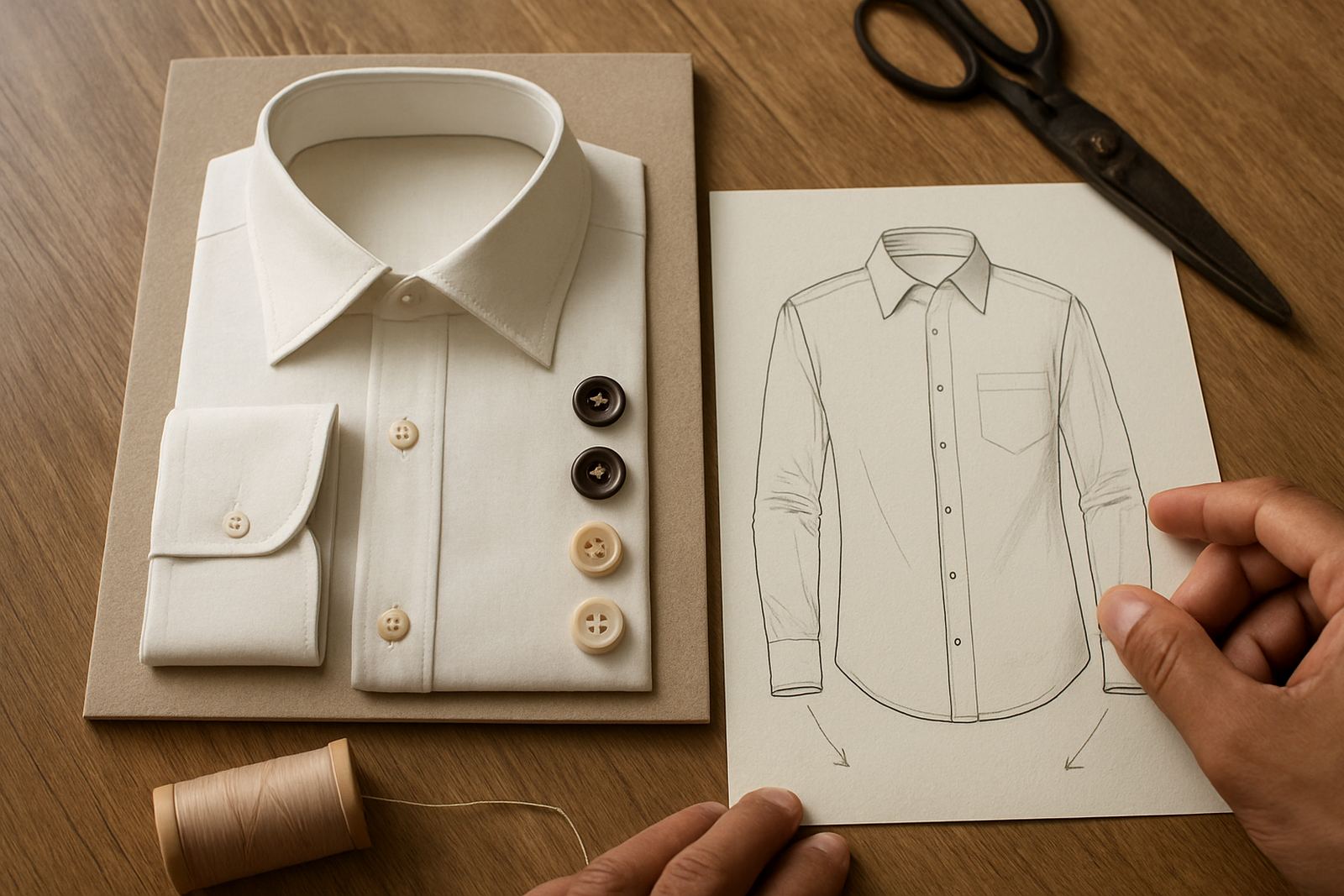
Wardrobe planning includes a review of your current wardrobe, a fit discussion, style guidance and a recommended build list for the season. We look at collar shape, cuff preference, pleat options, trouser rise, jacket stance, lapel width and sleeve balance so the clothing suits your frame and the way you move. If you prefer a clean modern look, we keep the lines sharper. If you need a more traditional finish, we adjust accordingly.
- Wardrobe audit of what to keep, replace or add
- Fit and proportion guidance for shirts and suits
- Fabric and colour recommendations by season
- Suggested order for business, formal and casual pieces
- Repeat-order planning for future replenishment
For clients with active calendars, we also plan around travel, seasonal changes and event dates. That is useful for groomsmen groups, executives, and anyone who needs pieces in stages rather than all at once. You can do the process through online fitting or at the Rosebank studio, and we can support clients in Sandton, Pretoria, Midrand, Randburg, Durban, Cape Town and nationwide.
The Build Plan And Ordering Steps
The process is structured so each order has a purpose. First we confirm your size profile and notes from the fitting. Then we set the build list, choose fabrics and finalise shirt or suit details. After that, cutting and making begins and we keep the next stage in mind, so repeat orders stay consistent with the first one.
- Initial enquiry through the contact form and a brief needs assessment
- Online fitting or studio fitting in Rosebank
- Wardrobe review and order plan
- Fabric selection and style confirmation
- Cutting, making and finishing
- Courier delivery or studio collection
This method is especially useful for clients who want to spread purchases across the year. For example, you might start with two work shirts and one suit, then add formal shirts, a second suit and seasonal refresh pieces later. The plan keeps colours coordinated, which means your tie, shirt and jacket combinations stay easy to wear without too much guesswork.
We also track the details that matter for future replacements, including preferred collar spread, shoulder balance, sleeve length and waistband comfort. That record helps with repeat orders and saves time when you need more pieces later on.
Fabric, Colour And Seasonal Choices
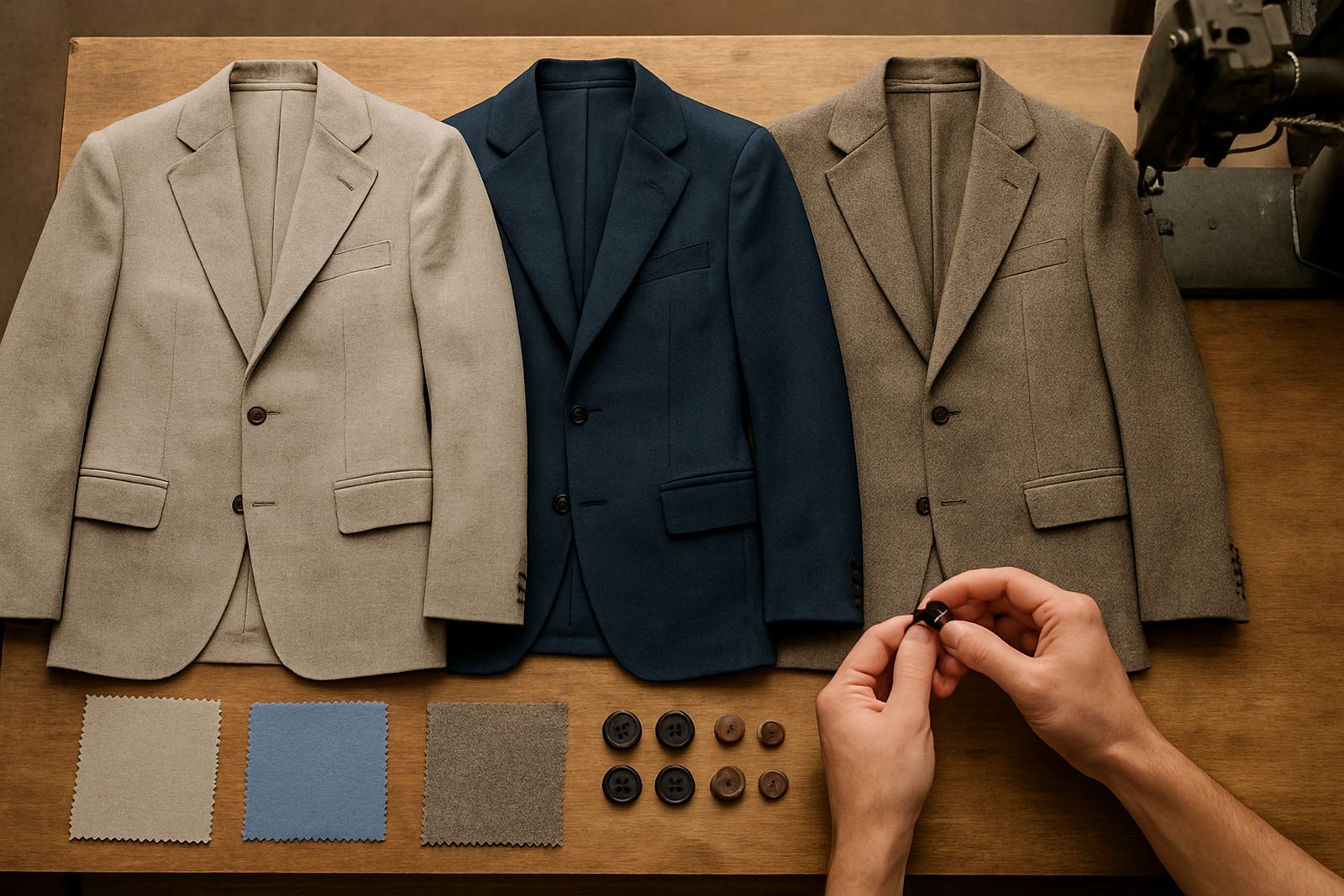
Fabric choice is a major part of wardrobe planning, especially in South Africa where weather changes and office conditions vary a lot. For shirts, we often recommend cotton poplin for crisp daily wear, twill for a softer feel, and cotton blends where crease resistance matters. For suits, we guide clients on wool blends, lighter tropical weights and options that wear well in warmer months. In coastal areas, we avoid heavy cloth where it is not needed.
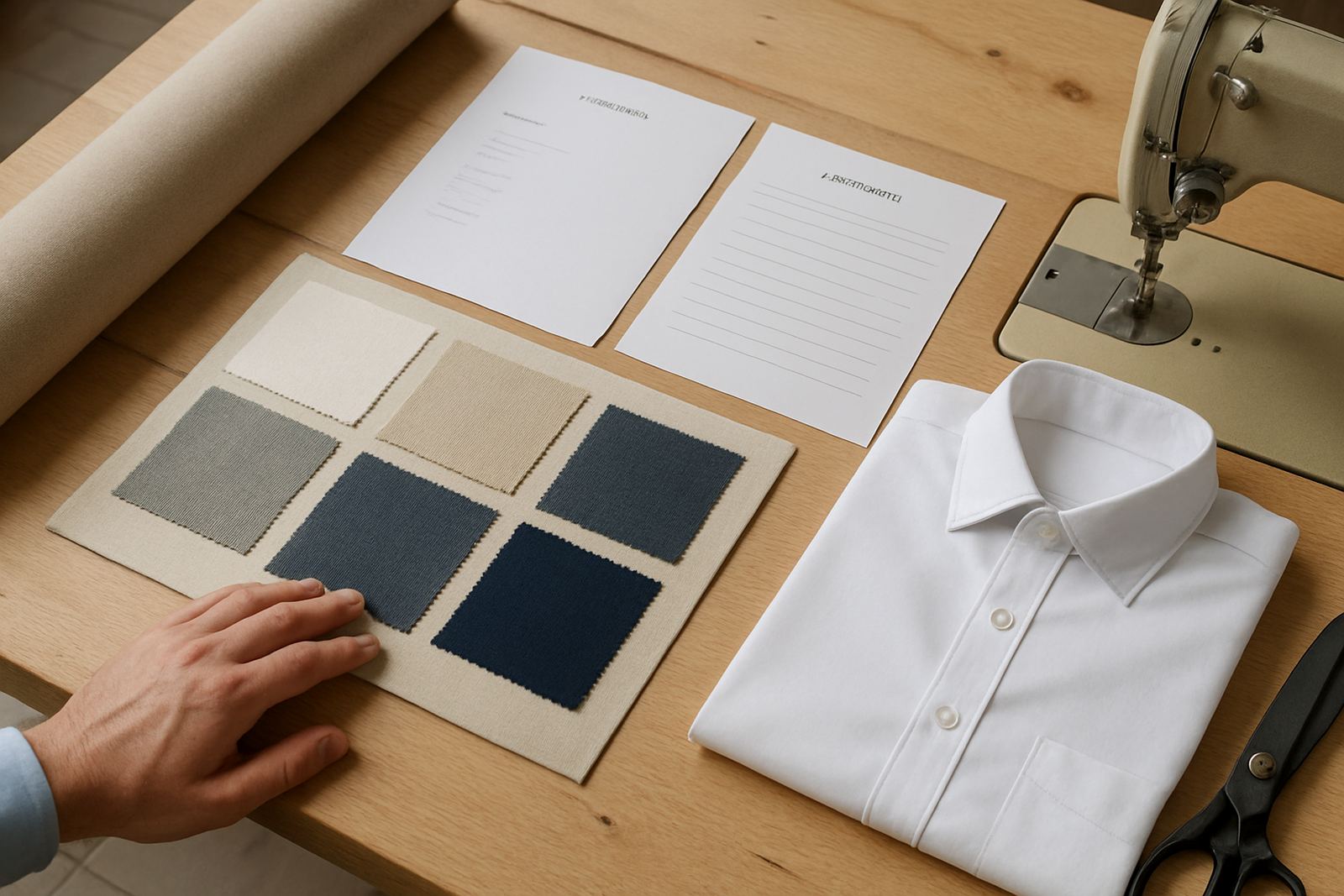
Colour planning is just as important. A good starting set usually includes white, pale blue, light grey and navy, then builds into stripes, checks or richer tones once the basics are sorted. We keep the palette usable across business, events and evening wear, so your wardrobe works harder without feeling repetitive.
- Shirts: cotton poplin, twill, pinpoint and easy-care blends
- Suits: lightweight wool blends, seasonable worsted fabrics and formal cloths
- Colours: white, blue, grey, navy, charcoal and selected accent shades
- Seasonal weight: lighter options for summer, fuller cloth for winter
If you are planning for corporate wear, we can keep the palette tighter for consistency across a team. If it is for personal use, we can add more variety while still keeping the wardrobe practical. The aim is always balance, not clutter.
Turnaround Times And Pricing Approach
Turnaround depends on the number of garments, the fabric choice and the fitting stage. A single shirt order can move faster than a full wardrobe build, while suit work and grouped orders need more time for cutting, checks and finishing. In general, we work in planned batches so the fit and construction stay consistent from one piece to the next.
Pricing is quoted according to the garments selected, the fabric chosen and the level of customisation required. Wardrobe planning itself is about making the order more efficient, because it helps you buy in the right sequence instead of paying for unnecessary extras or rushed changes. For larger builds, we can stage the order so the spend is spread out over time.
Clients often prefer this approach when they are updating a work wardrobe after a role change, planning for weddings, or rebuilding after weight change. It keeps the cost manageable and gives each item a clear purpose. We will always explain what is essential now and what can wait for the next round.
Keeping The Wardrobe Working Year Round
Once the first pieces are in place, we recommend maintenance intervals so the wardrobe stays reliable. Shirts should be reviewed every 6 to 12 months, depending on wear frequency, washing and body changes. Suits should be checked before major events, at season change, or when there is a change in fit at the shoulder, waist or seat. If you travel often or work long hours, a quicker review can save you from repeated discomfort.
Maintenance also includes small refinements. That may mean adjusting sleeve length, tightening a waist, refreshing a collar point or replacing a garment that has done its time. A planned wardrobe works best when it is treated as an ongoing system, not a one-off purchase. We keep records for repeat orders, so future pieces can match the fit and style profile of the originals.
- Review shirts every 6 to 12 months
- Check suits before wedding season, year end functions or major travel
- Refresh work basics when fabric begins to thin or collars soften
- Add new pieces in coordinated batches rather than random one-offs
That regular check-in is especially useful for clients who move between Sandton boardrooms, Pretoria meetings, Durban events and Cape Town functions. The wardrobe stays relevant, and you do not need to rebuild everything from scratch every time your schedule changes.
Key facts
| Service type | Wardrobe planning for made-to-measure shirts and suits |
|---|---|
| Fitting options | Online fitting and Rosebank studio fitting |
| Typical wardrobe build | 2 to 6 shirts or 1 to 3 suits per planning cycle |
| Turnaround | Varies by garment count, fabric and fitting stage |
| Coverage | Rosebank, Sandton, Pretoria, Midrand, Randburg, Durban, Cape Town and nationwide |
| Maintenance interval | Shirts every 6 to 12 months, suits before major events or season changes |