
Why the wardrobe needed a reset
The client was a founder based in Centurion, moving between early morning meetings in Pretoria, supplier visits in Midrand and evening functions in Sandton. His existing shirts were mixed in fit, with collars sitting a bit high and cuffs landing at different points, while the suits looked fine standing still but pulled at the chest once he sat down or reached for paperwork.
The goal was to build a small but reliable wardrobe that looked sharp under office lights and still worked after a long day in traffic. We planned around summer heat, air-conditioned venues and the reality of load-shedding, where presentation still has to hold up even if a meeting shifts at short notice.
- Client type: founder and director, Centurion
- Wardrobe use: meetings, presentations, dinners, travel days
- Key issue: inconsistent fit across older garments
What we established before cutting
We began with an online fitting review followed by a studio session so we could confirm posture, shoulder slope and sleeve balance. The founder wanted shirts he could wear twice a week without anyone noticing the repeat, and suits that could move from formal to smart-casual depending on the shirt and tie combination.
Fabric choices were kept practical. For shirts, we selected breathable cloths suited to Gauteng heat and office air-conditioning. For suits, we worked with mid-weight options that hold shape well in cooler months, but still wear comfortably in summer. The brief also included a lower-maintenance finish because the client travels often and did not want pieces that crease badly in a car or carry bag.
- Fit method: online measurements plus studio confirmation
- Shirt aims: crisp collar, smooth chest, proper sleeve length
- Suit aims: enough room for movement without looking boxy
The shirts and suits we made
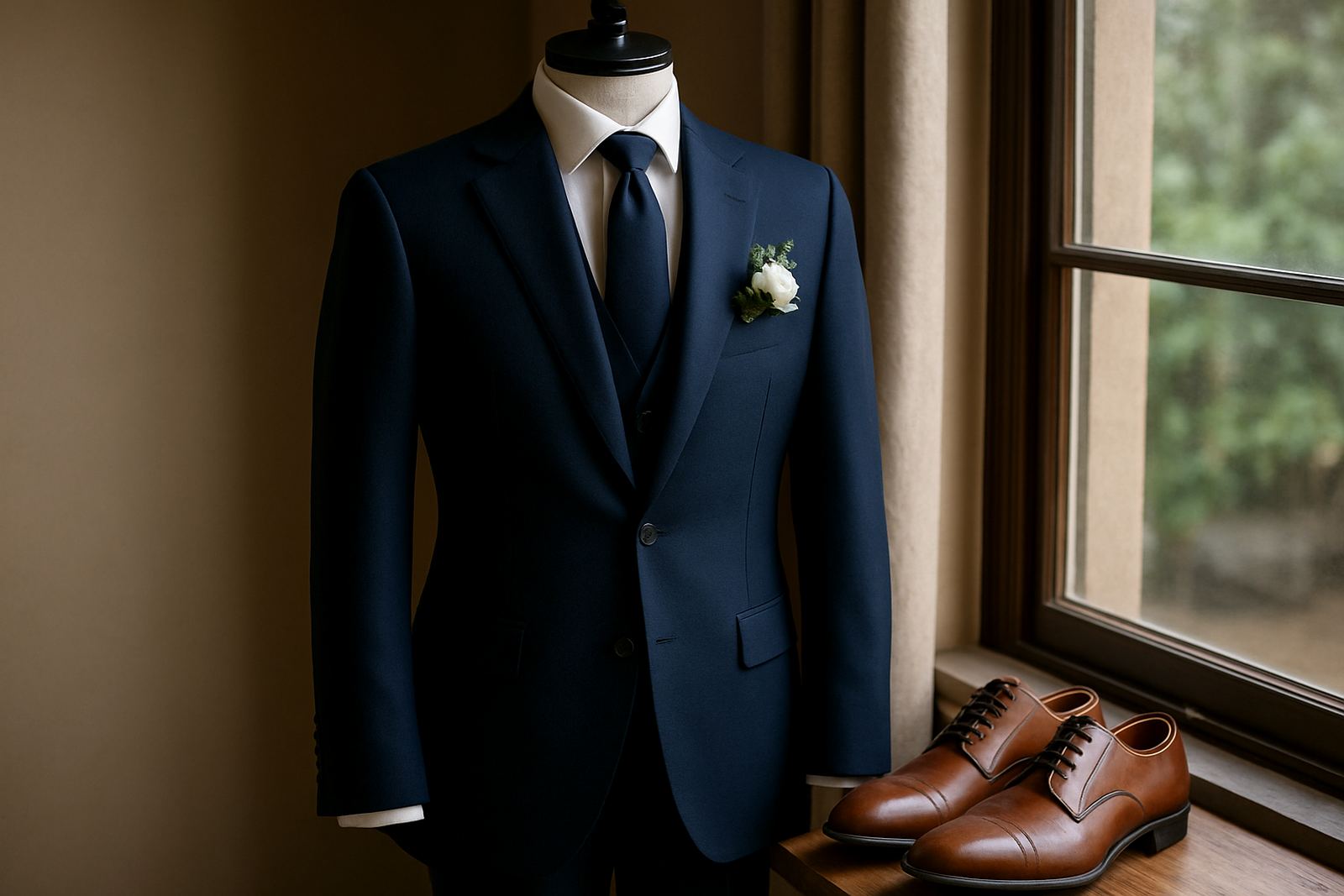
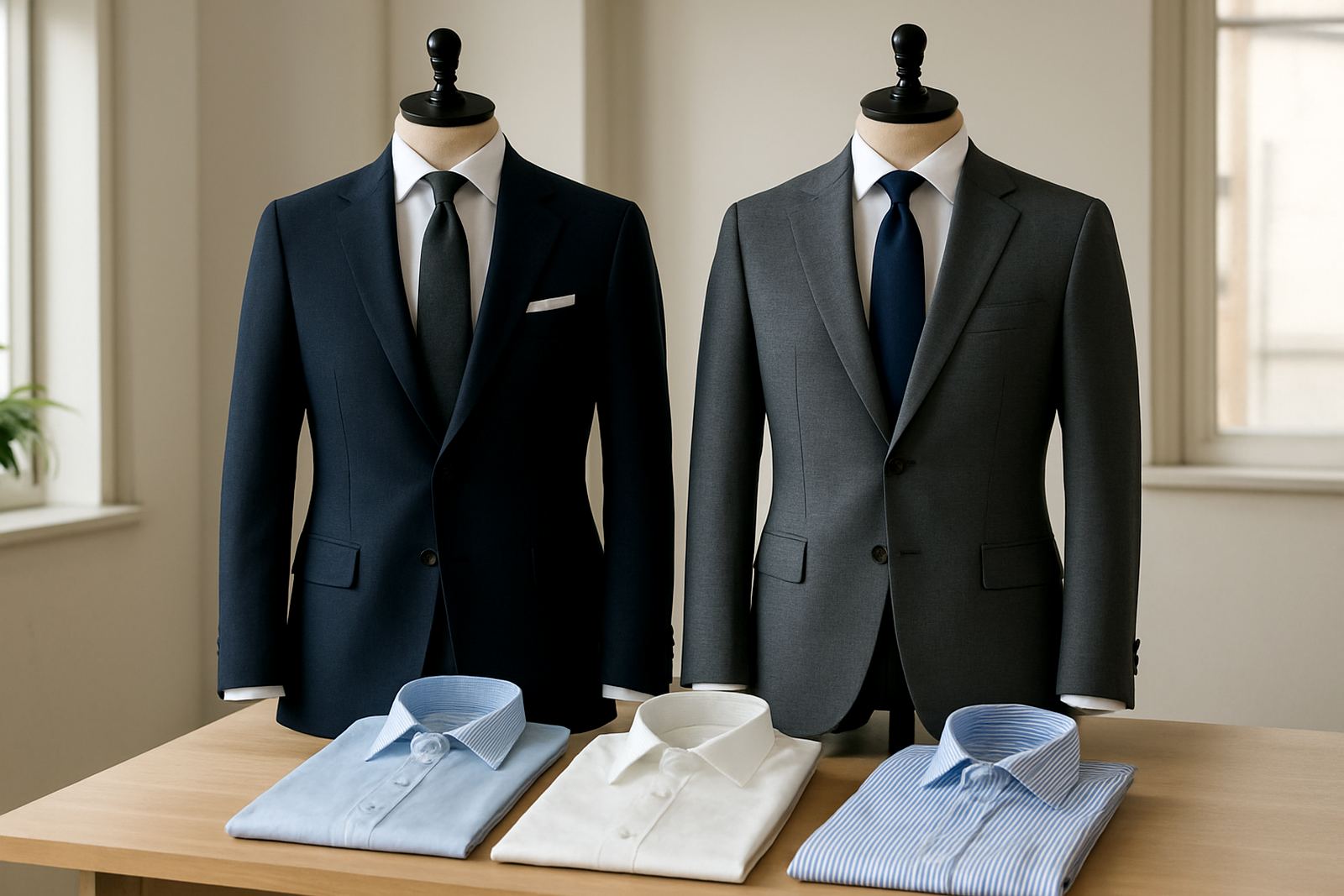
We supplied a compact capsule of shirts and suits that could be mixed across the week. The shirts were cut for a neat body line, with enough allowance through the back and upper arm for comfortable counter time and after-hours functions. The suits were shaped to give structure at the shoulder while keeping the jacket front clean when buttoned.
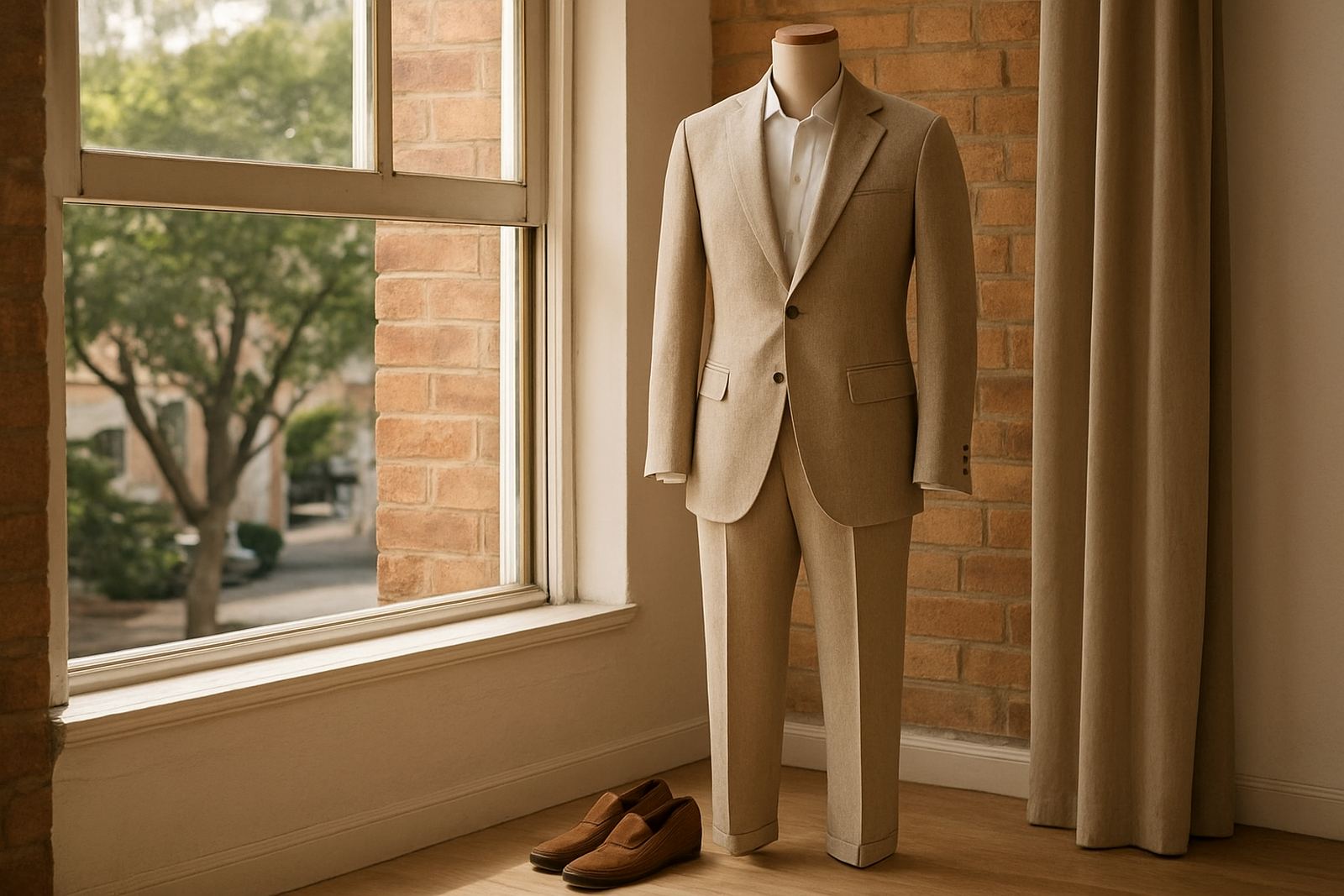
The first set included business shirts in light tones for daytime wear and one stronger colour for evening use. The suit pieces were planned so the client could wear them as full sets or split them with other clothing. This made the wardrobe feel bigger than it was, which is useful when you want fewer pieces but more combinations. The final fitting was handled carefully, because even a few millimetres can change how a cuff or lapel sits.
- Shirts: long sleeve, formal collar, custom cuff and body balance
- Suits: jacket and trouser fit adjusted for seat, rise and hem
- Style approach: office-ready, event-ready, travel-friendly
Key specs that mattered for daily wear
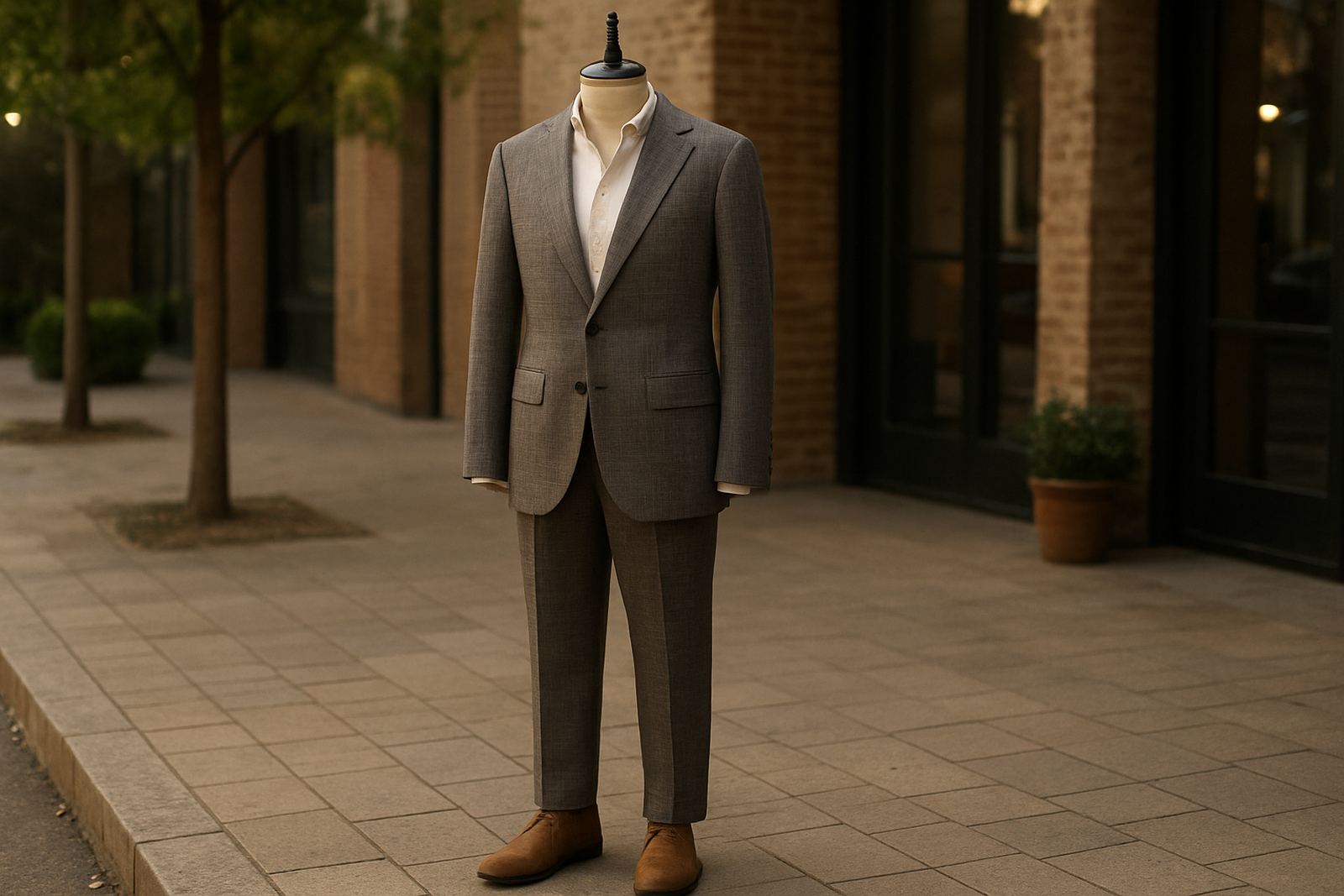
The most important specs were not flashy, they were functional. Collar height had to stay comfortable for long days. Shirt tails had to sit smoothly when tucked. Trouser length had to work with leather shoes and also with slightly less formal footwear for quick client visits. The jacket needed enough chest room for a tie, but not so much that it looked loose when open.
We also factored in Johannesburg weather swings, where a cool morning can turn into a hot afternoon. The fabrics and cut were chosen so the founder could move between air-conditioned offices and outdoor parking lots without feeling over-dressed. It sounds small, but that practical detail makes a big difference over a full week.
- Shirt collar: balanced for tie or open-neck wear
- Jacket fit: structured shoulder with room through the chest
- Trousers: clean break, comfortable waist and seat
Timeline and fitting rounds
The project ran over four weeks from first fitting to final handover. Week one was measurement and fabric selection. Week two was cutting and first assembly. Week three covered the first fitting, where we checked sleeve length, jacket balance and trouser fall. Week four was refinement and final finishing.
There were a few adjustment points, mostly around one sleeve that needed a small correction and a trouser hem that sat slightly long on the preferred shoe height. Nothing dramatic, just the sort of changes that turn a good garment into one that feels made for the wearer. The process stayed straightforward from start to finish, and the client could keep working between appointments.
- Week 1: measurement, style direction, fabric choice
- Week 2: cutting and initial construction
- Week 3 to 4: fittings, refinements and delivery
Results for a founder on the move
The finished wardrobe gave the client a cleaner, more consistent look across meetings and events, with less time spent second-guessing what to wear. The shirts sat properly at the collar and cuffs, and the suits presented a stronger shape without feeling stiff. For someone who spends a lot of time in car, meeting rooms and function spaces, that consistency matters.
Most importantly, the wardrobe now works as a system rather than a handful of isolated pieces. Shirts can be rotated through the week, suits can be used in parts or as full sets, and future additions can follow the same fit profile. We would do this project again in the same way: start with how the client actually lives, then build the wardrobe from there, not the other way round.
- Better consistency across the full wardrobe
- Fewer fit issues during long days and travel
- More outfit combinations from fewer pieces
Key facts
| Client location | Centurion, Gauteng |
|---|---|
| Project type | Founder wardrobe refresh |
| Garments supplied | Made-to-measure shirts and suits |
| Timeline | 4 weeks |
| Fit method | Online fitting plus studio confirmation |
| Use case | Meetings, events and business travel |