Why buttons change the first impression
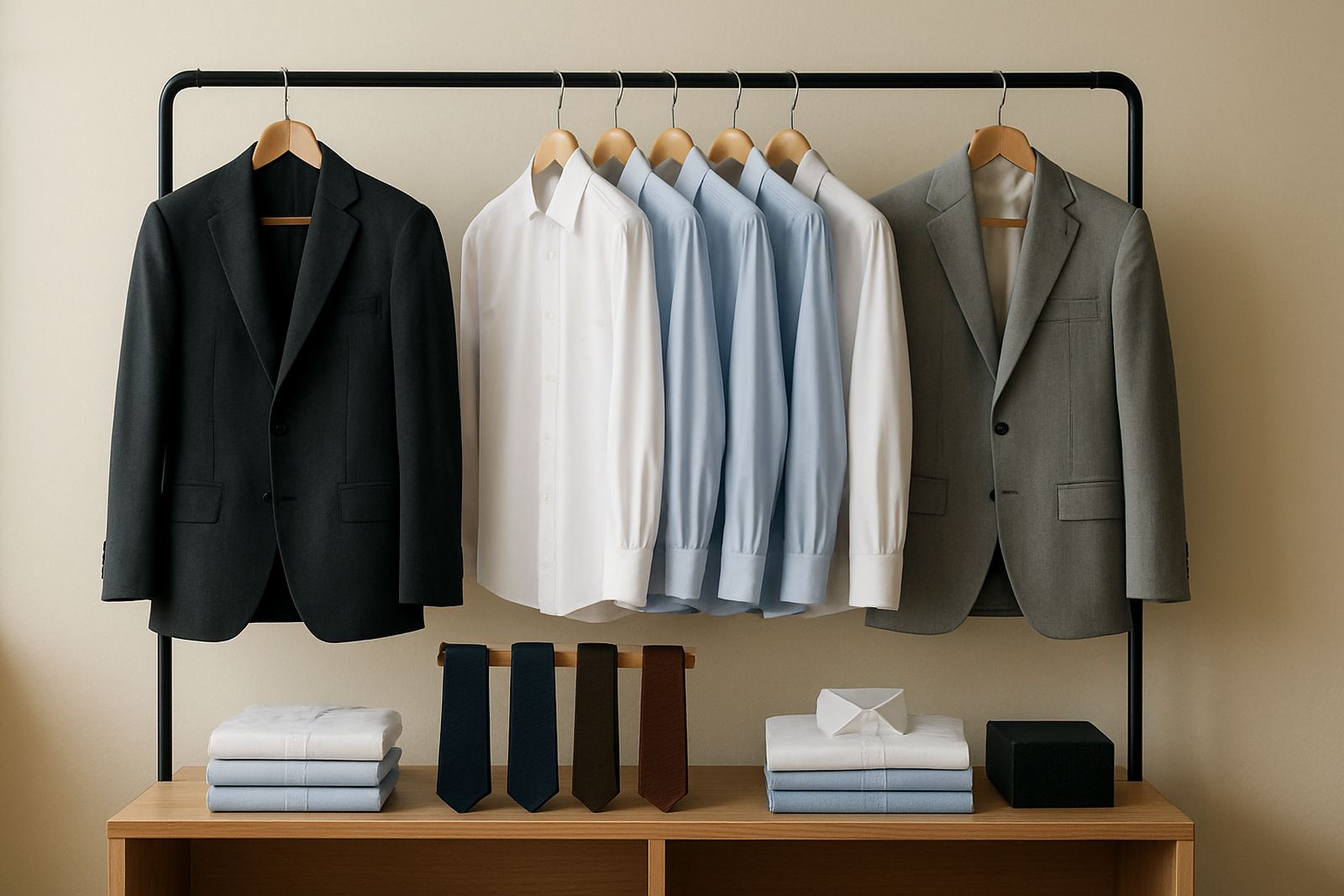
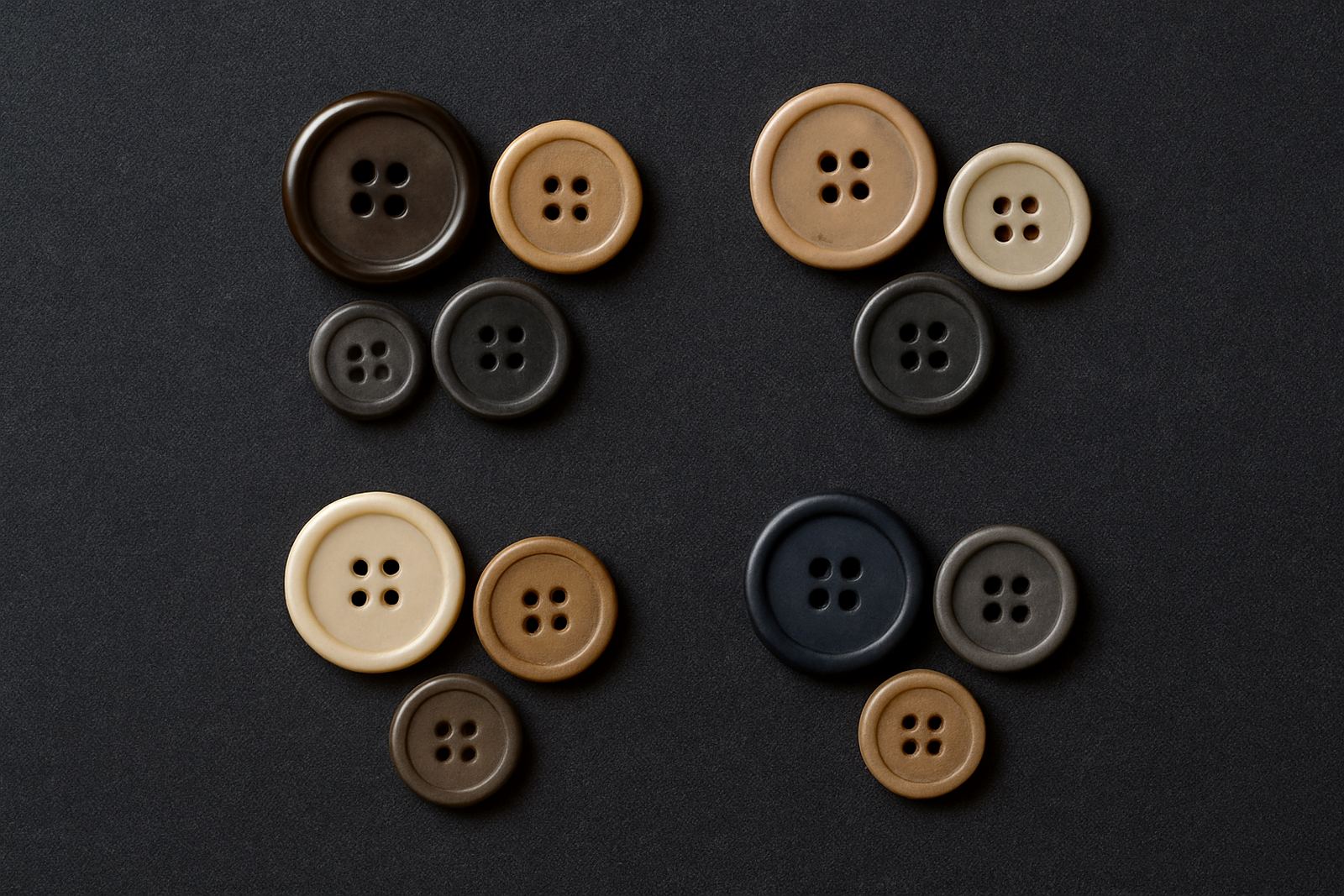
When a shirt or suit is made to measure, the fabric gets most of the attention but the buttons do a lot of quiet work. They sit in full view, they catch the light, and they tell people whether the garment is meant for daily office wear, a wedding, or a more relaxed weekend look.
In Johannesburg, where one client may need something for a boardroom in Sandton and another for a summer function in Rosebank, the button choice has to suit the occasion as much as the cloth. A dark suit with bright polished buttons can feel too dressy, while a soft shirt with plain matte buttons can look calm and practical. It is a small detail, yet it changes the whole read of the outfit.
Shirt buttons that suit South African weather
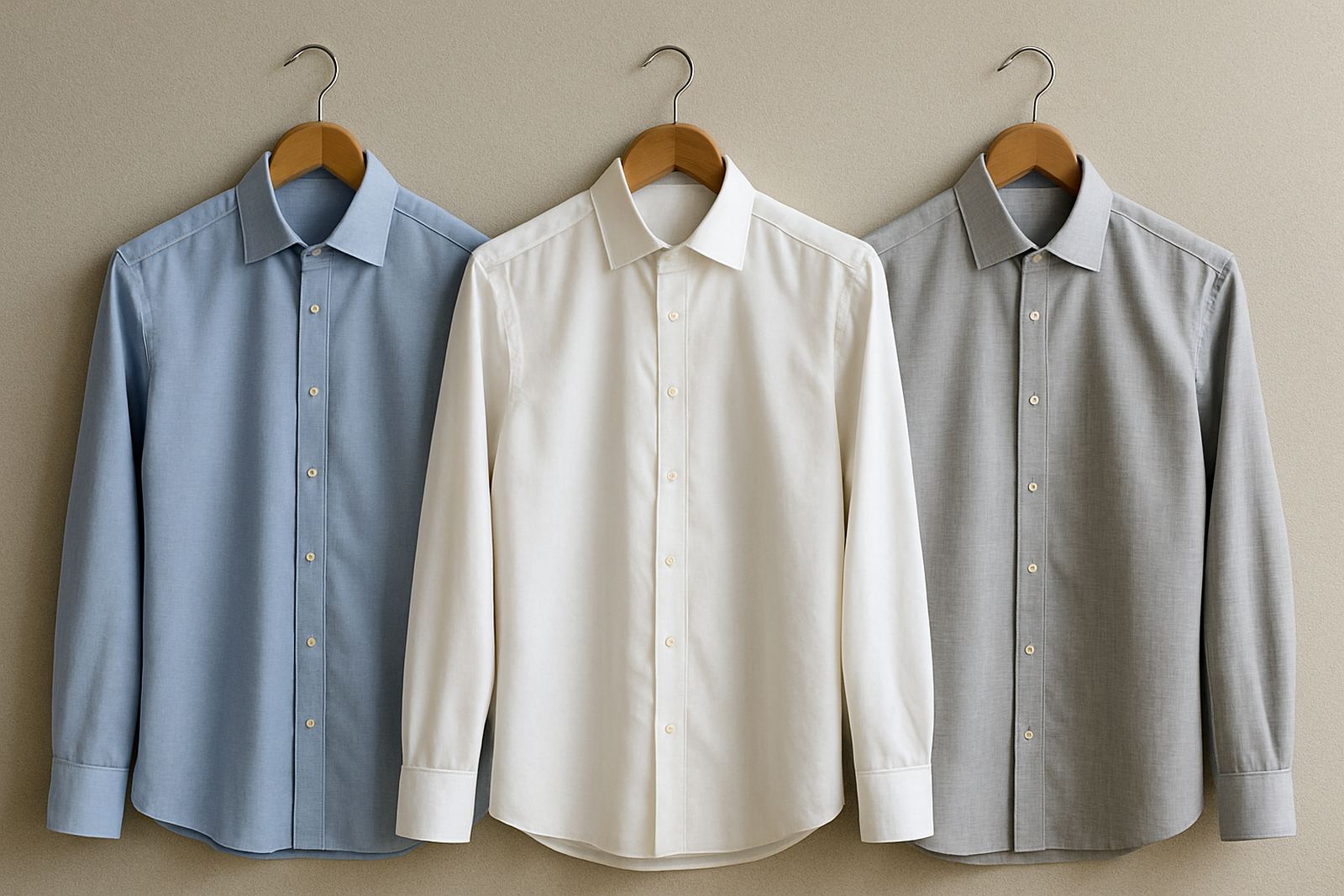
For shirts, the main question is not only colour but how the button material performs in everyday use. In hot weather, or when a client is moving between aircon and traffic, a shirt needs buttons that stay neat and do not stand out too sharply.
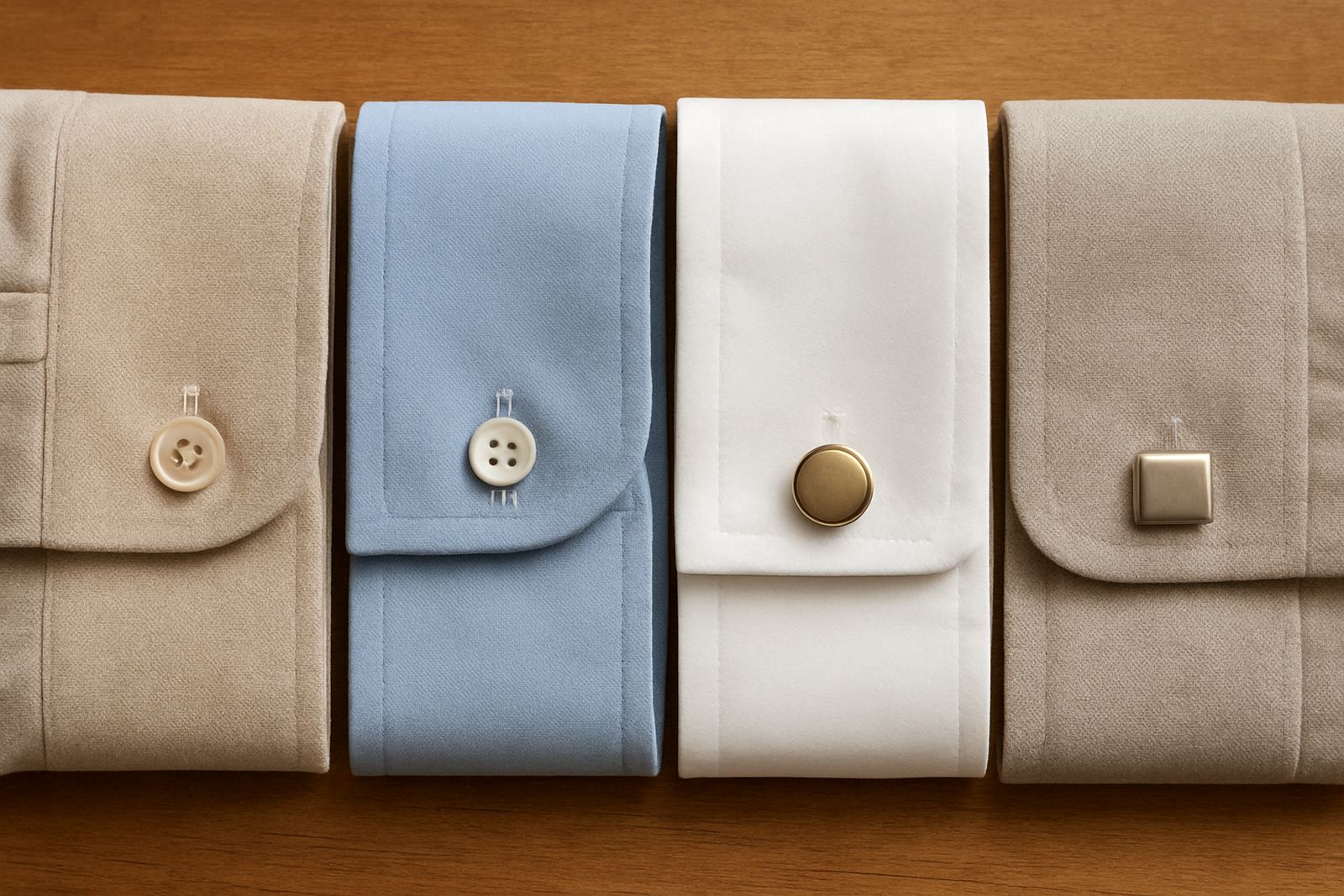
- Pearl-look buttons work well for formal shirts and wedding shirts because they give a clean finish.
- Matte buttons suit business shirts when you want less shine and a more grounded look.
- Thicker buttons are useful on heavier cottons because they handle repeated wear and washing better.
- Smaller buttons can look refined on slimmer collars and lighter fabrics, but they must still be easy to fasten.
For coastal clients in Durban or Cape Town, salt air and frequent washing can put more strain on finishing details, so the button choice should be practical as well as neat. A shirt that is meant for weekly wear should not depend on delicate parts that wear out quickly.
Suit buttons and the message they send
Suit buttons carry a different job. They affect the jacket line, the way the front closes, and the level of formality. On a business suit, the button should disappear into the overall shape. On a wedding or event suit, it may be chosen to add a touch of character without becoming loud.
For most made-to-measure suits, the safest approach is to match the buttons to the fabric tone and the occasion. Dark navy, charcoal and black suits usually look best with clean buttons that do not fight the cloth. Brown or textured jackets can handle a bit more contrast. If the suit is for a groom, a speaker, or a client who works in a client-facing role, the button choice should support the message he wants to give, not distract from it.
- Match the button tone closely to the fabric for formal business wear.
- Use subtle contrast for jackets that need more personality.
- Choose a stronger button construction if the suit will be worn often.
- Check the spacing so the front of the jacket sits properly when fastened.
How we guide clients through the choice
Many clients arrive knowing only that they want a shirt or suit that fits properly. Once the fabric is selected, buttons become part of the final decision. That is where the studio fitting or online fitting process helps. It allows the style to be read against the client’s build, work environment, and the way the garment will actually be worn.
Our team looks at the whole garment before settling on the hardware. Nosipho Kekana may weigh up the styling direction in the studio, while Daniel van Wyk considers how the front will balance once cut. Phenyo Motsepe often checks how the shirt or suit will sit across the chest and waist, because a button that looks fine on a flat sample can behave differently once the cloth is shaped. The client should not be left guessing, because the smallest detail can make the fit feel either finished or off.
For repeat orders, this matters even more. If a client has found a shirt style that suits their shape and work routine, the button choice can be kept consistent so the wardrobe stays coherent. That consistency is useful for corporate teams, wedding parties, and anyone who wants their clothing to feel ordered rather than random.
When custom buttons are worth it
Custom buttons are worth considering when the garment has a specific purpose. A wedding shirt, for example, may need a softer and brighter finish than an everyday office shirt. A corporate order may need the same button style across multiple shirts so the team looks coordinated. A suit for a public role may need details that hold up under repeated wear and regular pressing.
There is also a practical side. Buttons should be strong enough for the fabric weight and the amount of strain on the garment. Heavy suiting cloth needs stronger fastening than a light summer shirt. If the button is too thin or too decorative, it may not suit the use. That is why the choice should be made with the full garment in mind, not as an afterthought.
- Choose durable buttons for garments worn every week.
- Consider softer finishes for formal occasions and weddings.
- Keep the button style consistent for corporate orders.
- Use a spare button plan for shirts and jackets that travel often.
A simple example from the Johannesburg work week
Picture a client based in Sandton who needs one shirt for client meetings and another for a family event on the weekend. The first shirt can take a quieter button with a matte finish, because it needs to sit under a jacket and look calm in photographs. The second can use a slightly more polished button so it feels dressed up without looking flashy. The same person, same body, same tailor cut but two different effects.
That is the value of paying attention to button choice. It gives the garment a proper purpose. In a city where people move quickly between offices, malls, venues and highways, a shirt or suit should not only fit well, it should speak clearly about where it is going. A button may be small, but it is one of the last decisions a client notices and one of the first details others see.
That level of detail is handled during fitting and finishing, so the final piece feels considered from collar to cuff.
The finish should match the fit
Made-to-measure clothing is strongest when the fit and the finishing choices work together. Buttons are part of that finishing. They should suit the fabric, the cut, the climate and the way the client lives. If the shirt is for daily office wear, keep it practical. If the suit is for a wedding, give it enough refinement to stand up in photos and in person.
Good tailoring is not only about measurements. It is also about judgement. The right button can sharpen a shirt, calm a suit, or make a formal garment feel more natural on the wearer. Small choice, real difference.