
Start with a suit you can wear again
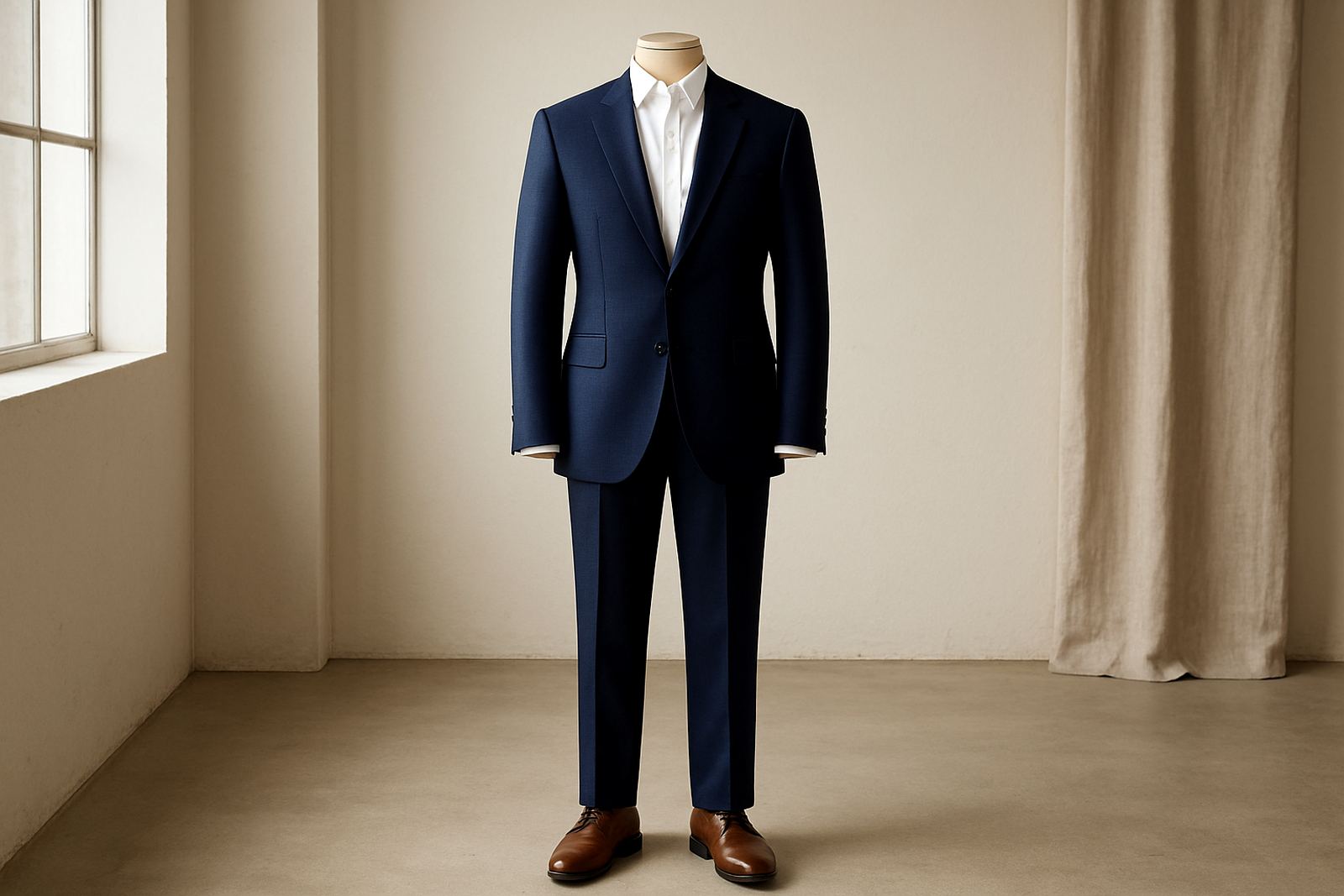
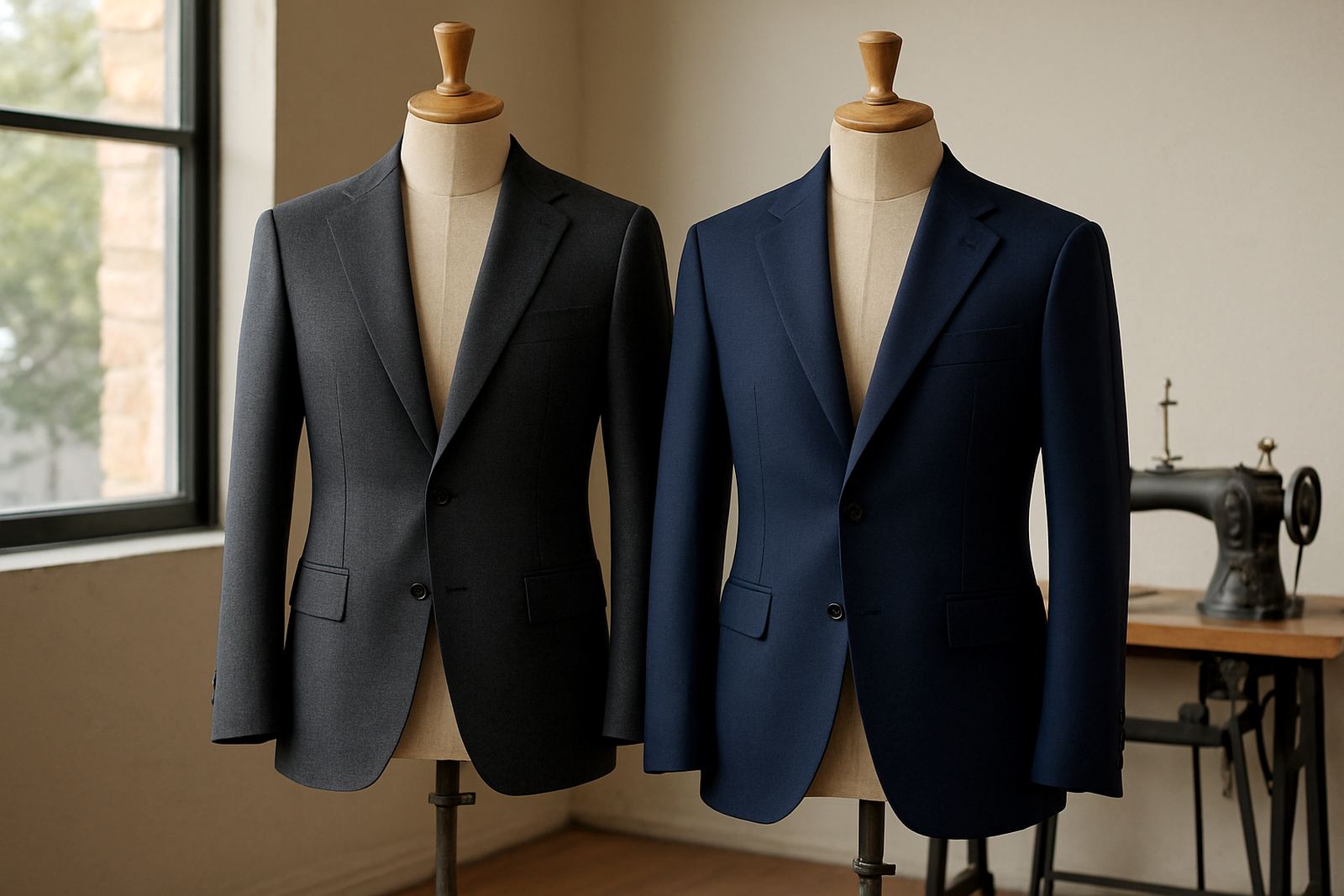
The easiest way to keep a matric suit memorable without making it too trendy is to begin with the cut. A well balanced navy, charcoal or deep midnight suit will hold up far longer than a colour that only works for one season. Those shades also photograph well under indoor lights and outside at sunset, which matters when the whole evening is documented from arrival to the last dance.
Fit matters just as much as colour. A jacket that sits cleanly on the shoulders, sleeves that show a neat shirt cuff and trousers hemmed to the right break will always look sharp. If the jacket is pulled tight across the chest or the trousers pool at the shoe, even an expensive fabric will look awkward. For matric, the aim is not just looking formal, it is looking comfortable enough to move, sit, greet family and dance without fuss.
Made-to-measure is especially useful here because many young men sit awkwardly between standard sizes. Some need extra room through the shoulders, others need a slimmer waist with longer sleeves. A proper fitting makes the suit look deliberate instead of borrowed. That is usually what people remember most, even more than the fabric itself.
Use detail for personality, not for noise
If the base suit is timeless, the details can carry the personality. That is where matric styling gets interesting. A subtle lining, a contrast button, a ticket pocket or a slightly wider lapel can make the suit feel personal without locking it into one trend. The trick is to choose one or two details and leave the rest clean.
For a bold student, a deeper colour in the lining or a textured fabric can add character. For someone who prefers a quiet look, a plain suit with sharp tailoring and a crisp shirt does the job. Both approaches work, as long as the balance is right. Too many extras can make the outfit feel busy in photos and even more so in real life.
- Choose one accent only, such as a lining, pocket square or lapel detail
- Keep the shirt simple if the suit already has texture
- Match the tie or bow tie to the overall tone, not to every colour in the fabric
- Avoid shiny finishes unless the event lighting really suits them
A good rule is this: if someone notices the suit before they notice the young man wearing it, the styling may be too loud. The suit should support the person, not compete with him.
Choose fabric for South African weather and movement
Matric season can mean warm afternoons in Johannesburg, sticky humidity in Durban, or a cool evening in Cape Town that turns brisk after dark. Fabric choice should account for where the dance happens and how the night will unfold. A suit that feels light enough for a warm venue but structured enough for photos is usually the best compromise.
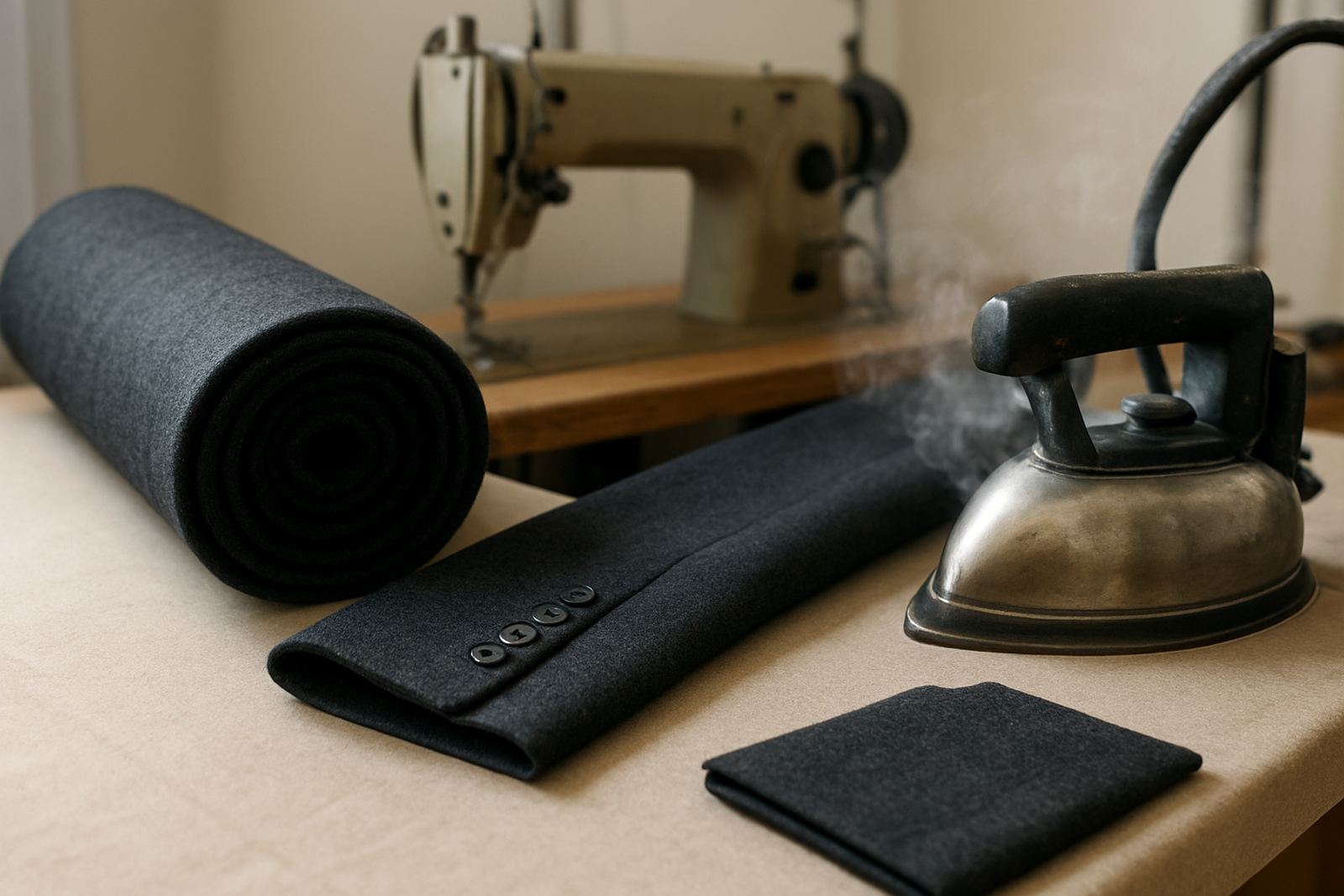
Wool blends, lighter suiting cloth and breathable linings tend to work well for South African conditions. Heavy fabric can feel uncomfortable if the event runs long or if there is a long drive, a church service or family photos before the venue. On the other hand, fabric that is too light may crease quickly and lose shape, especially after sitting in a car for an hour. The answer is a balanced cloth with enough body to hold the jacket cleanly.
Load-shedding also comes into the picture more often than people think. If fittings are done in the evening or during a busy school timetable, it helps to plan early and avoid leaving the final fitting to the last minute. Small adjustments are easier when there is time to make them properly, and there is less stress if the suit needs a final press before collection.
For coastal areas, keep moisture and storage in mind. A suit bag, proper hanging and a quick air out after the event help protect the cloth. That small bit of care makes a real difference if the suit is meant to be kept for interviews, awards or another formal occasion later.
Make the shirt and tie do the quiet work
Many people focus on the suit and forget that the shirt sits closest to the face. That is a mistake, because the shirt shows in every photo and often decides whether the outfit feels polished. A well fitted white shirt is still the safest option, but light blue or a soft neutral can also work if the suit colour allows it. The collar should sit neatly against the neck without pinching, and the sleeves should be the right length so the cuffs are visible under the jacket.
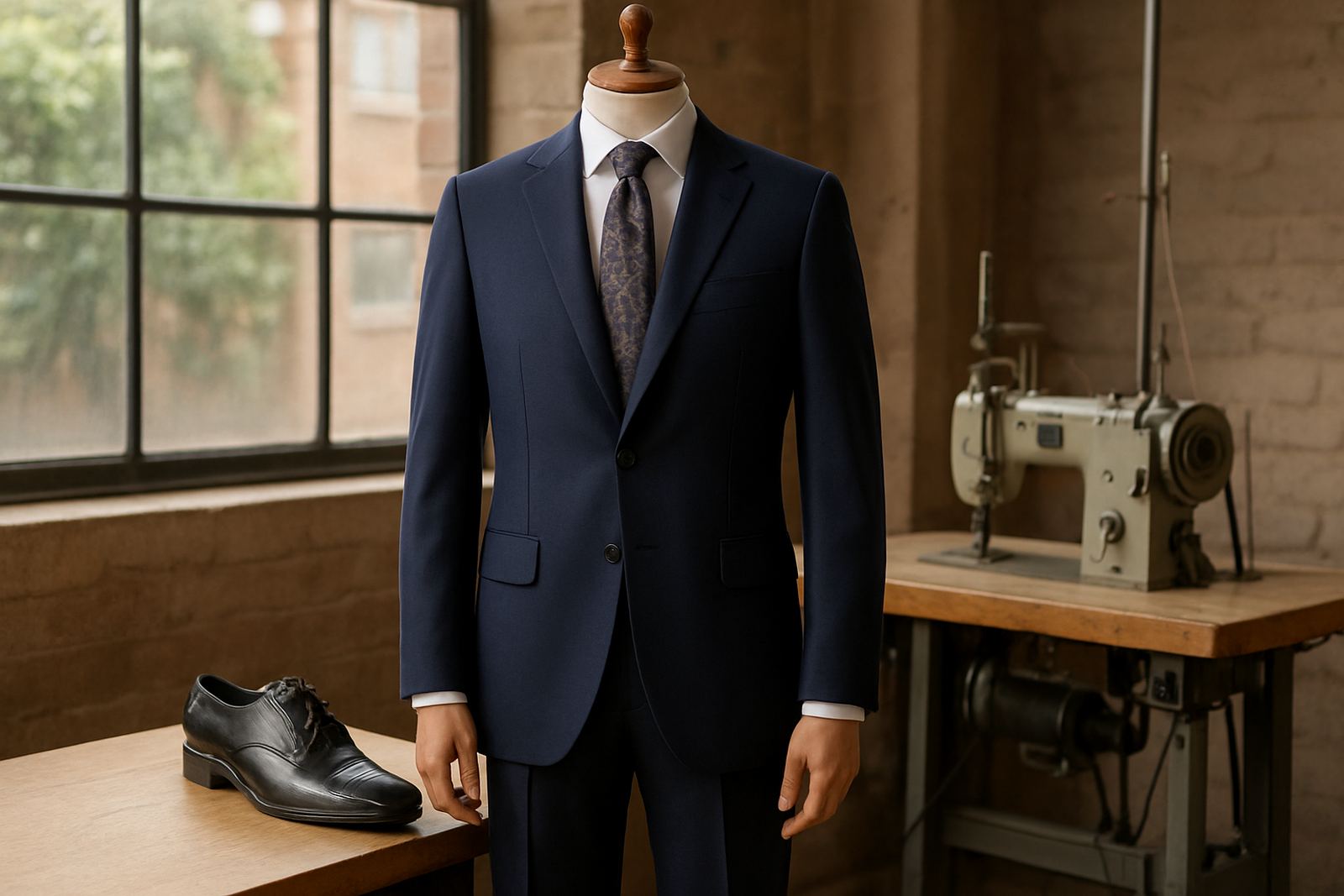
The tie or bow tie should never fight the suit. If the suit has a pattern or texture, keep the shirt and tie cleaner. If the suit is very plain, then a more interesting tie can add a bit of life. The goal is not to show off three different things at once. It is to build one clear look from head to toe.
- White shirt for the safest formal choice
- Light blue shirt for a softer, modern look
- Plain tie for a textured suit
- Patterned tie only when the suit and shirt are simple
- Cufflinks if the shirt style allows them and the rest of the look stays calm
Choose the shoes and belt together rather than as separate decisions. Black leather with a black suit or navy suit usually keeps the outfit grounded, while brown can work nicely with charcoal or lighter tones. These are small choices but they tie the whole look together properly.
Plan for photos, transport and the dance floor
Matric suits do not only need to look good at the venue. They need to survive the car ride, the posed photos, the walk into the hall and the dance floor afterwards. That means the fit must allow movement through the shoulders and chest, and the trousers should not be so tight that sitting becomes a problem. A good suit should let a young man stand tall without making him feel stiff.
It is worth doing a short movement check at fitting stage. Sit down, lift the arms, turn the shoulders and walk a few steps. If the jacket pulls too much or the trousers ride up, adjustments can still be made. These are the details that make the difference between looking dressed and looking comfortable.
One Johannesburg example stands out. A client from Rosebank wanted a suit that would work for matric dance photos at a hotel, but also for a family lunch the next day. We kept the suit in deep navy, used a plain white shirt and added a subtle lining for personality. The result was formal enough for the event, but not so dramatic that he would only wear it once. That approach made the most sense for a family that wanted value as well as style, and it still looked right in the photos.
If the suit is for a school dance, remember that the night is long and the temperature may change. A jacket that can be worn open for a while, then buttoned for formal photographs, gives more flexibility. That kind of practical thinking helps the outfit last beyond one evening.
What makes a matric suit memorable years later
The suits people remember years later are usually the ones that looked like the wearer. They did not chase a passing trend, but they still had enough character to feel special. That comes from a clear cut, sensible fabric and one or two personal touches chosen with restraint. A good matric suit should mark the moment without becoming a costume.
When planning the outfit, ask three simple questions. Will this still look good in ten years? Can it be worn again for another formal event? Does it suit the person wearing it, not just the occasion? If the answer is yes to all three, the suit is probably on the right track.
For families comparing options across Sandton, Pretoria, Midrand, Randburg, Durban, Cape Town and nationwide, the best results usually come from early planning. That gives time to get the fit right, select the right cloth and make small changes before the event rather than after. A memorable matric suit is not about showing the most effort. It is about making smart choices that hold up on the night and long after it.