What shirt weight means in plain terms
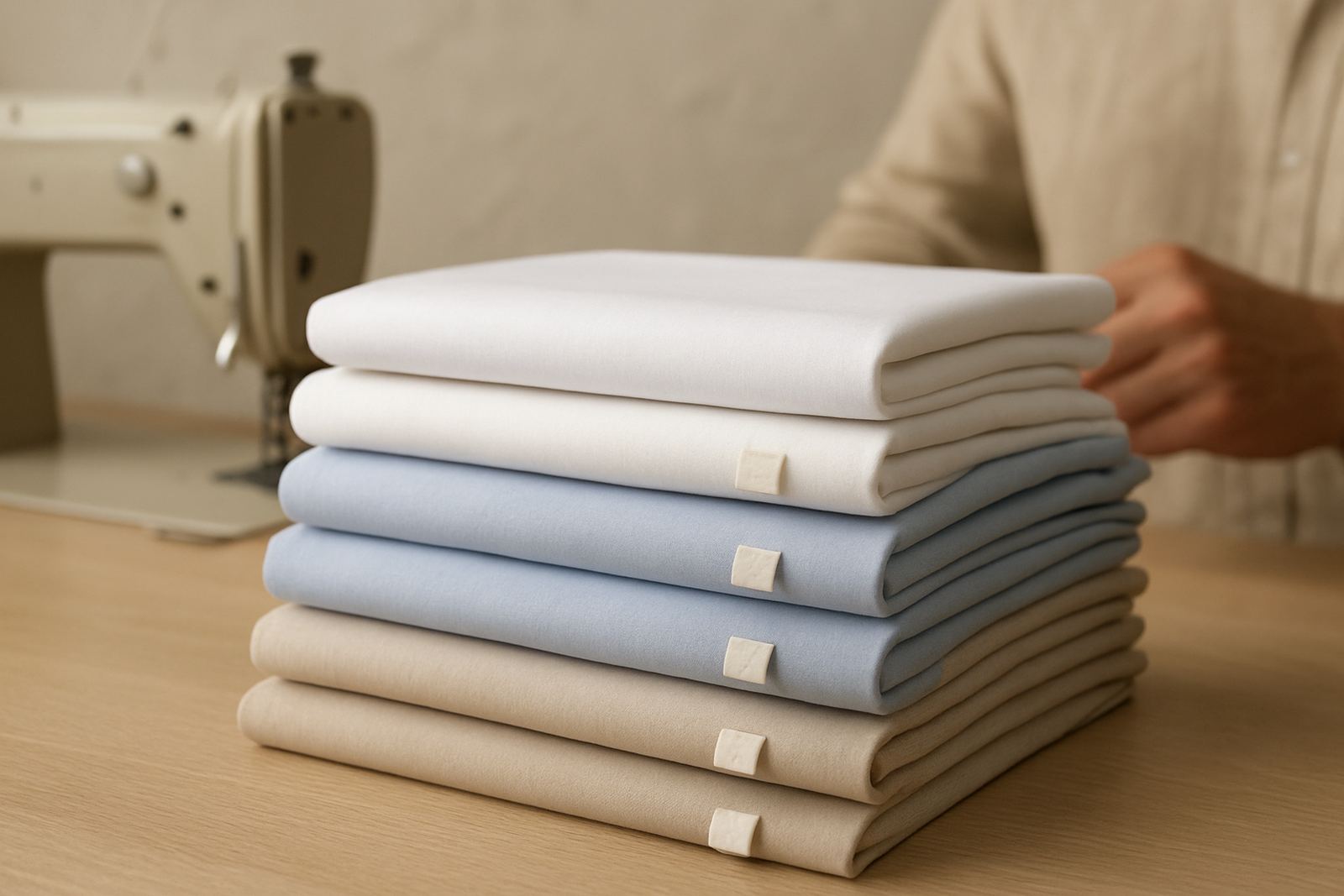
Shirt weight is the mass of the cloth, usually shown as grams per square metre or gsm. Lower gsm fabrics are lighter and often feel cooler, while higher gsm fabrics feel more substantial and can hide more underneath. Weight is not the same as quality, because a well made lighter cloth can outwear a poor heavier one if the weave and finish are right.
In practical terms, weight changes three things straight away: how the shirt drapes on the body, how much it reveals, and how it handles heat. A 110 gsm poplin can feel sharp and airy, while a 150 gsm twill may sit better under a jacket and cope better with a long day at the office. The right choice depends on where you wear it and how often you wash it.
For customers in Rosebank, Sandton or Pretoria, the daily swing from cool mornings to hot afternoons matters. On the coast, Durban humidity changes the feel again, so the same cloth can behave very differently from one city to another.
Lightweight shirts for heat, travel and softer drape
Lightweight shirting usually sits around 90 to 120 gsm. These shirts are often chosen for summer, indoor office wear and travel because they fold easily and feel less heavy against the skin. They can also drape more softly, which suits a slimmer cut or a relaxed smart-casual look.
The trade-off is opacity. Very light cloth can show skin tone, undershirts or even seam details, especially in pale colours. If you prefer white shirts, or work under bright office lighting, ask for a cloth with a tighter weave rather than just going as light as possible. That gives you comfort without the see-through problem.
- Best for hot weather and long indoor days
- Useful for travel because it packs small
- Can crease faster if the weave is very fine
- May need careful fabric choice for white or pale colours
For a client commuting between Midrand and Sandton, a lighter cloth can be ideal if the day includes traffic, meetings and a lot of time indoors. It keeps the shirt feeling fresh, though a little pressing may be needed after a long sit in the car.
Midweight cloth for year-round wear and better coverage
Midweight shirting usually falls around 120 to 140 gsm. This is the most versatile range for many South African wardrobes because it balances comfort, structure and coverage. It is often a good choice for someone who wants one shirt to work in more than one season.
This range usually gives cleaner lines across the chest and shoulder, so collars and cuffs tend to look a bit more composed. It also helps if you want the shirt to hold its shape after a few washes. A midweight cotton can feel cool enough for Johannesburg, yet still decent under a blazer in winter or air conditioning.
For business wear, this is often the safest starting point. It works for meetings in Pretoria, client visits in Randburg and wedding events where you need the shirt to look neat from morning to night. It is not too thin, not too heavy, and it gives the cutter more room to match the cloth to your build.
- Good all-round option for work and events
- Usually offers better opacity than very light cloth
- Holds collar shape well with the right interfacing
- Comfortable in most South African cities most of the year
Heavier shirt cloth and when it makes sense
Heavier shirting starts around 145 gsm and can go higher, depending on the weave. These fabrics are less common for very hot days, but they have a place. They feel more firm, can reduce transparency, and often give the shirt a more substantial hand feel. Some people like that because it reads as more formal and controlled.
A heavier shirt can also work well if you wear your shirts under a jacket, or if you want more body in the cloth for a tucked-in look. On the other hand, if the weather is hot and the shirt is worn without a jacket, the extra weight can start to feel tiring. That is especially true in Durban humidity or during a midday walk between parking and the office.
Heavier cloth is sometimes chosen for cooler months, corporate shirts that need more presence, or for people who dislike flimsy fabric. It can be a smart choice, but it is not the answer for every wardrobe. The trick is matching the cloth to the actual use, not just the idea of a formal shirt.
How weight changes opacity, press feel and movement
Cloth weight affects the shirt in ways you notice once you start moving. Lighter cloth often floats more and follows the body with less resistance. Heavier cloth tends to hang straighter and may give a cleaner outline through the torso. Neither is automatically better, because body shape, fit and weave all play a part.
Opacity is the issue many clients notice first. If a shirt is too light for the colour or weave, it may show undershirts, chest hair or pocket outlines. If you wear white shirts often, this matters a lot. Weight alone does not fix it, but a slightly denser cloth usually helps. So does choosing the right weave and proper lining in the collar and cuffs.
Pressing also changes with weight. Fine light cotton may need a quicker touch with the iron after washing, especially if it has been line-dried on a windy day. Heavier cloth can be easier to press into a crisp finish, though it may take a little longer to dry after laundry. In homes dealing with load-shedding, drying time and iron timing can matter just as much as the cloth itself.
Picking shirt weight for South African seasons and cities
South Africa asks different things from a shirt depending on where you live. In Johannesburg, dry heat and cold winter mornings make midweight cloth especially useful. In Cape Town, wind and changing conditions can make a slightly heavier shirt feel steadier. In Durban, breathability matters more because humidity keeps fabric close to the skin for longer.
If you are building a small wardrobe, it helps to think in groups rather than buying one type only. A lighter shirt for peak summer, a midweight shirt for daily office wear and a heavier option for cooler months or formal layering will cover most needs. That is a practical wardrobe, not a complicated one.
- Hot inland summer: lighter cloth with a tight weave
- Air-conditioned offices: midweight cloth for balance
- Coastal humidity: breathable cloth with enough structure
- Winter layering: midweight to heavier cloth for neat shape
A local example is a client from Rosebank who needs shirts for weekly meetings in Sandton and travel to Durban once a month. For that pattern, one light summer shirt and two midweight shirts often make more sense than three very light shirts. The right mix keeps the wardrobe useful and less fussy to maintain.
How to choose the right weight at your fitting
At a fitting, cloth weight should be discussed with your lifestyle, not only your size. Bring the details that matter: where you work, whether you wear a tie, how often you travel, and whether you prefer a crisp or softer shirt. If you sit most of the day, a shirt that moves comfortably through the shoulders matters more than one that simply looks sharp on the rail.
Wash care is worth discussing before you choose the cloth. Some clients want shirts they can launder regularly and hang to dry. Others want something that holds a pressed finish for longer. The weight, weave and finishing all influence that result, so asking about them up front saves trouble later. A shirt that suits your routine will be worn more often, and that is the real test.
When in doubt, start in the middle. Midweight shirting is usually the safest first choice for a made-to-measure shirt because it suits many body types and many settings. From there, you can go lighter or heavier once you know what feels right on you. That simple step often leads to a better fitting wardrobe, and fewer shirts left hanging unused.