What trouser break means on a fitted pair of trousers
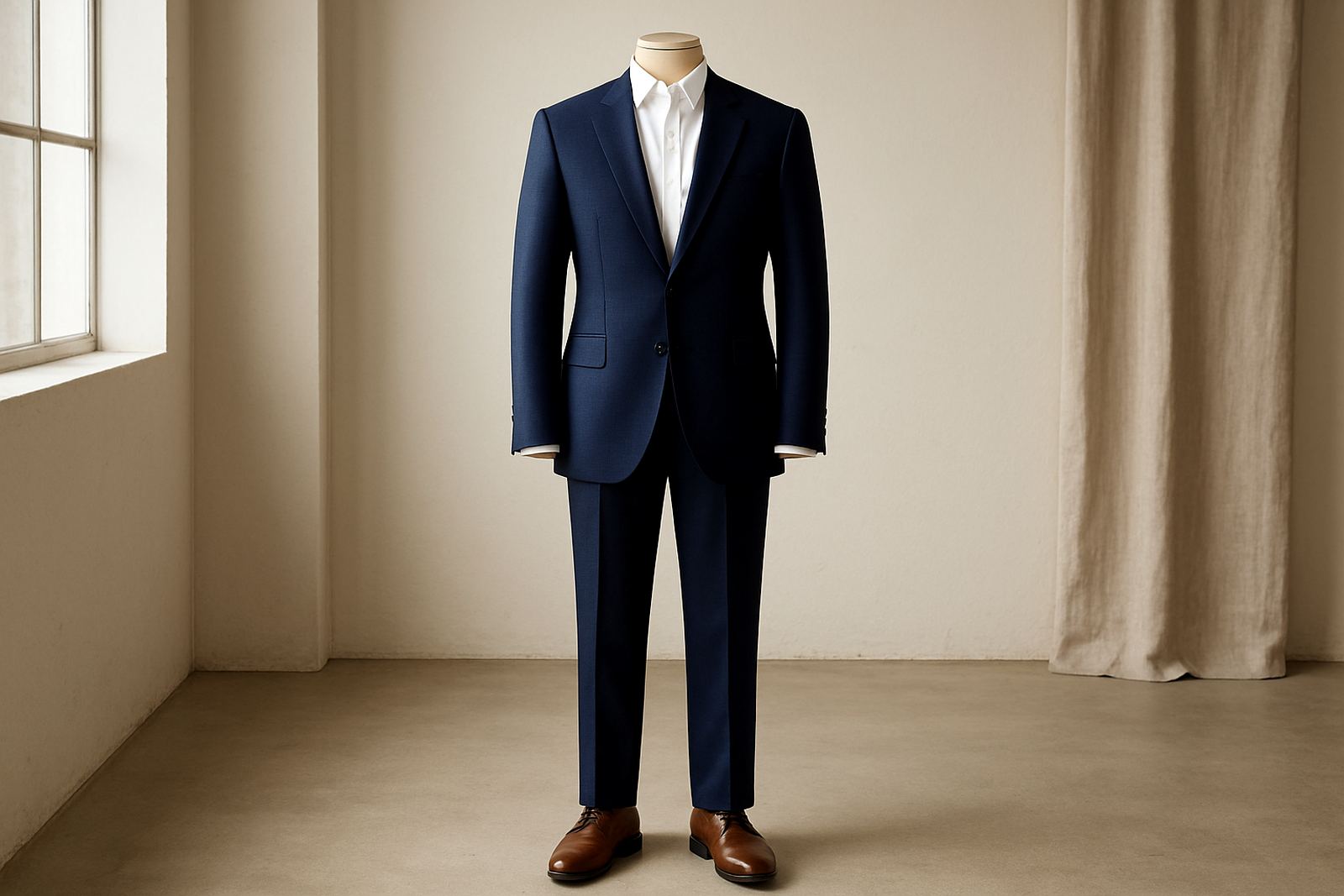
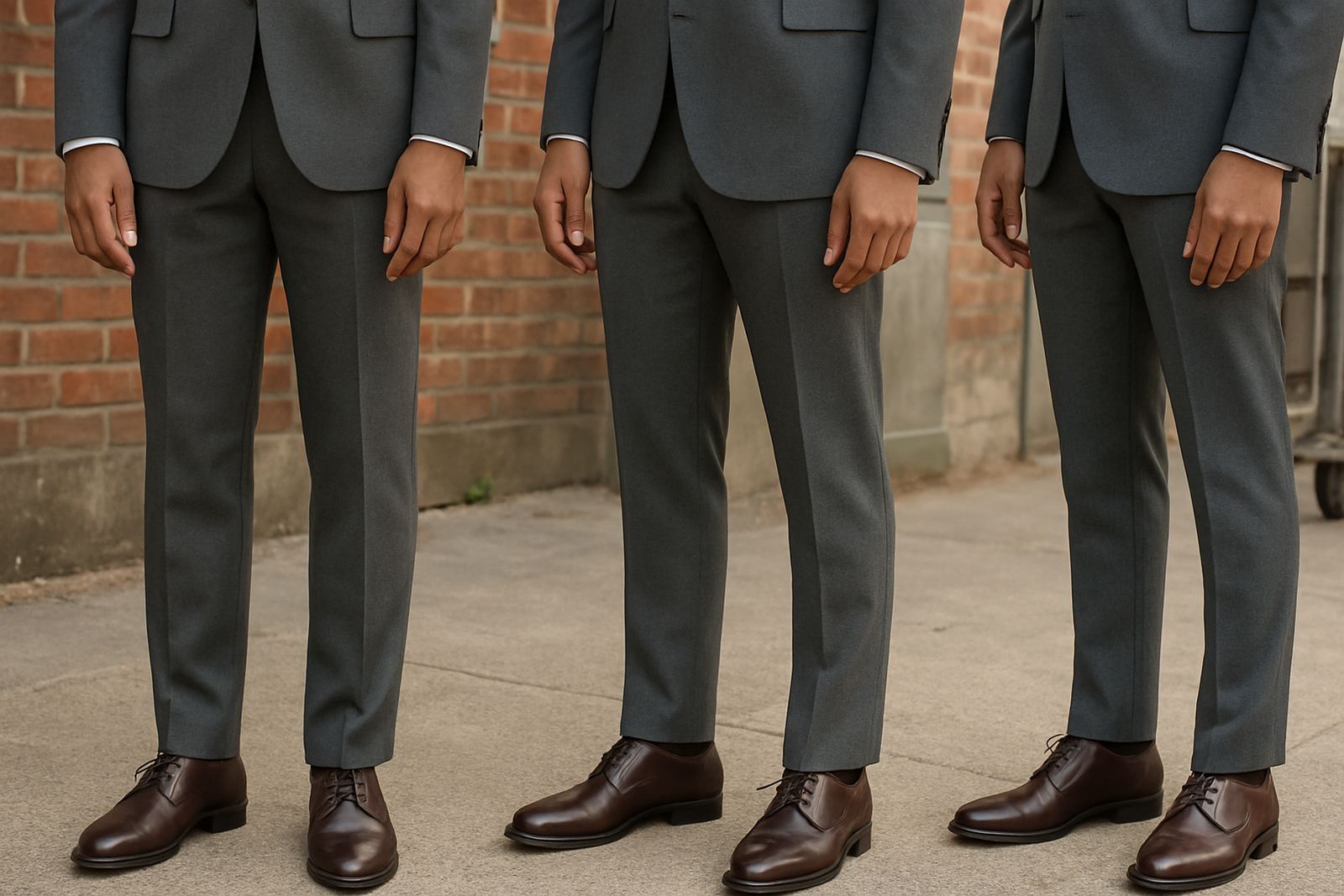
Break is the fold or crease that forms where the trouser hem meets the shoe. The more fabric sits on the shoe, the more break you have. The less fabric you allow to rest on the shoe, the cleaner and sharper the line looks. It is a small detail, but it can change how formal, relaxed or modern an outfit feels.
In made to measure work, break should be decided with the shoes you actually wear. A trouser that looks right with a chunky derby shoe may sit too low on a slim dress shoe. If you spend most weekdays in Sandton offices, or you need a suit for a wedding in Pretoria, the right break should match the setting and the shoe shape, not just the waist and seat measurements.
Full break for a traditional formal finish
A full break means the trouser hem sits lower and forms a clear fold on the front of the shoe, with more fabric resting over the vamp. This is the most traditional option and it works well for clients who want a classic suit look. It can also suit taller men, men who prefer wider leg trousers, or anyone who wants a softer line around the ankle.
Full break is often practical for cooler months and heavier cloths because the drape holds its shape well. In Johannesburg, where mornings can be cold and afternoons warm, a full break can still work if the trouser is cut properly and the hem weight is balanced. It is a good choice for conservative corporate dressing, black tie inspired events, and clients who prefer less ankle showing.
- Best for wider leg trousers
- Works well with classic lace up shoes
- Gives a more traditional formal look
- Useful if you like a softer silhouette
Half break for the most versatile everyday option
Half break is the middle ground most clients end up choosing. The trouser rests lightly on the shoe and forms a small fold, but not a heavy stack of cloth. It is smart, tidy and easy to wear for office days, client meetings and special occasions. If you want one trouser length that works in many settings, half break is usually the safest starting point.
This length also suits South African wardrobes well because people often need one suit to cover more than one purpose. A suit worn in Rosebank for a working meeting may later be worn in Durban for a family event. Half break keeps the trouser polished without looking too stiff. It also gives enough coverage if the trouser fabric softens over time after repeated wear and pressing.
- Good balance between formal and modern
- Easy to wear with most shoe styles
- Suitable for office, events and travel
- Helps trousers stay neat in daily use
No break for a sharper modern line
No break means the hem sits just above the shoe with little or no folding at the front. The trouser line stays clean from hip to hem, which gives a sharp modern finish. This style is popular with slimmer trousers and with clients who prefer a neat silhouette around the ankle. It can look especially strong with a narrow cuffless hem and a well balanced jacket.
No break needs accurate fitting. If the hem is too short, the trouser can look accidental rather than intentional. If you are standing most of the day, or if your trousers need to survive long commutes between Midrand, Randburg and the city, no break still works, but the cut must allow enough movement when you walk and sit. The trouser hem should not pull up too high when you are seated.
It is a good option for younger clients, slimmer builds and anyone who wants a cleaner profile in warm weather. On the other hand, if you prefer a more forgiving cut or you wear shoes with a higher vamp, a slight break may look better.
How to choose the right break for your shoes and build
The right break depends on more than taste. Shoe shape, trouser width, leg length and even fabric weight all matter. A wider trouser can carry more break without looking heavy, while a narrow trouser usually looks better with less break. The same applies to shoe shape. A rounder shoe can handle more cloth at the hem than a sleek shoe with a low front.
Fit should also account for how you stand and walk. Some clients naturally carry their weight forward, which makes the hem sit differently. Others prefer a slight puddle at the front, but that works only with the right cloth and hem allowance. If you are ordering online or through a studio fitting, bring the shoes you plan to wear most often. That gives a more accurate result than guessing off a picture.
- Bring the correct shoes to your fitting
- Decide whether the trouser is for work, weddings or daily wear
- Check the hem while standing and sitting
- Consider cloth weight and trouser width together
Local fitting advice for Johannesburg and nationwide clients
For clients in Rosebank, Sandton, Pretoria and beyond, trouser break is usually settled at the final fitting after the jacket and shirt are confirmed. That way the overall balance is right. In humid coastal areas like Durban, a slightly cleaner hem can feel lighter and less fussy. In cooler inland areas, some clients prefer a fuller break because they like the more traditional finish with heavier shoes and layered clothing.
For business wear in Johannesburg, half break is often the practical choice. It looks smart in the office, suits most body types and still feels relaxed enough for after work events. For weddings, formal dinners and tailored suits worn with polished shoes, some clients choose full break for a classic look. For creative or trend led wardrobes, no break can work well as long as the trouser remains long enough when you move. A good fitter will adjust the hem after the first try on, because even a few millimetres can change the result.
Trouser break forms part of the full fitting discussion, along with shoulder balance, jacket length and shirt cuff exposure. That means the trouser does not sit in isolation, it sits as part of the whole outfit. The result should feel comfortable, look balanced and still move well on a normal day in South Africa, from a boardroom in Sandton to a wedding venue in Cape Town.
The simple rule: decide the break before the hem is fixed
Once the hem is fixed, changing the break later is possible but it means more time and extra adjustment. It is better to decide early. If you are unsure, half break is usually the safest option because it gives you room to wear the trouser with different shoes and still look neat.
A quick way to judge it is this: if you want a classic and formal finish, choose full break. If you want a clean modern line, choose no break. If you want the most useful all round option, choose half break. That simple decision can save a lot of second guessing and it helps the finished suit sit properly from the start. A careful fitting makes the trouser hem sit naturally, not forced.