
Why regular travel changes what you should wear
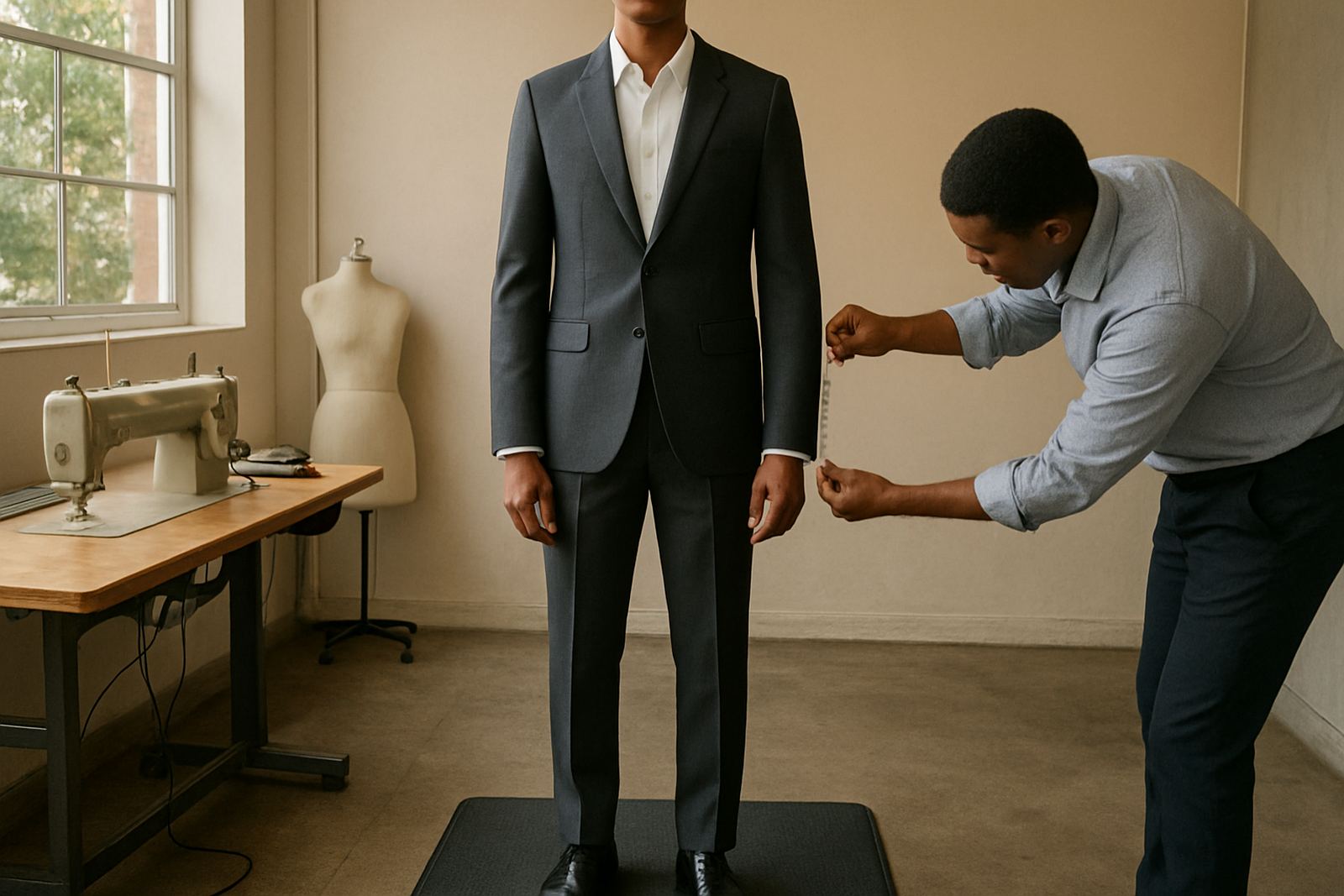
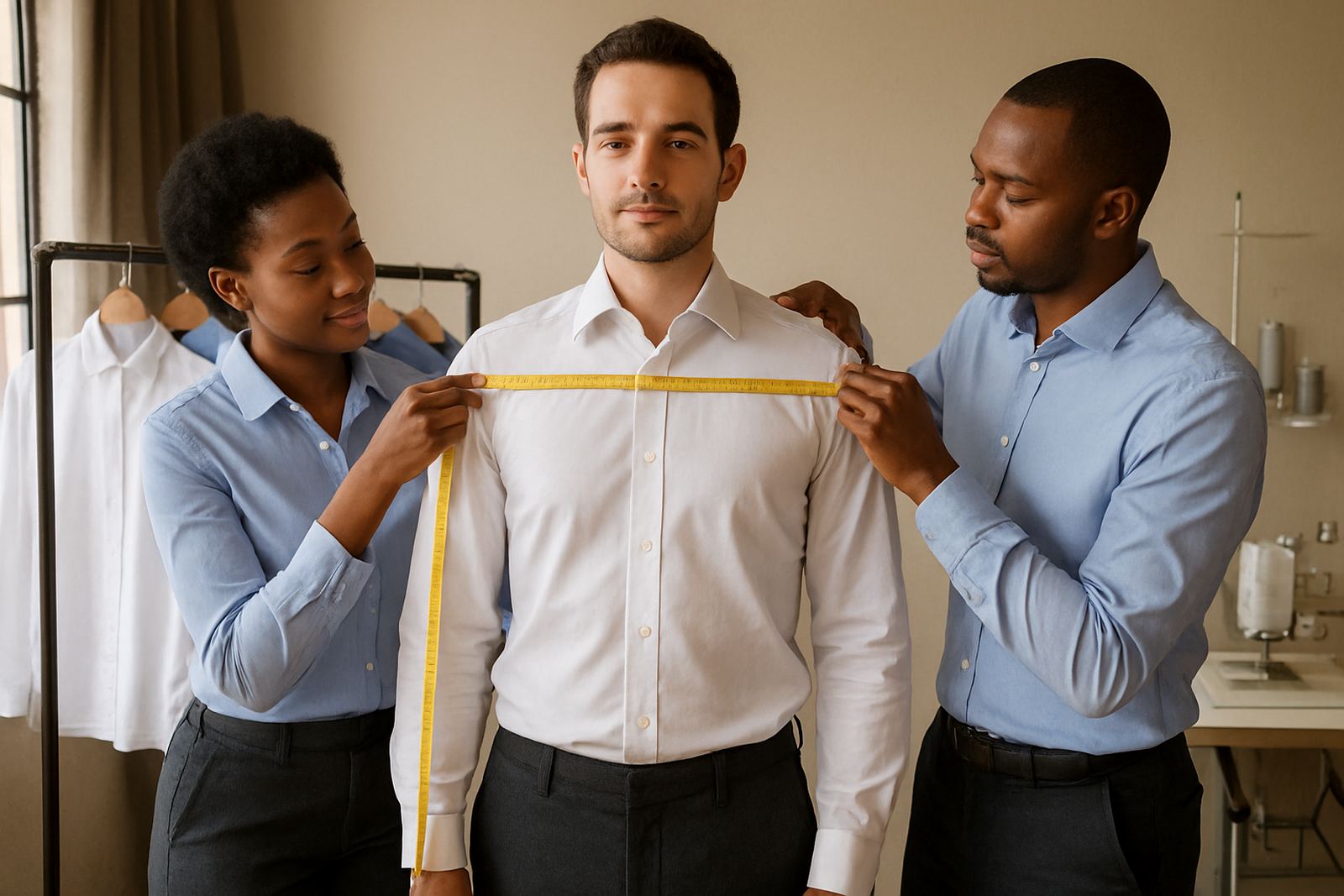
Frequent travellers need more than a smart outfit, they need clothing that works in taxis, airport queues, long drives and back to back meetings. A made-to-measure shirt or suit helps because the fit is set around your shoulders, neck, seat and sleeve length, so there is less pulling, less bunching and fewer last minute fixes before you leave a hotel room or car park.
For South African travel, this matters in practical ways. A suit that fits properly at the chest and trouser rise stays neater after sitting through a flight from Rosebank to Durban or a full day in Sandton. Shirts with the right collar size and sleeve balance are also easier to wear with or without a jacket, especially when the weather shifts from humid coast to dry Highveld air.
Typical clothing choices for a travel schedule
Most frequent travellers build a small set of versatile pieces instead of too many one-use items. The best starting point is usually two or three shirts, one suit in a travel-friendly cloth and trousers that can work with more than one jacket. Neutral colours often make packing easier, because they combine well and show less visible wear between laundry cycles.
- Shirts in white, light blue or pale grey for meetings and dinners.
- A navy or charcoal suit for formal appointments, presentations and airport transfers.
- Trousers with enough room at the thigh and knee for seated comfort.
- A second jacket or extra trousers if your schedule includes multiple events in one week.
- Subtle fabric choices that resist creasing better during transport.
We often advise clients to think in outfits, not single garments. That way a jacket can work with two shirts and one pair of trousers, or one shirt can move from an office setting to an evening dinner with a simple change of tie or pocket square.
How to plan a travel wardrobe that packs well
Good planning starts with the places you visit most often. Someone travelling regularly between Johannesburg and Durban will need different cloth behaviour to someone splitting time between Pretoria and Cape Town. Coastal humidity can make some fabrics feel heavier, while frequent air conditioning means you want a shirt that still sits neatly when you move from heat to cold in one afternoon.
We usually suggest a wardrobe map before cutting begins. This is where you list your common week, the kind of meetings you attend and how often you need formalwear. From there, the cut can be adjusted for movement, with a little more room across the back, a cleaner trouser line and sleeve lengths that still work when you wear a watch or carry a bag. Small details matter, like a jacket that closes comfortably when you are seated on a plane but still looks sharp standing up.
- Choose one main suit colour first, then add shirts around it.
- Keep one outfit for high formality and another for travel days.
- Use alterations carefully if you have already lost or gained weight.
- Ask for a fit that allows movement through shoulders and upper back.
Online fitting and studio fitting for a packed calendar
Clients who travel often do not always have time for repeated visits, so the fitting process needs to be efficient. Online fitting works well when you are based outside Johannesburg or when your diary is tight. Studio fitting is useful if you want direct guidance on cloth, style and fit in one appointment. Both options can lead to the same result when measurements are taken properly and the notes are clear.
For customers in Sandton, Midrand, Randburg and the wider Gauteng area, a studio visit can be scheduled around work hours. For Durban, Cape Town and other centres, courier delivery keeps the process moving without unnecessary delay. The aim is to reduce back and forth, which is important when a flight is already booked or a trip to a client site comes up at short notice.
Our team handles the sequence from consultation to cut and finishing. That includes the style consultation, fabric selection, fitting notes and final checks before dispatch. If a repeat order is needed later, we keep the same body data and style preferences on file so the next shirt or suit can be approached with less admin and less guesswork.
Common mistakes travellers make with formal clothing
One of the biggest mistakes is choosing clothing that looks good on a hanger but fails when worn for five hours. Tight armholes, short jacket sleeves and trousers with too little ease can make a person look restless even when the cloth itself is good. Another common issue is picking fabrics only for appearance and ignoring how they behave in heat, humidity or long periods of sitting.
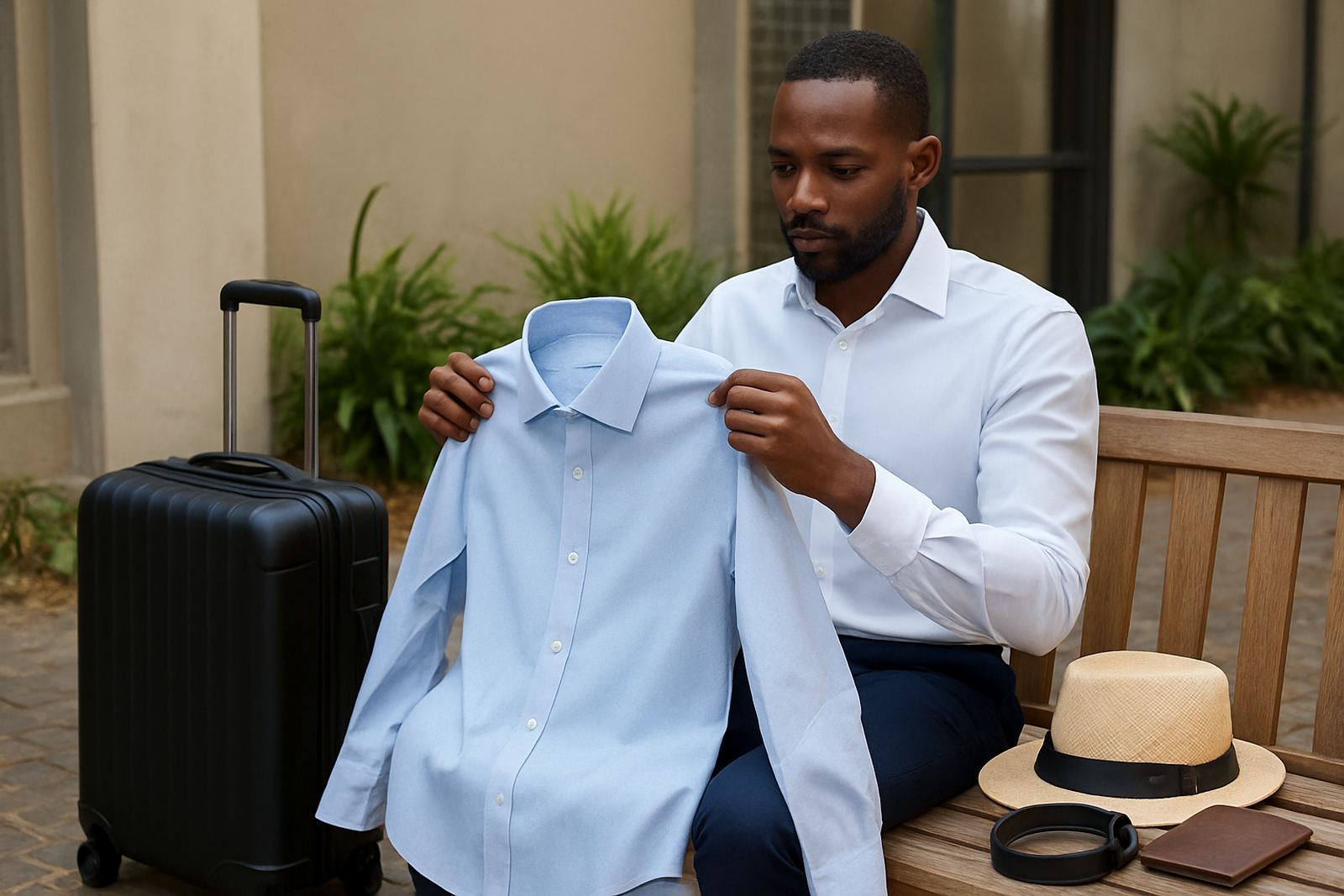
Travellers also tend to overpack. Too many single-purpose items add weight and make the suitcase harder to manage. It is better to have fewer pieces that work together. A shirt collar that sits properly, trousers that do not pull at the waist and a jacket that can be worn with confidence from morning to evening will do more for appearance than an oversized wardrobe. Another thing people miss is shoe and belt coordination, which affects the overall look more than they expect.
- Do not order a suit that is too slim for long seated periods.
- Do not ignore sleeve length, especially if you wear a watch or cufflinks.
- Do not choose fabrics that crease badly unless you have time for pressing.
- Do not leave alterations until the week of travel.
Budget ranges for travel-ready made-to-measure pieces
Budget depends on cloth choice, number of garments and the amount of custom work. For frequent travellers, it often makes sense to spread the spend across a few core pieces rather than buying many basic items. A well planned shirt range may start from around R950 per shirt, while more detailed custom shirts can sit from R1 250 to R1 850 depending on fabric and finishing. Suit jackets and trousers can range from about R4 800 to R9 500 for a made-to-measure set, with premium cloth and extra detailing pushing the price higher.
If you are building a full travel wardrobe, a practical starter budget is often between R7 500 and R15 000 for two or three shirts, one suit and some adjustment work. Larger corporate or repeat orders can be structured differently, especially when several people need similar pieces for a sales team, executive group or wedding travel itinerary. The useful question is not only what the garment costs, but how often it will be worn and how well it holds up over time.
For many clients, the better value comes from getting the fit right first time. That reduces alterations later, and it means the clothing stays in rotation instead of hanging unused because it feels awkward on a busy day.