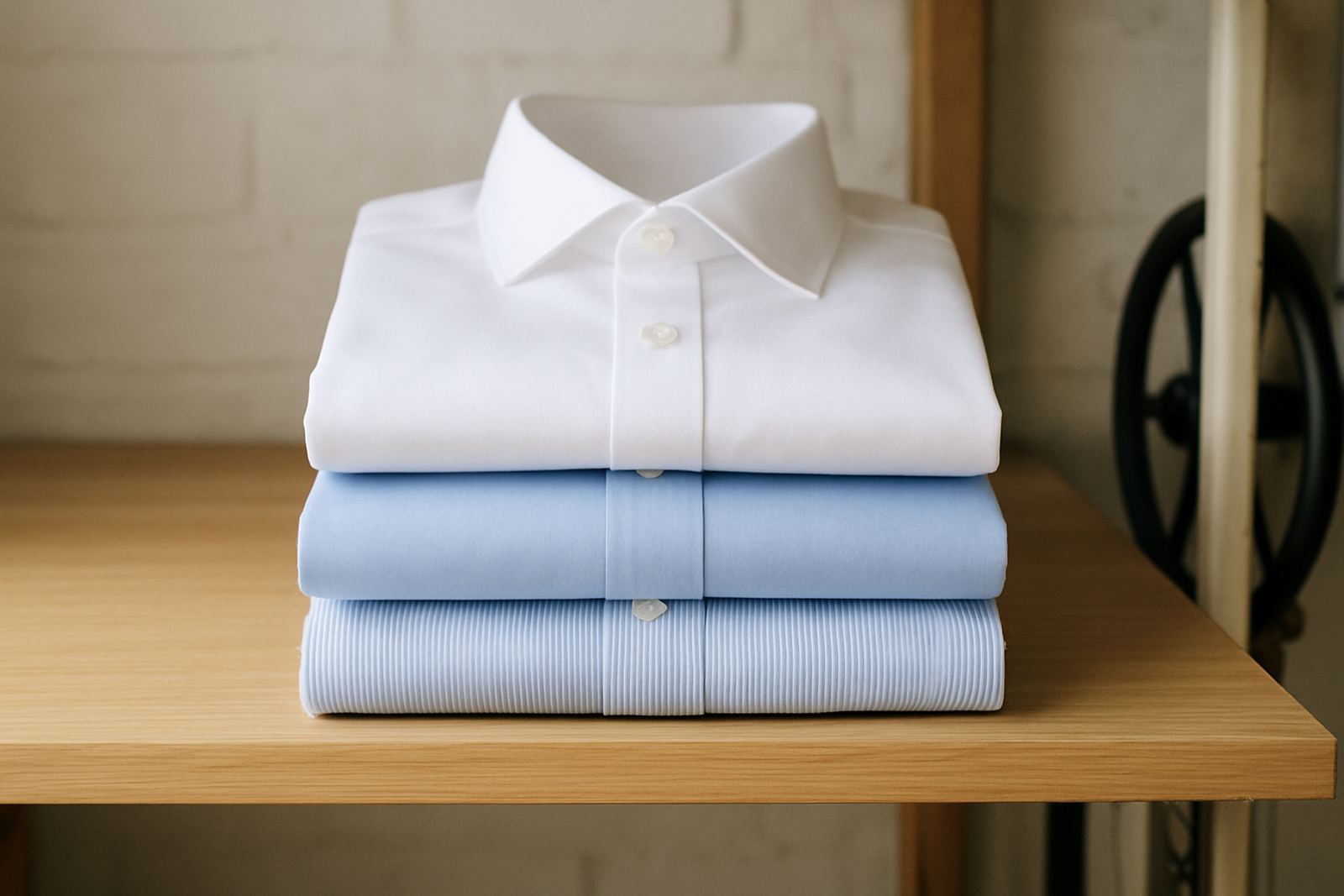
Start with the number of working days, not the shopping list
Most men begin with the wrong question, which is not "how many shirts do I like" but "how many shirts do I actually wear in a week". If you are in the office five days a week and want a fresh shirt each day, a practical starting point is 8 to 10 business shirts. That gives you enough for a full week, plus a small buffer for laundry delays, rain, or a last minute meeting in Sandton.
If your week is less formal, or you only wear business shirts on certain days, 5 to 7 shirts can be enough. The key is rotation. You want shirts that can move between Monday meetings, Tuesday site visits, and Friday calls without looking tired. In Johannesburg, where power cuts can interrupt washing and ironing schedules, that extra two shirts matters more than people think.
A smart rotation also protects the fabric. When the same shirt gets worn too often, collars fade faster and cuffs begin to show wear. Rotating properly means each shirt gets time to rest between wears, which helps it keep shape and finish for longer.
The colours that earn their place first
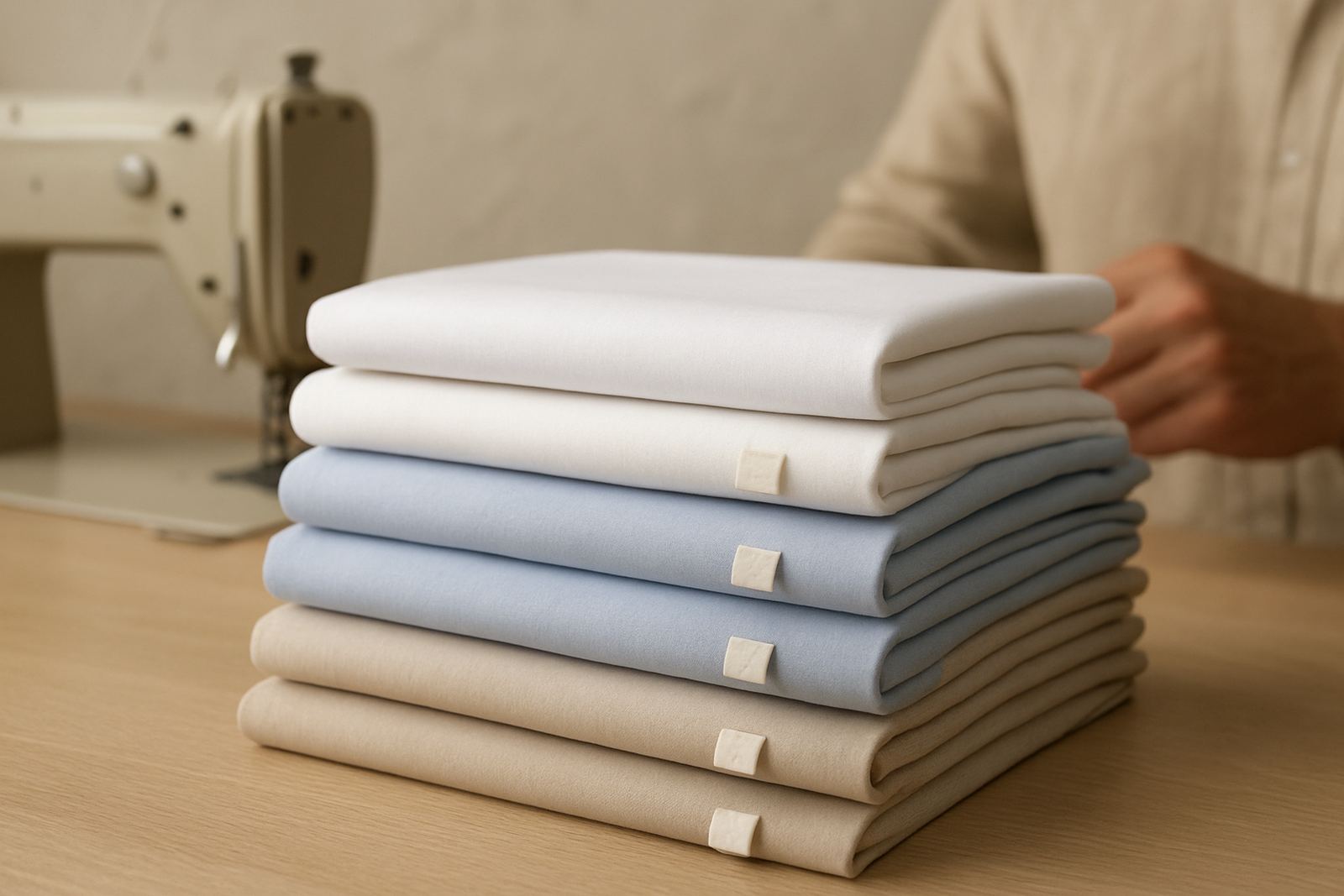
Before you add patterned shirts or stronger colours, build on the basics. White is still the most useful colour for formal workwear because it works with almost any suit, tie or jacket. Light blue is the next shirt most men should own. It is easy to wear, looks clean in daylight, and suits a wide range of skin tones and office settings.
Once those are covered, consider pale grey, soft pink, and a fine stripe. These colours add variety without making your rotation difficult to manage. In South Africa, where many men work across formal and semi-formal environments, these shades give you more options for client days, presentations and weddings.
Use colour to solve a real need rather than chase novelty. A man in Pretoria who wears navy suits all week may get good value from pale blue and white. A client in Cape Town, especially if he moves between office and dinner plans, may want one or two softer colours that feel polished but less severe.
A practical 10 shirt rotation for a busy professional
If you want a simple, balanced wardrobe, this is a strong starting point:
- 3 white shirts for formal meetings and important days
- 3 light blue shirts for everyday office wear
- 1 pale grey shirt for variation
- 1 fine stripe shirt for texture without too much pattern
- 1 soft pink shirt for a warmer look
- 1 shirt in a darker neutral, if your workplace allows it
This mix gives you enough repetition to keep dressing simple, while still leaving room for change. It also makes laundry easier because you know which shirts are in heavy use and which ones are reserved for more specific moments. If you travel between Johannesburg, Durban and Cape Town, a rotation like this travels well too because it covers most dress codes without overpacking.
Do not ignore fit when planning the rotation. A shirt that pulls at the buttons or bunches at the lower back will always feel like a mistake, even if the colour is correct. Made-to-measure shirts help here because the collar, shoulder and sleeve lengths are built around your body, not a general size chart.
What fabric choice changes in real life
Fabric affects how often a shirt can be worn and how easy it is to manage. In warmer parts of the country, especially along the coast, a lighter cotton weave can feel much better than a heavier cloth. In humid weather, shirts that breathe well dry quicker after washing and are less likely to feel stiff by midday.
For office wear, choose fabrics that can handle regular pressing and repeated wear. If you rely on an iron at home, or need to work around load-shedding, a cloth that releases wrinkles more easily will save you time. Some people prefer a firmer finish for boardroom days, while others want something softer for long counter free days moving between meetings and the car. Both can work if the fit is right.
Also think about collar structure and cuff style. A well shaped collar keeps the shirt looking neat under a jacket, while the cuff should sit comfortably at the wrist without swallowing the hand. Small details like these can change whether a shirt feels useful every week or only once in a while.
When to add patterns and stronger colours
Once your rotation has a solid base, you can add personality. Small checks, soft stripes and muted colours work best when you already own enough plain shirts. That way the patterned pieces stay in use rather than sitting in the cupboard because they are too busy for most days.
Strong colours should be added carefully. Deep navy, charcoal, and bold stripes can look sharp, but they are not the first shirts to buy unless your role calls for them. If your week includes client-facing work, job interviews, or formal events, the safer approach is to build around white and light blue first, then add one or two bolder options later.
- Choose patterns that still work with your plain suits
- Keep one shirt for less formal Fridays or evening events
- Avoid adding colour simply because it looks good on a hanger
- Test each new shirt with your most worn jacket and trousers
A useful shirt should pull its weight across more than one outfit. If it only works with one tie and one suit, it is not earning its place in the rotation.
A local example: a week in Rosebank and Sandton
Take a client who works in Rosebank, meets suppliers in Sandton, and travels into Pretoria twice a month. He needs shirts that hold up in traffic, under air-conditioning, and after a long day in a meeting room. For him, 9 or 10 shirts makes sense because the week is full and the wardrobe needs to cope with changes in weather, washing, and travel.
His rotation might look like this: three white shirts for formal days, three light blue shirts for regular office wear, one pale grey shirt, one striped shirt, and two shirts reserved for Friday or event wear. That mix keeps him prepared without making mornings complicated. It also means he can send one shirt for pressing while still having enough options for the week.
For many South African professionals, the right rotation is not about having more clothes. It is about having the right clothes ready when the week gets busy, and that is where tailored shirts make the difference.
How Fits Smart Tailoring helps you build the right rotation
How you work shapes the process before fabric and style choices do. We help clients choose the right number of shirts, then narrow down colour, fabric and fit based on their weekly routine. That includes online fitting for customers across South Africa, studio fittings for those who want hands-on guidance, and repeat orders for men who already know what works.
If you need shirts for the office, weddings, corporate wear, or a more flexible work wardrobe, the best result comes from planning the full rotation at once. That way the shirts work together, not as separate one-off pieces. Sibusiso Mthembu and the team also help with style consultation, fabric selection and alteration refinement so your wardrobe stays practical over time.
Good shirt rotation should make mornings simpler. It should save time, reduce wasted purchases, and give you a clean reliable look whether you are in Johannesburg, Durban, Cape Town or anywhere in between.