Why sleeve length changes the whole look
Most people focus on chest size, shoulder fit and trouser break, but sleeves carry a lot of visual weight. A jacket sleeve that is too long can hide the shirt cuff completely, while one that is too short can make the jacket feel borrowed. The same goes for shirts. If the cuff sits too high on the hand or disappears under the jacket, the outfit loses balance straight away.
For made-to-measure clothing, sleeve length is not only about comfort. It is also about how the eye reads the body. A good sleeve line makes the arm look neater and the whole upper body more controlled. That matters in meetings in Sandton, at weddings in Pretoria, and even on a Friday at a client lunch in Rosebank where people still notice the detail.
The shirt cuff rule that works in most cases
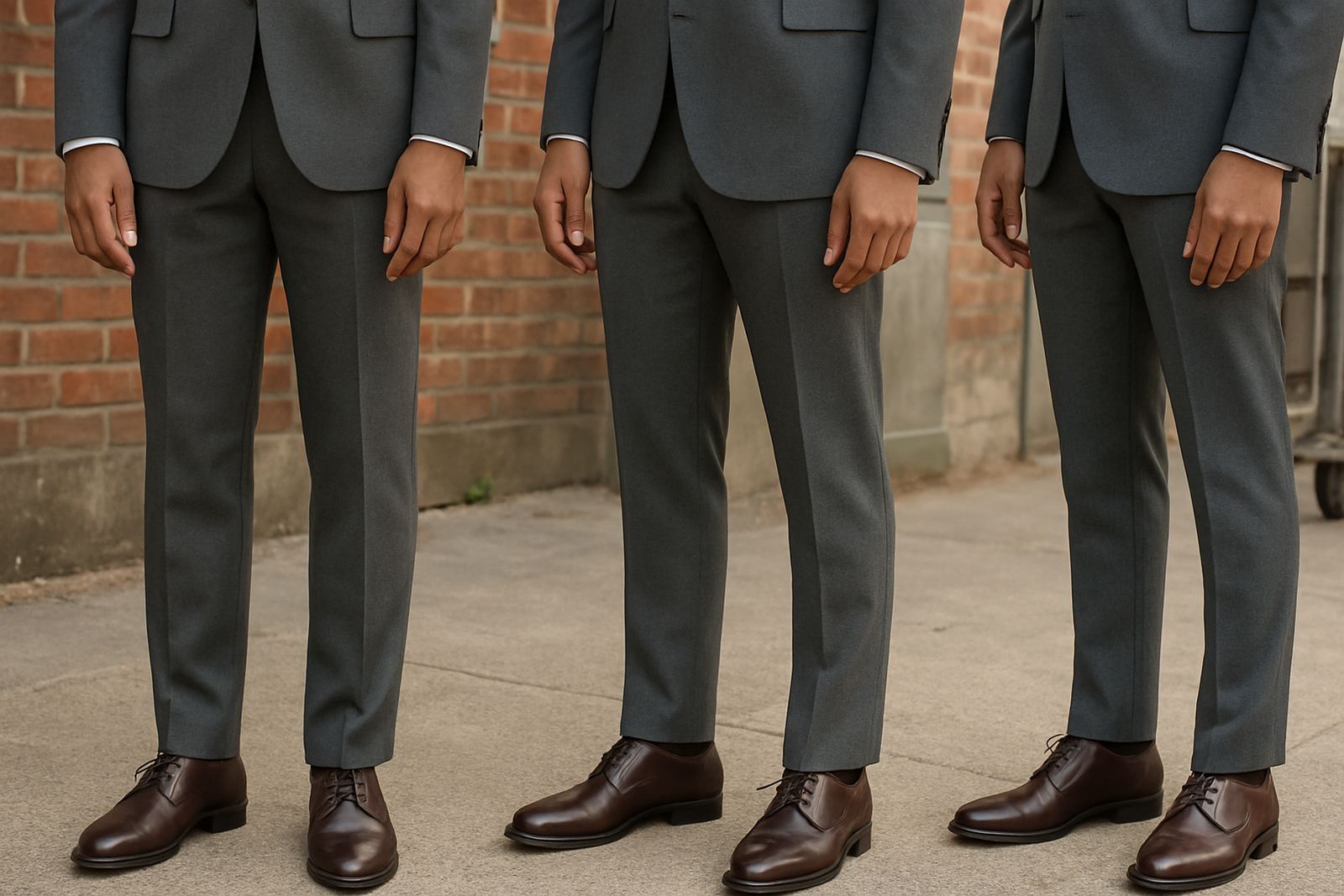
As a practical rule, a shirt cuff should show a little beyond the jacket sleeve when your arms are resting naturally. Enough shirt should show to show the cuff and a small part of the sleeve, but not so much that it looks as if the jacket has shrunk. In most cases, that means about 1 cm to 1.5 cm of shirt cuff visible. Some men like a slightly stronger cuff line for formalwear, but too much becomes distracting.
The shirt sleeve itself must be long enough to stay put when you bend your arm. If the sleeve is cut too short, the cuff rides up the wrist during the day and the shirt starts to look tired by lunch time. That is especially noticeable when you are typing, driving, or moving around a busy office in Johannesburg where you do not want to keep adjusting your sleeves.
- Check the cuff with your arms relaxed at your sides
- Lift your arms and make sure the cuff still sits comfortably
- When wearing cufflinks, confirm the cuff does not pull or twist
Jacket sleeves should frame, not swallow, the shirt
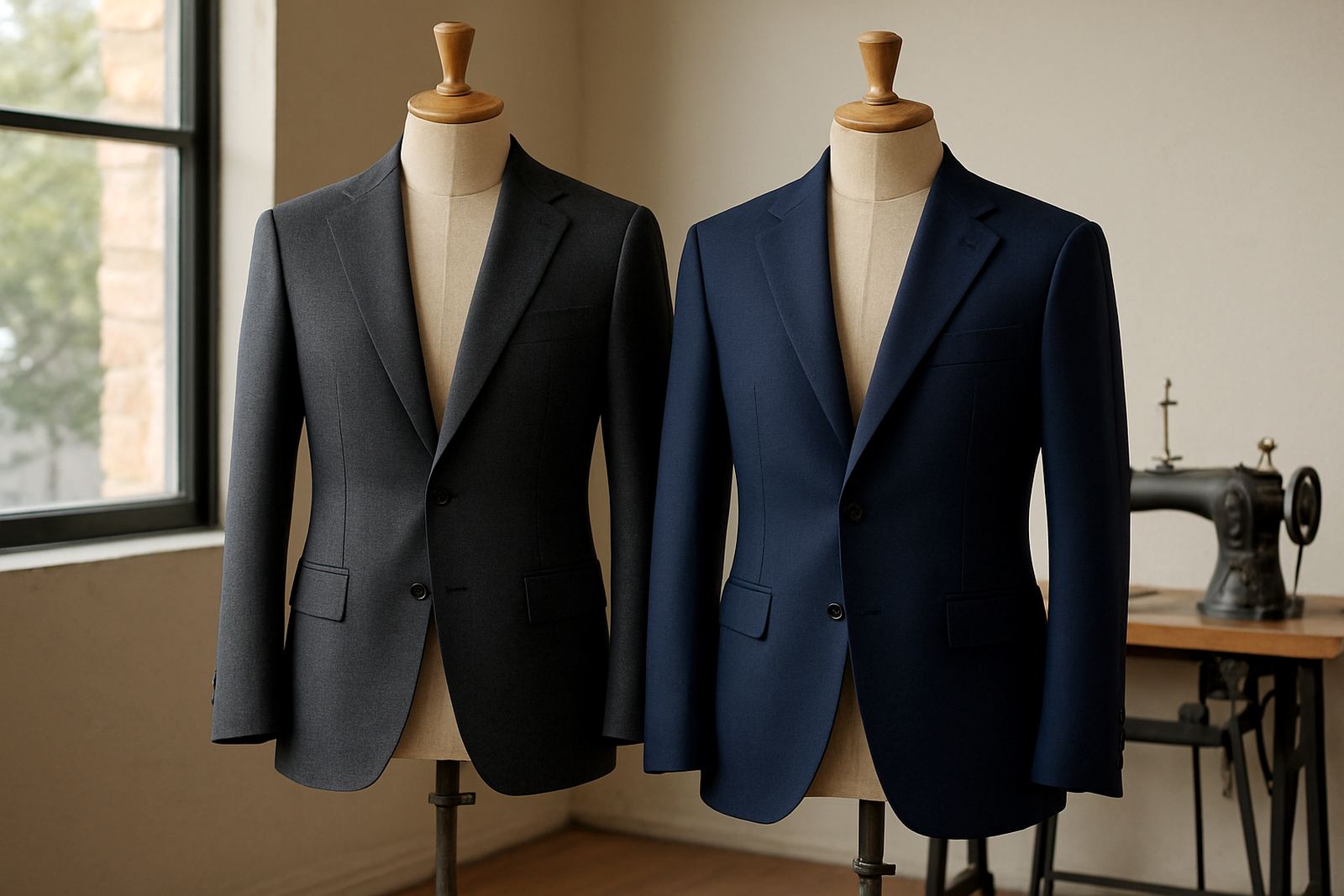
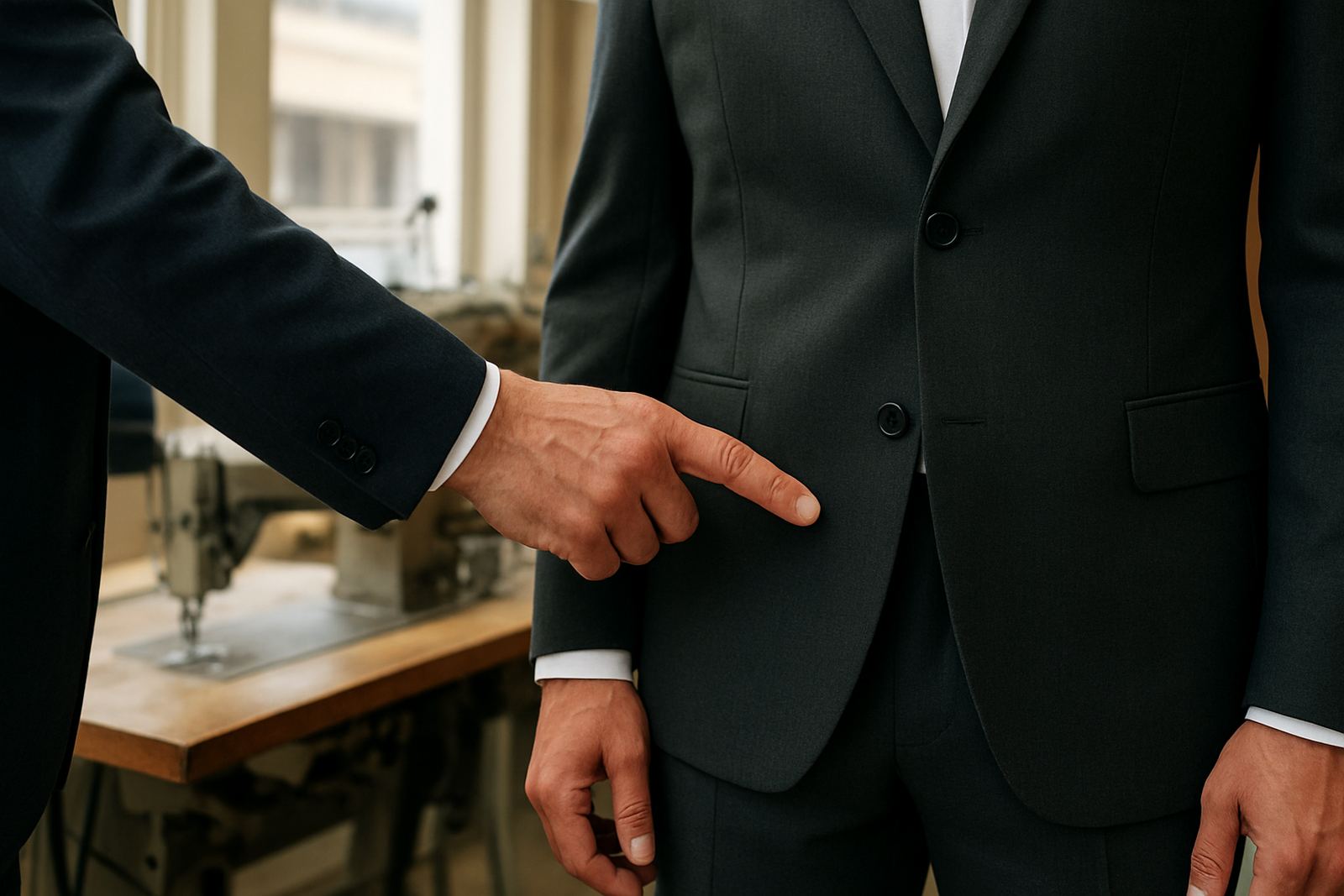
Jacket sleeves need to end at the right point on the wrist so they frame the shirt cuff rather than swallow it. If the jacket sleeve hangs too low, the shirt disappears and the whole outfit looks heavy. If the jacket sleeve is too short, the shirt shows too much and the sleeve looks accidently cropped. The best fit lets the jacket sit just above the wrist bone, with the shirt visible as a clean line underneath.
At fittings, we look at sleeve length with the jacket buttoned and the arms hanging naturally. We also check whether the sleeve opens properly at the hem and whether the lining or cuff detail is making the jacket sit strangely. A jacket can be the correct length in the body but still look wrong because the sleeves have not been balanced with the shirt. That is why sleeve length is always measured as part of the whole outfit, not in seperation.
- Do not judge sleeve length only when the arm is raised
- Try the jacket over the exact shirt you plan to wear
- For formal occasions, keep the cuff line tidy and even on both sides
How South African weather affects sleeve choices
Our climate changes the way sleeves behave. In Johannesburg and Pretoria, dry winter air can make people want a slightly fuller sleeve for layering, while summer heat pushes many clients toward lighter shirts with a cleaner wrist finish. In Durban and other coastal areas, humidity can make fabric cling a bit more, so sleeve cut and cuff comfort matter even more. A sleeve that looks neat in the fitting room should still move well after a few hours in the real world.
Load-shedding also comes into the picture more often than people expect. If you are getting ready at home with less light than usual, a clear sleeve rule helps. Keep the jacket and shirt paired during the fitting, take a photo from the side, and check the cuff line in daylight before the final press. That simple step avoids a wrong length being noticed only after you leave the house.
Sleeve length for work, weddings and everyday wear
Not every sleeve needs the same finish. A business suit for Randburg or Midrand may call for a crisp, conservative cuff line that looks good in meetings and on video calls. A wedding suit can carry a slightly softer sleeve balance depending on the lapel width, shirt collar and the formality of the venue. Everyday shirts can be cut a touch more relaxed, especially if you travel, drive a lot or prefer to roll the cuff from time to time.
The main thing is consistency. If the jacket sleeve is cut for a formal look, the shirt should support that look. If the shirt has a broader cuff or a heavier fabric, the jacket sleeve may need a different finish so the pair sits together properly. A small sleeve adjustment can be the difference between looking well dressed and looking as if the garments were bought sepearately with no thought.
- Corporate wear needs a cleaner, more controlled sleeve line
- Wedding wear can allow a little more personality, but still needs balance
- Casual shirts should still cover the wrist properly when you move
What we check during a sleeve fitting
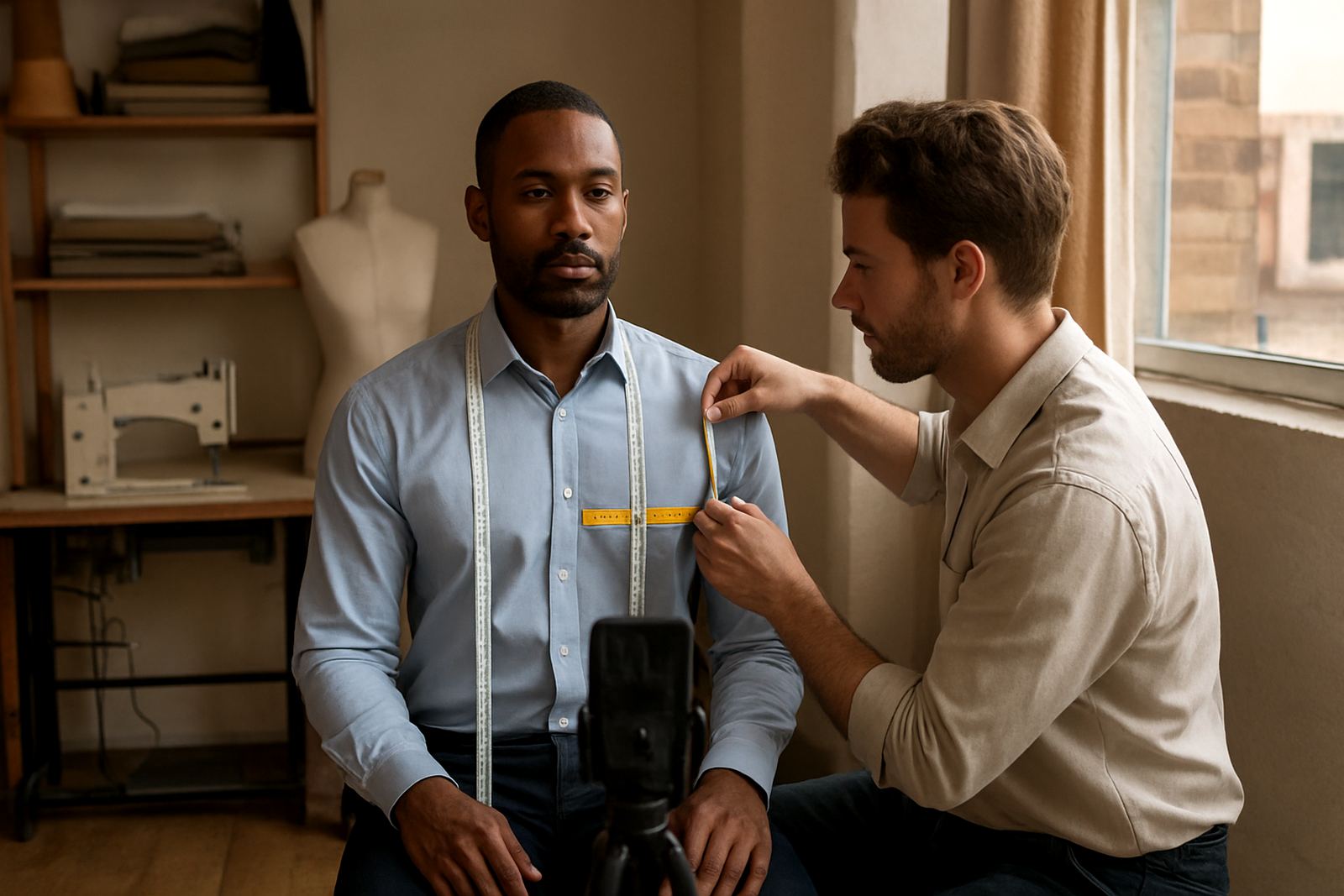
During an online or studio fitting, sleeve length is checked with the shoulder position, arm posture and cuff height. We look at where the wrist sits, how the jacket sleeve falls over the shirt, and whether the client prefers a visible cuff or a quieter finish. Some people like a stronger shirt cuff for formal photos. Others prefer the jacket to cover most of the wrist for a softer profile. There is no single answer, but there is always a neat answer.
We also consider body movement. A sleeve that feels right while standing still may pull when you reach for a steering wheel, shake hands or lift your arms. For clients in Cape Town or Durban ordering by courier, this step is important because the garment needs to work in daily use, not just in a still pose. Good tailoring should feel easy by the end of the day, not just for the first five minutes.
A simple rule you can remember before you order
If you keep one fitting rule in mind, let it be this: the jacket should frame the shirt cuff, and the cuff should support the jacket. When both are in proportion, the outfit reads as polished without trying too hard. Sleeve length is a small detail, but it is one of the first things people notice when they stand beside you.
For clients across South Africa, this is one of the most relevent checks in made-to-measure clothing. It helps whether you are dressing for court, a wedding, a boardroom or a family celebration. When the sleeve is right, the rest of the outfit usually settles into place as well.