
Start with the wash cycle, not the ironing board
Most shirt damage starts in the wash, long before anyone picks up an iron. If a shirt is made to measure, the fit depends on the fabric holding its shape, so the gentler you are at washing stage, the better it will wear over time. In South Africa many households also work around load-shedding, which means laundry often gets done in bursts, so it helps to keep a simple routine that does not need much fiddling.
Sort shirts by colour and fabric weight. Light cotton shirts can usually be washed with similar light items, while darker shirts should be kept separate for the first few washes if the dye is still settling. Turn shirts inside out to reduce rubbing on the outer surface and protect buttons and stitching. Use cool to lukewarm water and a mild detergent, especially if the shirt is worn often in hot weather. Strong bleach and heavy stain removers can weaken fibres and make collars look tired quicker.
- Fasten the top few buttons before washing so the collar keeps its shape.
- Empty pockets and check cuffs for pens, coins or lip balm.
- Use a gentle spin cycle rather than a hard one that twists the shirt.
- Wash shirts soon after wear if there is sweat, sunscreen or food stain residue.
Dry shirts without stretching the shoulders
How you dry a shirt matters almost as much as how you wash it. Hanging a wet shirt by the collar can pull the neckline out of shape, while overloading a tumble dryer can crease the fabric so badly that ironing becomes harder. In humid places like Durban, shirts may stay damp for too long if they are packed too close together. In drier Gauteng weather they may dry quickly but still need proper shaping while they are wet.
After washing, gently shake the shirt to release some of the wrinkles. Then hang it on a broad hanger that supports the shoulders, not a thin wire one that leaves marks. Smooth the front placket and cuffs with your hands before the shirt dries. If you line dry outdoors, keep shirts out of direct harsh sun for long periods because strong sunlight can fade colour and make cotton feel brittle over time. If you use a tumble dryer, stop while the shirt is still slightly damp and hang it straight away. That small bit of moisture makes pressing easier and reduces the chance of shrinking.
- Use a wide hanger with rounded shoulders.
- Leave space between shirts so air can move around them.
- Do not peg shirts by the shoulders, it leaves marks.
- Keep white shirts out of very strong midday sun where possible.
Press the shirt while it still remembers its shape
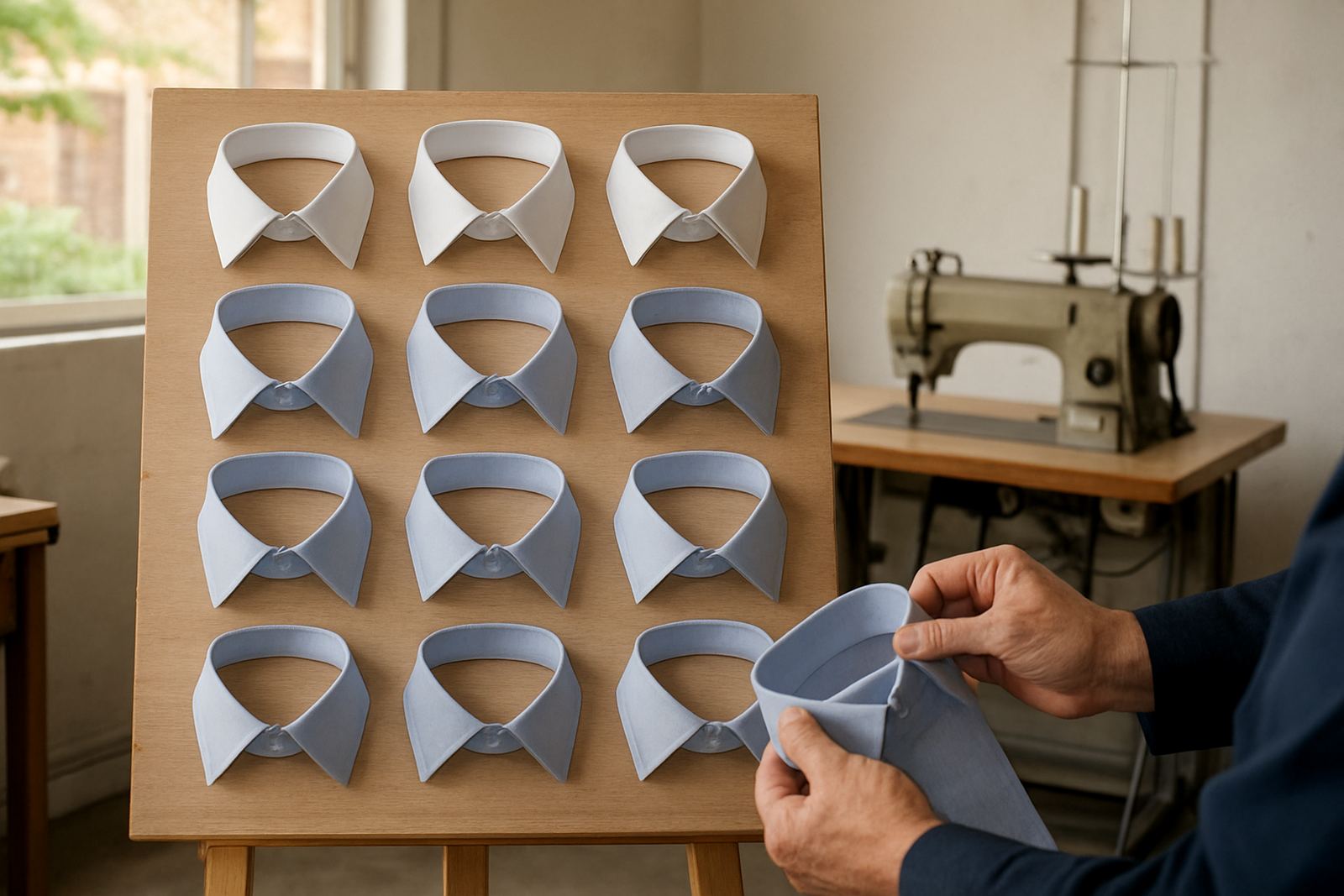
Ironing is easier when the shirt has been dried neatly and is still a little damp. A dry shirt often needs more heat and more pressure, which can flatten the fabric too much or shine the surface, especially on finer cotton. Set the iron to suit the fabric rather than using full heat for every shirt. If the shirt has a fused collar or structured cuffs, too much heat can damage the finish and make the edges look tired.
Press the collar first, then the cuffs, sleeves and body. Use a clean ironing board cover and make sure the sole plate is clean, because old starch and dirt can transfer onto pale fabric. For shirts worn in Johannesburg traffic or in warm office conditions, a quick press on the areas that show most is often enough between deeper laundry days. If a shirt has a stubborn crease after drying, a light mist of water will help, but do not soak the fabric. Too much water can create new marks and take longer to dry again.
A good rule is to press enough to restore shape, not to flatten every natural bit of movement out of the cloth.
Store shirts so collars and cuffs stay tidy
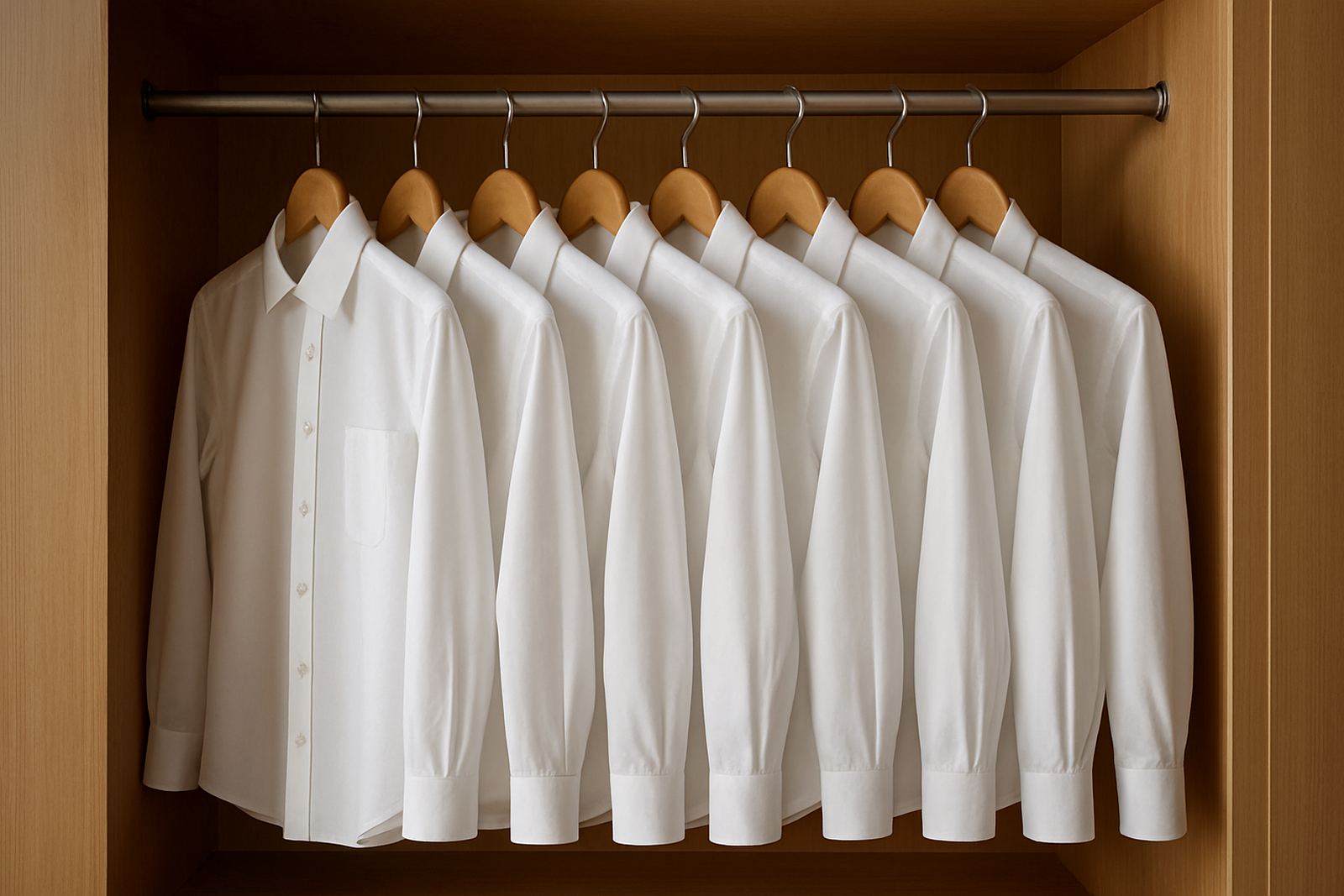
Storage is where many shirts lose their crisp line. Folding a shirt badly or pushing it into a tight shelf can crease the shoulders and collar, especially if the fabric is soft. If you wear shirts often for work, meetings or events, keep them on hangers in a dry cupboard where air can move. In coastal homes, moisture in the air can build up inside cupboards, so a little ventilation goes a long way.
For long term storage, make sure shirts are clean and fully dry first. Any sweat or body oil left in the fabric can yellow over time. Button the top button and the cuff buttons before hanging to help the shirt keep its line. If you fold shirts for travel, place tissue paper inside the collar and fold along the natural seams. That reduces hard creases and saves time at the other end. It is also worth avoiding overcrowded rails, because shirts need space to hang naturally or the shoulders start to flatten.
- Hang shirts with enough spacing so sleeves do not crease against each other.
- Store white shirts away from coloured items that may rub or transfer dye.
- Use breathable storage, not sealed plastic for long periods.
- Check the cupboard for damp, especially after heavy rain or in older homes.
Treat sweat, makeup and collar marks early
Some of the worst shirt wear comes from everyday use, not from the wash itself. Sweat on the neck, foundation on collars, deodorant on underarms and sunscreen on cuffs can all build up if they are left too long. The longer those marks stay in the cloth, the more washing and scrubbing are needed later. That means more wear on the fibres and a shorter life for the shirt.
After wearing a shirt on a hot day, let it air out before putting it with the rest of the laundry. If the collar has a marked line, pre-treat that area gently with a little detergent and lukewarm water. Do not scrub hard with a brush because it can roughen the fibres and leave the collar looking faded. For white shirts, act quickly on yellowing at the neckline and underarms. For darker shirts, use less product and test on a small hidden area first. If you travel often between Rosebank, Sandton or Pretoria for work, keeping a small shirt care routine at home makes a noticeable difference over the season.
It is much easier to remove light marks early than to rescue a shirt after weeks of build up, and the fabric will thank you for it.
When care habits should lead to better fitting choices
Sometimes a shirt keeps losing shape because it was not meant to carry the way it is being worn. If collars sag, sleeves twist or the fit feels strained after a few washes, it may be worth reviewing the cut, fabric and how the shirt sits on the body. A made-to-measure shirt should match your shoulders, neck and sleeve length closely so the cloth is not under constant stress. That matters for office wear, weddings and repeated weekday use alike.
Shirt fit and shirt care need to be planned together. If a client in Midrand needs shirts for weekly meetings, or someone in Cape Town wants lighter fabric for warmer days, the right specification can reduce wear from the start. A properly measured shirt is easier to wash, easier to press and easier to store because it starts with the correct balance through the body and collar. Good care then keeps that balance in place. Small details matter here, and a shirt that fits well usually needs less fixing later. If you have a shirt that keeps going out of shape, it is worth asking whether the fabric, the construction or the fit needs adjusting rather than pushing harder with the iron.
For repeat orders, keeping notes on fabric type, collar height and how often the shirt is worn can save time and improve the next one. That is especially useful for corporate wardrobes and regular weekday shirts.