
Start with the way a suit rests after wear
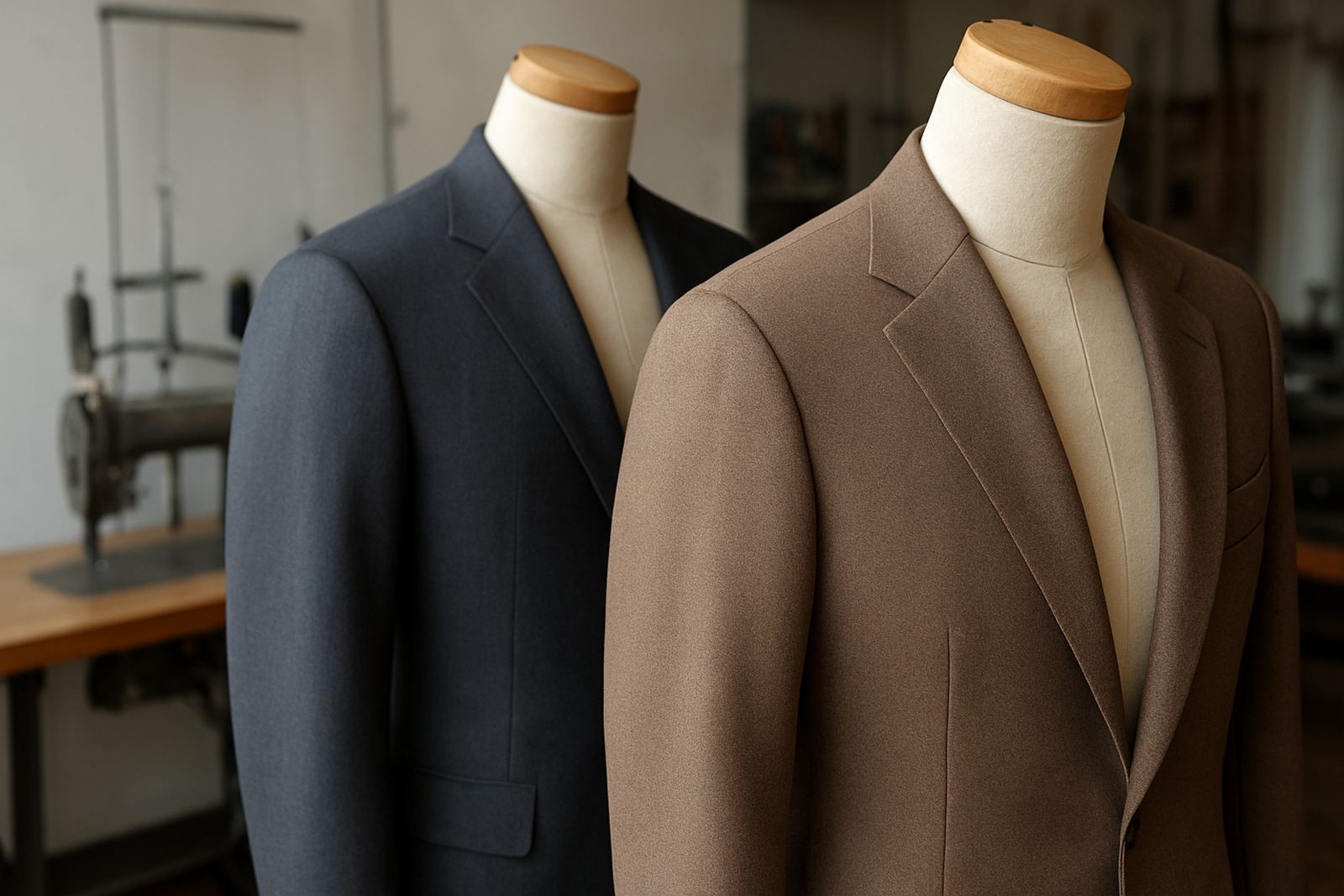
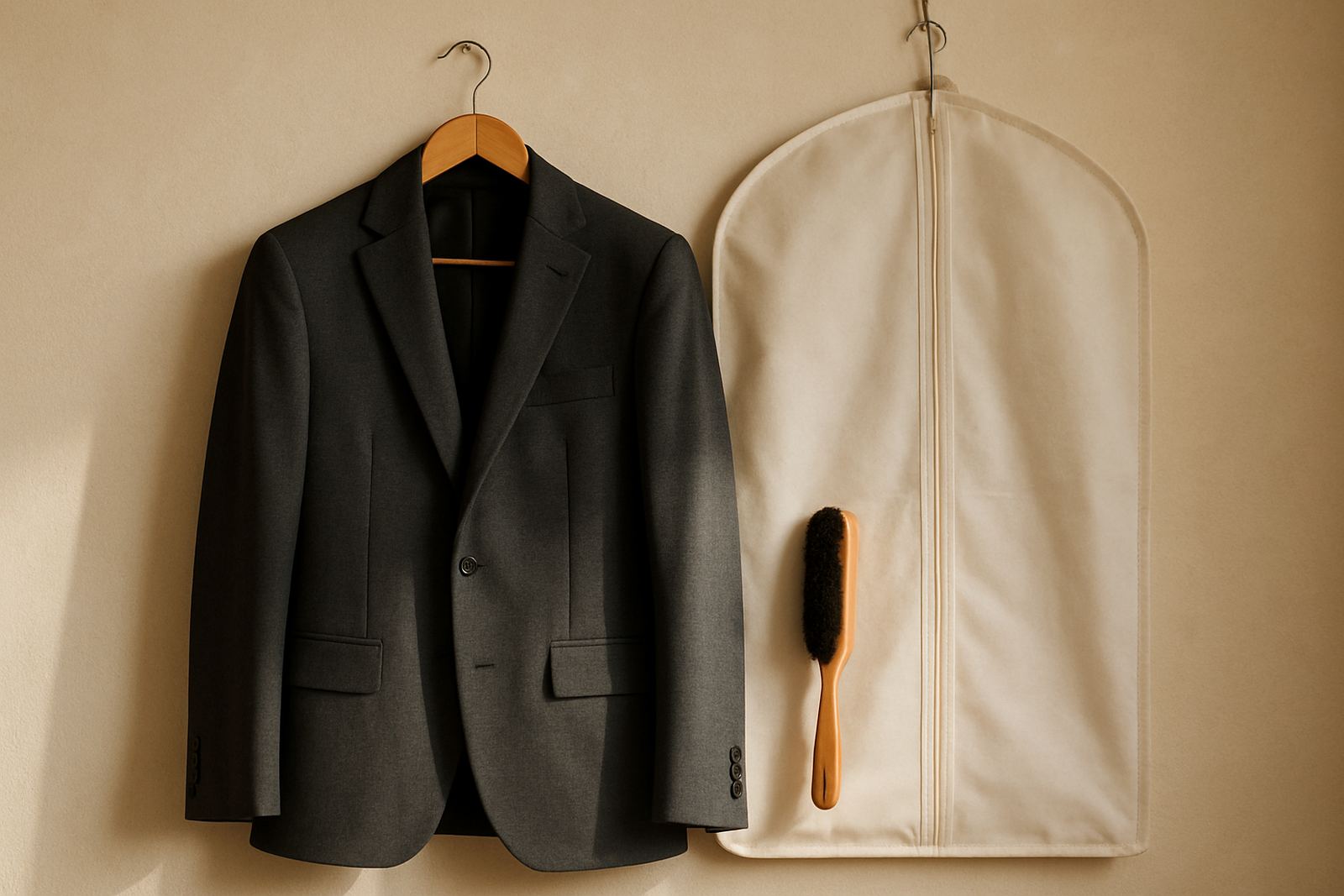
After a suit has been worn, do not push it straight back into a crowded wardrobe. Hang the jacket on a wide, shaped hanger so the shoulders are supported and the chest keeps its line. Give the cloth time to breathe for at least 24 hours before it goes back into closed storage. That pause helps release light moisture from body heat, especially after a long day in Sandton traffic or a wedding in Durban where the air can feel damp by evening.
The trouser crease also stays sharper when you hang the pants by the waistband or fold them once over the hanger bar. If the suit was worn for a full day, turn the pockets out for a short while and let the lining settle. A little air flow matters more than people think, and it prevents that stale closet smell that builds up in sealed cupboards.
Brush off dust before it becomes wear
Fine dust from Gauteng roads and dry winter air can sit in the cloth and slowly dull the finish. Use a soft clothes brush after wearing the suit, moving from the shoulders down to the hem with light strokes. Brush the lapels, sleeves, trouser seams and the back vents where dust collects most. This takes two minutes and can save you from sending the suit for cleaning too often.
For everyday care, keep the brush at the door or in the wardrobe so it becomes routine. If the jacket picked up lint from a car seat or a restaurant chair, remove it before the suit is put away. Never scrub hard on wool or blended cloth. Gentle brushing is enough to lift surface dirt without flattening the texture.
- Brush in one direction, not in circles.
- Pay attention to elbows, pocket edges and collar seams.
- Use a lint roller only for surface fluff, not pressed dirt.
- If the suit is damp, let it dry fully first before brushing.
Rotate suits instead of overworking one favourite
Many clients wear the same navy suit all week because it feels easy, but repeated wear without rest shortens the life of the cloth and lining. Rotate between at least two suits if you wear tailoring for work, meetings or church. That gives each suit time to recover its shape and reduces shine on the seat, knees and sleeves.
In practice, a second suit can be a plain charcoal option for office days and the first suit can be reserved for important client meetings or events. If you travel between Pretoria and Rosebank for business, keep one suit for longer days and one for short appointments. Rotation also makes sense for corporate wardrobes where the same outfit gets a lot of use in a month. The cloth lasts better and the seams stay tidy for longer.
- Do not wear the same suit on two consecutive days if you can avoid it.
- Give each suit time to air out before packing it away.
- Use separate hangers so the shoulders do not press into each other.
- Keep a simple rotation schedule if you own 3 or more suits.
Store suits properly for Johannesburg, coast and inland travel
Storage is where many suits are damaged. A jacket squeezed into a narrow wardrobe or a trouser folded under heavy winter jerseys loses its shape quickly. Use a breathable garment bag for travel, but avoid sealed plastic for long-term storage because it traps moisture. That matters in coastal areas like Cape Town and Durban where humidity can linger, and it matters inland too when load-shedding leaves wardrobes cooler and darker for longer periods.
For long-term storage, make sure the suit is clean, fully dry and hung in a cool cupboard away from direct sun. Sunlight can fade dark cloth and weaken fibres over time. If you store winter suits for a few months, check them every few weeks so moths, dust and damp are caught early. A cedar block or similar natural pest deterrent can help, but the suit still needs air movement and room around it.
- Keep the hanger width close to your shoulder width.
- Leave space between jackets so the fabric does not crease against other clothes.
- Store trousers with the crease aligned to avoid extra ironing.
- Do not pack a suit away when it is even slightly damp.
Steam lightly and avoid rough pressing
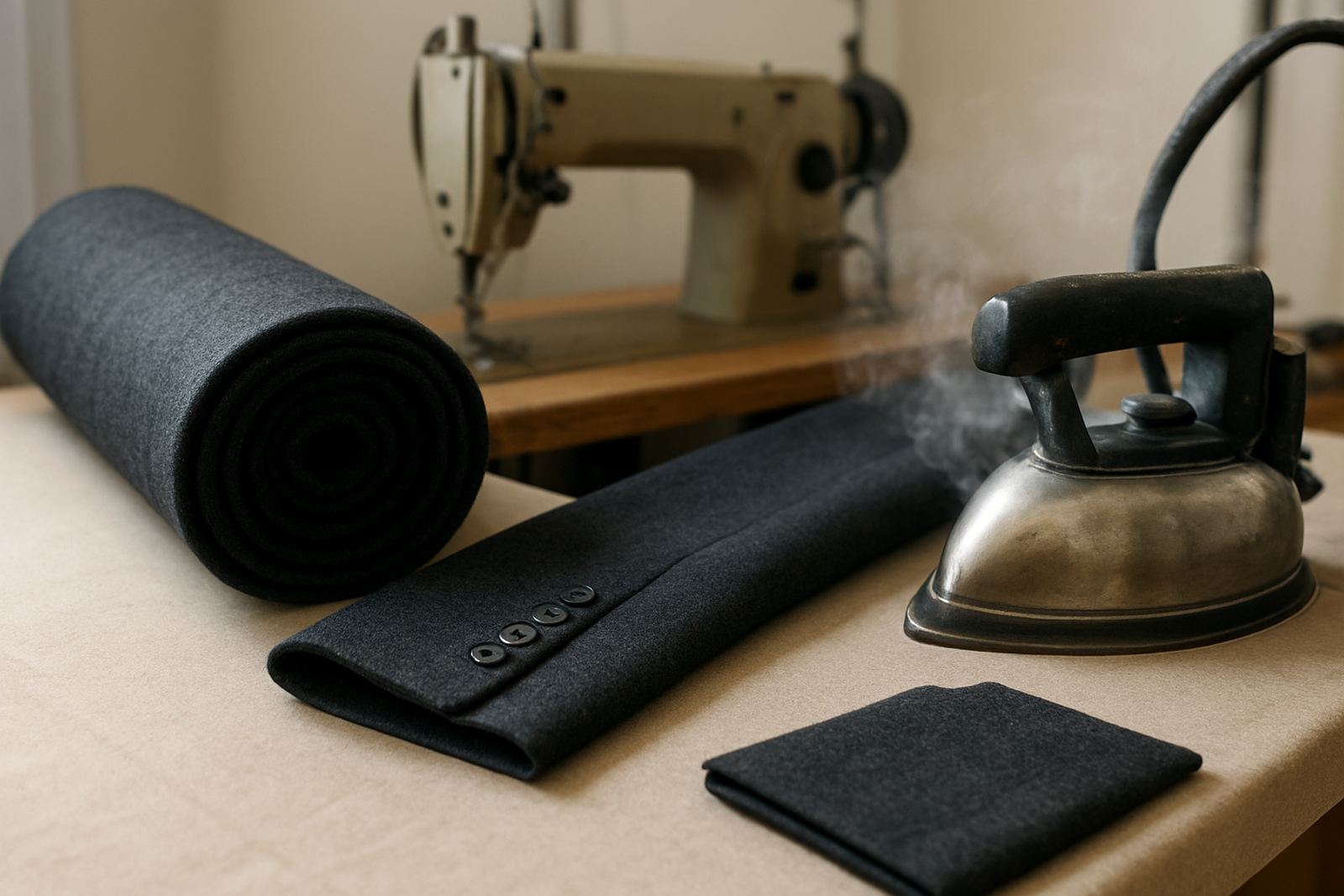
Most suits do not need aggressive ironing after every wear. A gentle steam helps relax wrinkles and refresh the cloth without flattening the texture. Hold the steamer at a short distance and keep it moving. On wool suits, too much direct heat can leave shine marks, especially on the lapels, seat and front panels.
If a jacket needs a proper press, take it to someone who understands tailored construction. A suit has shape inside the chest, shoulders and lapel roll, and rough pressing can crush that structure. For shirt cuffs, trouser hems and visible folds, use a medium heat setting and a pressing cloth if you are handling it at home. It is better to go slowly than to overheat the cloth and regret it later.
Look after small spills before they set
Food, coffee and rain happen. The key is to deal with marks quickly and calmly. Blot, do not rub. If a small stain lands on the jacket during lunch in Rosebank or a client dinner in Midrand, use a clean dry cloth to lift excess liquid first. Then let the suit dry naturally before deciding on cleaning. Rubbing only pushes the mark deeper into the fibres and can roughen the surface.
When the lining picks up a smell from smoke, food or sweat, airing the suit in a shaded place can help. For stronger marks or repeated wear after weddings, funerals or travel, a professional clean may be needed. The aim is not to clean the suit too often, but to clean it well when the time is right and avoid unnecessary wear on the cloth.
Why proper suit care protects fit as much as fabric
A suit is cut to sit a certain way on the body, so care is not just about appearance. When the jacket keeps its shoulder line and the trousers keep their crease, the whole garment fits better for longer. That is especially important for made-to-measure suits because the point of the garment is shape, balance and comfort. Poor storage can undo that work faster than most people realise.
A well-kept suit shows itself immediately when we compare it with one that has been crushed into a tight cupboard. The careful one keeps its drape, feels easier to wear, and looks sharper at the next fitting or event. A man from Pretoria once brought in a suit he had worn through a long winter season, but because he had brushed it and hung it properly, the jacket still held its line with only minor refinement needed. That kind of upkeep saves money and keeps your wardrobe working harder for you.