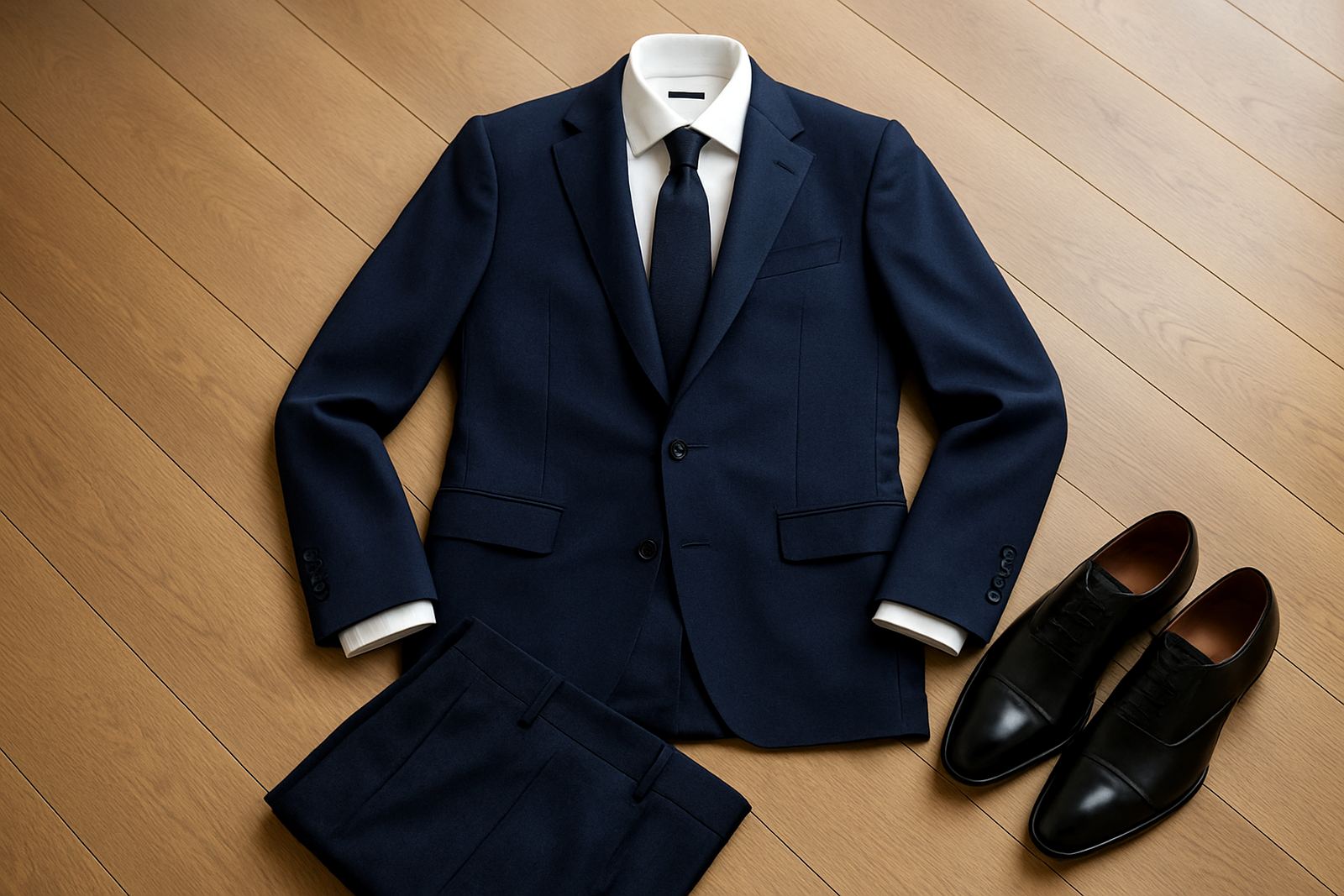
Start with the meeting, not the mirror
Before you choose a shirt or suit, think about where you are going and who will be in the room. A board meeting in Sandton, a client pitch in Rosebank, and a site visit in Durban do not call for the same level of formality. The aim is not to dress louder than everyone else, but to look considered and easy to trust.
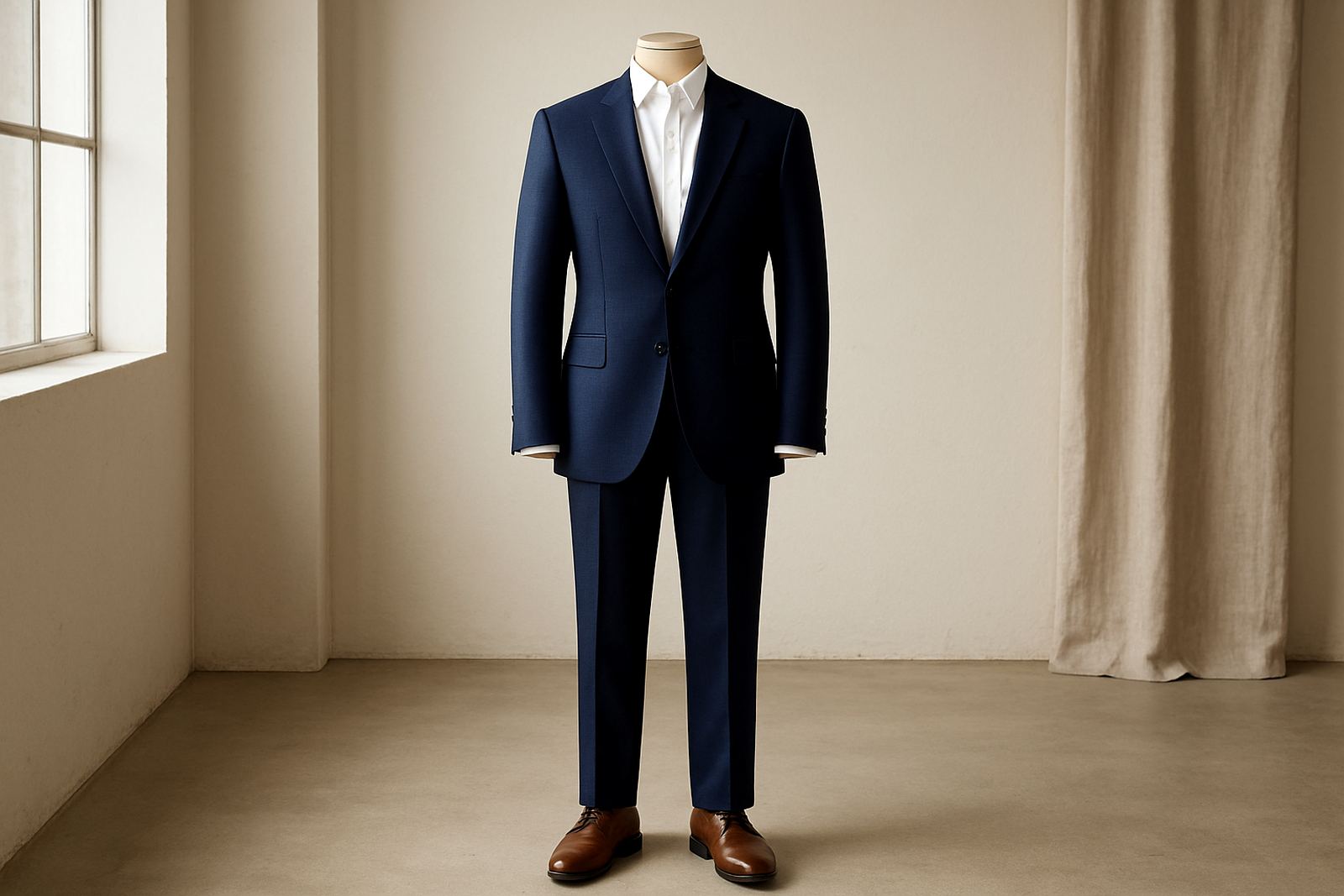
For most professional settings in Johannesburg, a well cut shirt and suit in a quiet colour will serve you better than anything trendy. Navy, charcoal and mid blue are reliable choices, while a crisp white or light blue shirt keeps things clean. If your day includes travel between meetings, choose fabrics that hold shape after sitting in traffic and getting in and out of a car a few times.
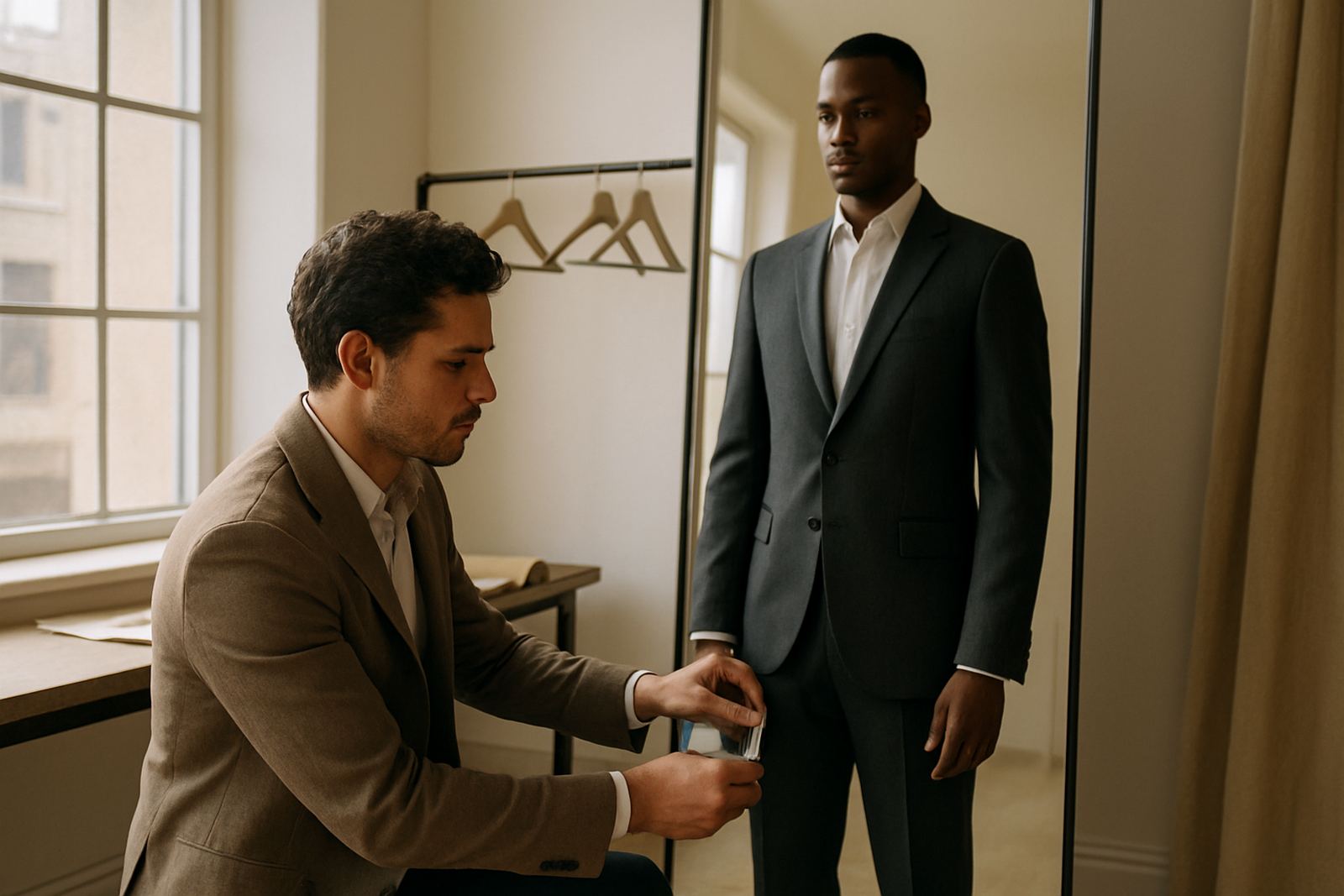
Fit matters more than label. A jacket that pulls at the buttons or trousers that sit too long at the shoe can make even good cloth look careless. Small adjustments at the shoulders, sleeve length and waist can change the whole impression, and that is where made-to-measure work earns its keep.
The shirt does most of the talking
In meetings, the shirt is often the first thing people notice once you sit down. If the collar gapes, the sleeves bunch up or the back feels tight across the shoulders, you will spend the day adjusting yourself instead of focusing on the discussion. A made-to-measure shirt gives you a cleaner line through the body and more comfort around the neck and arms.
For business settings, keep the collar shape sensible and the cuff length correct so the shirt sits neatly under a jacket. The goal is comfort without sloppiness. In our experience, many clients are surprised by how much better they feel once the shoulder slope and sleeve balance are right. It is a small thing, but it changes posture and confidence.
- Choose white for formal meetings and light blue for daily professional wear.
- Keep patterns subtle, especially if you already wear a patterned tie or textured jacket.
- Make sure the collar sits flat and does not pinch when you turn your head.
- Check that the cuff shows a neat amount under the jacket sleeve, usually around 1 to 1.5 cm.
A suit should support you, not fight you
A meeting suit should let you sit, stand, reach for a file and move through a doorway without fuss. If the jacket rides up when you lift your arms or the trousers twist when you walk, the fit is off. Good tailoring is not about feeling tight. It is about the cloth resting where it should and moving with you.
In South Africa, many professionals work in air-conditioned offices and then step outside into heat, wind or coastal humidity. That makes fabric choice practical, not decorative. Medium weight wool blends and quality suiting cloth are useful because they keep their shape and are easier to wear across seasons. If you travel often between Pretoria and Johannesburg, or between Cape Town and a colder inland stop, a suit that breathes well and layers cleanly is worth far more than a flashy option.
- Check jacket length so it covers the seat properly without looking oversized.
- Make sure the trouser hem has a clean break, not a heavy stack at the shoe.
- Keep lapels and pocket details simple for business use.
- If you wear a belt, match it to your shoes for a tidy finish.
Use colour and cloth to set the tone
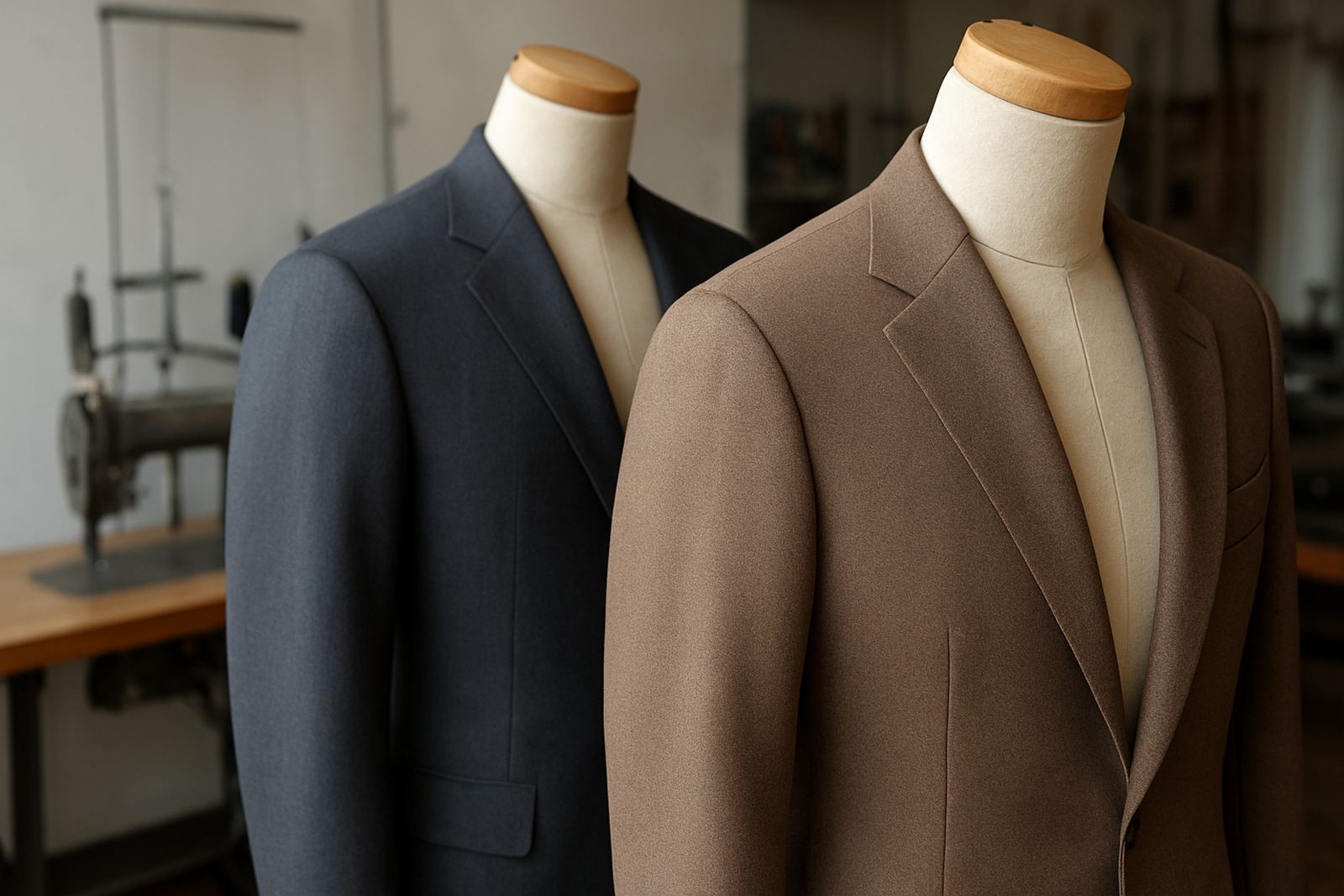
Colour sends a message before you speak. Dark navy suggests authority and ease. Charcoal feels steady and serious. Mid grey can be a good choice when you want to look approachable without losing formality. If you are meeting clients in a creative field, a softer tone or a lightly textured cloth can work, as long as the overall look stays clean.
For shirts, white remains the safest option for important meetings because it keeps the look sharp. Light blue is practical for daily wear and photographs well under office lighting. Avoid very bright colours unless the setting is informal or the company culture supports it. A business outfit should not distract from the conversation.
Fabric also affects how polished you look after a full morning of meetings. Some cloth shows creasing quickly, especially in warm weather or after time in the car. A good tailor will guide you on what works best for your schedule and the climate where you work. If you spend time in Durban or on the coast, moisture and heat should be part of the choice, not an afterthought.
Meetingwear for women should be practical and sharp
Professional dressing is not about copying one standard look. It is about finding a fit and silhouette that feels composed and works for your role. For women, a tailored shirt with a neat waistline, a jacket that sits cleanly at the shoulder and trousers that lengthen the leg can be just as effective as a full suit. A made-to-measure approach helps keep proportions balanced without compromising comfort.
For important meetings, keep necklines modest, hems sensible and movement easy. If you are walking between a parking area and a building in rainy weather or carrying files through a busy office, your clothing must still sit well at the end of the day. That is why fit planning matters so much. It is not only about style, it is about how the garment performs in real life.
A client in Rosebank preparing for a presentation to a finance team may choose a navy jacket with a light shirt and tailored trousers, then pair it with clean shoes and minimal accessories. The result is calm and focused, not overdone. That balance is often what people remember most.
Plan for repeat meetings and changing schedules
Many working people in Johannesburg do not dress for one meeting only. They dress for a day that may include a client call, a site visit and an evening dinner all in one stretch. That is why repeat wear matters. If your shirt collars lose shape or your jacket starts to look tired after a few wears, your whole weekly wardrobe becomes harder to manage.
Simple planning can save time and money:
- Keep two or three dependable shirts ready for the week.
- Rotate suits so they rest between wears and keep their shape.
- Choose fabrics that can handle regular travel and office air-conditioning.
- Build your wardrobe around colours that mix well, so you can pair items easily.
A good fitting process also helps with future orders. Once your measurements and preferences are understood, it becomes easier to repeat what works and refine what does not. That is useful for corporate teams too, especially when everyone needs a consistent professional look.
What a polished meeting look says before you speak
When you arrive on time, dressed properly and comfortable in your clothes, the room feels different. People tend to relax when they see that you have prepared for the meeting in the same way you prepared for the content. That is not vanity. It is part of business discipline.
Tailoring helps because it removes distractions. You are not pulling at sleeves, smoothing your jacket or worrying about whether your shirt is too loose at the back. You can sit up straighter, make eye contact and focus on the discussion. In that sense, fit is part of communication.
For professionals across Sandton, Pretoria, Randburg, Durban, Cape Town and beyond, the best meeting outfit is the one that suits the occasion, feels comfortable and looks finished from every angle. It should look like you belong in the room, and you took the time to get there properly.