
Why the outfit under the gown matters more than people think
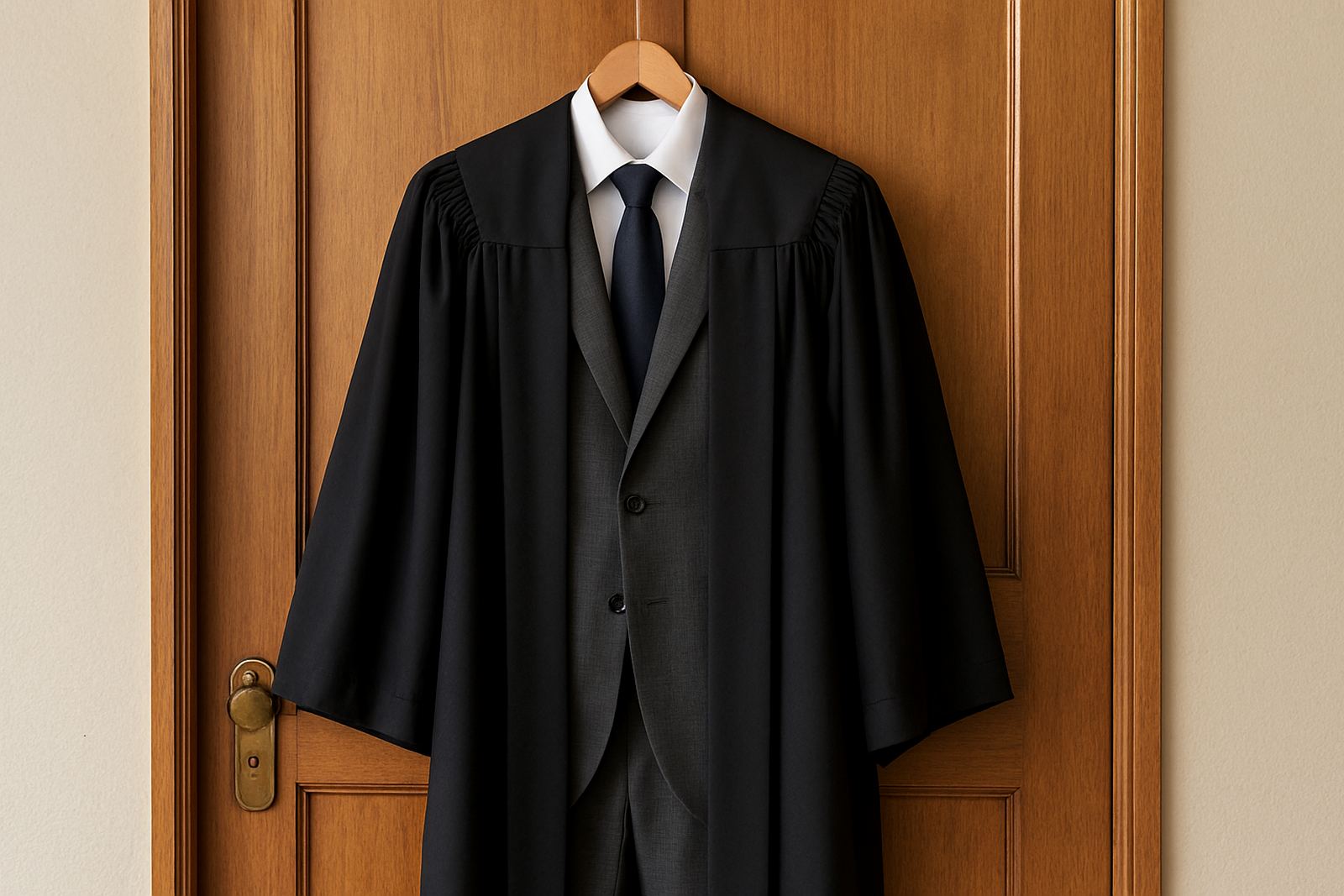
Most people focus on the gown, hood and cap, then leave the clothing underneath until the last minute. That is where problems start. A shirt that pulls across the chest, a jacket that bunches at the shoulders or a collar that sits too high can show through the gown and spoil the line in photos.
Graduation day is usually long. You are sitting, standing, walking, hugging family and waiting in the sun or under hot hall lights. In Johannesburg that can mean dry winter air in the morning and a warm venue by midday. In Durban it may be humid from the start. The clothing under the gown needs to handle that change and still look neat. A made-to-measure shirt or suit does that better than an off-the-rack option because the fit is set around your frame, not a standard size chart.
Start with the collar, shoulders and sleeve line
The gown covers most of the body, but the collar and shoulders are always visible. Those areas do the heavy lifting in photos. A collar that is too soft can fold over in an untidy way, while a collar that is too tight makes the neck look strained. Shoulders should sit flat, not push outward or droop down the arm.
For a shirt worn under a gown, keep the sleeve line clean and the cuffs comfortable. If you are wearing a suit jacket, the sleeve should finish neatly at the wrist so it does not ride up when you lift your arm for a handshake or photo. This is where a fitting session helps, because small changes in shoulder width or sleeve length can make a big difference.
- Choose a collar that stays upright without choking the neck
- Keep shoulder seams close to the natural shoulder point
- Make sure sleeves allow movement without excess fabric at the wrist
- Avoid bulky inner layers that create lumps under the gown
Shirt choices that stay neat from morning to afternoon
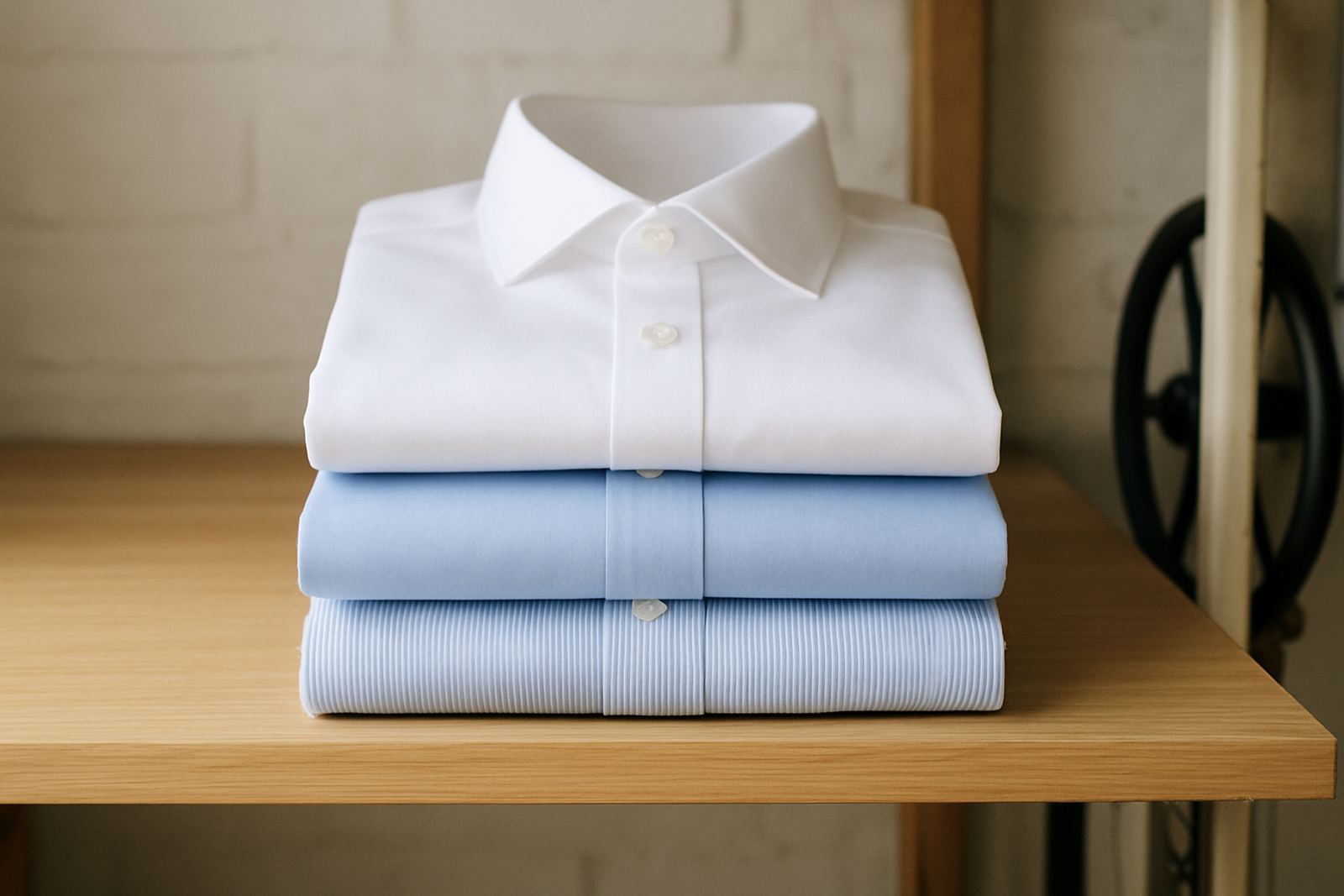
If you are wearing only a shirt under the gown, it should be cut with enough room for movement but not so much room that it billows. Cotton-rich fabrics are usually a good option because they breathe well and sit cleanly against the body. In summer, especially in Pretoria or Durban, a lighter fabric helps you avoid that sticky feeling during speeches and family photos.
Colour matters too. White is common and always clean in photographs, but off-white or pale blue can also work well depending on skin tone and the gown colour. The key is to avoid loud checks, thick weaves or shiny materials that catch light in a harsh way. A smooth finish gives a better result on camera and in person.
If you tend to sweat easily, ask for a shirt that allows airflow at the back and under the arms. Load-shedding can also affect venue cooling, so it is wise to dress for a warm hall rather than a cold one. A well-fitted shirt keeps its shape better even when the day runs longer than expected.
- Pick breathable fabric with enough body to hold its shape
- Stick to plain colours or very subtle textures
- Test the shirt while sitting and standing for long periods
- Check that the back does not pull across the shoulder blades
When a suit makes sense for graduation
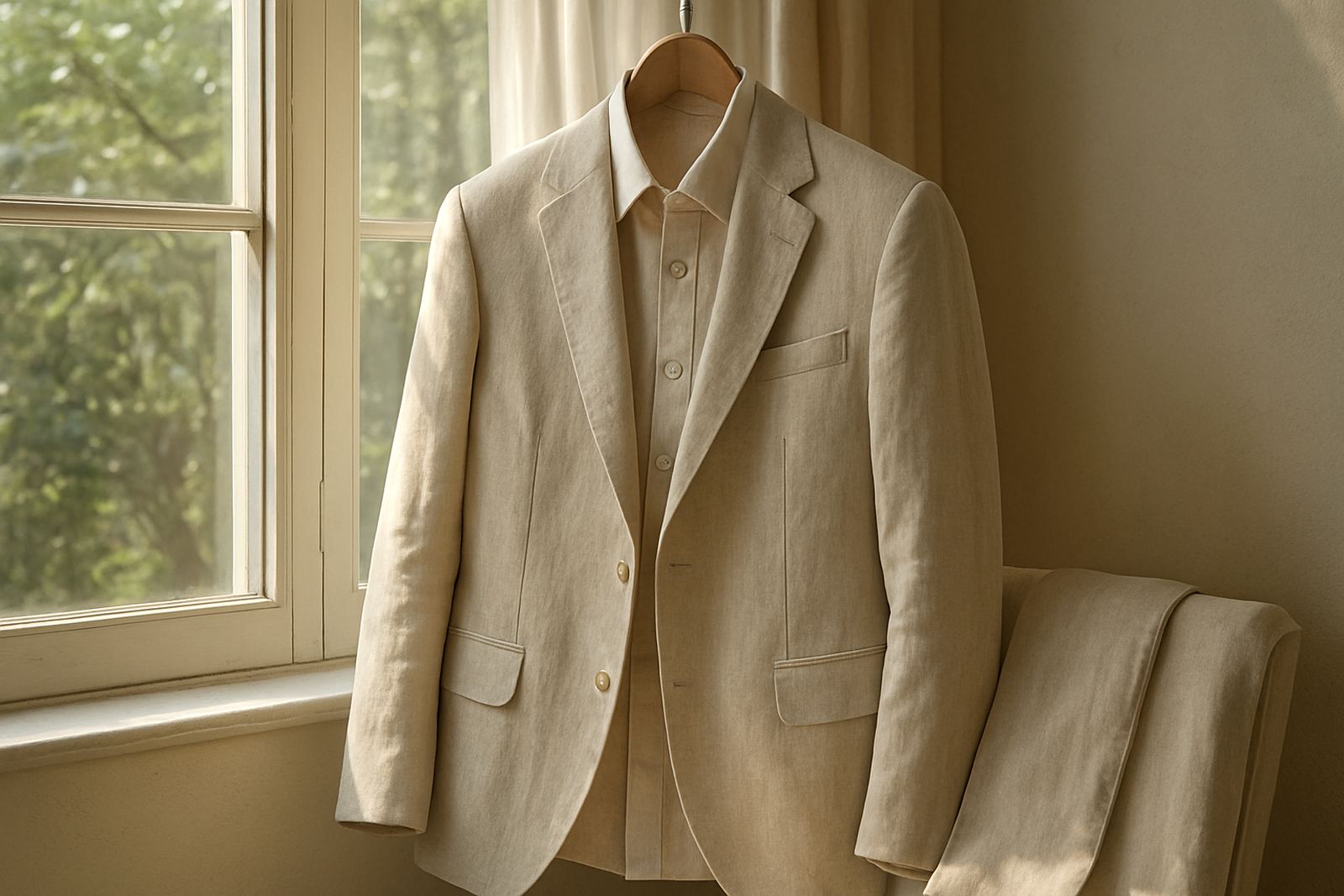
Not every graduate wants a full suit under the gown, but there are times when it works best. If you have a formal ceremony, graduation dinner or family function afterwards, a suit can carry you through the whole day. The jacket should not be too thick, because the gown already adds another layer. A lighter weight suit is often the better choice, especially for summer ceremonies.
For men, a suit with proper shoulder balance and a trouser rise that sits comfortably makes the whole outfit feel settled. For women, a suit can be shaped to allow movement without pulling at the bust or hips. In both cases, the aim is to keep the body line smooth under the gown so nothing bunches when you sit or walk across a stage.
A local example: a family from Sandton may come in with a graduation date, a gown colour and a full day of events after the ceremony. In that case we would usually look at a shirt or suit that photographs well in the hall, breathes in the car on the way to lunch, and still looks proper if the ceremony runs late. That kind of planning saves stress on the day.
Make photos easier with clean lines and simple styling
Graduation pictures often become the ones that live on in frames, family albums and work profiles. That is why simple styling usually works best. Keep the neckline tidy, press the shirt properly and avoid anything that adds extra volume near the chest or neck. If you are wearing a tie, make sure it sits flat and does not push the collar open.
You should also consider how the outfit will look from the front and the side. The camera can pick up creases at the stomach, folds at the back and loose fabric at the sleeve. A fitted garment gives a stronger shape, which is especially useful when the gown opens slightly as you move. Small details show up more than people expect once the flash goes off.
- Press the garment the day before, not only on the morning
- Keep accessories simple so the gown remains the focus
- Check the shirt or suit under bright light before leaving home
- Stand, sit and raise your arms to spot any pulling points
How Fits Smart Tailoring handles graduation fittings
Graduation wear works best when the fitting is done with the event in mind. At our Rosebank studio, clients from Johannesburg, Sandton, Pretoria, Midrand, Randburg, Durban and Cape Town come for online fitting, studio fitting and style advice. We look at the gown, the date, the weather and how long the day will run, then guide the shirt or suit choice from there.
Fits Smart Tailoring works from Johannesburg on made-to-measure shirts and suits suited to South African conditions. Under the direction of Sibusiso Mthembu, with support from the studio and production team, the process is set up to keep things clear from fitting to final finishing. If you prefer not to travel, courier delivery is available nationwide so you can get ready for the ceremony without extra pressure.
For graduation, the best result is usually simple: a clean collar, a comfortable fit, and fabric that does not fight the gown. That way you can focus on the moment itself, not on adjusting your clothes every few minutes.
Last checks before you leave for the ceremony
The day before graduation is the time to make the final check. Hang the shirt or suit properly, check the button spacing, and make sure the collar sits right after ironing. If you are carrying a jacket, keep it on a hanger so it does not crease in the car. Try everything on with the shoes you will wear, because trouser length can change once the outfit is fully assembled.
It is also worth packing a small emergency kit with a spare handkerchief, a lint roller and safety pins if the gown needs them. These are small things, but they help when you are dealing with dust, heat or a rushed photo schedule. Graduation is a proud day, and good preparation means you can enjoy it without fuss.