
Why linen suits South African weather so well
Linen is one of the most useful cloths for warm weather because it lets air move through it and it does not trap heat in the same way as heavier wool or dense cotton. In places like Johannesburg, Pretoria, Durban and the coastal belt, that matters. Summer can bring strong sun, high temperatures and a fair amount of humidity, so clothing that sits lightly on the body makes a real difference.
For shirts, linen works well because it feels cooler against the skin and dries quickly after a hot commute or a long day moving between meetings. For suits, linen is best when you want a softer look and a breathable outer layer for daytime events, travel or relaxed office wear. It is not the cloth you choose for every occasion, but when conditions are hot it can be the right answer.
Where linen earns its place and where it does not
Linen is useful, but it is not a miracle cloth. It creases easily, and that is part of its character. Some clients like the relaxed look because it feels honest and lived in. Others want a sharper line and less texture. The right choice depends on how you dress and where you will wear it.
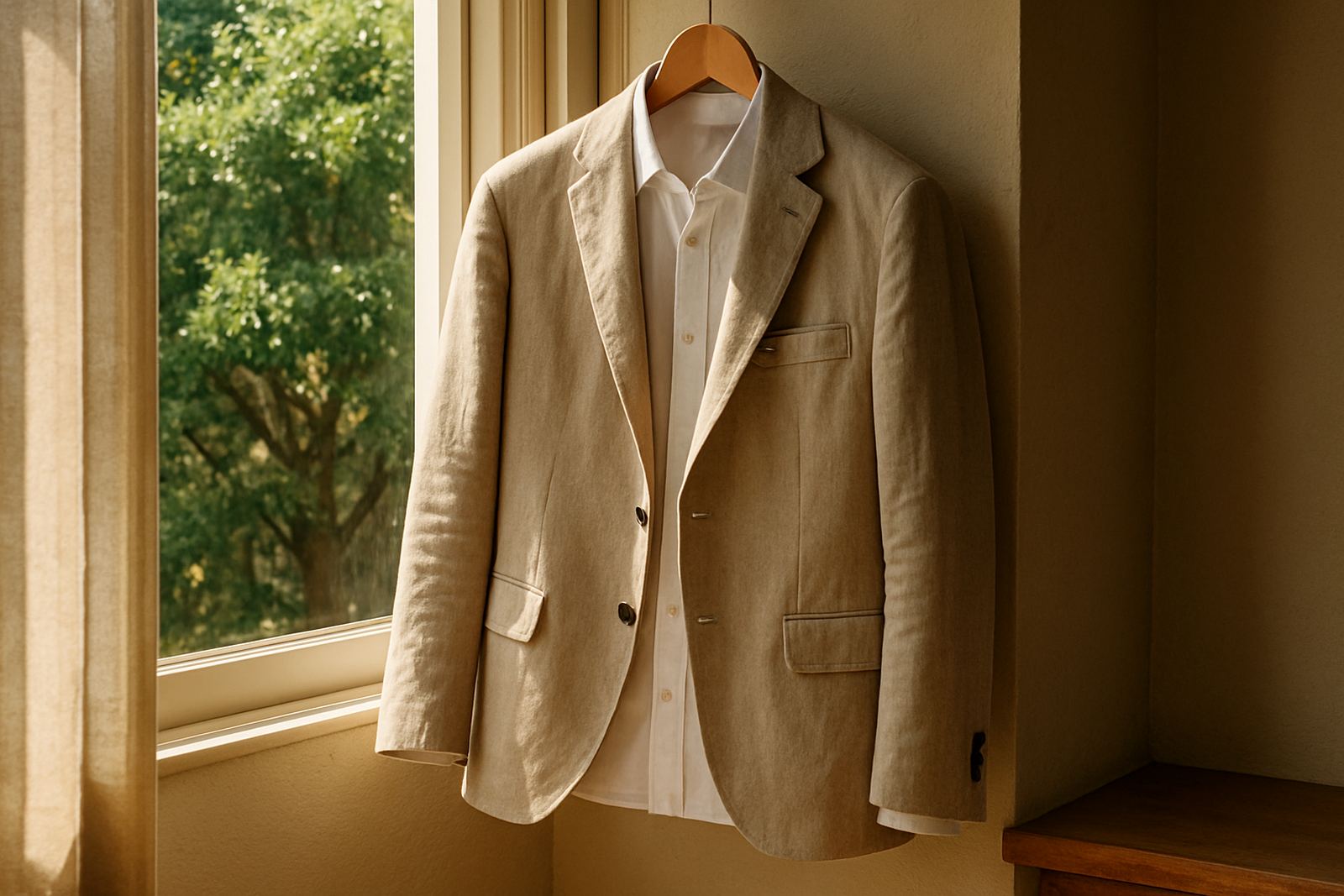
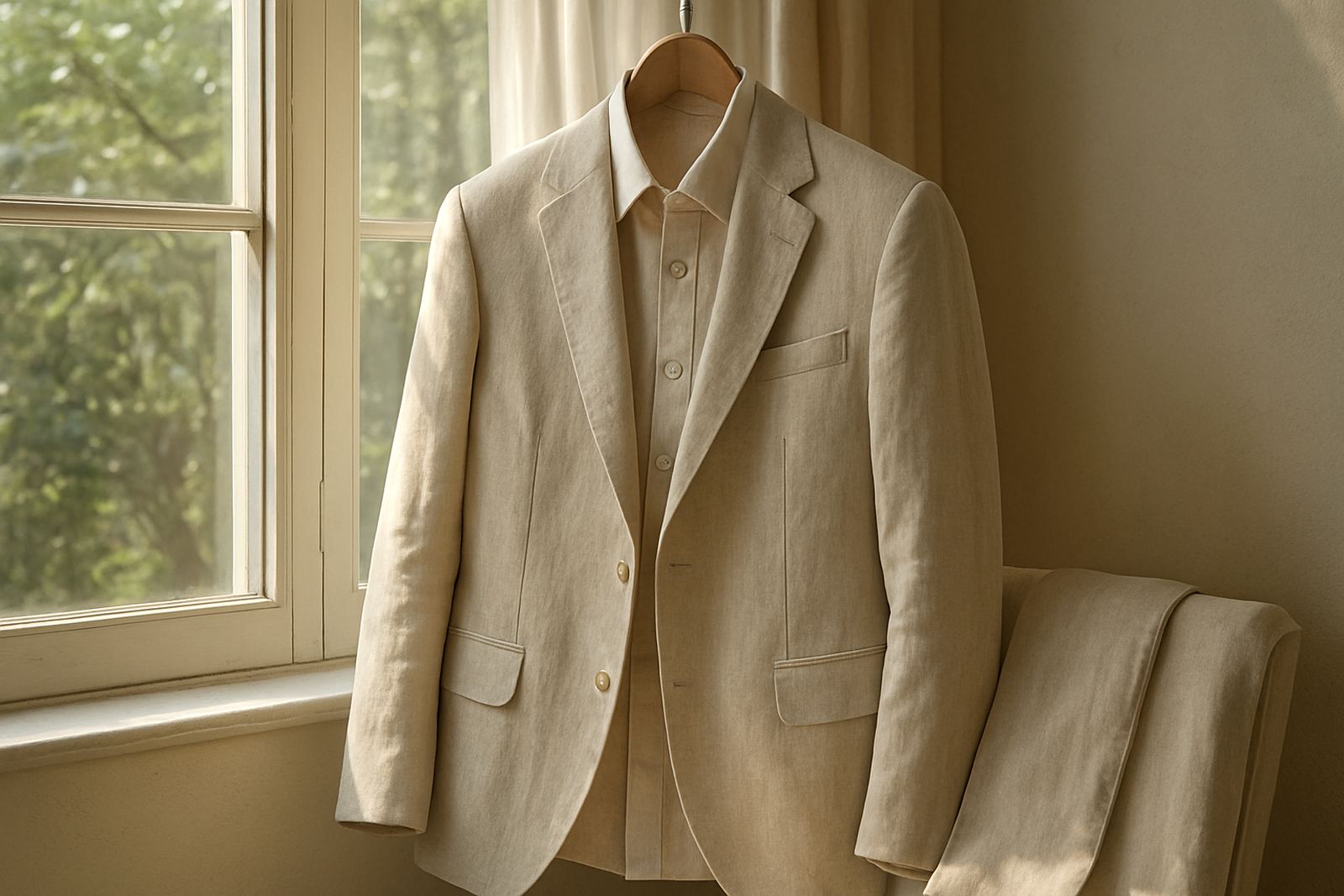
A linen shirt is usually the easiest starting point. It works for weekends, summer dinners, casual office days and travel. A full linen suit can work very well for a garden wedding in the Lowveld, a daytime function in Durban or a summer event in Cape Town. In Johannesburg, where evenings can cool down fast, linen also works nicely with a layering plan so you are not stuck in something heavy through the day.
- Best for hot days, travel and relaxed formal wear
- Good for coastal humidity because it breathes and dries fast
- Ideal for daytime events, but less formal than wool
- Not the best choice if you want a crisp pressed finish all day
How linen behaves in humid and dry parts of the country
South Africa has very different weather from region to region, and linen reacts to that. In Durban and other coastal areas, the cloth can feel especially comfortable because the air often carries moisture and heavier fabrics start to cling. Linen lets the body breathe and does not feel as closed in. That said, humidity also means linen may lose its pressed shape quicker, so the cut and finishing matter.
In Johannesburg and Pretoria, the air is drier for much of the year and linen often looks a little sharper for longer. The cloth still creases, but it can hold a neater line if the garment is balanced properly. For clients in Rosebank, we often see people choosing linen for Friday wear, summer weddings and business functions where they need comfort without looking too casual. It is a practical choice when the day is long and load shedding means the office can get warmer than planned.
- Coastal climates: cooler to wear, but expect softer creasing
- Dry inland climates: a slightly neater finish for longer
- Summer heat: excellent for shirts, jackets and lighter suits
- Air conditioning changes: layering helps because linen alone can feel too light inside
The cut makes the difference with linen
Many people think linen looks untidy because they have only seen it made in the wrong way. Loose cloth with poor shaping will sag, crease and hang badly. A proper made-to-measure cut changes that. The shoulders, sleeve pitch, jacket length and trouser break all matter. Linen is softer than many other cloths, so it needs clean lines without being over-pressed into stiffness.
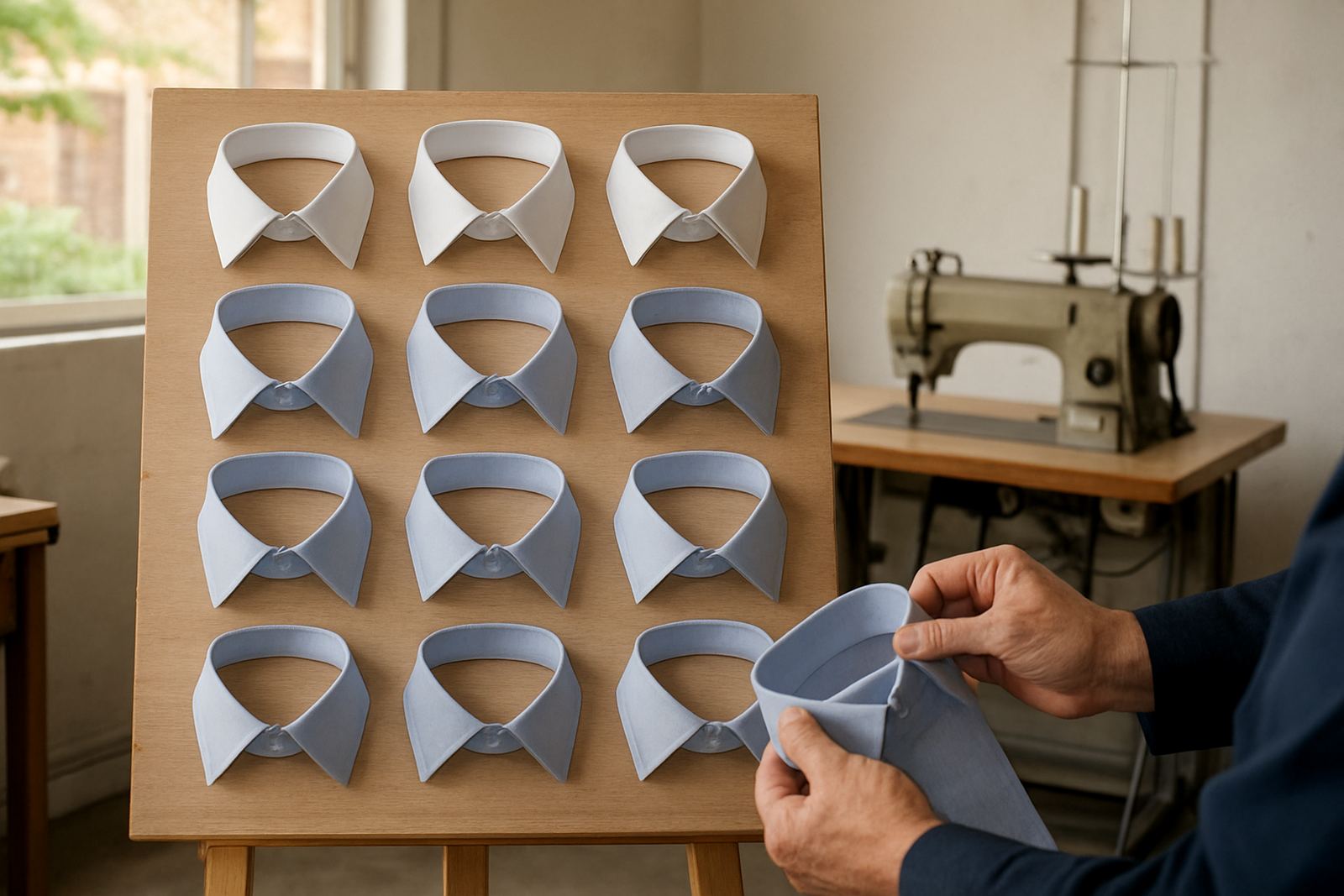
Linen works best when the cut leaves enough room to move without letting the garment lose its shape. Shirts need a collar that holds properly and cuffs that do not flop. Suits need structure in the right places, especially if they will be worn for weddings, meetings or business travel. When the fit is correct, linen looks calm and confident rather than rumpled.
For clients who want less creasing, a linen blend can sometimes be more practical than pure linen. It still feels cool, but it can keep its line better during a full day out. That is useful for people commuting in Gauteng traffic or moving between meetings in Sandton and Pretoria.
Simple care that keeps linen looking good
Linen is not difficult to care for, but it does need sensible handling. If you treat it too roughly, it will lose shape faster. If you press it too hard, the cloth can look flat and lifeless. The goal is to keep the natural texture while making sure the garment stays wearable.
Most linen pieces should be washed gently and dried without too much heat. Hanging them properly matters more than people think. If a shirt comes out of the wash twisted or left in a heap, it will show. A light press while the cloth is still slightly damp can help, especially around collars, cuffs and hems. For suits, proper hanging is important after wear, particularly in coastal humidity where moisture can stay in the fibres overnight.
- Wash gently and avoid harsh heat where possible
- Hang garments after wear so creases relax naturally
- Use a light press rather than forcing a flat finish
- Store suits on broad hangers to protect the shoulders
A practical local example from Rosebank to Durban
A client in Rosebank may choose a linen shirt and jacket for a summer function in Durban and a second shirt for regular office wear in Johannesburg. The reason is simple. The Durban piece needs to deal with humidity and warmth, while the inland version can be cut a little neater for a sharper look under air conditioning. The same fabric, handled differently, can solve two very different needs.
That is why linen works best when it is matched to the person, the day and the place. For a wedding on the coast, a light linen suit with good finishing will keep the groom or guest comfortable through the ceremony and photographs. For someone in Pretoria who spends time outdoors and indoors in one day, a linen shirt with a well cut trouser is often more useful than a full heavy suit. The cloth gives comfort, but the tailoring decides whether it looks intentional.
If you are considering linen, think first about your routine. Do you need easy movement, breathability and a lighter feel? Then linen may be right. Do you want a very sharp pressed look from morning to evening? Then you may prefer something with more structure. The choice should follow the climate and the occasion, not the other way round.