
Why tailored clothing needs a different touch
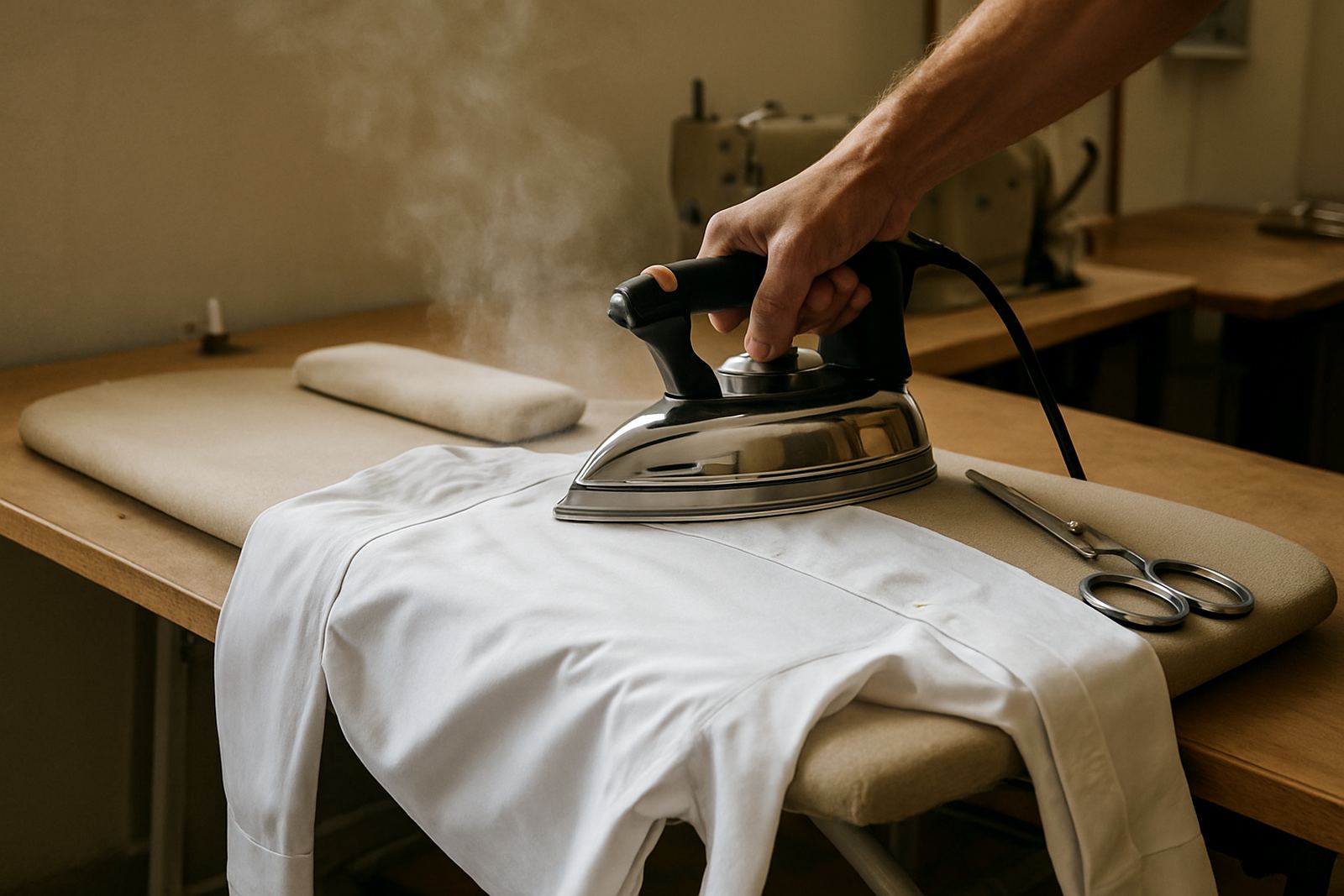
A made-to-measure shirt or suit is cut to follow your body, so the goal is not just to remove wrinkles. It is to keep the shape the cutter built in. Pressing uses controlled heat and steady downward movement, while ironing often involves more sliding across the fabric. That difference matters on collars, cuffs, lapels and chest fronts where structure counts.
In Johannesburg, many clients only notice the difference after a few wears. A jacket that has been hurried with a hot iron can start to shine on the front panels, or lose the soft roll at the lapel. On a humid Durban week, the temptation is to keep reworking the same creases, but repeated rubbing can be harder on wool and cotton than the original wrinkle was.
- Pressing applies heat and pressure without dragging the fabric.
- Ironing relies on movement across the cloth to flatten creases.
- Tailored pieces usually need the first method more than the second.
What to press, and what to leave alone
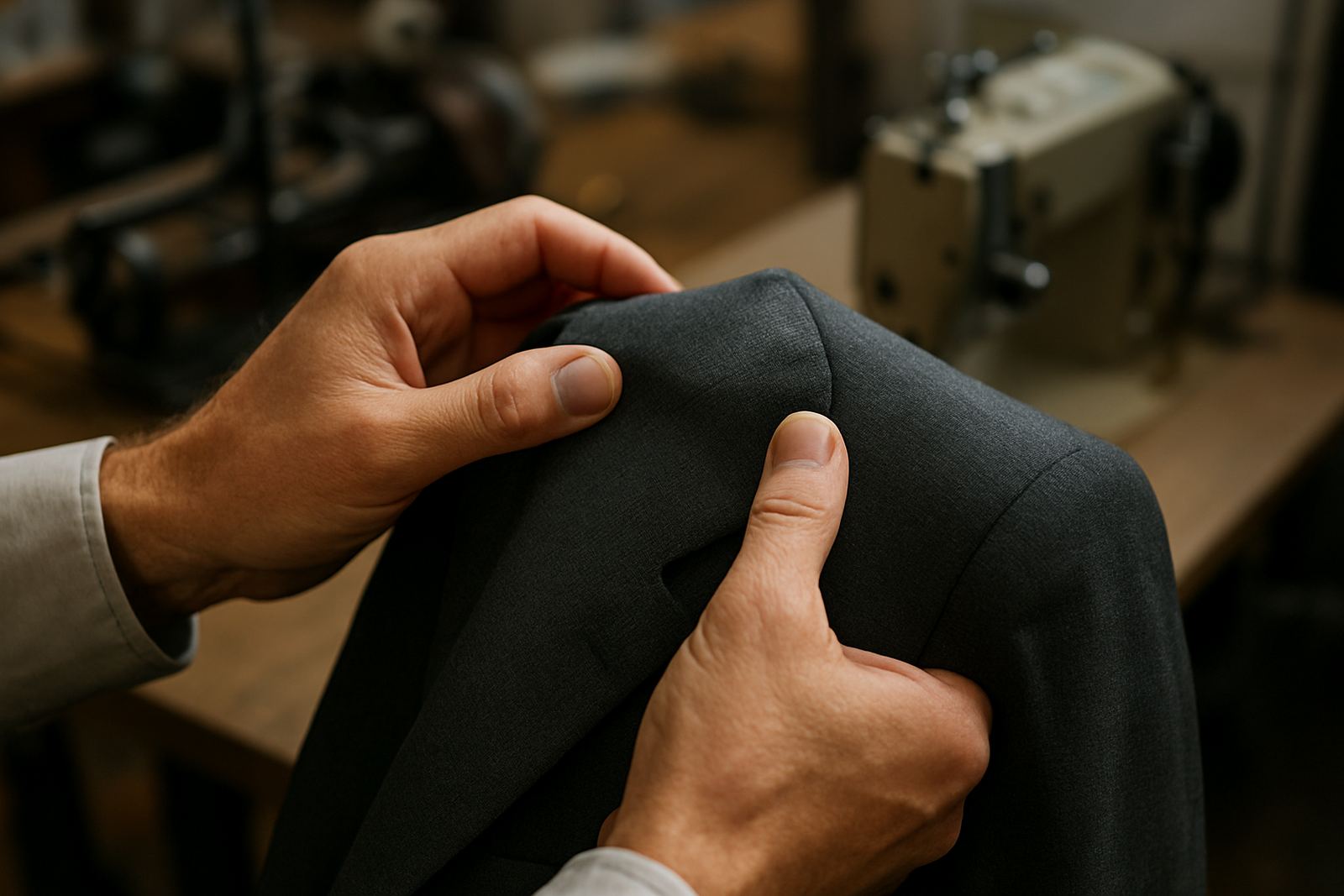
Not every part of a garment should get the same treatment. Shirt collars, cuffs and plackets can be pressed firmly, but the body of the shirt needs lighter handling so it keeps a clean line. On a suit jacket, focus on the front panels, sleeves and hem, then use care around the shoulders and lapels. Too much pressure in those areas can distort the shape and make the jacket sit awkwardly.
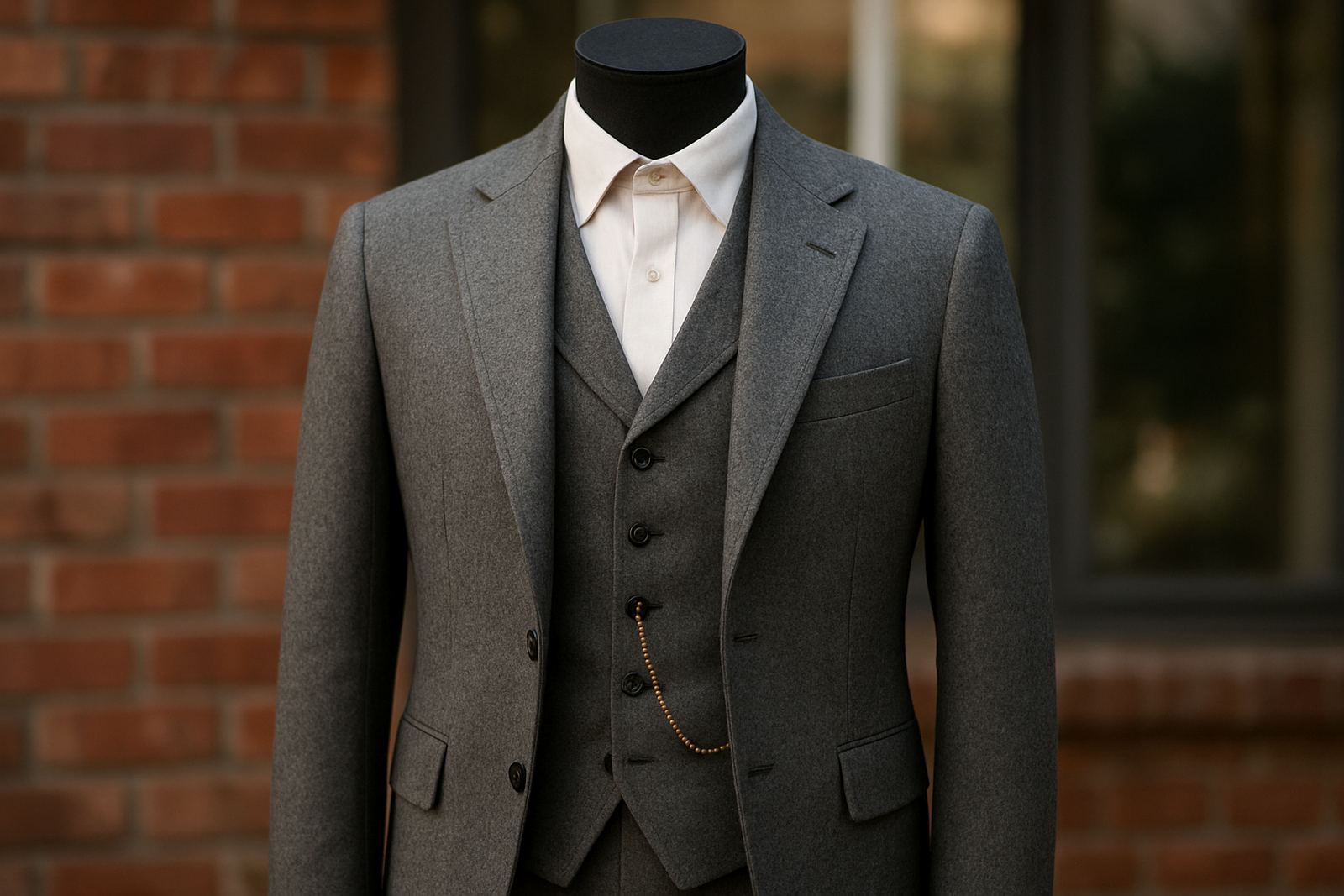
If you are dealing with trousers, the crease should be deliberate and straight, not wobbly from repeated passes. Press from the inside where possible. That helps protect darker cloth from shine, which is worth remembering if you wear charcoal or navy suits for meetings in Sandton or Pretoria.
- Press collars and cuffs with a firm, even touch.
- Use lighter pressure on shirt bodies and jacket fronts.
- Avoid heavy sliding over seams, buttons and embroidered marks.
The home kit that actually helps
You do not need a complicated setup, but a few basics make a big difference. A stable board or table with a clean cover, a steam iron with a temperature control, and a pressing cloth will cover most home care needs. For South African homes with load-shedding, it helps to iron in a planned window rather than rushing halfway through a power cut. That way you are not leaving a garment half-finished and damp.
A wooden hanger with broad shoulders also helps after pressing, especially for jackets and overshirts. If you live near the coast, keep clothing away from damp cupboards and closed-up rooms because humidity can undo a crisp finish overnight. It is better to hang one suit properly than to cram three into a small wardrobe and hope for the best.
- Use distilled water if your local supply leaves mineral marks.
- Keep a pressing cloth for wool, silk blends and darker fabrics.
- Hang clothes immediately after pressing so creases settle cleanly.
Common mistakes that shorten the life of a suit
Most problems come from trying to make one tool do two jobs. People often press too hard on delicate cloth, or they iron over surface shine until the fabric looks worn. Another common mistake is using too much steam on a suit jacket and then putting it straight into a cupboard while still warm. That can trap moisture and encourage odours, mould or that slightly flat smell nobody wants before a meeting.
Watch the temperature too. Wool and cotton shirts can take more heat than many blends, but every garment has its own tolerance. If you see puckering around seams, that usually means the heat or pressure was too aggressive. One good rule is to start cooler and increase only if the crease is not setting properly. It saves fabric and saves time in the long run.
- Do not drag the iron across lapels or sleeve heads.
- Do not over-steam and then pack clothing away warm.
- Check fabric labels before using high heat on blended cloth.
A local example: from Rosebank to a client dinner in Durban
A client with a navy suit collected in Rosebank may be flying to Durban for a dinner the same week. The jacket can travel well if it is pressed correctly before packing. Fold it loosely, use tissue or a garment bag if you have one, and when you arrive hang it in the bathroom while a hot shower runs for a few minutes. That light steam can ease travel creases without forcing the cloth.
If the suit needs more than that, press only the areas that show on the body. Do not rework the whole jacket just because one sleeve has a wrinkle. The aim is to bring the garment back to its original line, not to give it a new shape. For clients who wear tailored clothing often, this approach keeps garments looking cleaner between studio visits and repeat orders.
- Travel with the jacket hanging if possible.
- Use bathroom steam only as a light reset, not a full press.
- Finish with the jacket on a hanger for 20 to 30 minutes before wear.
When to leave it to a tailoring team
Some pressing jobs are not worth risking at home. Heavy jacket creases, wedding suits, and shirts that have lost their collar shape usually need a more careful hand. If the garment has been altered recently, or if the cloth has a delicate finish, a poor press can undo the cleaner line you paid for in the first place. That is especially true for wedding tailoring and corporate wardrobes where appearance matters every day.
Across South Africa, we handle made-to-measure shirts and suits through studio and online fittings, fabric selection, customisation and courier delivery. If a garment needs refinement after wear, we can assess the shape and finish so the next press at home is easier. A good tailor does more than make the garment, they help you keep it looking right.
Pressing is a maintenance habit. Ironing is just one tool in it, and not always the best one.
- Book a fitting if the collar, shoulders or lapels are not sitting correctly.
- Ask about alteration refinement if the garment has shifted after regular wear.
- Use home pressing for touch-ups, not for major corrections.