Why the shoulders tell you the truth first
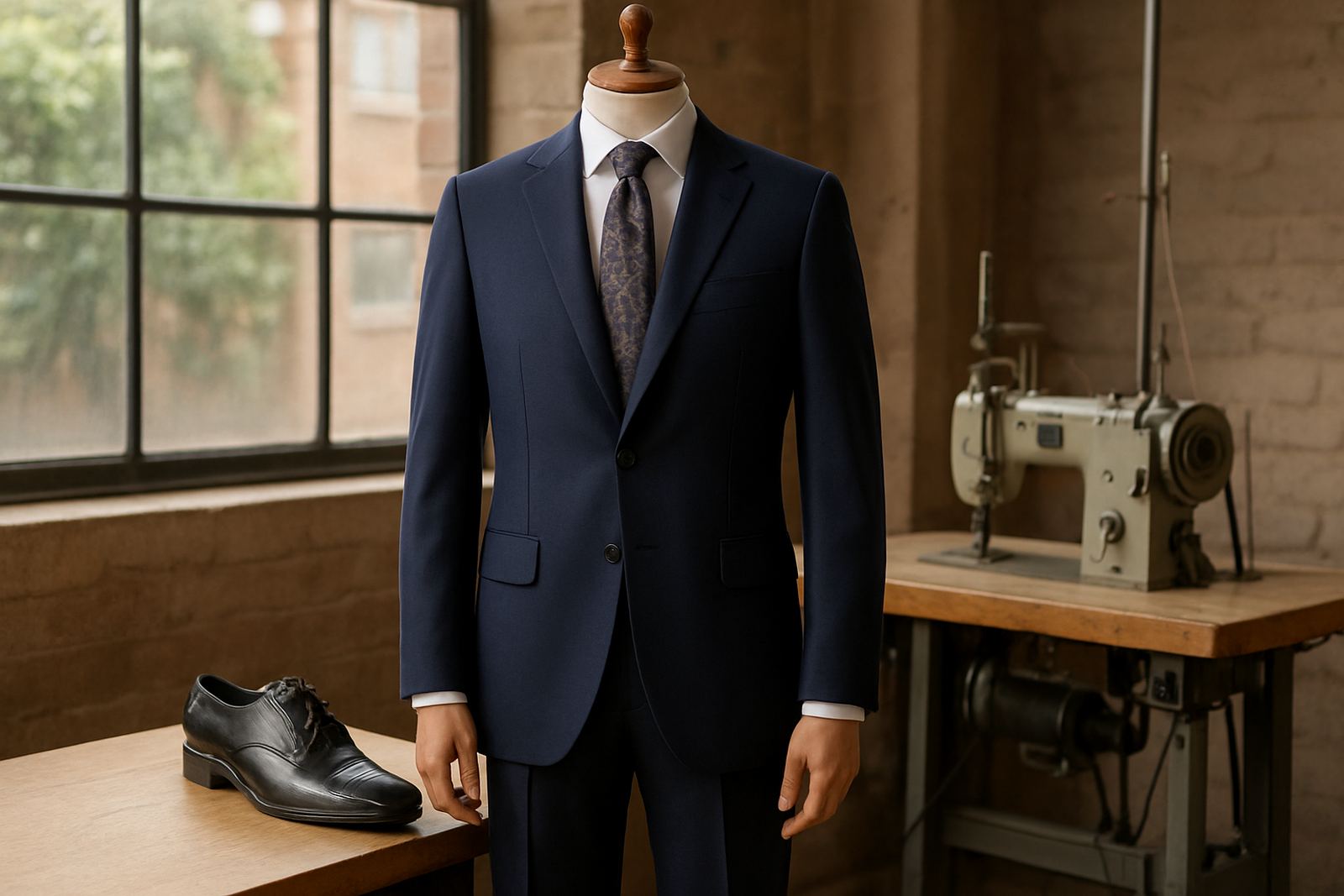
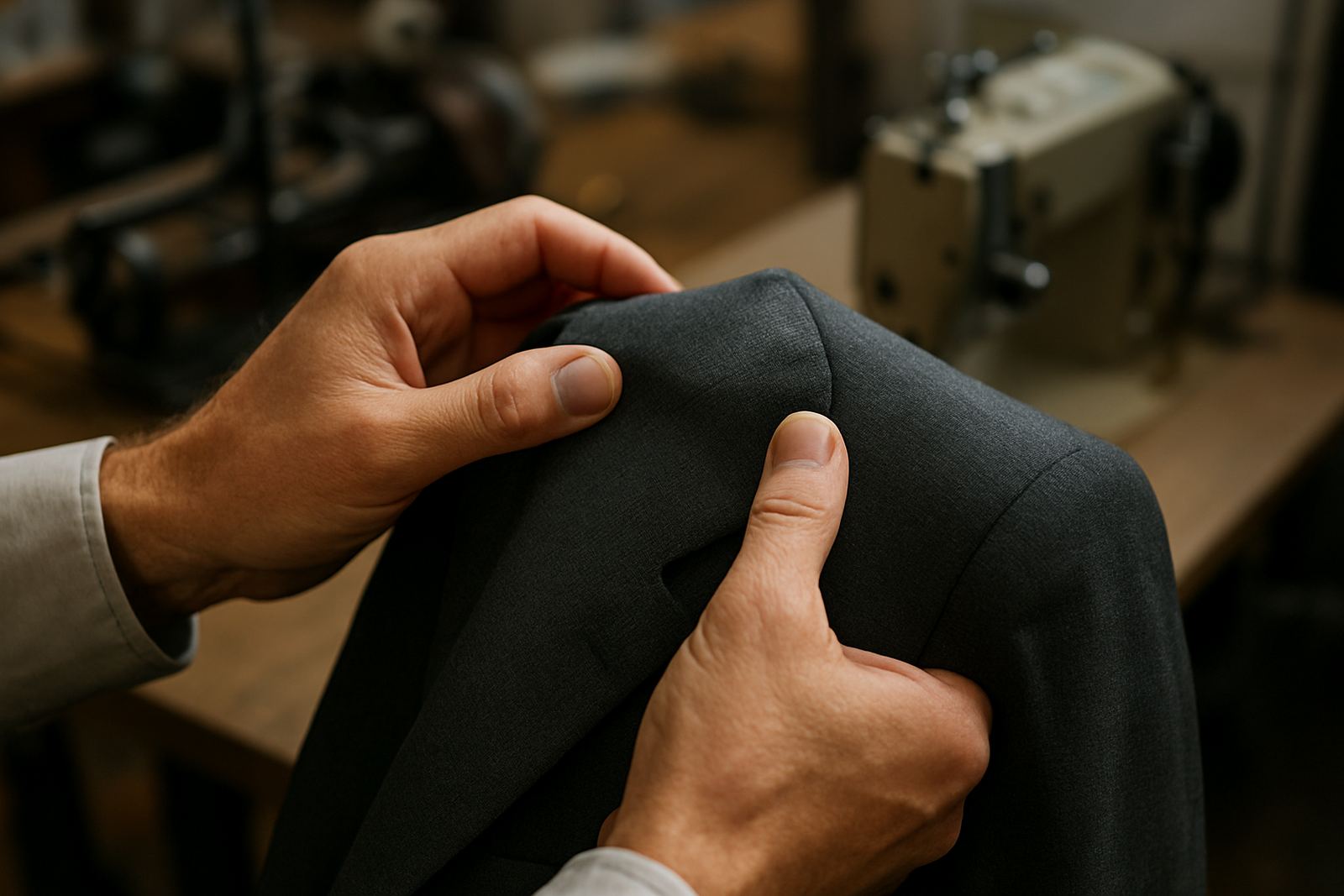
The shoulder is the foundation of a jacket. If it fits well there, the lapels sit better, the sleeves hang cleaner, and the jacket moves with you instead of fighting your frame. If it does not fit, you will often notice it before you even stand in front of a mirror properly.
For clients in Johannesburg, Pretoria, Durban or Cape Town, this matters even more with made-to-measure work because body shape, posture, and daily wear habits vary so much. A man who spends long hours driving between Sandton and Midrand may need different shoulder balance to someone who sits at a boardroom table in Rosebank all day.
The quickest check is simple: relax your arms, look straight ahead, and notice where the jacket rests. The shoulder seam should sit close to the edge of your shoulder without hanging over, digging in, or pulling back sharply. Small issues there can mean a full alteration later.
Signs the jacket is too wide in the shoulder
When the shoulder is too wide, the jacket tends to look borrowed. The seam drops past the end of your shoulder and the sleeve may appear to hang a bit lower than it should. This is one of the easiest signs to spot, especially on structured suits.
You may also see a soft fold running from the shoulder seam down into the chest. That is often the fabric trying to settle where the body is not supporting it. On a windy day in Durban or when moving through a humid Cape Town afternoon, that loose top line can stand out even more.
- The seam falls beyond the shoulder point
- The sleeve seems to start too low on the arm
- The jacket looks flat at the top and slightly heavy
- There is extra cloth near the upper arm with no clear shape
It is worth noting that a jacket that is too wide can also make the waist look broader than it is. The whole silhouette gets softer, and if you are wearing it for a wedding, that shows in photos straight away.
Signs the shoulder is too tight or too narrow
A shoulder that is too tight is usually less forgiving. You may feel the jacket pulling when you lift your arms or reach for a door handle. The fabric can crease across the upper back and the seam may ride up slightly toward the neck. If the jacket feels like it is sitting on top of the shoulder instead of around it, that is a warning sign.
There is also a visual cue called a sharp break, where the shoulder line looks pinched or pulled into a ridge. On a dark navy or charcoal suit this can be easy to miss indoors, but under daylight it shows quickly. It is not just about comfort, it changes the whole shape of the jacket.
- Pulling at the top of the sleeve head
- Horizontal creasing across the upper back
- The collar does not sit flat at the neck
- Movement feels restricted when reaching forward
A narrow shoulder can be caused by posture as much as body size. People who stand slightly forward in the chest or carry tension in the upper back may need extra care in the fitting. That is why a proper fitting session, whether in studio or online, helps avoid the usual guesswork.
What collar gap and sleeve wrinkles are really saying
Many people focus only on the shoulder seam and forget the collar. But the collar tells a lot. If there is a gap between the jacket collar and your shirt collar, the shoulder balance may be off. It can also mean the jacket is sitting too far back or too far forward on the body.
Sleeve wrinkles are another clue. If the sleeve hangs with twists or uneven folds near the armhole, the shoulder line may be sending the wrong signal all the way down the sleeve. This often happens when a jacket was cut without enough attention to posture, or when a client has one shoulder slightly higher than the other, which is very common.
Look for these together rather than in isolation:
- Collar lifting away from the neck at the back
- Wrinkles that start at the shoulder and run down the sleeve
- One side of the jacket looking fuller than the other
- The lapel lying unevenly across the chest
If you see two or three of these at once, the shoulder fit needs attention. A good cutter will treat that as a fitting issue, not just a cosmetic one. Small misalignments can throw out the rest of the jacket, and then you chase one fault after another.
How your posture changes the fit
Shoulder fit is not only about measurements. Posture matters just as much. A client with rounded shoulders, a slight forward neck, or one shoulder higher than the other may need a jacket shaped differently from someone with a straighter frame. This is especially important for corporate wear, where the jacket needs to stay neat through a long day, load-shedding included when people are moving between meetings and working from home.
At a fitting, good signs are easy to see. The jacket should move with you when you sit, reach, and turn. If the shoulder pulls at the back when you sit down, or if the front rises when you lift your arm, the cut is not giving enough freedom.
Pay attention to these posture related signs:
- One shoulder seam sits higher than the other
- The jacket twists slightly around the torso
- The back of the collar lifts after you move
- The chest looks balanced only when you are standing perfectly still
For many South African clients, these are the details that separate a decent suit from one that feels made for daily life. The jacket should work at a funeral, a boardroom meeting, or a wedding reception, not only while standing still for a photo.
What to check at a fitting before you approve the jacket
Before you say yes to a jacket, spend a few minutes checking the shoulders from more than one angle. Stand naturally, then turn side on and check the seam against the edge of your body. Raise your arms slightly, sit down, and bend forward a little. If the shoulder still looks settled, you are on the right track.
Do not let the fit be judged only by how it looks on a hanger or in a quick mirror glance. Ask for enough time to test movement. In a proper made-to-measure process, the shoulder is one of the first areas to review and often one of the easiest to improve before final making.
- Check the seam at the edge of the shoulder, not beyond it
- See whether the collar lies flat against the neck
- Move your arms and watch for pull lines
- Look at both shoulders together, not one at a time
If you are ordering from Rosebank, Sandton, Pretoria or elsewhere nationwide, it helps to send clear fitting notes and photos where needed. That makes it easier to catch shoulder imbalance early, before the garment is finished and the fix becomes harder. A tidy shoulder is often the sign of a suit that will wear well for years.
Why shoulder fit matters for shirts and suits alike
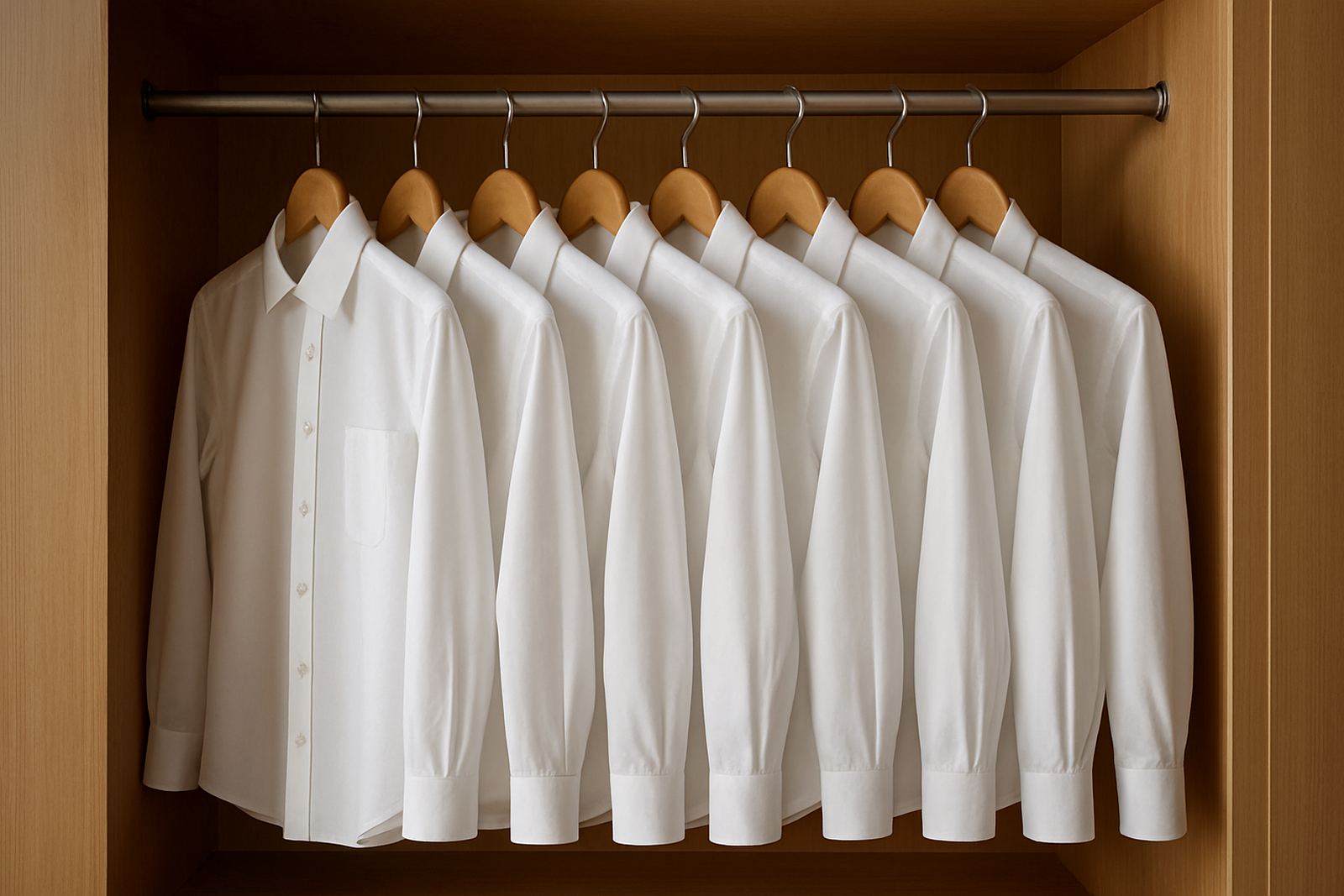
People often think shoulder fit is only a suit problem, but shirts show it just as clearly. A shirt shoulder that is off can make the yoke pull, the sleeve twist, or the collar sit badly under a jacket. If you wear a shirt and suit together, both need to work as one system.
That is why a complete fitting process matters for wedding tailoring, corporate orders, and repeat orders alike. A jacket with good shoulder balance and a shirt that sits properly beneath it gives a much cleaner result. It also saves time later, because fewer last minute changes are needed before an event.
When a shoulder fits properly, you notice the difference in the whole outfit. The jacket sits cleanly, the sleeves fall better, and the wearer can move with ease. That is the kind of fit most people are after, even if they only notice it once they see the bad version first.