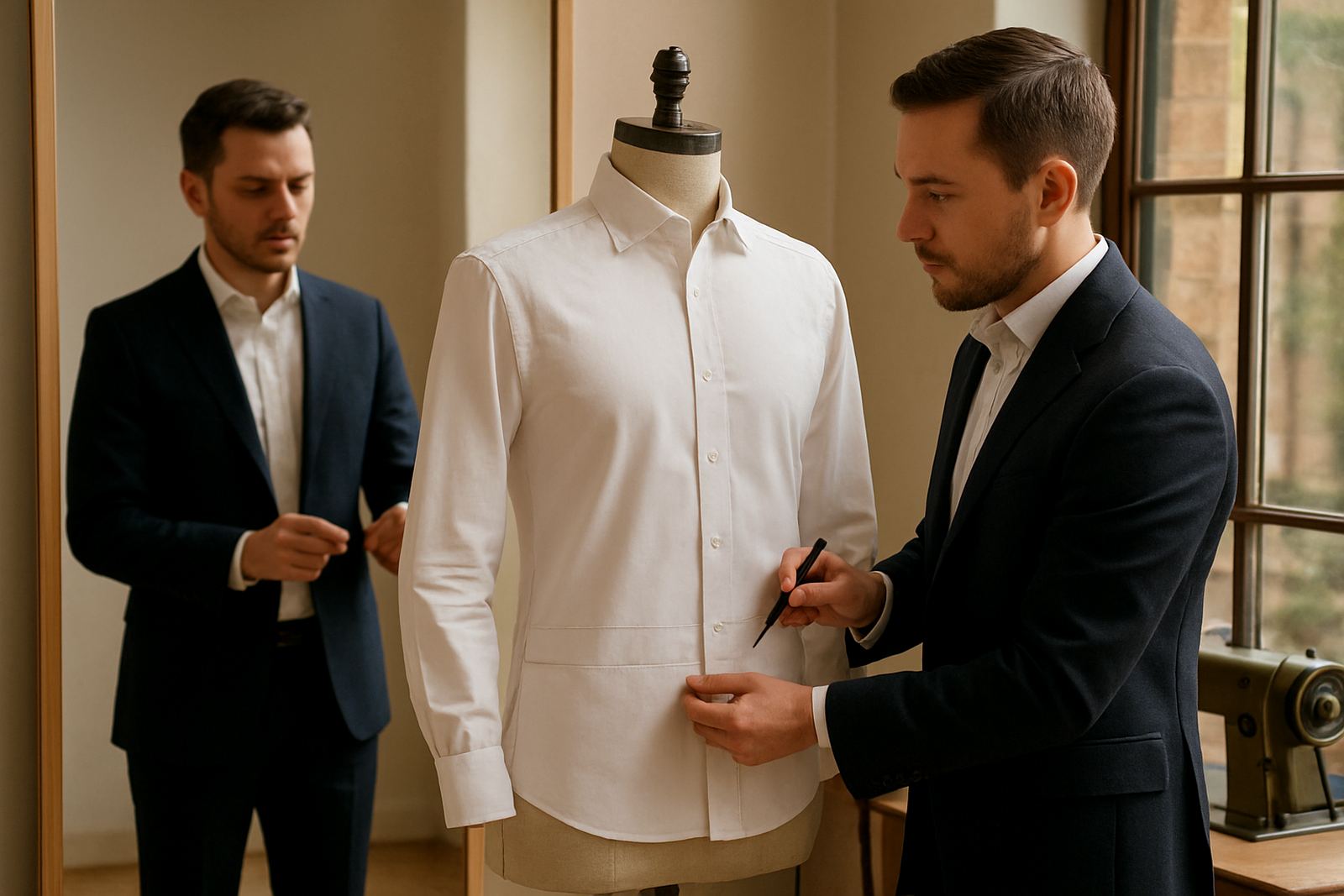
Start with a proper try-on in good light
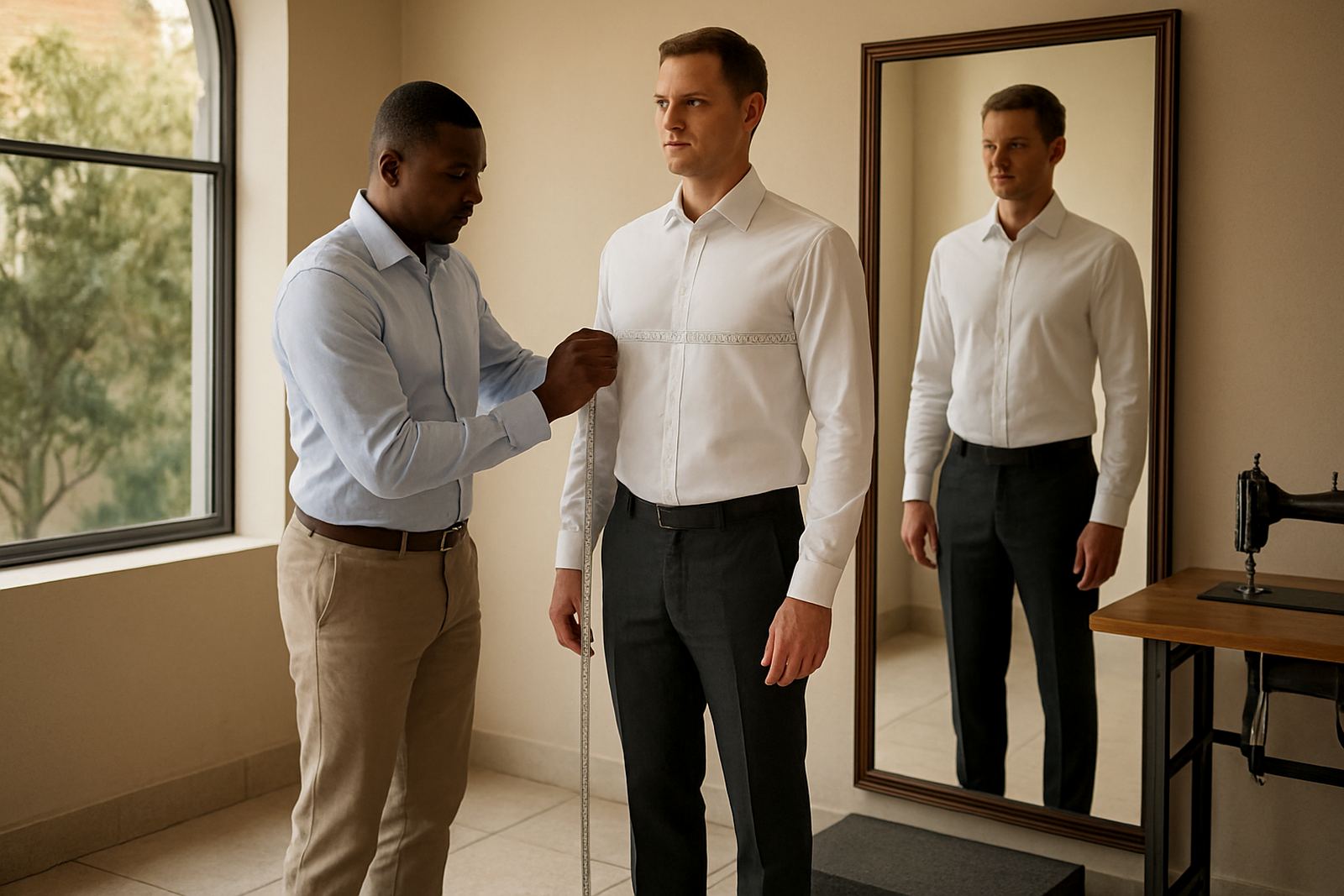
Before you decide what needs changing, put the garment on in a room with natural light if possible. If you are checking at home during load-shedding, stand near a window or use a bright white lamp so you can see collar lines, sleeve break and trouser balance properly. Wear the same type of shirt, shoes and undergarments you would normally use with the garment, because those small differences affect the way it sits on the body.
Stand straight, then move a little. Sit down, raise your arms, reach forward and walk across the room. A jacket may look neat when you are standing still, but the real test is whether it stays comfortable when you bend, drive or sit through a meeting. A shirt collar can feel fine for ten minutes and then start to pinch after an hour, so give yourself enough time.
- Try the garment on with the correct shoes and underlayers
- Check the fit in front, side and back views
- Move naturally: sit, reach, turn and walk
- Make notes while the garment is still on
Check the parts that matter most on shirts
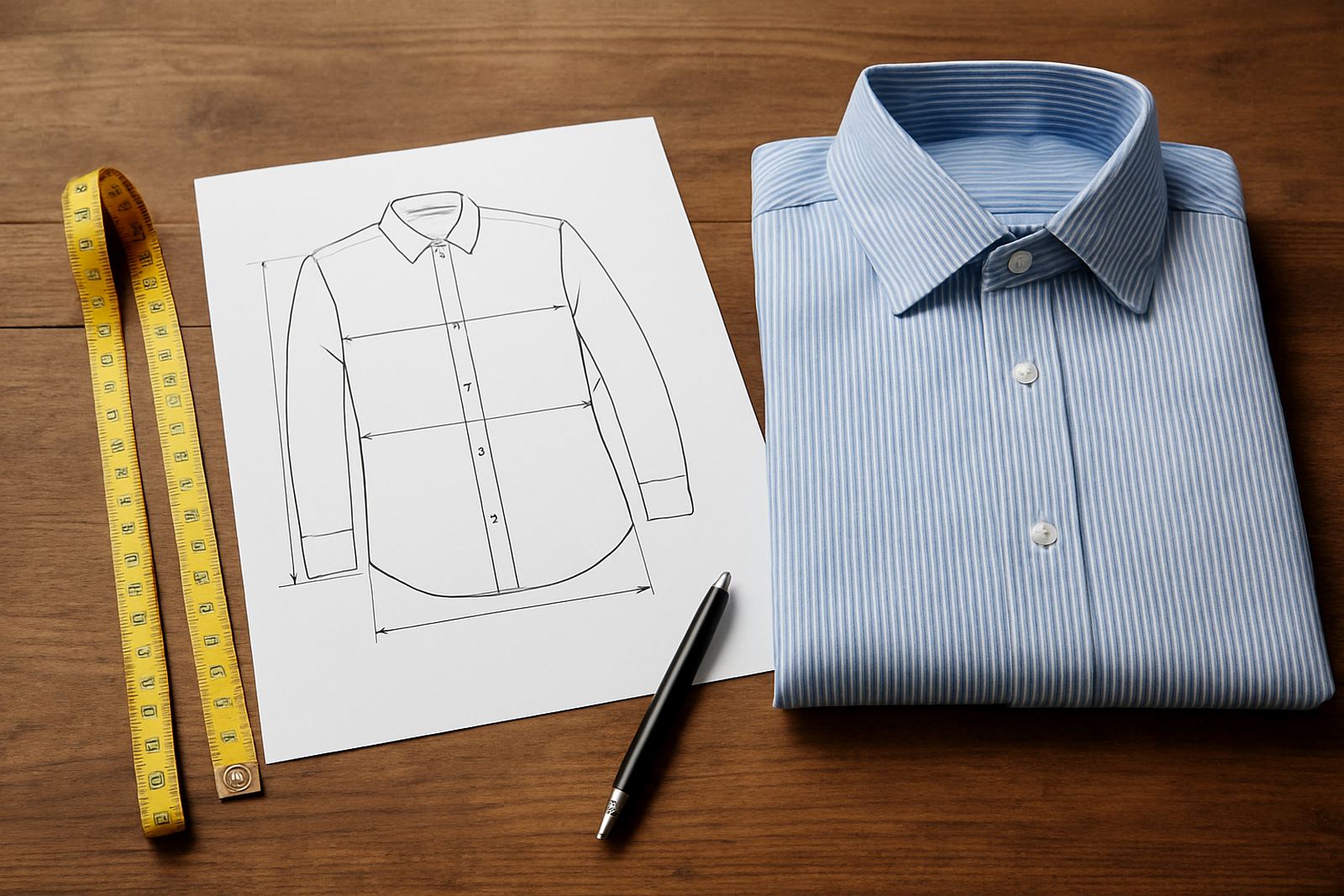
For shirts, the most useful checks are usually the collar, shoulders, chest, sleeves and hem. The collar should sit neatly without pulling open at the button, and you should be able to fit one finger comfortably when it is fastened. The shoulder seam should lie close to the edge of your shoulder rather than dropping down the arm or pulling across the top.
Look at the chest when you button the shirt fully. If there are lines pulling from the buttons or the fabric feels tight when you breathe in, tell us exactly where the strain appears. Sleeves should allow easy arm movement and the cuff should rest neatly at the wrist. If you prefer a longer or shorter shirt length for tucking, say so clearly, because that affects how the shirt works with trousers and jackets.
- Collar: too snug, too open, or just right
- Shoulders: seam position and any tightness across the upper back
- Chest: pulling, gaping, or excess cloth
- Sleeves: length, width and cuff comfort
- Hem: length for tucked or untucked wear
Read the suit fit in sections, not all at once
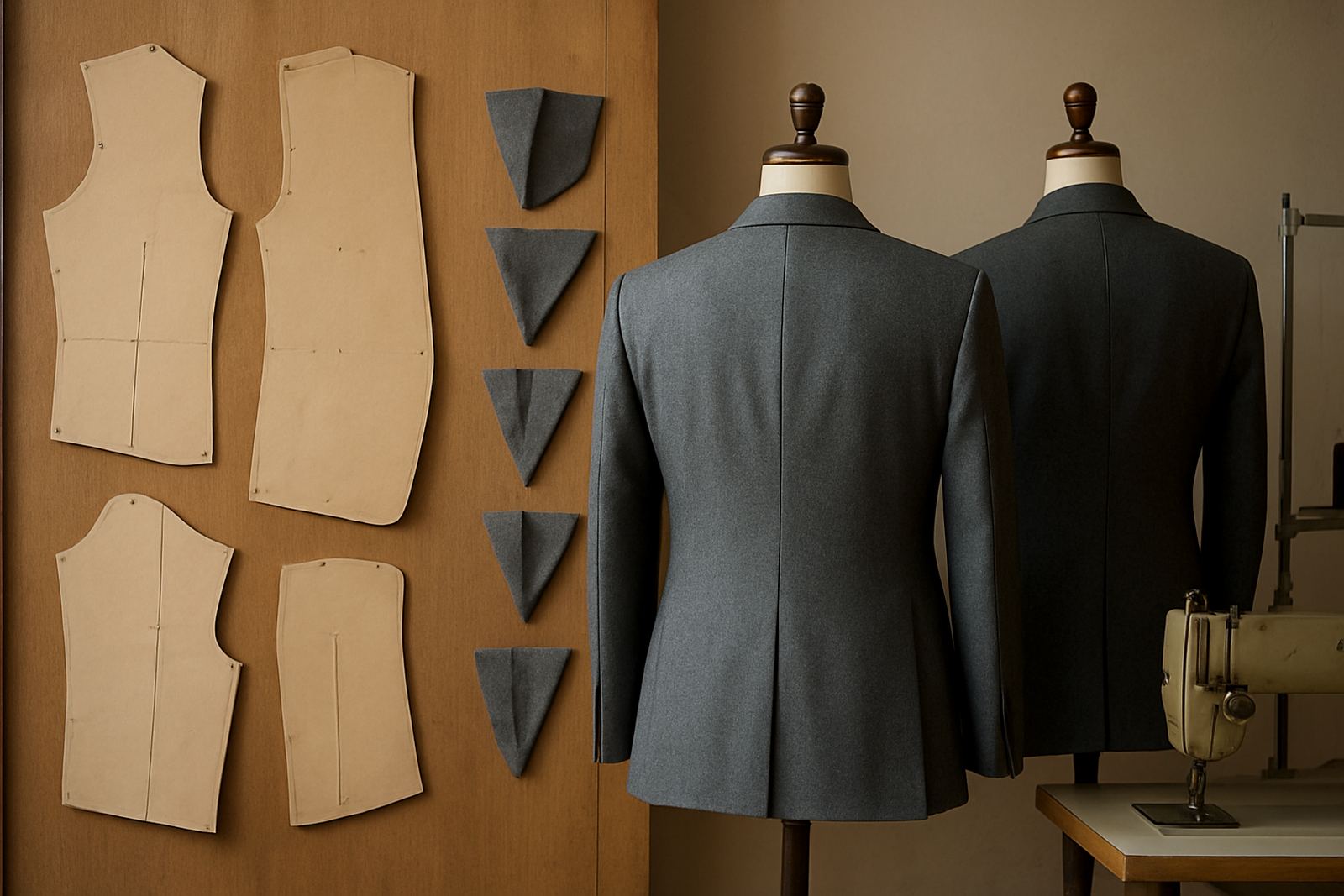
A suit should be checked in layers. Start with the jacket shoulders, then the chest, waist, sleeve length and jacket length. After that, look at the trouser rise, seat, thigh, knee and hem. If one area feels off, note it separately instead of saying the suit is simply too big or too small. That helps the cutter and fit consultant make the right adjustment without altering something that is already correct.
For the jacket, stand relaxed with your arms by your side and then button it. There should be enough room for easy movement, but not so much that the front hangs open or the waist looks boxy. For trousers, sit down and check whether the waist pinches, the seat pulls or the hem rides too high. If you notice twisting at the leg, mention which side shifts first. That detail matters more than a general comment like the trousers feel strange.
- Jacket shoulders: clean line, no sharp pulling
- Jacket chest and waist: enough ease without excess fabric
- Sleeves: length and ease when bending the arms
- Trousers: waist, seat, thigh and hem balance
- Movement: sit, walk and climb stairs if possible
Make notes that help with the next refinement
The most useful feedback is factual. Instead of saying the fit is wrong, say where it feels tight or loose and what happens when you move. For example, note whether the jacket collar lifts at the back, whether the shirt sleeve twists after a few minutes, or whether the trouser hem is catching on the shoe. If a change only shows up when you sit, say that too. It saves time and keeps the alteration focused.
Another useful step is separating style preference from fit concern. You may want a slimmer sleeve or a shorter jacket, which is a design choice, not a comfort issue. Both are useful, but they are handled differently. If you are unsure, write down what you see and how it feels rather than trying to label it yourself. We can sort the rest out from there, no need to overthink it.
- Where exactly is the problem?
- Does it happen standing, sitting or moving?
- Is it comfort, appearance, or both?
- Do you want a measurement change or a style change?
- Did the issue appear after wearing it for a while?
Prepare your garment before returning it
Before returning a garment for final refinements, check that it is clean, dry and free of pins or loose items in the pockets. If there are marks from chalk, normal wear or packing creases, mention them before the garment is worked on. In coastal areas like Durban, humidity can make cloth crease differently, while in Johannesburg dry air can make some fabrics feel slightly firmer. That context helps when we review the finish and structure.
Fold the item neatly or hang it properly so it travels well. If you are sending it by courier from anywhere in South Africa, use a clean bag or box and include your written notes inside. Keep the notes short but clear. A simple list is better than a long story. If you are returning more than one item, label each garment so nothing gets mixed up.
- Make sure the garment is clean and dry
- Remove loose objects from pockets
- Include written notes for each item
- Label shirt, jacket or trouser separately
- Package carefully for courier delivery
Use your first wear to spot real world issues
Some issues only appear after a proper day of wear. A shirt may feel perfect in the studio, then show collar movement after a commute from Sandton to Rosebank or a full day in Pretoria traffic. A suit may look balanced in the mirror, then the trouser hem may sit differently once you have worn it for a few hours. That is why a short wear test is useful before you give your final comments.
Take a few minutes after wearing the garment to note what changed. Did the collar stay flat? Did the jacket need constant adjusting? Did the trousers ride up when seated? These details help refine the piece so it works in your normal routine, not just for a quick fitting. If you are happy with one part and unsure about another, say so plainly. It keeps the process efficient and the end result better.
Good feedback is not about being picky. It is about giving the cutter and fit consultant the right information so the garment can be adjusted with confidence and care.