
Start with the job your suit must do
Before choosing a lapel or vent, think about when you will wear the suit most often. A wedding suit, a client-facing business suit and a travel suit do not need the same finish. In Johannesburg and Pretoria, many clients want a jacket that still looks neat after a full day in the car or at meetings, while Durban and Cape Town clients often ask for lighter cloth and easier movement in humid or windy conditions.
The first step is simple: decide what matters more, formality, comfort, or motion. If you want a sharper, more traditional look, your lapel and vent choice should support that. If you need something practical for daily use, especially for work or events that involve sitting, standing and moving often, the cut should allow for that without pulling across the back or hips.
- Ask where the suit will be worn most often.
- Think about how much you sit, drive, walk or travel in a day.
- Consider the season and local climate, especially coastal humidity.
- Choose details that match the rest of the suit, not just one feature.
Lapel shapes and what they say
Lapel shape changes the look of the chest and neckline. The three common choices are notch lapels, peak lapels and shawl lapels. A notch lapel is the most versatile and works well for business suits, weddings and everyday tailoring. It gives a clean outline without looking too formal. Peak lapels point upwards toward the shoulders and add presence, which suits double-breasted jackets and stronger silhouettes. Shawl lapels are smoother and more rounded, and are usually reserved for black tie or evening wear.
Width matters too. A narrow lapel can look modern, but if it is too slim for your frame it can make the jacket feel off-balance. A wider lapel can add structure, yet it should still sit in proportion with your shoulders, chest and tie width. For most men, the best result is not the widest or the thinnest option, but the one that looks natural when the jacket is buttoned.
- Notch lapel: safest choice for business and general wear.
- Peak lapel: stronger, more formal, good for a sharper silhouette.
- Shawl lapel: smooth and dressy, usually for evening occasions.
- Match lapel width to your build and the occasion.
How vent choice changes movement
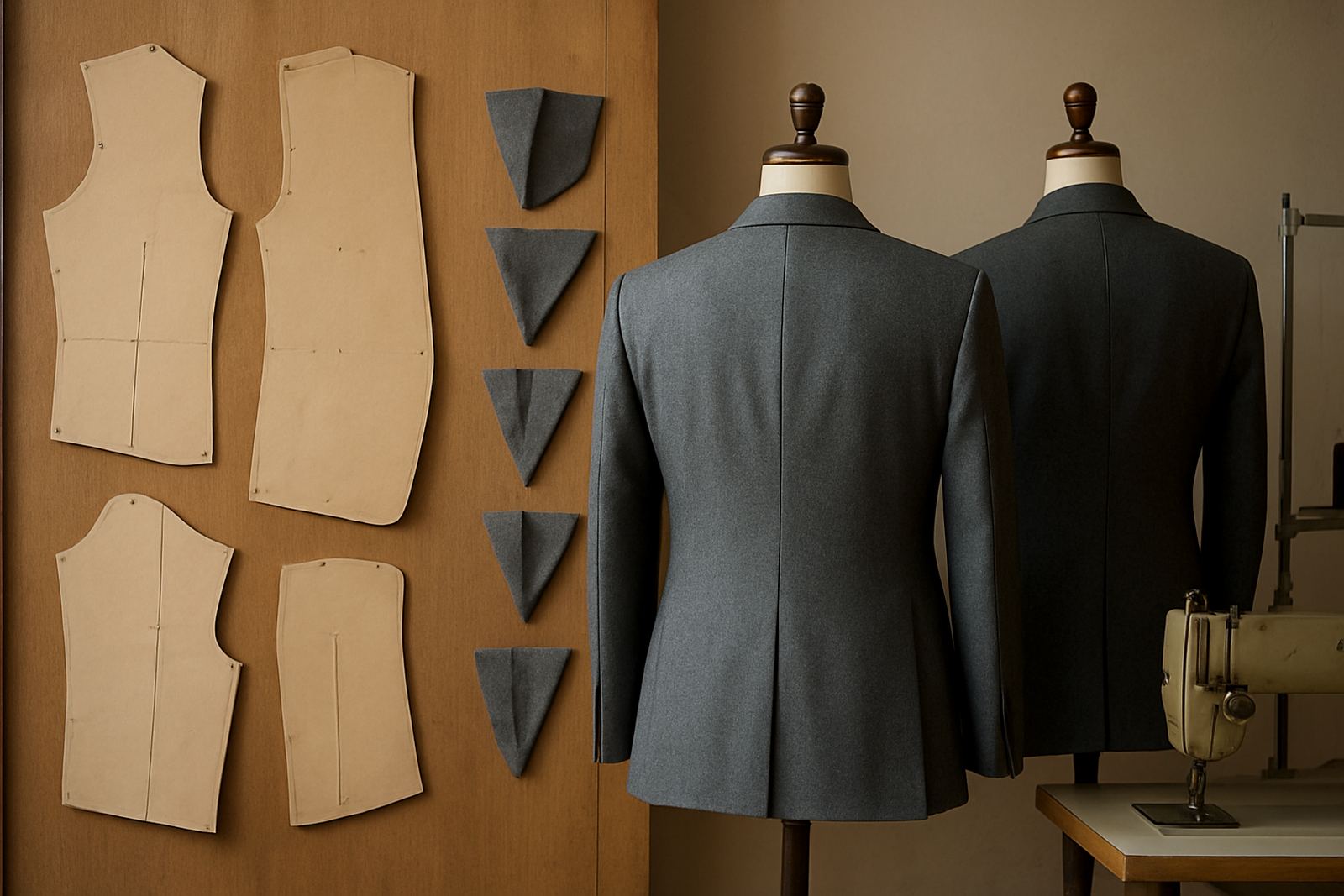
Jacket vents are the slits at the back of the jacket. They affect how the jacket moves when you sit, walk or reach. A centre vent gives a neat, simple back and is often seen on more practical jackets. A double vent, one on each side, offers better movement and tends to sit more cleanly when you put your hands in your pockets or sit down. No vent jackets have a smooth back but can feel restrictive, and they may pull or ride up more easily.
For South African clients who commute, drive or spend long hours at events, double vents are often the most practical choice. They are especially useful if you want a jacket that stays neat over trousers and does not flare when you move. Centre vents can still work well, but they need careful fitting through the seat and back. If you are carrying a phone, wallet or notebook, or if you often bend and turn during the day, vent choice makes a real difference.
- Centre vent: simple and common, but less forgiving.
- Double vent: more movement and a cleaner drape in many situations.
- No vent: formal look, but less practical for active wear.
- Check how the jacket behaves when you sit and reach forward.
A practical fitting checklist before you order
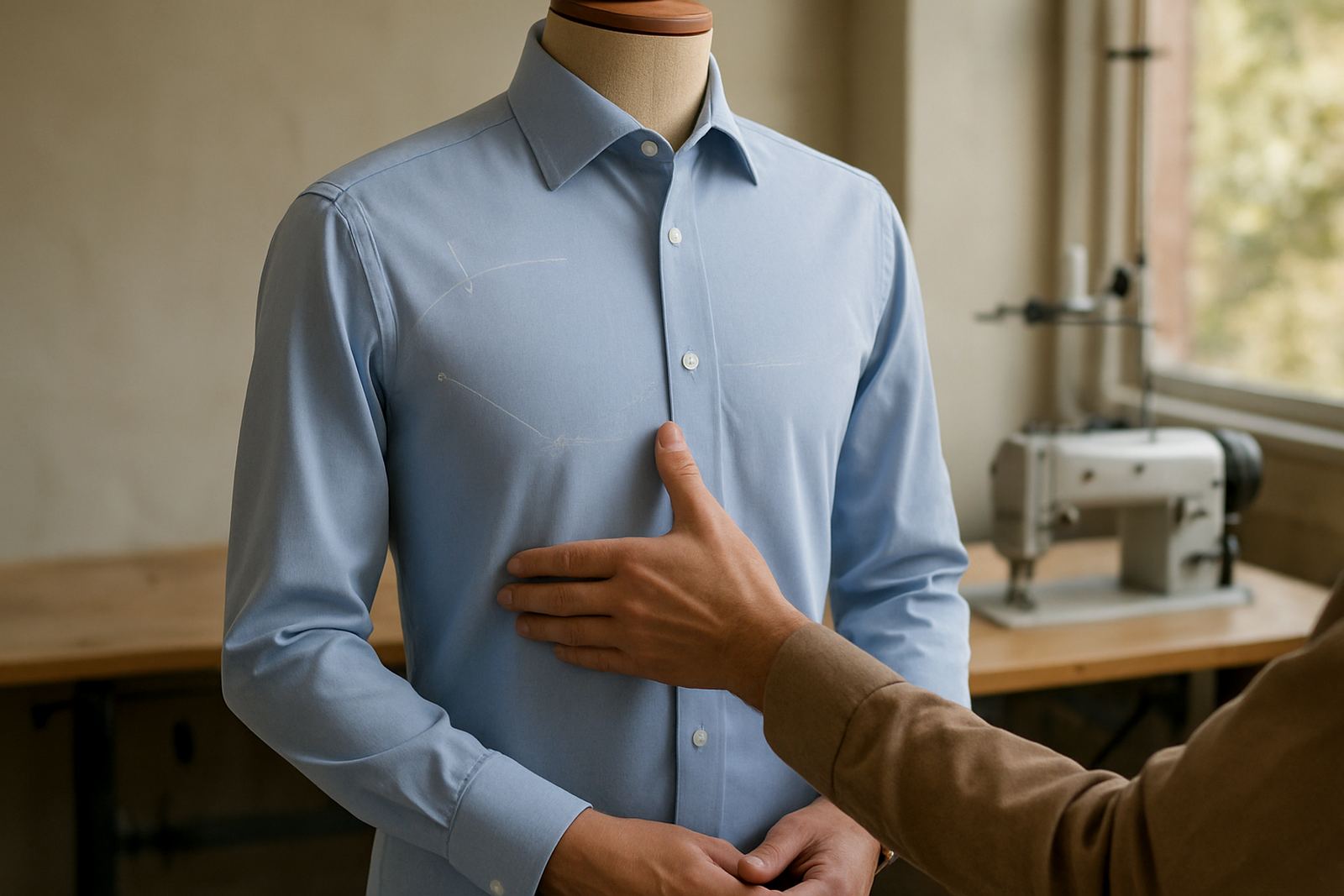
When you come for an online fitting or a studio fitting in Rosebank, the best time to decide on lapels and vents is before the cloth is cut. Once the jacket is made, changes are more limited. A good fitter will look at your shoulders, chest, waist, posture and how your body moves. If you have one shoulder lower than the other, a fuller seat, or a rounded back from office work, these details should influence the final shape.
Use this checklist before confirming your suit details:
- Do I need a formal, business or occasion suit?
- Will I wear it mostly standing, sitting, or travelling?
- Do I prefer a soft or more structured chest?
- Do I want the jacket to feel neat when buttoned and unbuttoned?
- Will I wear a tie often, and what width is it?
- Do I need more ease for comfort in heat or long meetings?
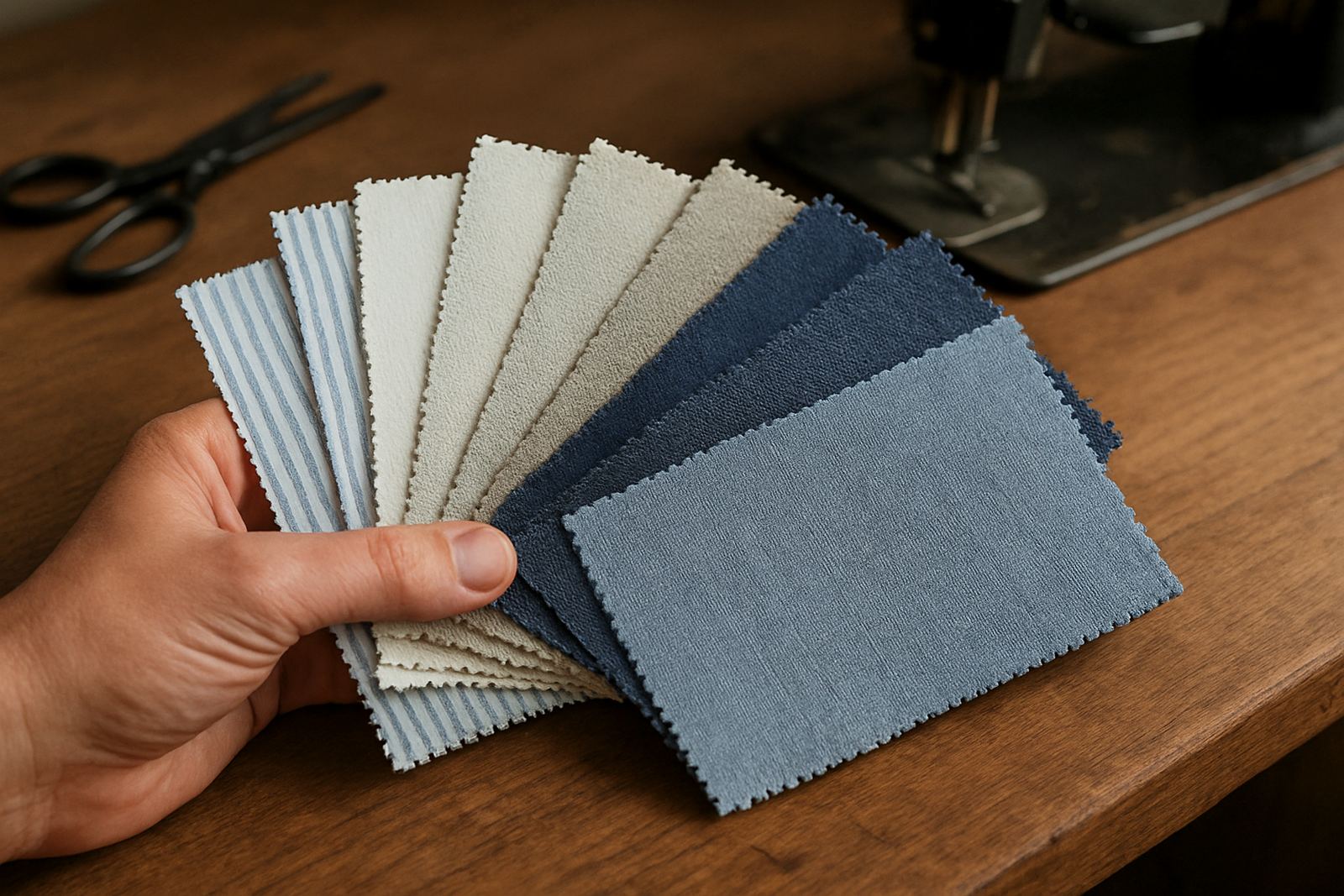
This is also the point to check the cloth weight, lining and trouser rise, because lapel and vent decisions should work with the full garment not on their own.
Common mistakes to avoid
Many suit problems come from choosing details in isolation. A very wide peak lapel on a slim frame can overwhelm the chest. A very narrow notch lapel on a broad chest can look underdone. A no vent jacket on someone who drives a lot can crease and pull at the back. These are not dramatic faults, but they can make an otherwise good suit feel wrong in daily use.
Another common mistake is copying a style without checking whether it suits your body. A jacket seen on a taller or slimmer person may not translate well to your build. It is better to start with your shape, then refine the style. If you plan on wearing the suit repeatedly for work, your choice should be practical enough to survive load-shedding meetings, hot afternoons and a long commute without needing constant adjustment.
- Do not choose a lapel just because it is trendy.
- Do not pick a vent style without testing movement.
- Do not ignore shoulder balance and posture.
- Do not separate style choice from how often the suit will be worn.
How we guide the final decision
Our process is built around fit first, then detail. During an online fitting or studio appointment, we look at how your jacket should sit when you stand straight, sit down and move your arms. From there, lapel shape and vent choice are matched to the cut of the jacket, the cloth and the intended use. For wedding tailoring, some clients prefer a more expressive lapel. For corporate orders, a cleaner and quieter finish often works better.
If you are ordering from Sandton, Pretoria, Durban, Cape Town or elsewhere in South Africa, courier delivery and repeat orders make it easy to keep the same profile once you have found the right fit. Once your fit profile is set, the same collar, shoulder line and trouser balance can be carried through future garments. That saves time and keeps the fit consistent across your wardrobe.
Good tailoring is about small choices working together. Lapels and vents may seem minor, but they shape the whole jacket. Get them right and the suit feels balanced, comfortable and ready for proper use, not just for one photo.