
Start with your face shape and neck length
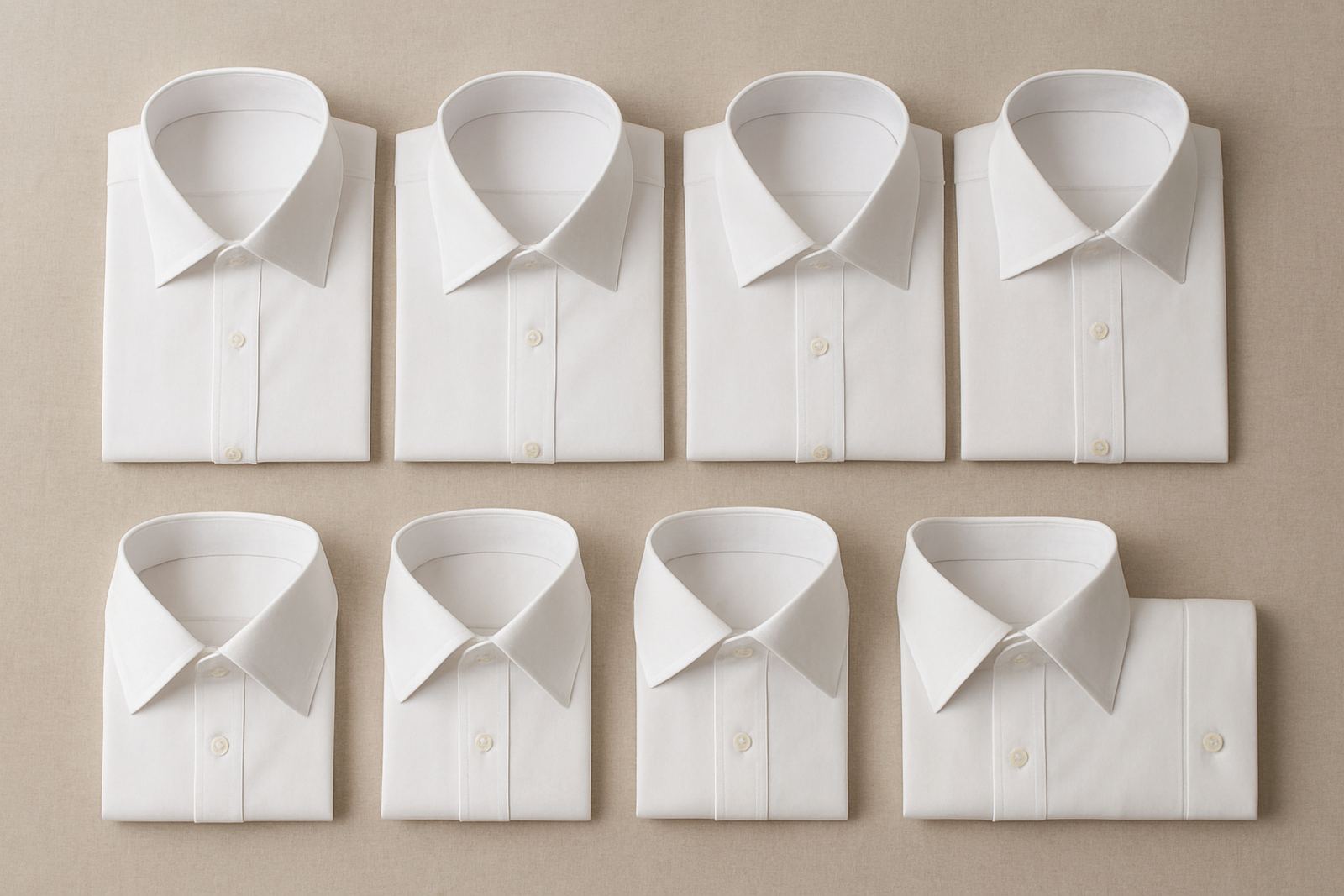
When we fit a shirt, the collar is one of the first details we check because it sits close to the face and changes the overall balance. A wider face usually suits a collar with a bit more spread, while a narrower face often looks better with a straighter point. If you have a short neck, avoid collars that feel heavy or close in. You want enough space so the collar sits neatly and does not fight the jawline.
For most South African dress shirts, the aim is simple: the collar should frame the face without stealing attention from the person wearing it. A good collar makes the shirt look cleaner under office lighting, at weddings, or in Durban humidity when the fabric is working a bit harder. It also helps when you are moving from a morning meeting in Sandton to an evening event in Rosebank.
- Rounder faces often suit moderate spread collars.
- Longer faces usually benefit from a shorter point or a softer spread.
- Short necks need more breathing room at the collar band.
- Sharp jawlines can carry slightly wider collar openings well.
Choose the collar by occasion, not only by taste
The collar should match the setting. A business shirt for Pretoria boardrooms is not the same as a shirt for a summer wedding in Cape Town or a relaxed dinner in Randburg. The more formal the occasion, the more structure you usually want in the collar. The more casual the setting, the softer the collar can feel.
For a tie, a collar with enough opening keeps the knot sitting properly. For open-neck wear, a cleaner, slimmer collar often looks better because it stays close and neat. If you wear your shirts under a jacket most days, the collar should hold its shape after a full day, even with aircon in the morning and a load-shedding warm-up later in the afternoon.
- Formal meetings: medium to wide spread collars with firm support.
- Weddings and ceremonies: balanced collars that work with a tie or bow tie.
- Weekend wear: softer collars with a relaxed finish.
- Corporate uniforms: steady collars that stay presentable through long hours.
Match cuff style to your routine
Cuffs are easy to overlook, but they affect comfort and practicality every day. A barrel cuff is the most practical choice for regular workwear because it is quick to fasten and easy to wear under a jacket. A French cuff feels more dressed up and is better for formal occasions or special tailoring. If you travel between clients, meetings and family functions, it helps to have one shirt that can do both jobs.
We also look at how you work with your hands. If you are in a studio, retail floor, or production environment, a cuff that sits neatly and does not catch on things matters more than fashion. In humid coastal conditions, a cuff with a clean finish and the right width tends to sit better through the day, especially when the shirt is worn without a jacket.
- Barrel cuff: practical, everyday, easy to maintain.
- French cuff: more formal, best for events and dressier shirts.
- Single-button cuff: simple and tidy for daily wear.
- Wider cuff: useful when you want a stronger wrist line under a jacket.
Pair collar and cuff choices so the shirt feels balanced
A shirt works best when the collar and cuffs speak the same language. If the collar is formal and structured, the cuff should usually be equally disciplined. If the collar is softer and more relaxed, an overdone cuff can make the shirt feel confused. Balance is what keeps the shirt looking intentional rather than overworked.
For example, a spread collar with a tie and French cuffs works well for weddings, awards evenings or important client meetings. A neat point collar with barrel cuffs is better for daily office use. The trick is to think about the whole shirt, not just the collar in isolation. We also check sleeve length and wrist opening so the cuff lands correctly, even when you are writing, driving or reaching for a laptop charger.
- Formal collar plus formal cuff for evening wear.
- Simple collar plus practical cuff for daily use.
- More tie room means the collar opening must be planned properly.
- Long sleeves should still show a clean cuff line under a jacket sleeve.
Use fabric and fit to support the collar and cuff
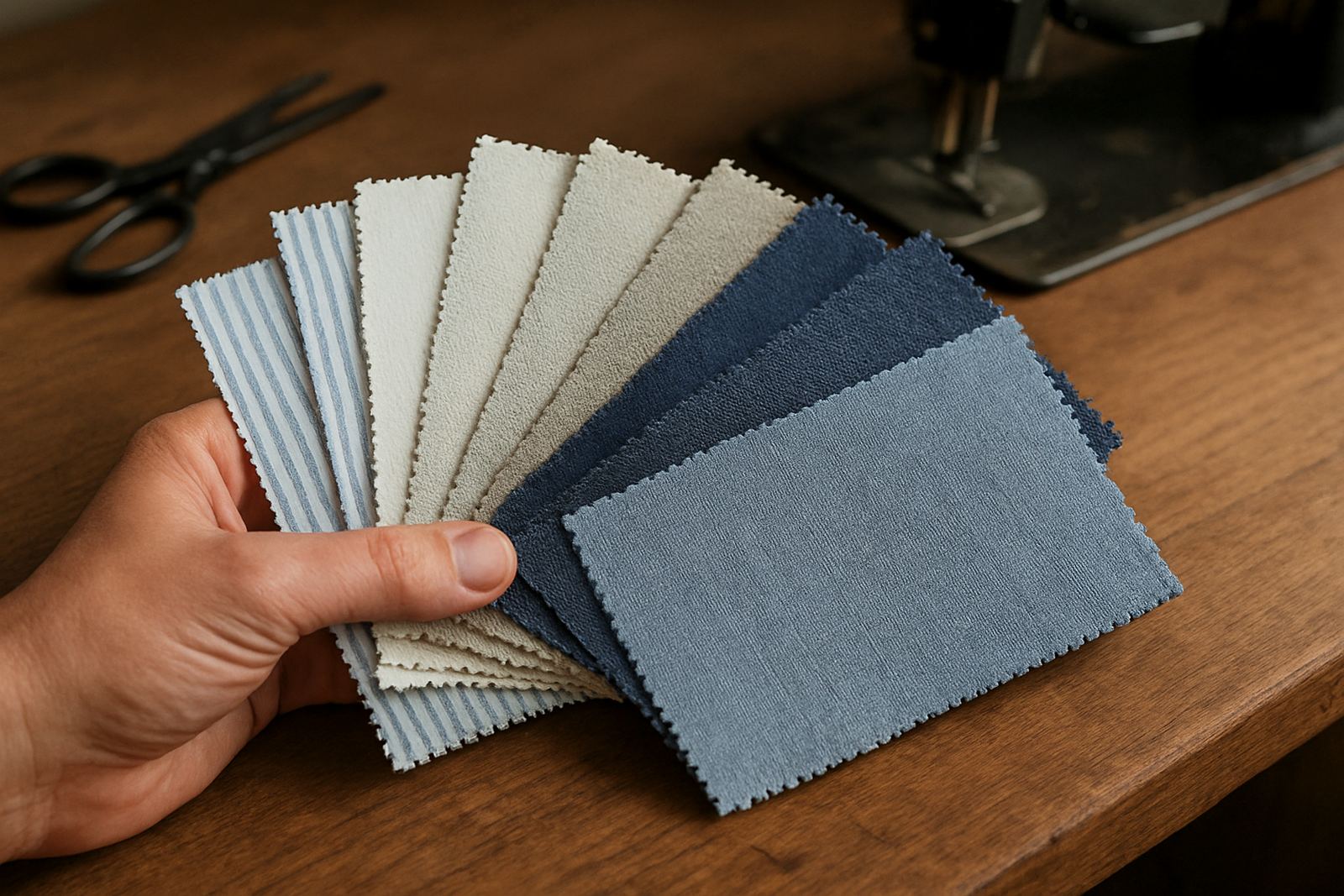
The collar and cuff only look good if the fabric and fit support them. A soft fabric may need more structure in the collar stand, while a firmer fabric can carry a cleaner line with less reinforcement. In Johannesburg winters and coastal summers, the cloth behaves differently, so we factor that in before cutting. A shirt that fits through the shoulders and neck will keep the collar sitting flat instead of gaping or pulling.
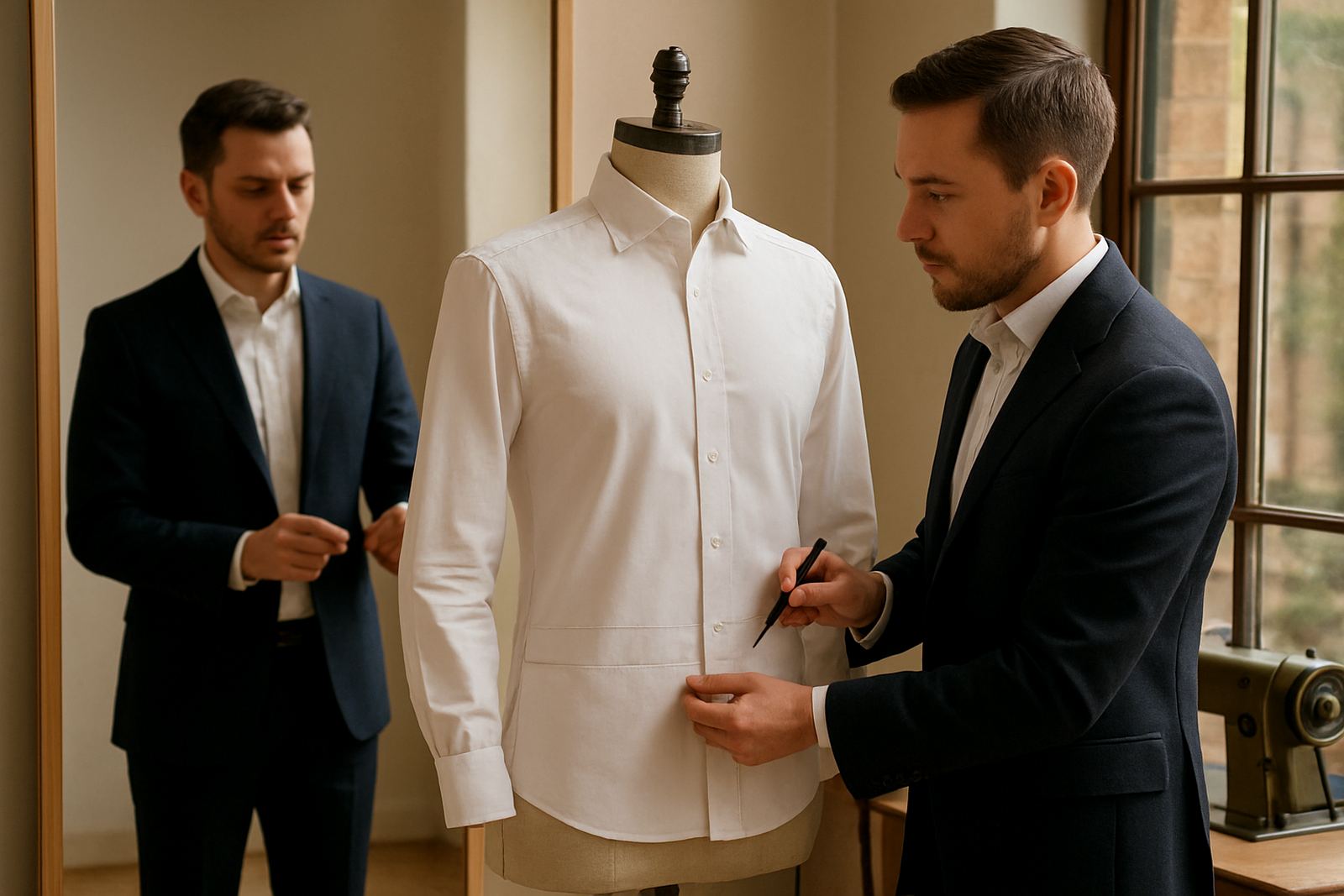
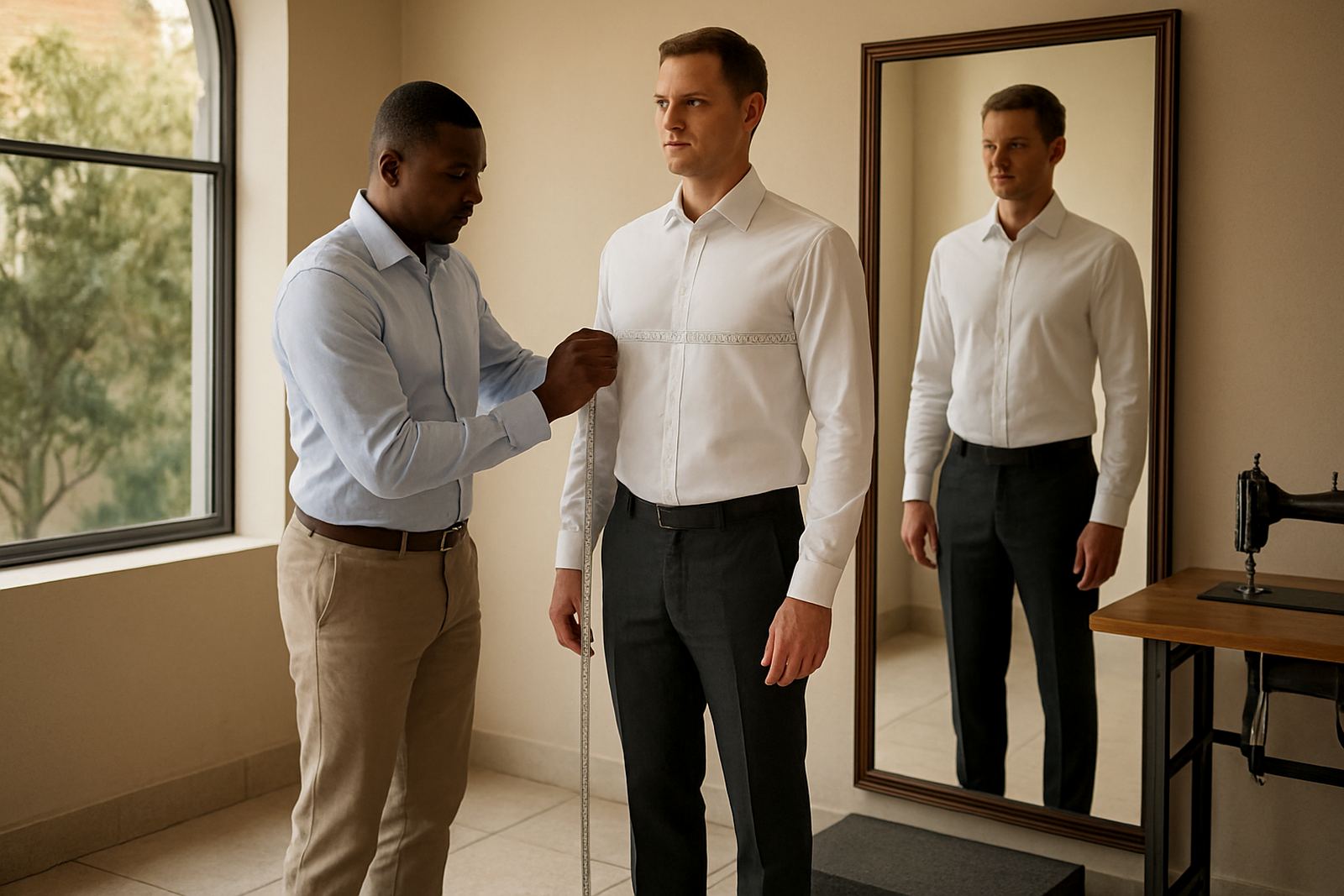
We also consider whether the shirt will be worn for long office hours, weddings, or repeat weekly use. If you need a shirt for corporate orders or regular rotation, the collar should be easy to iron and the cuff should hold its edge after washing. Small changes in width, rise and opening can make a big difference. That is why a fitting session, whether in studio or online, is useful before the final cut.
- Light fabrics need careful collar support.
- Heavier fabrics can carry more structure.
- Correct shoulder fit helps the collar sit flat.
- Good sleeve balance keeps cuffs from twisting.
Quick checklist before you place your order
Before you confirm your shirt, work through a simple check. It saves time and avoids a collar that feels too tight or a cuff that looks out of place. If you are ordering more than one shirt, use one version for business and another for events. That gives you more flexibility without starting from scratch every time.
Here is the practical checklist we use with clients across South Africa:
- Will the shirt be worn with a tie, open neck, or both?
- Is the occasion formal, business, or relaxed?
- Do you have a round, long or angular face shape?
- Do you prefer a tighter or looser feeling at the neck?
- Will the cuffs need to stay neat under a jacket?
- Do you want one shirt for daily use or a separate shirt for special events?
If you are unsure, keep the first shirt conservative and build from there. One well judged collar and cuff combination is better than a bold choice you never wear. We would rather guide you to a shirt you use often than one that stays in the cupboard.