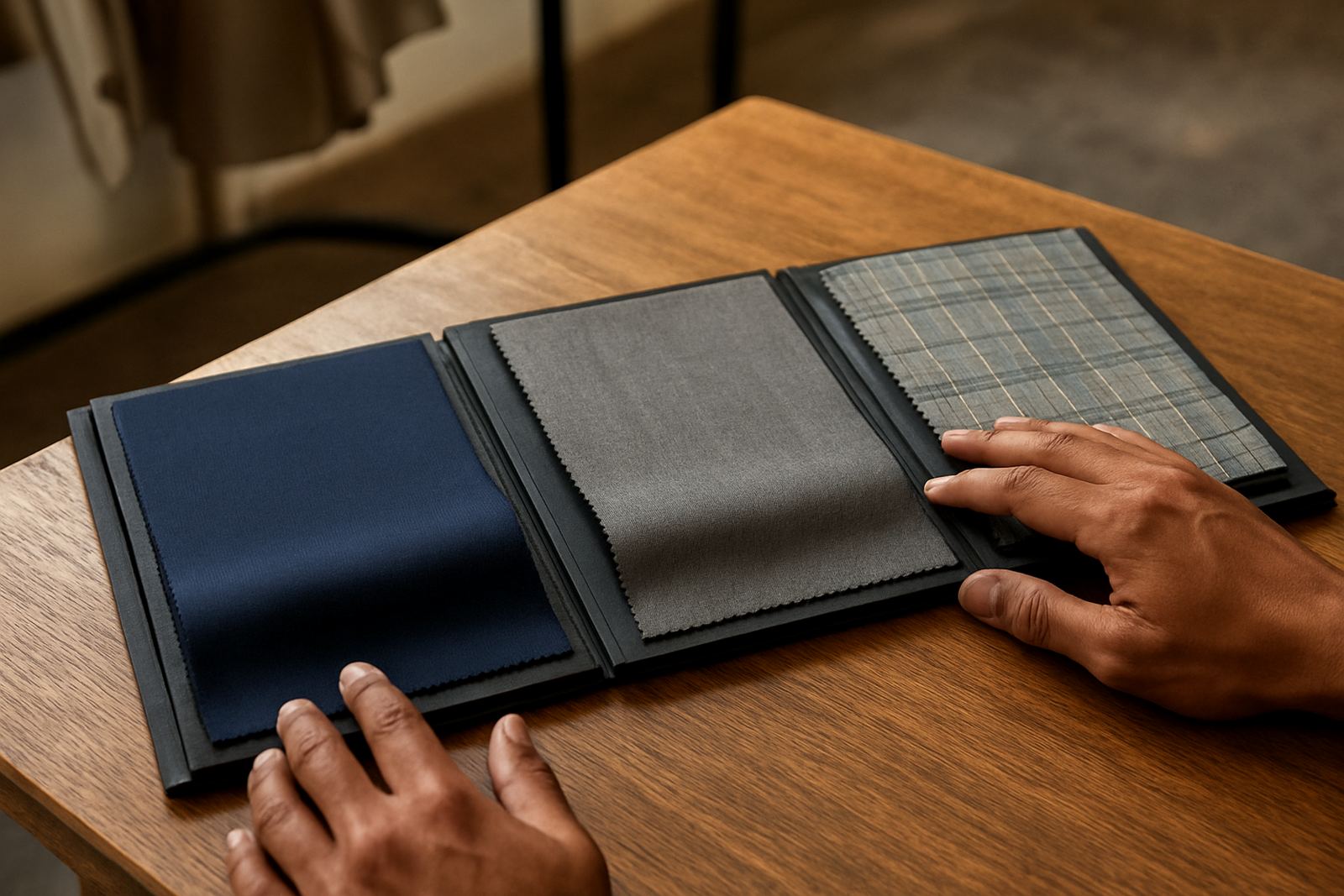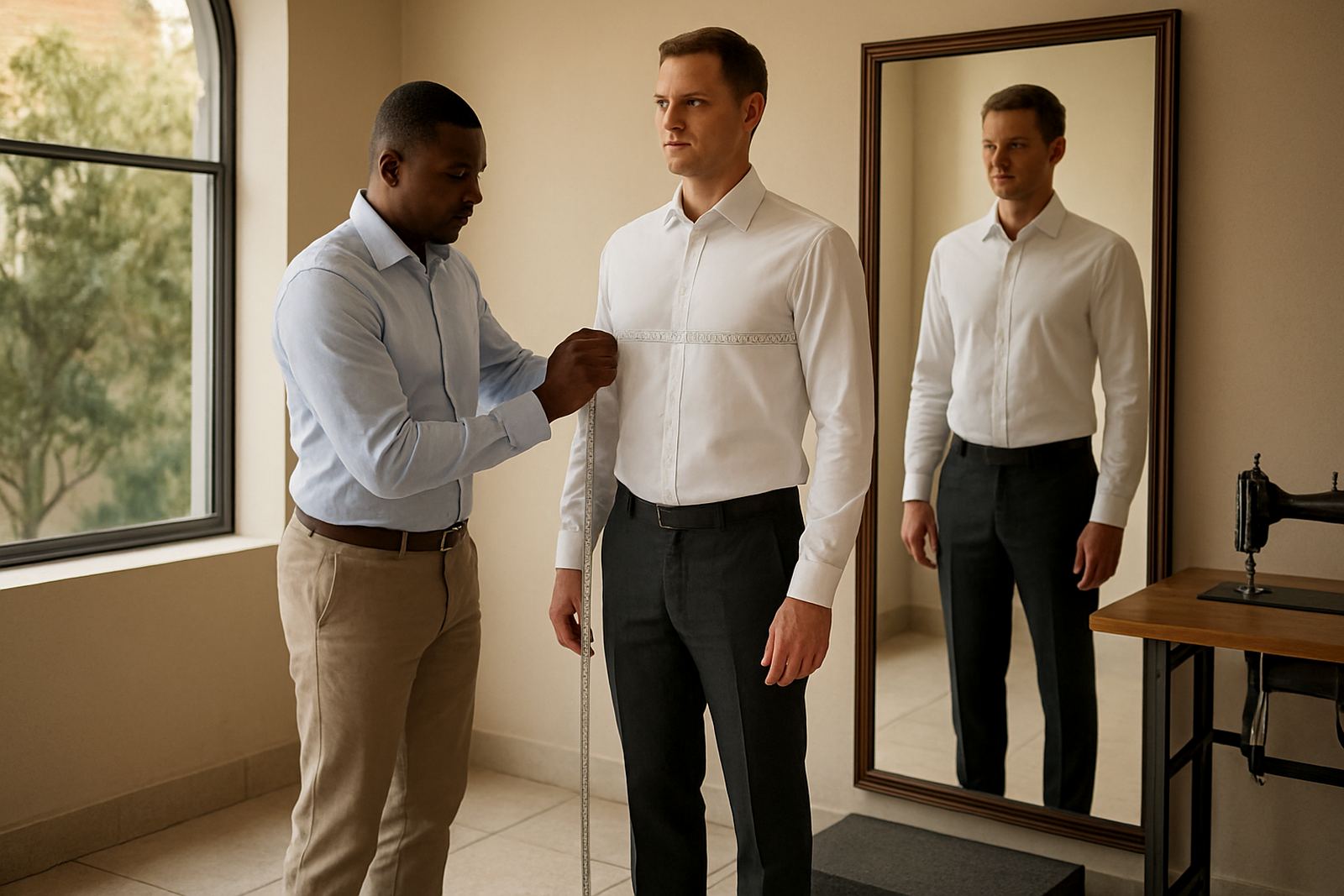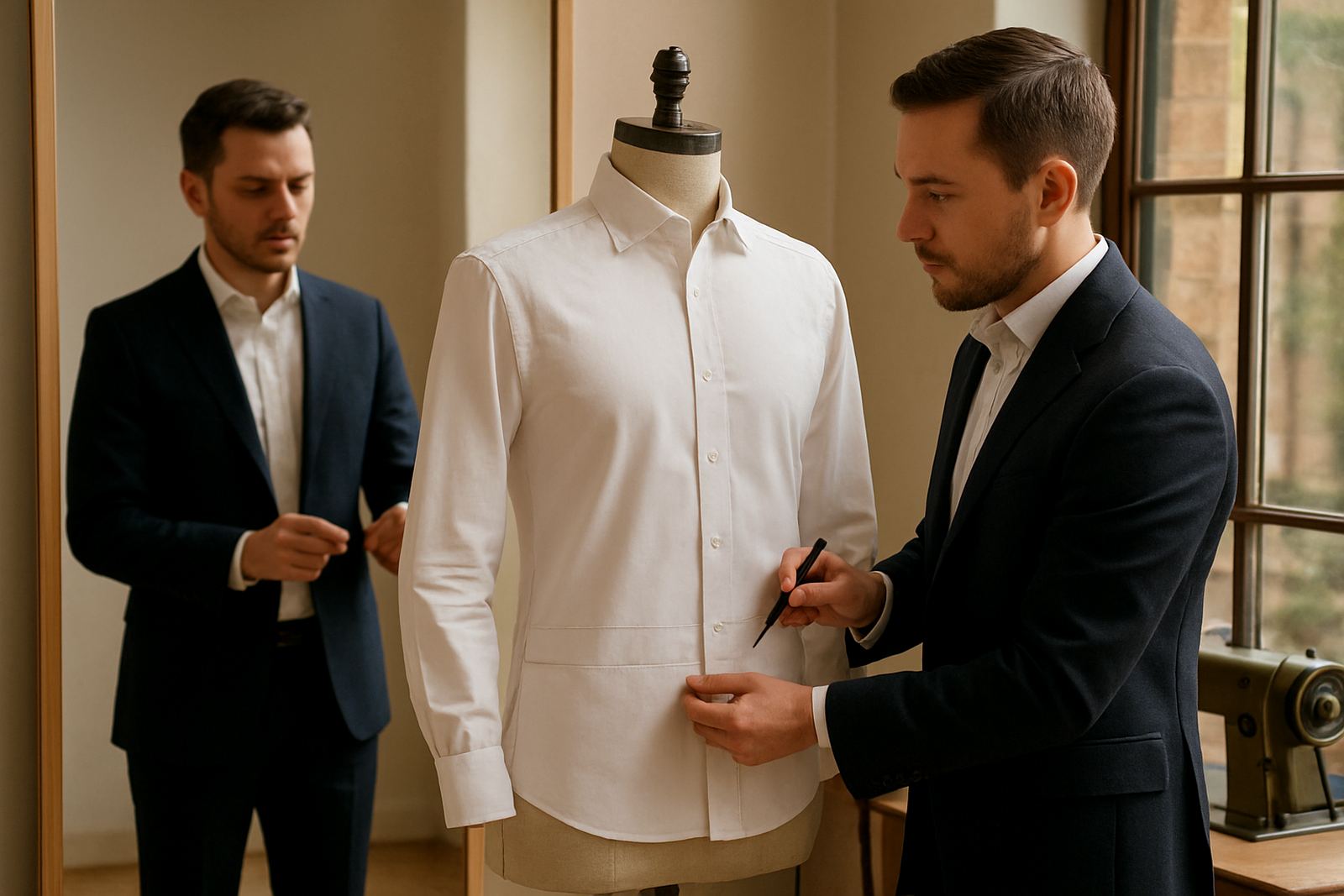

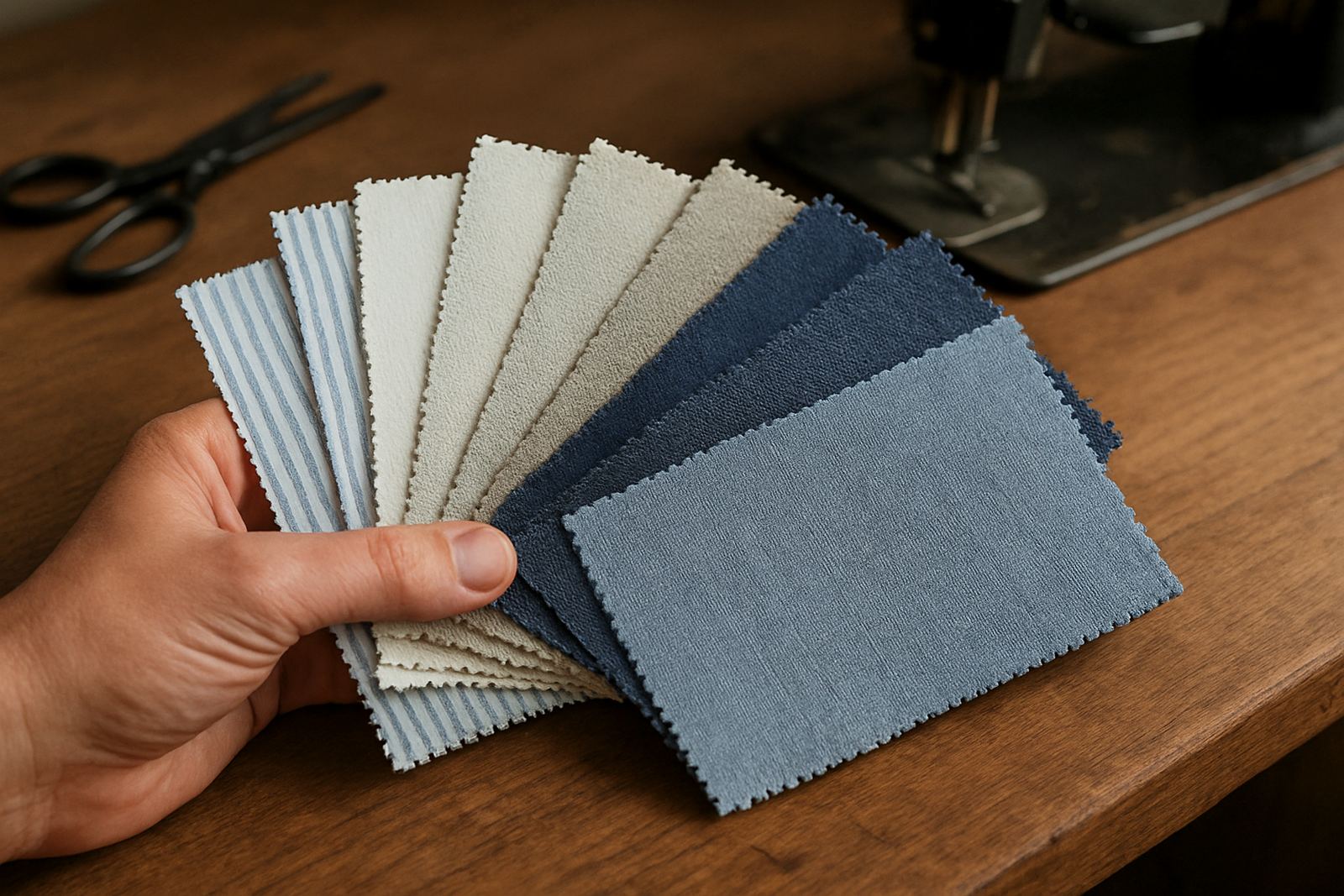
Start with the way you wear shirts
The right shirt fabric starts with your routine. A banker moving between Sandton meetings needs a different cloth from someone wearing a shirt to a Durban lunch, a Cape Town function, or a Friday at the office in Midrand. Think about heat, aircon, driving time, how often you iron and whether the shirt must hold its shape for long hours.
As a rule, lighter fabrics breathe better, tighter weaves look sharper, and thicker cloths tend to feel more substantial. If you are ordering online or coming into the Rosebank studio, bring 2 or 3 shirts you already like. That gives a clear idea of weight, collar height and cuff balance.
- Ask where the shirt will be worn most often.
- Check if you want a crisp or relaxed finish.
- Consider ironing time, especially during load-shedding when timing matters.
- Decide whether the shirt must work under a suit jacket or on its own.
If you live near the coast or travel there often, it is worth choosing fabric that handles humidity better. Inland, you may prefer something that stays neat through dry heat and long commutes.
Cotton shirting for everyday workwear
Cotton is the most common starting point for made-to-measure shirts because it is comfortable, breathable and easy to wear for long periods. It works well for office shirts, client meetings and smart-casual dressing. The feel can vary a lot, from very smooth and fine to slightly more textured and relaxed.
For work shirts, many clients choose a medium-weight cotton with a clean weave. It usually irons well and holds a good line across the shoulders and collar. If your schedule is packed, a cotton that resists creasing a little better can save time without sacrificing comfort.
- Best for: office wear, interviews, formal lunches and daily rotation.
- Good in: Johannesburg dry heat, airconditioned offices and most year-round use.
- Watch for: very light cottons that crease quickly and may show undergarments if too thin.
When we cut cotton shirts, we also look at the collar shape and cuff style. A sharper collar suits a tie, while a softer collar works better when you wear the shirt open-necked.
Linen and linen blends for heat and relaxed occasions
Linen is a strong choice for warm weather, especially for Durban, Cape Town summers or outdoor events where breathability matters. It lets air move easily and has a relaxed look that suits smart casual dressing, holidays and destination weddings. Pure linen does crease, and that is part of its character rather than a fault.
If you like the look of linen but want a neater finish, a linen blend can be a practical option. It keeps some of the texture and cooling feel while reducing the wrinkling a bit. This can be useful for travel or for clients who want a shirt that still looks presentable after a full day out.
- Best for: warm weather, functions, Sunday wear and relaxed tailoring.
- Good in: coastal humidity and hotter months.
- Watch for: deep creases, softer structure and a more casual appearance.
A linen shirt usually works best with a simpler cut, moderate sleeve room and a collar that sits cleanly without feeling stiff. That balance makes the shirt feel easy, not sloppy.
Oxford, poplin and twill: the practical weave choices
Weave changes how a shirt looks and performs even when the fibre is the same. Oxford is usually more textured and slightly heavier, so it suits casual office wear and relaxed Fridays. Poplin is smoother and lighter, which gives a crisp appearance for formal shirts and business wear. Twill sits somewhere between the two, with a soft drape and a slight diagonal pattern that can feel more substantial.
If you want one shirt that does a bit of everything, twill is often a sensible option. If you need a sharp shirt for presentations or events, poplin gives a cleaner finish. Oxford is useful when you want a shirt that feels a little easier to wear with chinos or denim.
- Oxford: textured, casual, dependable for everyday wear.
- Poplin: smooth, neat and formal enough for suits.
- Twill: softer drape, good for long wear and fewer visible creases.
For repeat orders, keeping a note of the weave you liked helps a lot. It means your next shirt can match your routine instead of just repeating the colour.
Colour, pattern and what shows on camera
Fabric choice is not only about comfort. Colour and pattern affect how the shirt looks in meeting rooms, on video calls and in photos. White remains a classic because it works with almost any suit and remains strong for formal wear. Light blue is another safe choice for work, and it usually flatters most skin tones. Pale pink, soft grey and subtle stripes can add variety without becoming too loud.
Small checks and bold prints can work well for casual wear or events, but they need to be balanced with the rest of the outfit. If you are often on camera, avoid fabric that is too shiny or too busy, since it can distract from your face and give a glare under office lights.
- Formal staple: white or light blue.
- Easy variety: pale stripe, grey or soft pastel.
- Relaxed wear: checks, texture and darker tones.
When selecting fabric, ask how it looks in daylight and under indoor lighting. A cloth that seems perfect in the studio may read differently once you are outside in the Joburg sun or under a boardroom light.
How to choose fabric for comfort, care and climate
The best shirt is the one you can keep wearing. Before confirming your fabric, think through these checks step by step. They help avoid shirts that look good on paper but are awkward in daily life.
- Step 1: Identify the main use, such as office, wedding or travel.
- Step 2: Decide if you prefer a crisp shirt or a softer one.
- Step 3: Check whether you iron often or need something easier to manage.
- Step 4: Think about climate, especially coastal humidity and summer heat.
- Step 5: Match the cloth weight to the season and the jacket you wear.
Clients in Pretoria often prefer shirts that feel cooler without becoming flimsy. In Rosebank and Sandton, many choose a fabric that stays neat for meetings and after-work events. For nationwide courier orders, it helps to be specific about how you want the shirt to behave once it arrives and after a few washes.
Before you place a shirt order, check these details
A good shirt fabric guide should end with the details that matter on the cutting table. Once you know the cloth, confirm how the shirt will be finished so it suits your body and your habits. This is where collar height, cuff width, placket style and fit come together.
Before placing the order, ask yourself whether the shirt will be worn tucked or untucked, with a tie or open neck, and with formal trousers or relaxed chinos. Those answers affect the best fabric choice as much as the colour does. A shirt for corporate use in Sandton is not the same as one for a wedding in Durban or weekend wear in Cape Town.
- Bring examples of shirts you wear often.
- Note any fabric that felt too hot, scratchy or too stiff.
- Choose one formal option and one relaxed option if you need a small wardrobe refresh.
- Keep a record of the fabric name, colour and weave for future repeat orders.
That bit of record keeping saves time later, and it helps keep your wardrobe consistent without having to start from scratch each season.