
Start with the season and the city you wear it in
In Johannesburg and Pretoria, winter mornings can feel sharp, then the sun warms things up by lunch. A cloth that works in Sandton boardrooms may feel different in Durban humidity or Cape Town wind, so it helps to think about where you spend most of your week. Start by asking when you wear the garment most often, and whether it must handle aircon, travel, or long hours outdoors.
For shirts, lighter cloths work well in warm weather and in busy office routines. For suits, midweight options are often the safest choice for year round use in Gauteng, while heavier cloths can be better for cooler months or evening wear. If you commute between offices, or spend time in cars and taxis, choose fabric that keeps its shape without feeling stiff.
- Hot and humid areas: choose lighter, breathable cloths
- Cool inland winters: go for midweight shirts and suits
- Air-conditioned offices: avoid very heavy fabrics that trap heat
- Frequent travel: pick cloth that resists creasing and holds a clean line
Choose shirt cloth weight for comfort and appearance
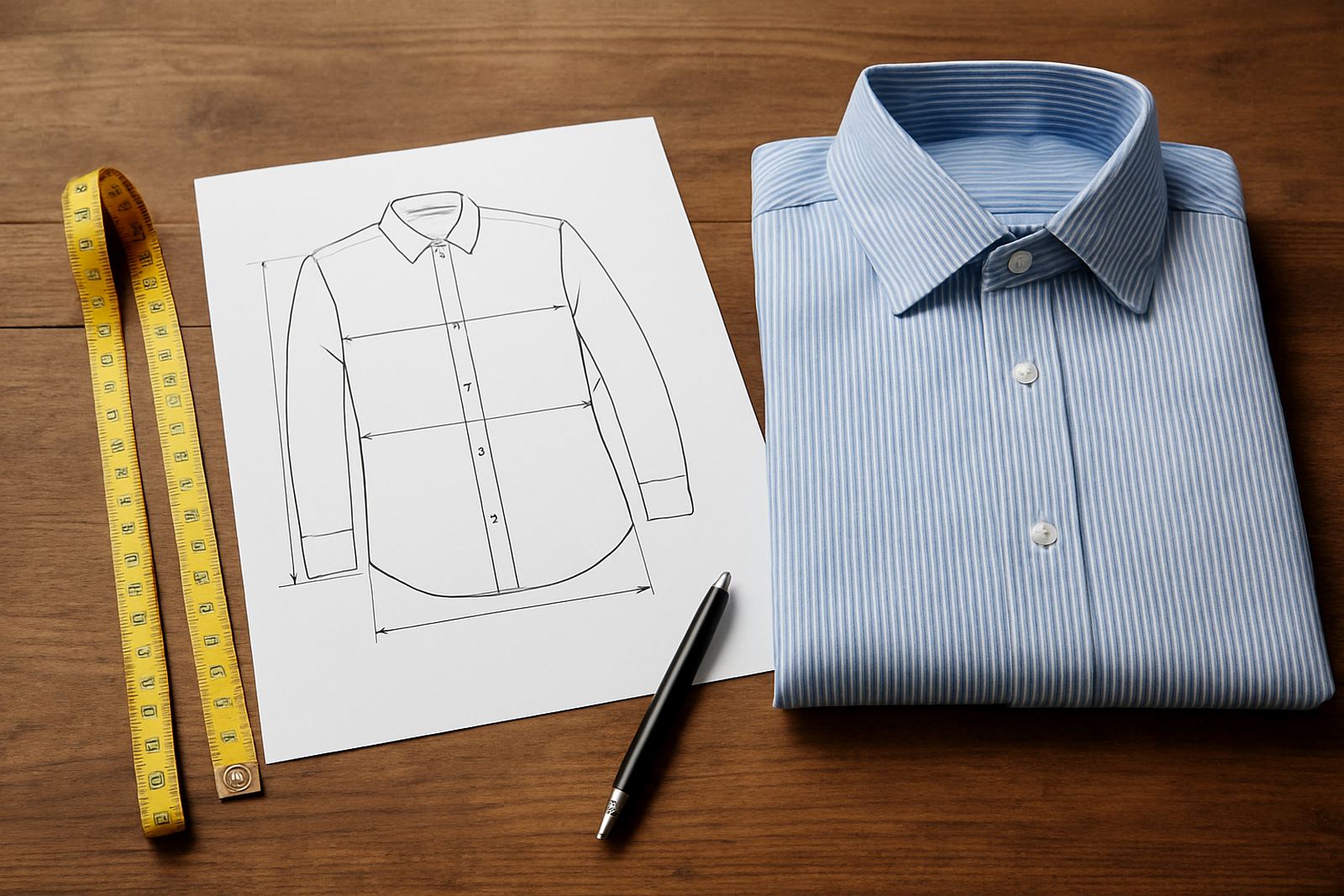
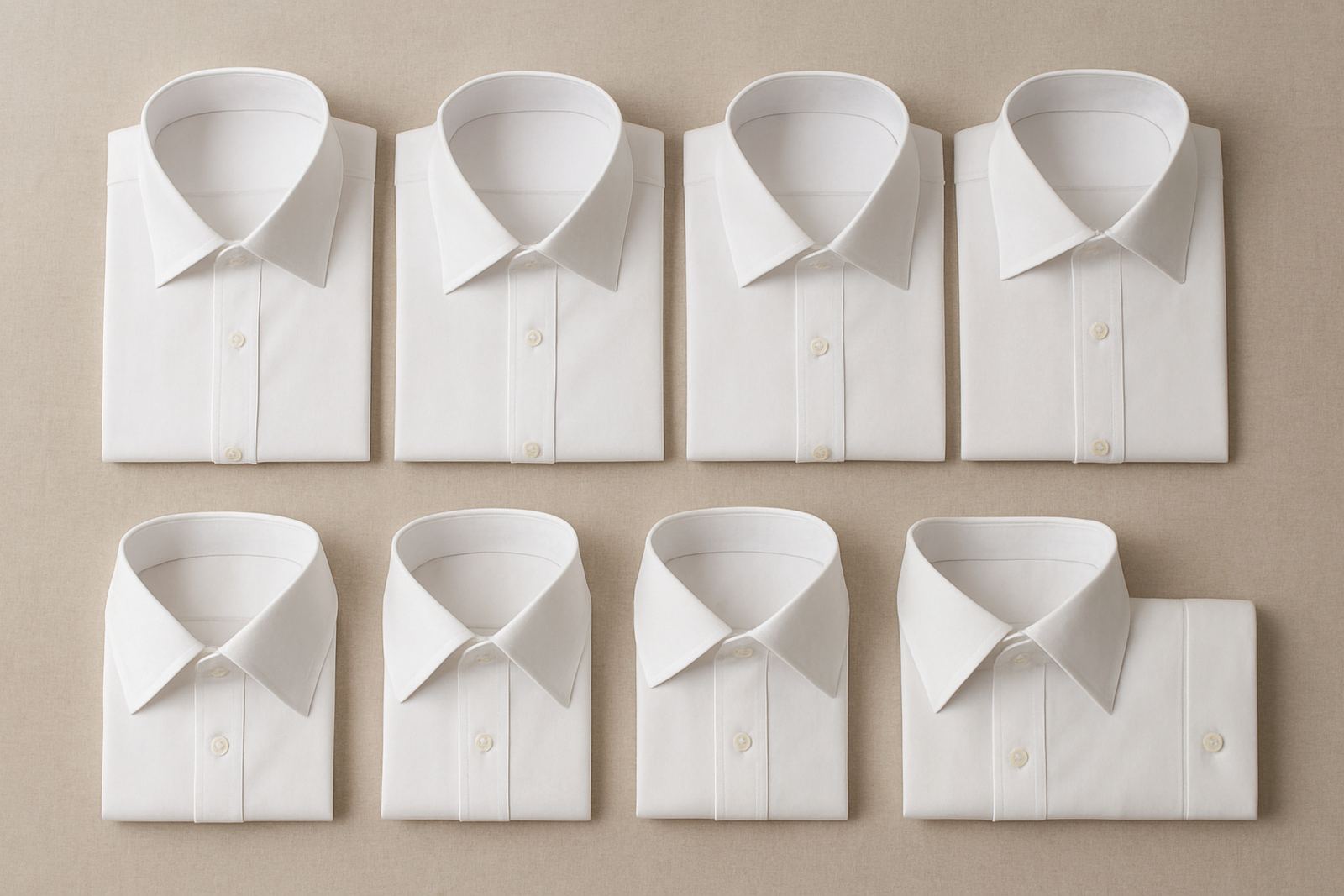
Shirt cloth is usually measured by feel more than by numbers, but weight still matters. A light cotton shirting works well for everyday wear in summer and in coastal conditions. It feels cooler against the skin and dries faster after washing, though it may need a little more pressing. For formal use, a slightly tighter weave gives a neater finish and better collar shape.
If you want a shirt for regular office wear, ask for a fabric that is light enough for daily comfort but not so thin that it shows too much under bright light. For weddings, interviews or client meetings, a cleaner weave often photographs better and sits neatly under a jacket. We also look at how the cloth behaves after a full day, because a shirt that starts well but twists or wrinkles badly by 3pm is not much use.
- Lightweight shirting: best for summer, Durban, Cape Town and indoor work
- Medium shirting: better for daily office wear and travel
- Tighter weave: better collar support and cleaner presentation
- Soft finish: comfortable, but may crease a bit quicker
Match suit fabric to work, weddings and travel
Suit fabric needs to balance shape, comfort and longevity. For most South African office use, a midweight cloth gives the best mix of structure and breathability. It looks polished in photographs and still handles cooler mornings without feeling too heavy. In summer, a suit with a lighter lining or a more breathable weave can make a big difference, especially for events in Durban or outdoor functions in Gauteng.
For weddings and special occasions, think about the venue and season first. A beach or garden ceremony calls for lighter cloth and a cleaner drape, while a winter evening event may suit a fuller cloth with more body. If you travel for work, choose a fabric that can recover after being folded in a bag or packed in a car boot, as some cloths crease more than others and need time to settle.
We often advise clients to choose one suit for frequent use and another for formal occasions, because the right cloth for a board meeting is not always the same cloth for a wedding. That small split in use helps the suit last longer and look better over time.
Read texture, weave and finish before you decide
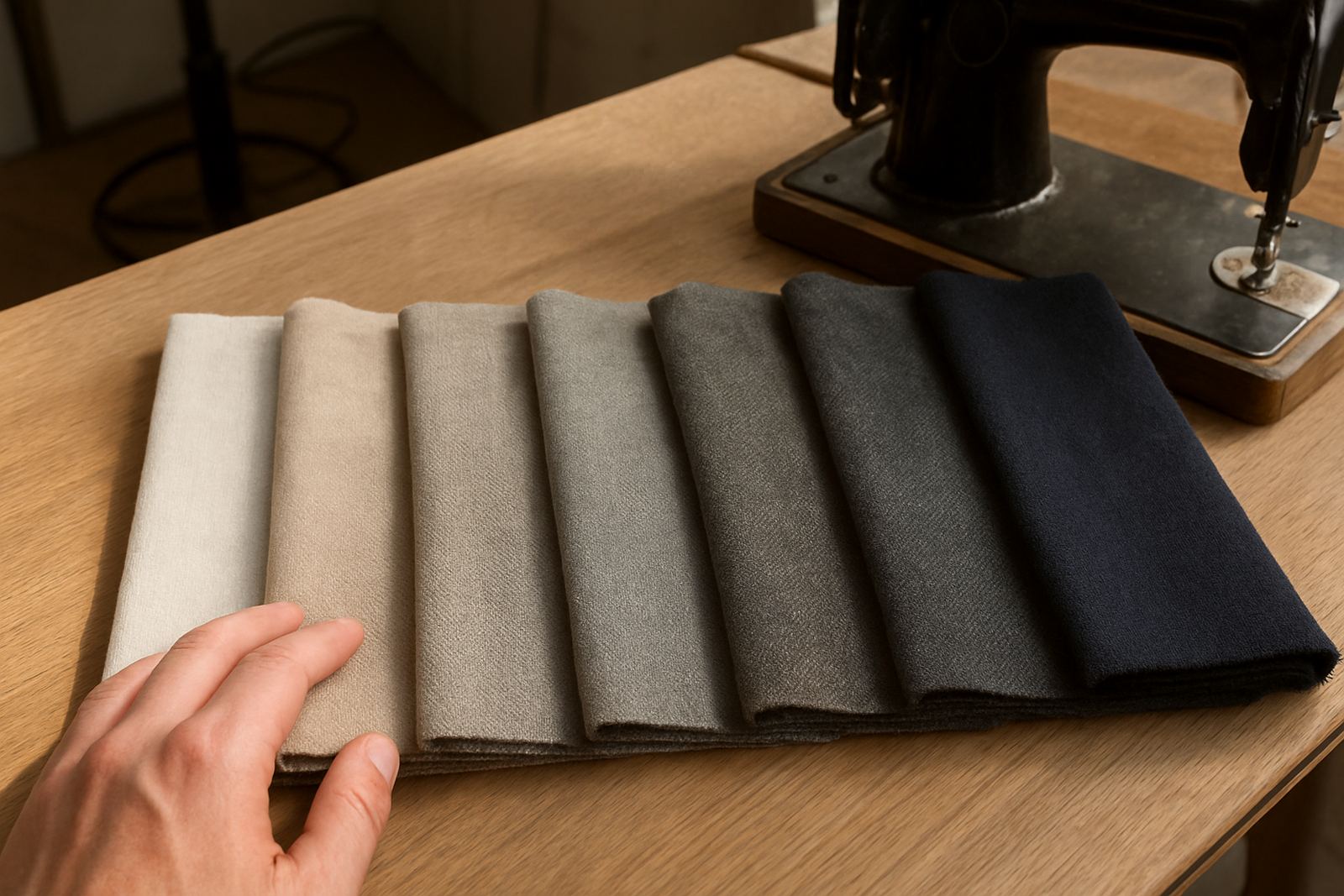
Texture affects how a garment behaves in heat, how it reflects light, and how formal it feels. A smooth finish usually looks sharper and is easier to dress up, while a cloth with a little texture can hide minor creasing and suit everyday wear better. In strong South African sunlight, a fabric with too much sheen can look shiny very quickly, so it is worth checking it near a window before you commit.
Weave matters too. Open weaves can feel cooler but may need more careful handling, while tighter weaves often keep a cleaner line and hold their shape better. If you work in Cape Town where the wind can be tough on outer layers, or in Johannesburg where the day can swing from warm to cold, a balanced weave is often the safest option. The finish should match the use, not just the look.
- Smooth finish: best for formal shirts and business suits
- Subtle texture: good for everyday wear and travel
- Open weave: cooler, but can need more care
- Tighter weave: better shape retention and a neater profile
Use fabric choice to manage heat, humidity and load-shedding
South African weather is only part of the picture. Load-shedding can mean warm rooms, limited airflow and longer time indoors, so the cloth should stay comfortable when ventilation is poor. In humid areas, choose fabrics that breathe well and do not feel clingy after a long day. In dry inland air, you may prefer a cloth that feels a bit softer and less prone to static.
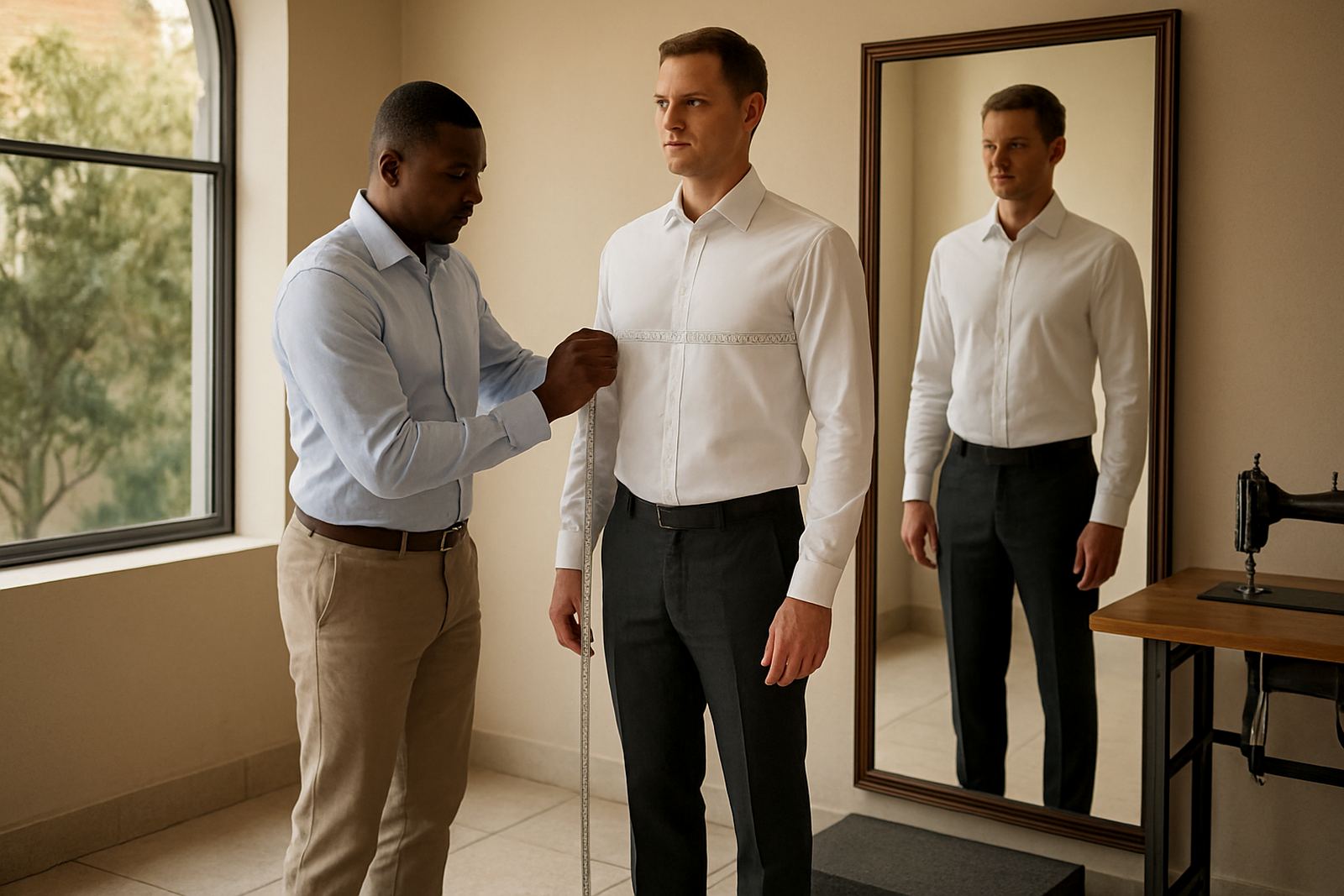
Shirts for hot weather should sit lightly on the body without clinging at the back or under the arms. Suits should allow movement without pulling across the shoulders or chest. If you know you move between cold aircon and warm streets, a medium cloth with a careful fit is often better than going too light. The garment should work in real life, not just on the hanger, and that is where practical fitting makes a difference.
Simple fitting checklist before you place an order
Before we cut cloth, it helps to think through the use case. A good fabric choice starts with a few direct questions about your week, your travel, and how formal you need to look. Bring clear notes on the events you have coming up, because the same person may need one shirt for daily wear, another for meetings, and a suit for a wedding or end-of-year function.
Use this checklist before your fitting or cloth selection:
- Will you wear it in heat, aircon, or both?
- Do you need the garment for everyday use or special occasions?
- Will you travel with it often?
- Do you prefer a crisp finish or a softer feel?
- Are you based inland or near the coast?
- Do you want one piece for year-round use or separate seasonal options?
These details help narrow down the best cloth weight and texture, and they save time later when we move into making and finishing.
Care choices that help fabric last longer
Good fabric can still fail early if it is cared for badly. Shirts should be washed according to the cloth type, dried properly and pressed while still slightly damp where possible. Suits should be aired after wear and stored with space around them so the cloth can recover. In coastal towns, keep garments away from damp cupboards and closed rooms that hold moisture. In dry inland homes, use proper hangers so shoulders do not lose shape.
If you wear your garments often, rotate them where possible. A suit worn twice a week will last longer if it gets time to rest between uses. Small habits matter, such as brushing off dust, keeping trousers folded properly and avoiding overstuffed wardrobes. A good cloth will still need care, but the right care means the garment keeps its line and feel for longer, which saves money over time.