
Start With the Week You Actually Work
Before you buy anything, look at your real week. Do you sit in meetings in Sandton, move between client sites in Pretoria, or split time between the office and remote calls? Your wardrobe should match the way you dress most days, not the way you wish you dressed once a month. If your office is formal, you need more shirts and jackets. If it is business casual, a tighter edit of trousers, shirts and one good suit may be enough.
Begin with a simple audit. Put out the clothes you already wear and note what gets used, what stays at the back, and what feels too tight or too loose. Many people already own enough garments, but the fit is uneven. That is where made-to-measure helps because it removes the guesswork and gives you clean lines from the start.
- List your workdays by type: office, client meeting, travel, Friday casual.
- Check which colours you wear most often.
- Note any items that need fixing, shortening or replacing.
- Decide how often you want to repeat outfits in one week.
Build a Small Colour System That Mixes Easily
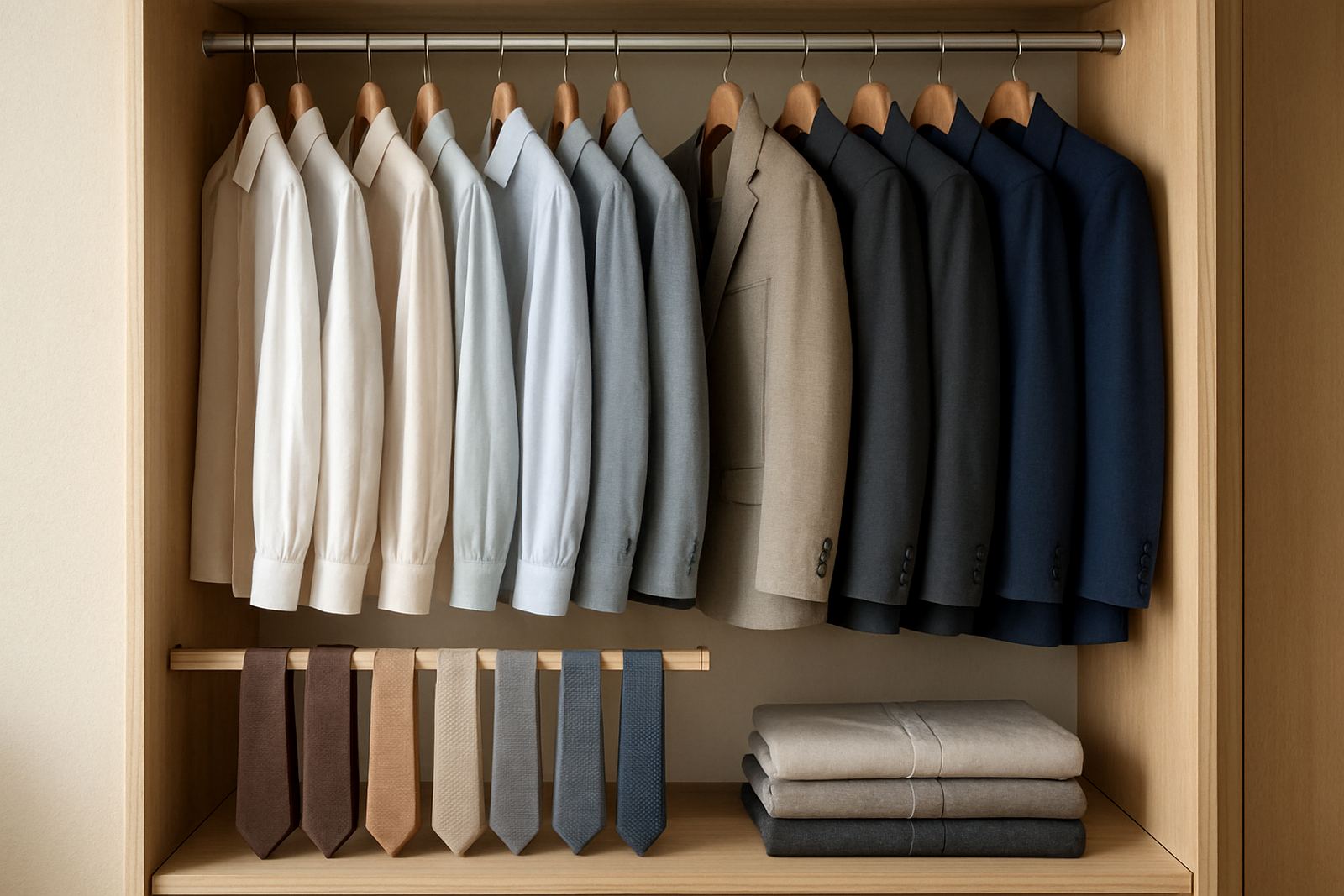
Do not start with many colours. Start with a core that mixes well. For most office wardrobes, that means white, light blue, soft grey, navy, charcoal and one accent colour you enjoy wearing. If you choose well, each shirt can work with more than one trouser and each jacket can pull the whole look together.
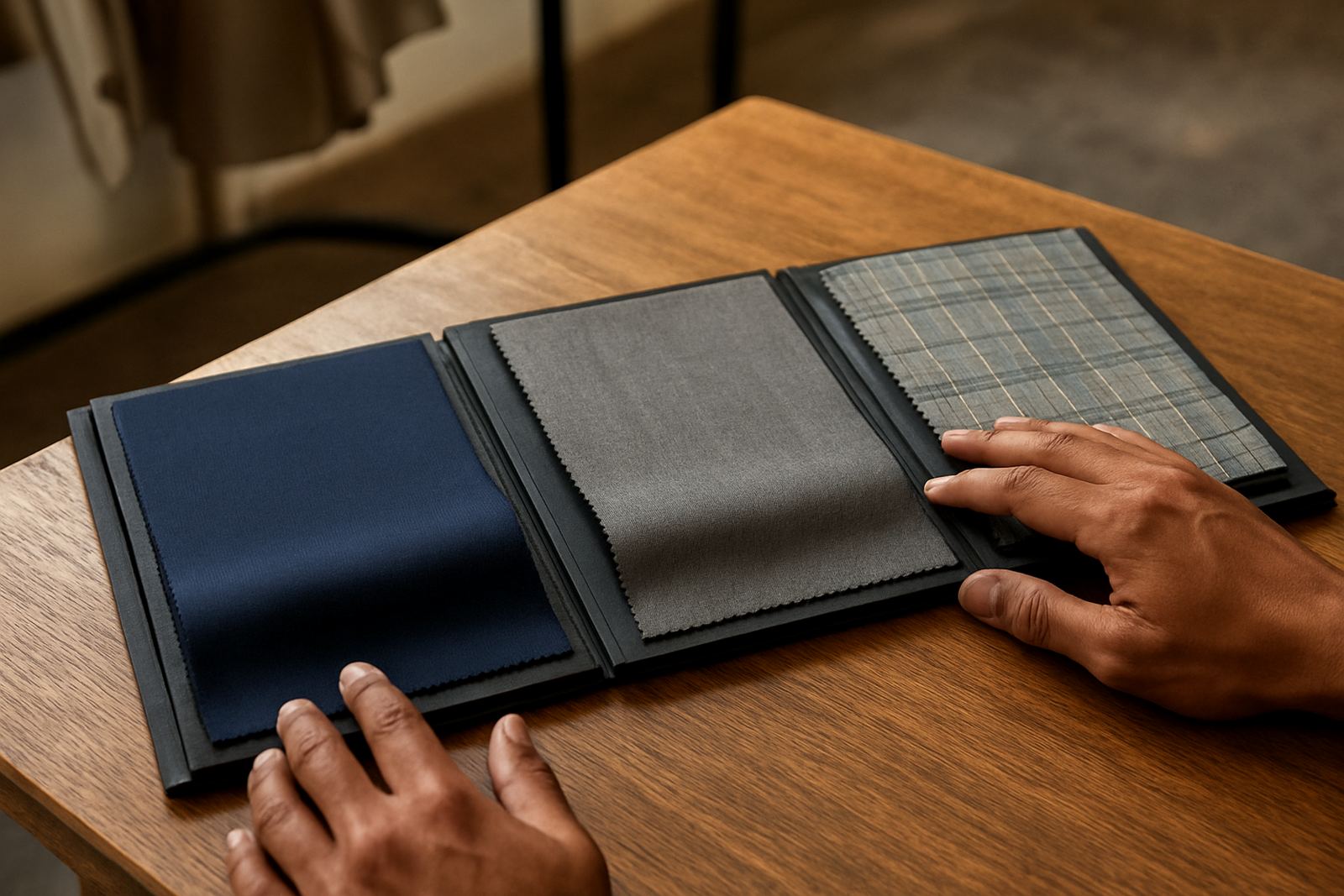
Johannesburg winters call for layering, while coastal offices in Cape Town and Durban often need lighter cloths that breathe. The trick is to choose colours that still look sharp under different lighting and weather. Keep patterns controlled. A fine stripe, small check or plain weave gives variety without making the wardrobe busy. One or two textured fabrics can add interest without looking loud.
- Choose 2 to 3 shirt colours that suit your skin tone and office dress code.
- Pick 2 trouser shades that work with every shirt.
- Add one suit in a darker neutral for meetings and formal events.
- Keep one patterned shirt only if it can be worn at least twice a month.
Choose the Foundation Pieces First
Most people overspend on extras before the basics are sorted. A practical wardrobe starts with shirts, trousers, a jacket or two and footwear that can handle daily wear. If those pieces fit properly, you will look more polished than someone with a large but uneven wardrobe. Good fit also means less ironing strain and less pulling at seams during the day.
For office use, make sure your shirts allow room at the shoulders, chest and collar. Sleeves should sit neatly at the wrist and not bunch under a jacket. Trousers should balance comfort with shape, especially if you spend long hours seated. A jacket should close cleanly without strain across the button or back. If you are in a coastal area, ask for cloth that handles humidity better and does not feel heavy by noon. There is no point looking smart if the clothing is uncomfortable by 10am.
- 3 to 5 shirts for a simple weekly rotation.
- 2 pairs of trousers in different shades.
- 1 suit for formal meetings, presentations or interviews.
- 1 extra jacket or blazer if your role requires frequent client contact.
Use Fit to Cut Down on Waste
Overbuying often happens when fit is ignored. People buy three shirts because the first one sits badly, then another two because the sleeves are wrong. Made-to-measure avoids that cycle. When your measurements are taken properly, you can order fewer pieces and wear them more often because they actually suit your frame.
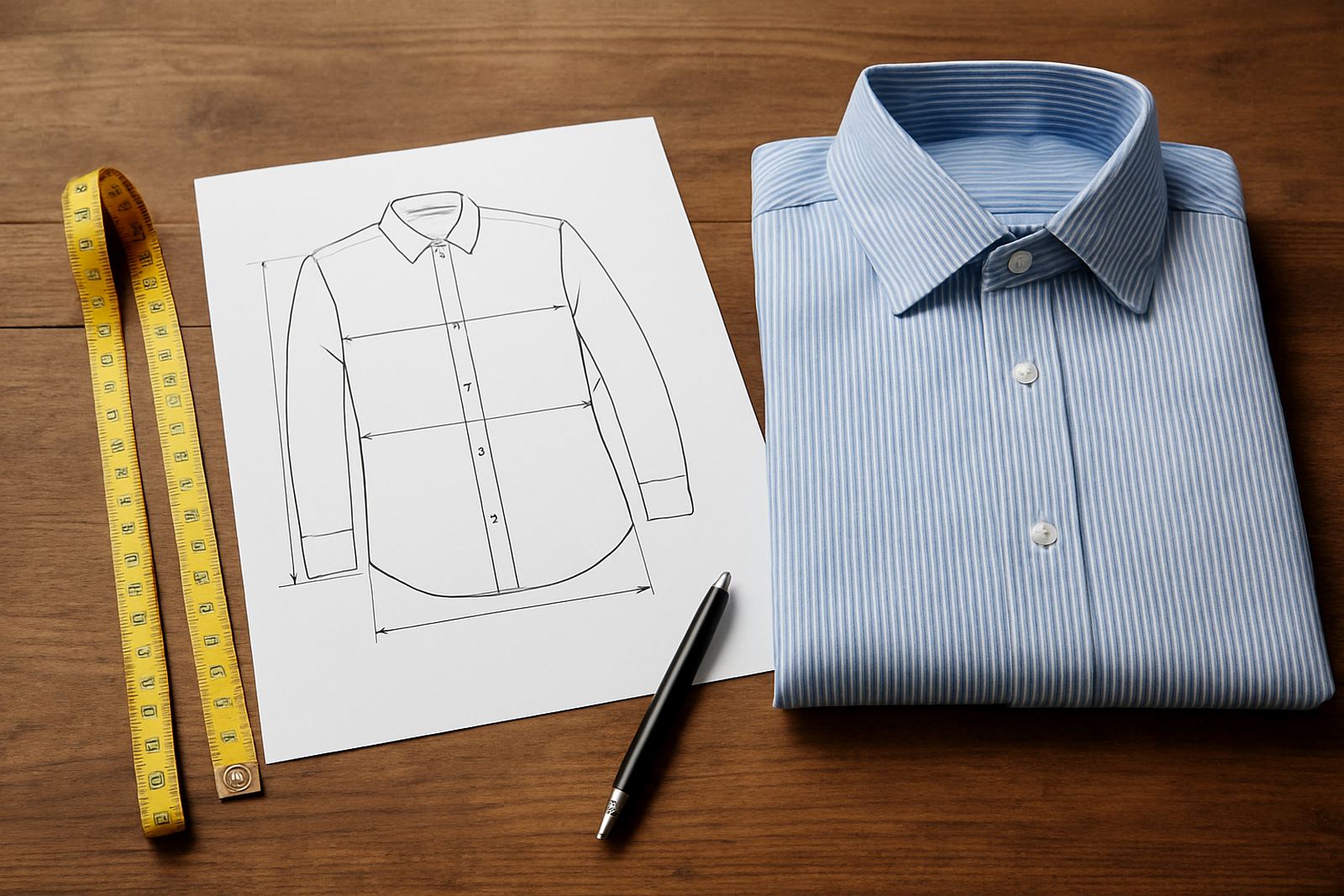
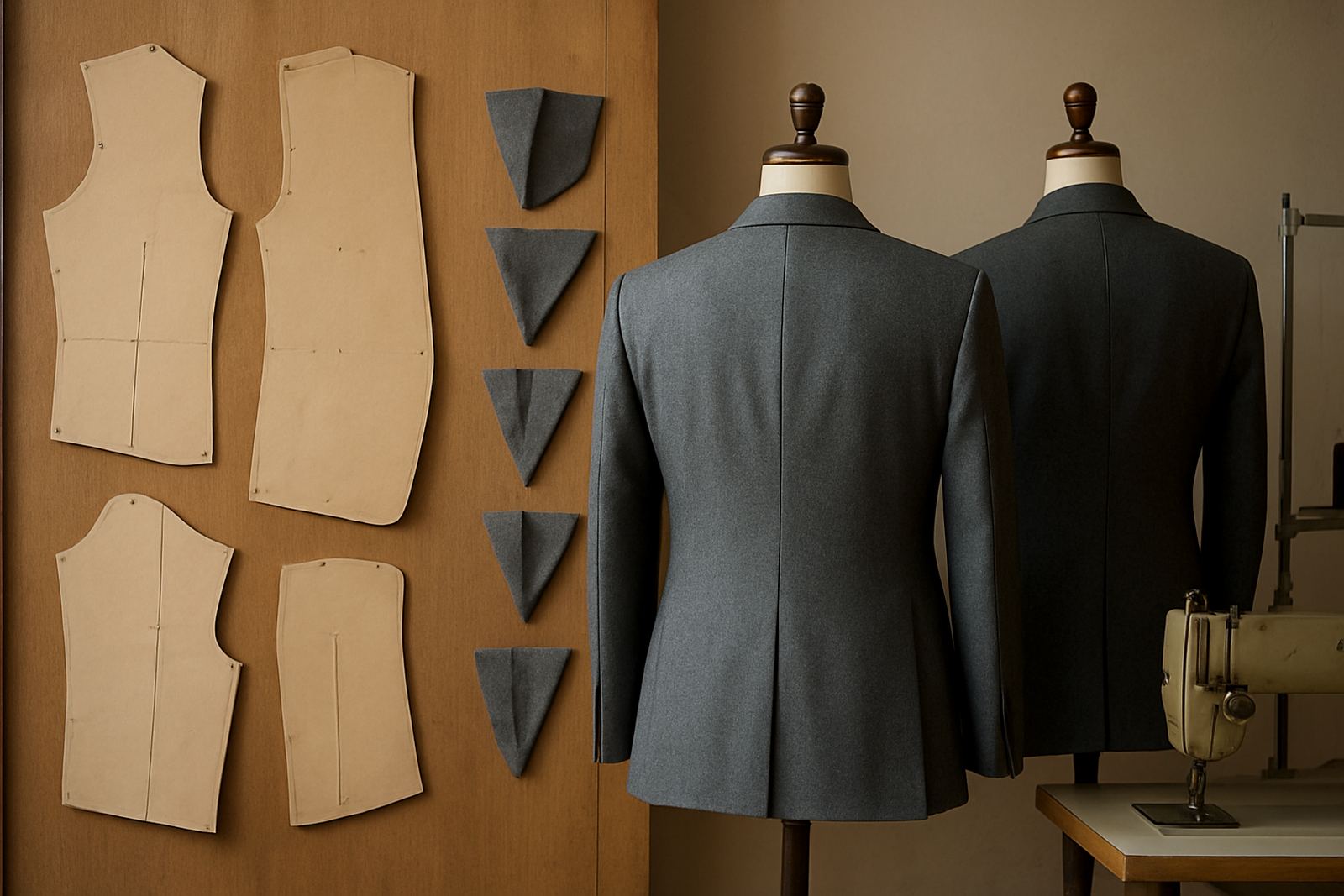
At a studio fitting, the cut can be checked on your shoulders, collar line, waist and sleeve balance. Online fittings are useful too, especially for customers outside Johannesburg who want the same level of accuracy without travelling. A first fitting should answer practical questions: how much room you need when sitting, whether you prefer a sharper or softer silhouette, and what level of ease suits your workday. Small adjustments make a big difference, and they save money over time.
- Check shoulder width before anything else.
- Make sure the collar closes comfortably without squeezing.
- Test movement by sitting, reaching and walking.
- Ask for refinements before final cutting if anything feels off.
Plan for South African Seasons and Real Work Conditions
Office clothing in South Africa has to deal with more than just style. Summer heat, air-conditioning, load-shedding and long commutes all affect what feels practical. In summer, lighter weaves and breathable fabrics keep you more comfortable. In winter, layering with a jacket or extra shirt weight helps you stay warm without needing a bulky coat inside the office.
Think about your route to work too. If you drive in Gauteng traffic, choose fabrics that stay neat after sitting for long periods. If you travel between meetings, avoid anything that creases too easily or shows sweat marks quickly. For coastal humidity, lighter cloth and proper garment care matter. For colder inland mornings, one good jacket can do more work than several thin layers. A wardrobe that responds to weather is easier to maintain and looks better for longer.
- Summer: lighter shirts, breathable cloth and fewer heavy layers.
- Winter: add one warmer jacket and shirts that can layer well.
- Travel days: choose darker, low-maintenance colours.
- Long commutes: prioritise comfort at the waist, collar and armhole.
A Simple Buying Plan That Stretches Your Budget
It is better to buy in stages than to buy a full wardrobe in one go. Start with the items you wear most, then add pieces that fill a gap. A controlled plan protects your budget and keeps your wardrobe useful. If you work in a professional office, your first investment should be in a few reliable shirts and one suit that can carry you through interviews, boardrooms and formal functions.
After that, build around repeat use. A second suit may be useful if you attend regular client meetings or weddings. Another few shirts can be added once you know which colours and fabrics you enjoy most. Keep your choices practical and do not chase quantity. One well-made shirt worn often is better value than three that never sit right. That is the sort of wardrobe that saves time every week, and money over the year.
- Phase 1: core shirts and one suit.
- Phase 2: second trouser option and a jacket.
- Phase 3: colour variation and seasonal updates.
- Phase 4: alterations, replacements and repeat orders.
Weekly Care That Keeps the Wardrobe Working
Even a well-fitted wardrobe needs simple care. Hang shirts properly, use good hangers for jackets and give trousers enough space so they keep their shape. Do not wait until the last minute to check for missing buttons or loose hems. A small routine on Sunday evening can save a rushed morning on Monday. If a garment starts losing shape, address it early rather than replacing it too soon.
For office clothes that travel often, keep a small repair list. You may need sleeve shortening, waist refinement or collar adjustment after some months of wear. Bodies change, work routines change, and good clothing should adapt with you. The point is not to own more, but to own better. When your wardrobe is planned around fit, fabric and daily use, getting dressed becomes simpler and more dependable.
- Steam or iron shirts before the workweek starts.
- Rotate pieces so no single item is overused.
- Store garments dry, especially in humid weather.
- Book alterations when the fit starts to change.