
Why an open collar needs different judgement
When a shirt is worn with a tie, the knot does some of the work. It fills the space between the collar points and gives the whole neckline structure. Without a tie, that same collar has to stand on its own. If the spread is too wide, the shirt can look unfinished. If the collar is too narrow or too soft, it can collapse and make the neckline look small or tired.
For men in Johannesburg, Sandton or Pretoria who wear shirts open for client meetings, dinners or Friday office wear, the aim is simple: the collar should frame the face, sit flat at the neck and still look intentional. That is especially important in our climate, where heat, humidity and long days in the car can make a shirt sit differently by lunchtime than it did at 7am.
Best collar shapes for wearing open
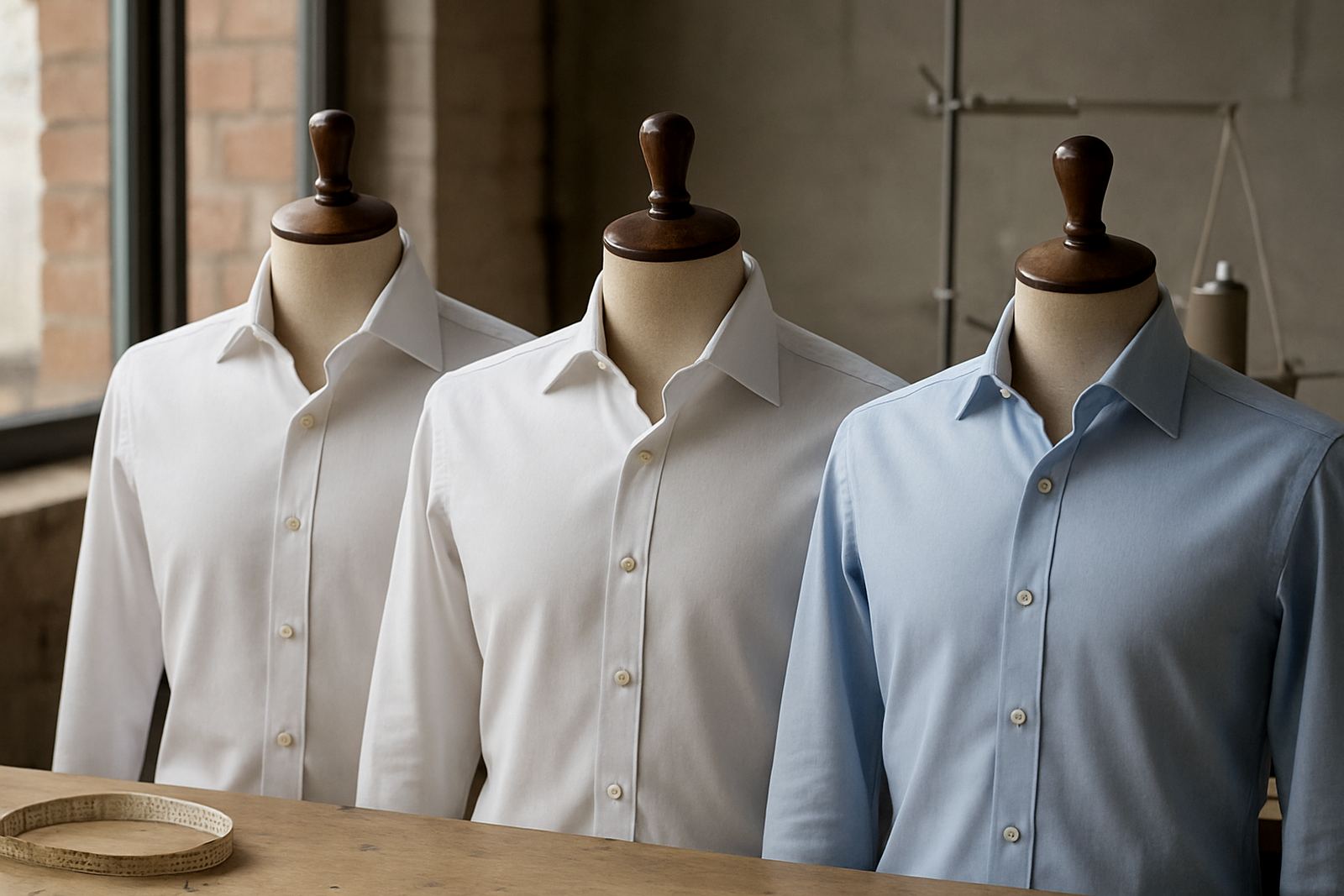
Some collar styles are simply easier to wear without a tie. The best choice depends on how much space you want around the neck and whether you prefer a more formal or relaxed look. A medium spread collar is usually the safest option for most South African wardrobes because it works at the office, at a wedding and on a plane to Cape Town without looking overdressed.
- Medium spread: balanced and versatile, good for open wear and easy to pair with jackets.
- Button-down: more casual, helpful if you want the collar to stay in place during travel or long days out.
- Point collar: narrower and cleaner, best for slimmer faces or a more traditional look.
- Cutaway: stylish, but it must be cut carefully or it can look too wide when left open.
A very wide collar can work with a tie, but open it may expose too much of the chest and pull attention away from the shirt itself. On the other hand, a collar that is too small can make the neck area look pinched, especially if the wearer has broader shoulders or a fuller face.
Get the collar height right, especially at the neck
Collar height matters more than many people think. A collar that is too low can fold over itself when open. One that is too tall can press into the jawline and feel awkward, especially on hot days in Durban or during a long drive across Gauteng. The right height should give the collar enough body to stand neatly, but not so much that it feels stiff.
At a fitting, check how the collar sits when the top two buttons are open. If the neckline opens too far, the shirt may need a small adjustment to the collar stand or the front balance. If the collar closes too tightly against the neck, it can make an otherwise good shirt feel uncomfortable by the afternoon.
- Leave room for one finger at the neck when buttoned.
- Make sure the collar lies flat at the back after you move your shoulders.
- Check the shape after sitting and standing, not only while you are upright.
Match the collar to your face and jacket
Open collars are often judged at face level first, so face shape matters. A wider face can usually carry a slightly more open collar, while a narrower face often benefits from a point collar or a modest spread. The aim is to create balance, not to force one style on every man.
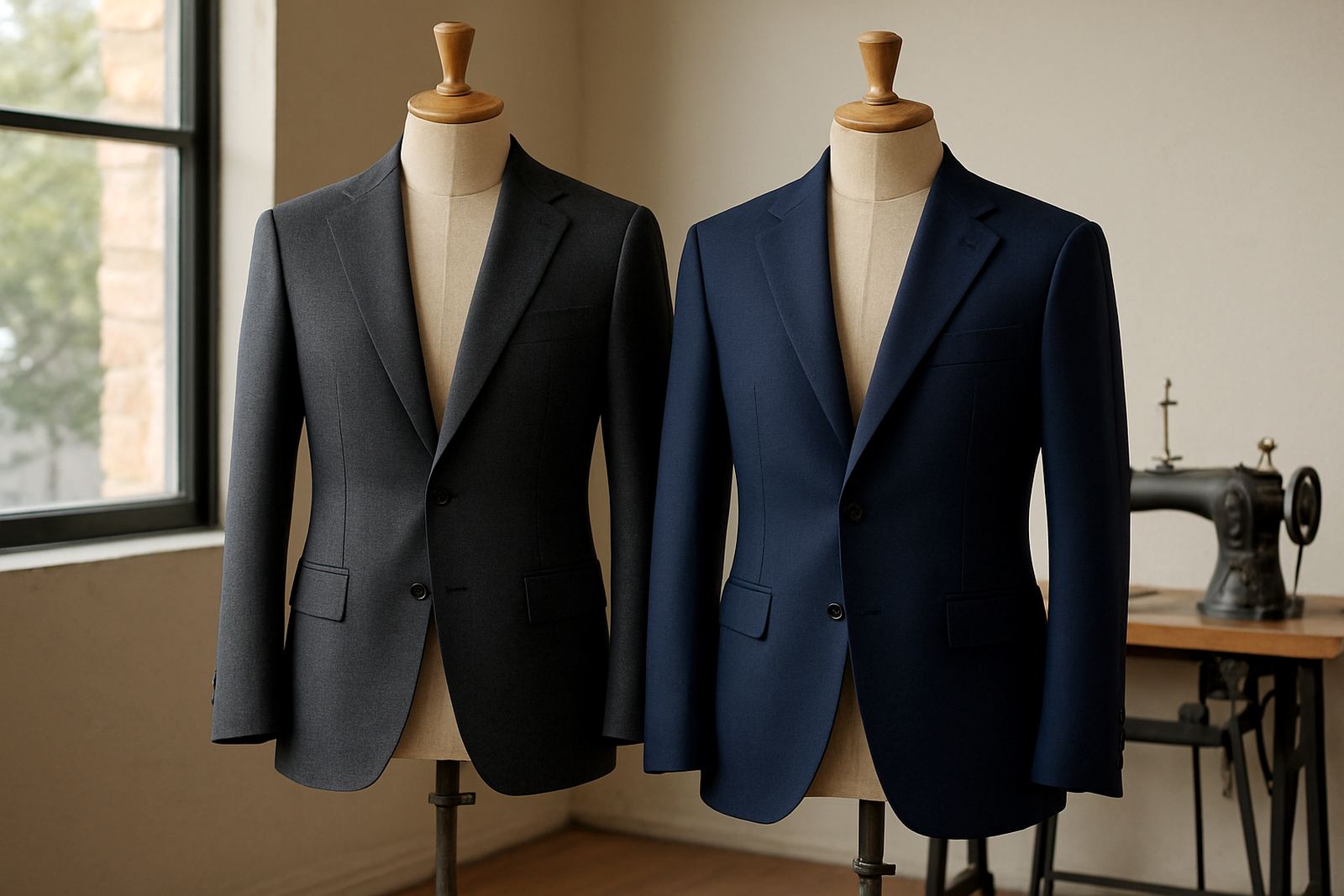
Jackets also change the picture. A shirt worn open under a blazer should not have a collar that disappears into the lapels. In Rosebank and Sandton, many clients want shirts that can move between meetings and evening functions. In those cases, a collar that sits neatly open but still supports a jacket is usually the best value over time.
If you often wear the shirt without a jacket, pay attention to the collar points. They should sit close enough to the chest to look neat, but not so close that the neckline appears crowded. That small difference can decide whether a shirt looks polished or just left unfinished.
Fabric, finishing and South African wear conditions
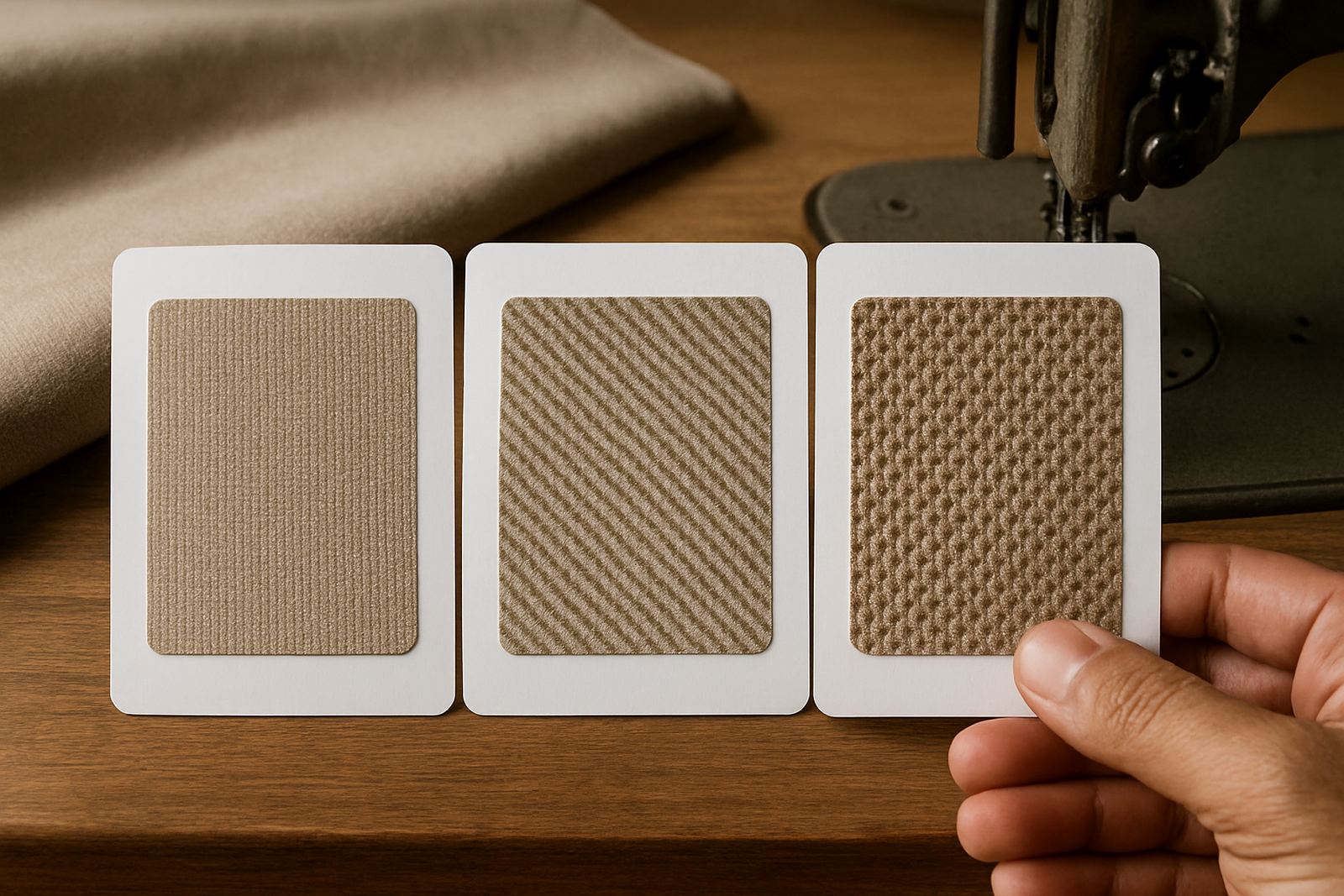
The collar does not live on its own. Fabric weight, fusibility and stitching all affect how it behaves. A soft fabric may feel comfortable, but if the collar lacks enough structure it can curl after a few wears. A heavier fabric can keep its shape better, though it may feel warmer in midday heat. In coastal humidity, especially for Cape Town and Durban clients, the finish has to be handled with care so the collar keeps its line without feeling too rigid.
For everyday wear, ask for a collar finish that suits your routine. If you travel often, spend time in air conditioning and outdoors in the same day, or deal with load-shedding related schedule shifts, the shirt has to stay presentable for longer than just the first hour. A good collar should recover after being packed, hung up overnight or worn under pressure from a seatbelt and laptop bag strap.
- Choose a collar that keeps its shape after washing and pressing.
- Ask for enough body in the collar stand for open wear.
- Check that the collar points do not flare out unevenly after movement.
A practical fitting example from Rosebank to nationwide delivery
A client from Pretoria once wanted shirts for work and weekend wear that could be worn open all day without looking lazy. He preferred not to wear ties, but still needed shirts that looked suitable for client lunches and property meetings. After checking his shoulder width, neck size and usual jacket cuts, a medium spread collar with a medium height collar stand was the best option. It gave him enough shape around the neck, while keeping the front open and relaxed.
That kind of decision is why fittings matter. A collar that suits a slim face in Randburg may look too tight on a broader face in Durban. A collar that works under a suit in Midrand may need a slightly different balance for a shirt worn on its own in Cape Town. The right choice is not about copying a trend, it is about matching the collar to the person, the climate and the way the shirt will actually be worn.
When the collar is right, an open shirt looks deliberate. It frames the face, keeps its line and still feels easy to wear from morning to evening.