
Why weave matters before colour or pattern
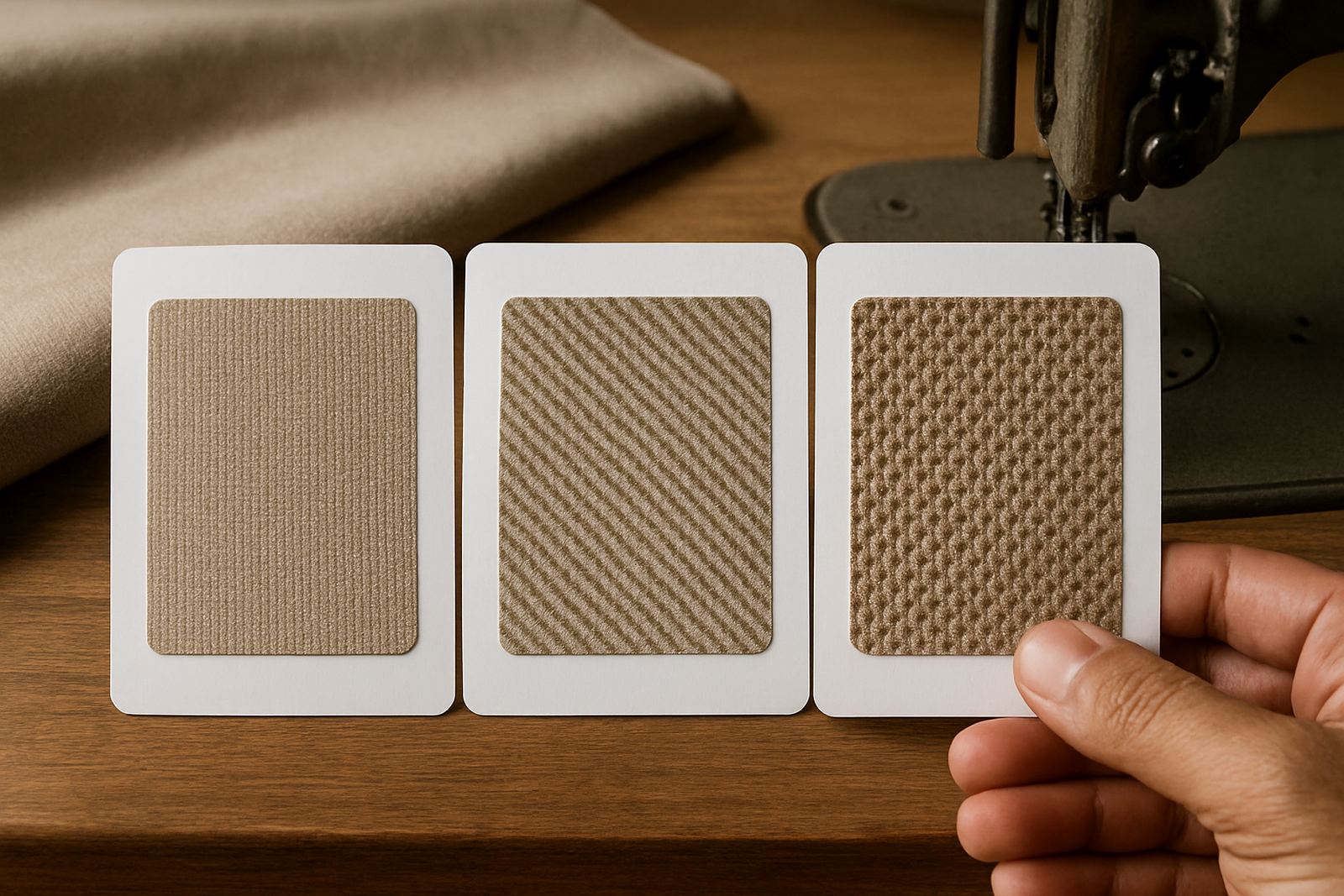
Most people start with colour, then pattern, then price. That is understandable, but weave often decides whether a shirt feels cool enough for summer or whether a suit keeps its shape after a long day in meetings. The weave is the way the yarns are interlaced, and that structure changes how the cloth behaves on the body.
Most people feel the difference most clearly after a garment has been on for a few hours. A close weave usually looks smoother and more formal, while a looser weave can feel lighter and more relaxed. In South Africa, where you may move from an air-conditioned office in Sandton to a warm car park or a humid afternoon in Durban, that matters quite a bit.
- Tighter weaves usually look cleaner and more formal.
- Open weaves often breathe better in heat.
- Some weaves crease less, which helps on busy travel days.
Shirt weaves that work well in our climate
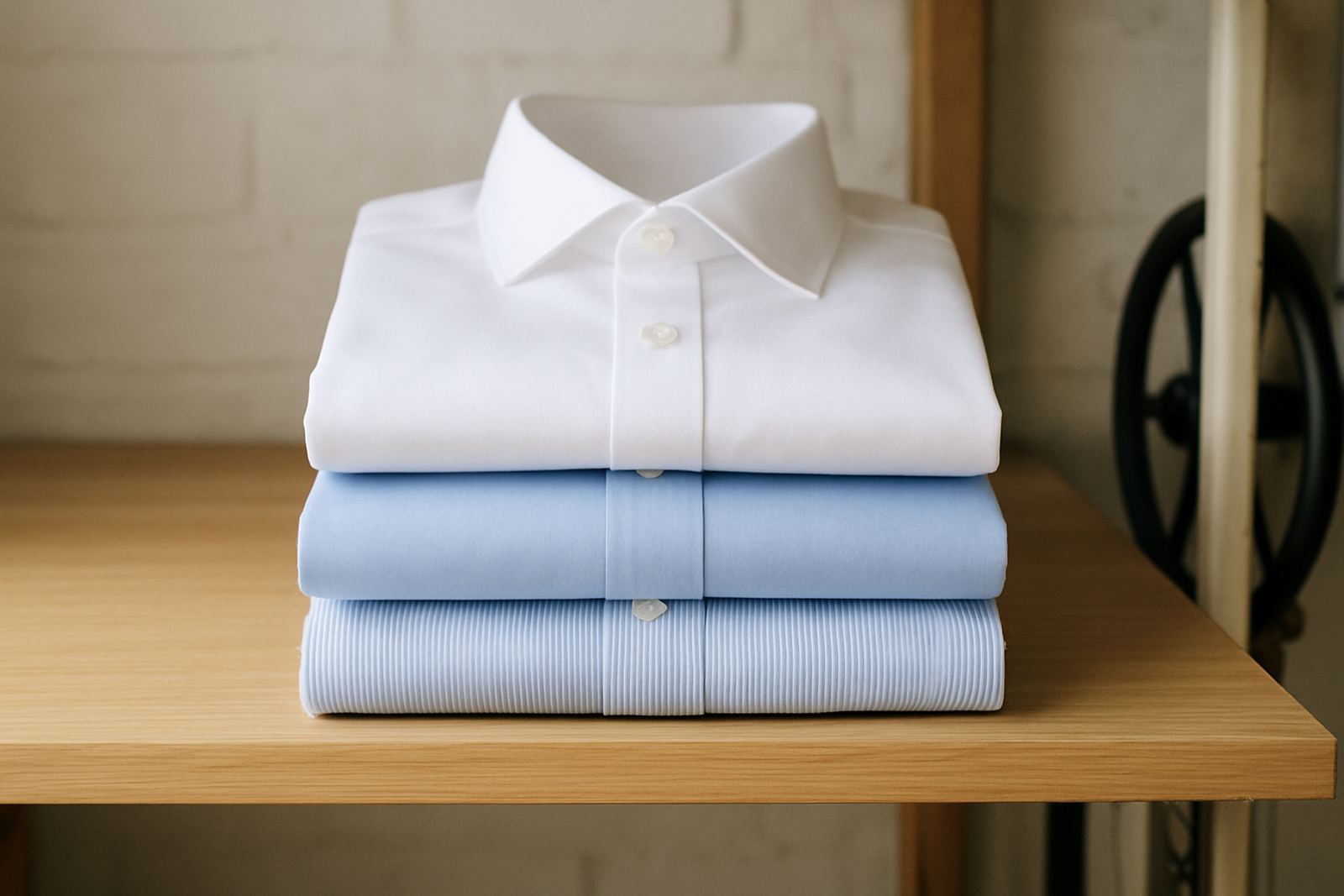
For shirts, the most common weave choices are poplin, oxford, twill and pinpoint. Each has a different feel and a different place in a wardrobe. Poplin is smooth and light, so it works well for business shirts and smarter evening wear. It tends to look crisp under a jacket and takes prints neatly.
Oxford has a more textured, slightly heavier feel. It is a good option for smart casual dressing and for people who want a shirt that does not feel too delicate. Pinpoint sits between poplin and oxford, giving a refined look with a bit more body than poplin. Twill has diagonal lines in the cloth, which gives it a softer drape and often a better crease resistance.
- Poplin: best for formal shirts and warmer office days.
- Oxford: suitable for smart casual, travel and regular wear.
- Pinpoint: a balanced choice for work shirts.
- Twill: useful if you want a softer hand feel and fewer wrinkles.
For a client in Pretoria who spends most of the day in boardrooms, poplin or pinpoint may be the better fit. For someone in Rosebank who wants one shirt that can handle work and dinner afterwards, twill can be a practical choice. It is about matching the cloth to the way you live, not only the way it looks on the hanger.
Suit weaves and how they change drape
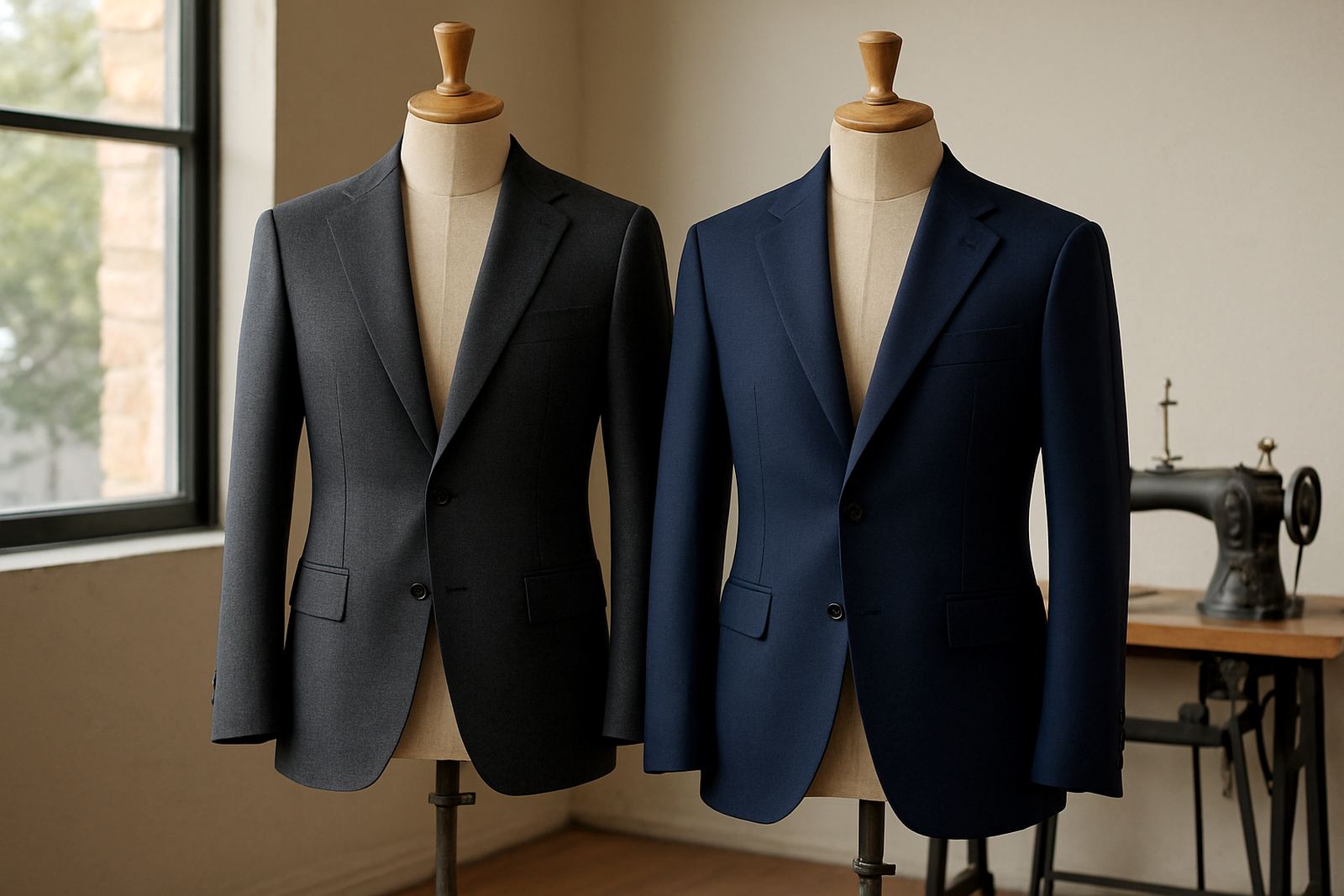
Suit cloth is more sensitive to weave because the jacket and trousers must move well and keep their shape. A plain weave suit cloth is firm and clean, with a neat surface that suits business wear. It is often a sensible choice for everyday office use and can handle warm weather better when the cloth weight is kept moderate.
Twill is one of the most common suit weaves. It has a diagonal rib and tends to drape well, which helps the suit hang properly over the shoulders and chest. It can also resist creasing better than some flatter weaves. Herringbone is a variation of twill with a subtle zigzag effect. It gives the cloth a bit more character without being loud, so it works well for jackets and winter tailoring.
For weddings or formal events, many customers prefer a suit weave with a smooth finish and a little structure. If you are attending an outdoor event in Cape Town where wind and temperature can change quickly, a midweight twill can be more dependable than a very light cloth that wrinkles too fast.
- Plain weave: neat, formal and practical for daily office use.
- Twill: strong drape and good for suits worn often.
- Herringbone: a subtle pattern that adds interest without looking busy.
Open weaves, dense weaves and the comfort question
The weave also controls airflow. Open weaves let more air move through the cloth, which can feel better in humid or hot conditions. Dense weaves block more air and usually feel smoother and more formal. Neither is always better. It depends on where and when the garment will be worn.
In Durban, a client may want a lighter shirt weave and a suit cloth that does not trap heat. In Johannesburg, where mornings can be cool and afternoons warm, a medium-weight weave often gives the best balance. If you are travelling between cities, the most practical choice is often not the lightest cloth, but the one that keeps its shape through long days and frequent changes in temperature.
Load-shedding can also affect wardrobe choices in a simple way. When you are getting dressed quickly in lower light, a weave with a clear texture can be easier to recognise and press neatly. That may sound minor, but in real life it helps when you need a shirt ready before a meeting or a family function.
How weave affects care and longevity
Different weaves wear differently over time. A finer weave may feel luxurious but can need more careful handling. A textured weave may hide small marks and minor creases more easily. If you wear shirts frequently, especially under a jacket, the weave should support regular washing and pressing without breaking down too quickly.
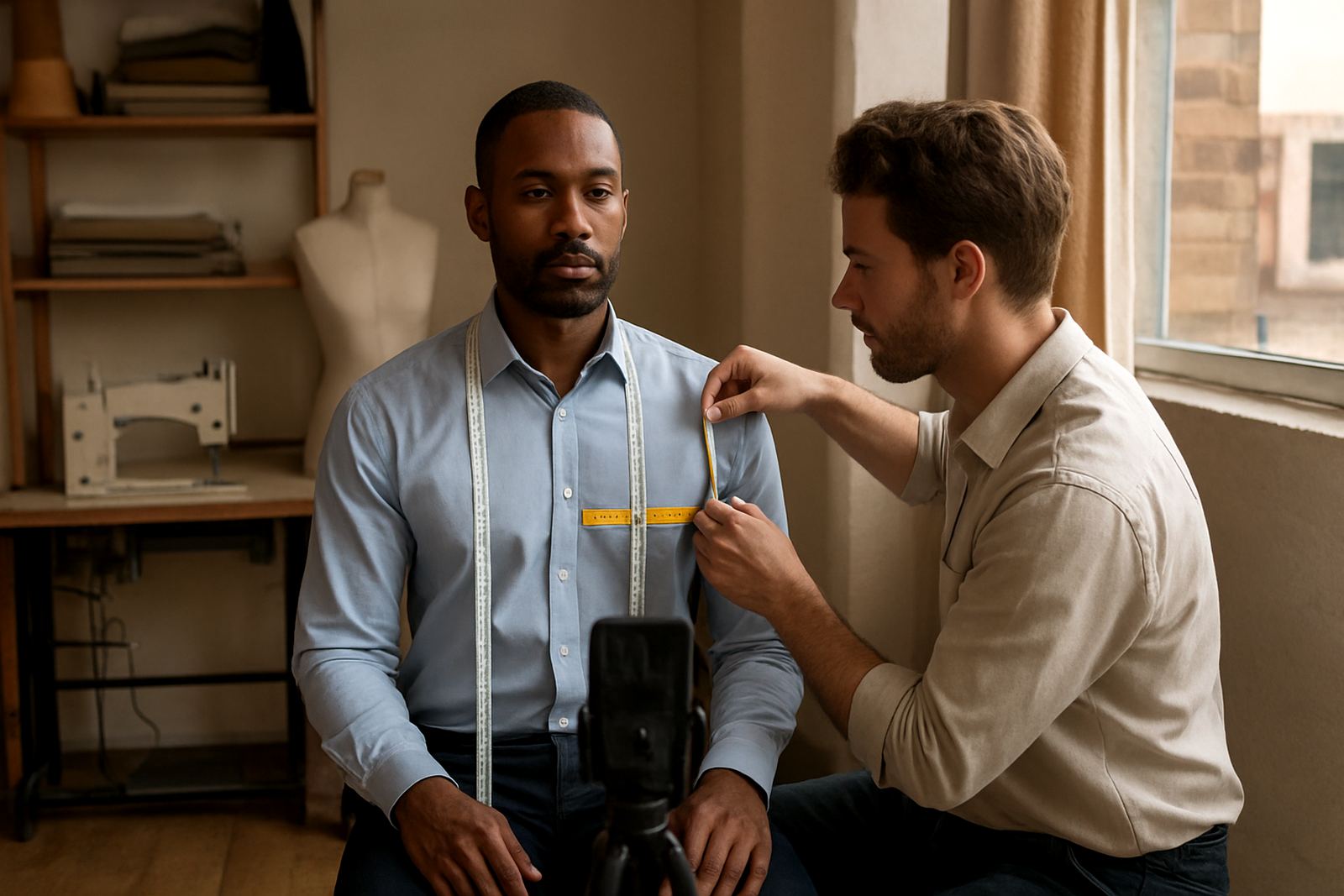
For long-term value, think beyond the first wear. A suit cloth that looks excellent in the fitting room but traps heat or creases badly may end up sitting in the cupboard. A shirt weave that is slightly less glossy but more practical may give you many more useful wears. That is why we often guide customers through weave choice during online fitting or studio fitting, not only during fabric selection.
- Choose finer weaves for sharper formal styling.
- Choose textured weaves if you want a bit more forgiveness with creasing.
- Ask how often you will wear the garment before choosing cloth weight.
A simple local example from first fitting to final wear
Consider a client based in Sandton who needs two shirts for weekly presentations and one suit for a winter wedding in Gauteng. For the shirts, a poplin or pinpoint weave may be ideal because it sits cleanly under a jacket and feels cool enough for a long workday. For the suit, a medium-weight twill or herringbone can give a better drape and hold its shape when moving from office aircon to evening venues.
If that same client later wants shirts for weekend use, we may steer them toward oxford or a softer twill, because those fabrics feel less formal and handle regular wear well. This is where made-to-measure helps. The cut, fit and weave work together. A good weave on the wrong garment can still disappoint, while the right weave in the right shape becomes a piece you reach for again and again.
When customers from Pretoria, Cape Town or nationwide use our online fitting process, we often start by asking where the garment will be worn most. That one answer usually narrows the weave choice very quickly. It keeps the process practical, and it means the final shirt or suit is made for real use, not just for a fitting mirror.