
Start with cloth that works in South African weather
Heat changes how clothing behaves, especially when you are moving between a cool office, a hot pavement and a taxi rank or car park. In Johannesburg, a dry afternoon can still feel heavy once the sun is up, while Durban adds humidity that makes some fabrics cling and trap warmth. The first decision is therefore not the colour or the collar, but the cloth.
For shirts, lighter cottons and cotton-rich blends usually give the best balance between breathability and a neat finish. For suits, the goal is not a thick all-day winter cloth, but a lighter cloth with enough structure to keep shape. A proper made-to-measure piece helps because the cut can be matched to the fabric, so the garment sits cleaner without extra bulk.
- Choose lighter weaves for everyday office wear.
- Ask for fewer layers in the construction when the suit will be worn in warm months.
- Keep a slightly looser skim through the body, not baggy but not tight either.
Fit matters more when the weather is hot
When temperatures rise, a poor fit becomes more obvious. Tight clothing traps heat, pulls across the back and often shows sweat faster. Too much room also causes trouble because extra fabric hangs off the body, sticks in the wrong places and looks untidy by lunch time. A well judged fit lets air move without making the garment look casual.
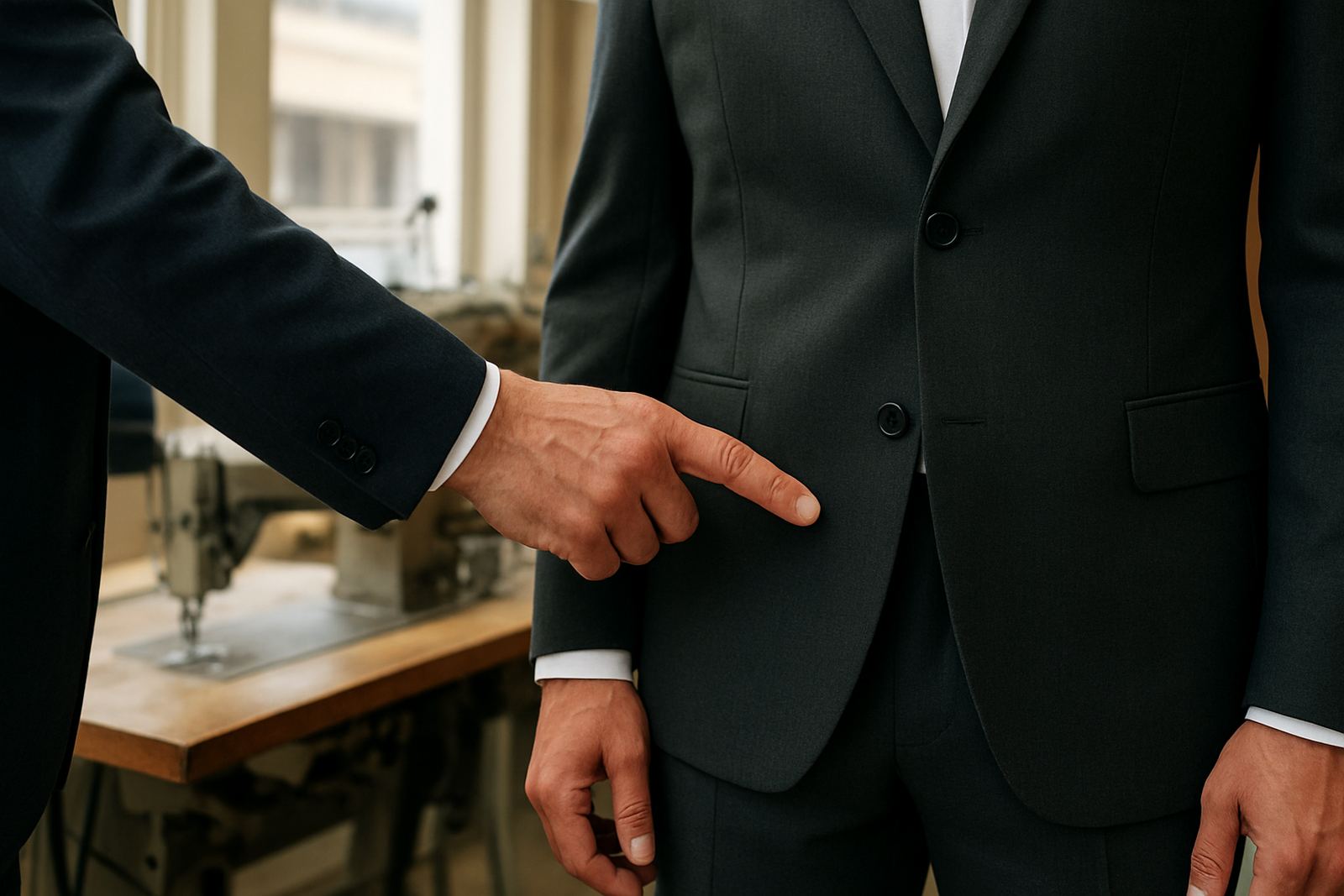
That is why online fitting and studio fitting both have value. The right shoulder balance, sleeve length and chest allowance can make a shirt feel cooler from the first wear. On a suit jacket, even a small adjustment at the waist or armhole can change how the whole piece breathes. It is a simple truth: if the fit is right, the heat is easier to manage. People often think they need more clothing choices, but in practice they need fewer mistakes.
- Check that collars do not choke when you sit.
- Make sure the back has enough ease for driving and counter work.
- Confirm sleeve length so the cuff does not bunch under the jacket.
Shirts that stay tidy without feeling stiff
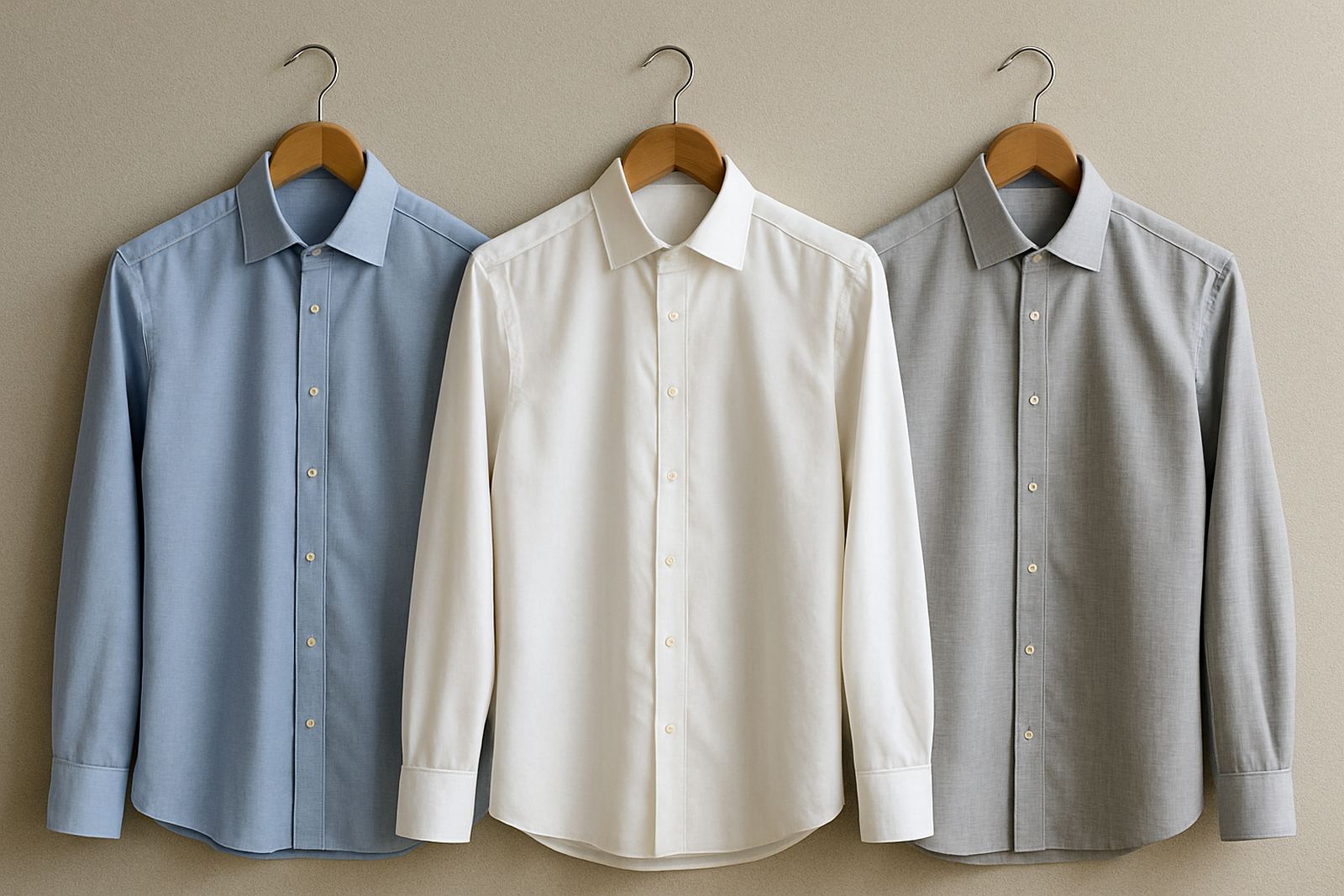
A warm weather shirt should look polished with less effort. That usually means a clean collar, a sensible cuff and a cut that sits close enough to the body to stay neat, while still allowing movement. For many South African clients, one good shirt can do a lot of work if it is made for the climate and the calendar. A pale blue, white or soft striped shirt is often the easiest place to start.
Fabric selection matters here too. Some cloths recover better after a long day, especially if you are in and out of the car or office. If you travel between Sandton and Rosebank, or spend the day moving through Pretoria meetings, the shirt has to hold up after a few hours. That means thinking about collar shape, sleeve length and fabric weight as a single choice, not separate ones.
Small details help more than people expect. A slightly stronger collar stand, a pocket only if needed, and cuffs that suit your watch or everyday routine can make a shirt more practical. It does not need to shout. It just needs to stay composed.
Suits for summer events and workdays
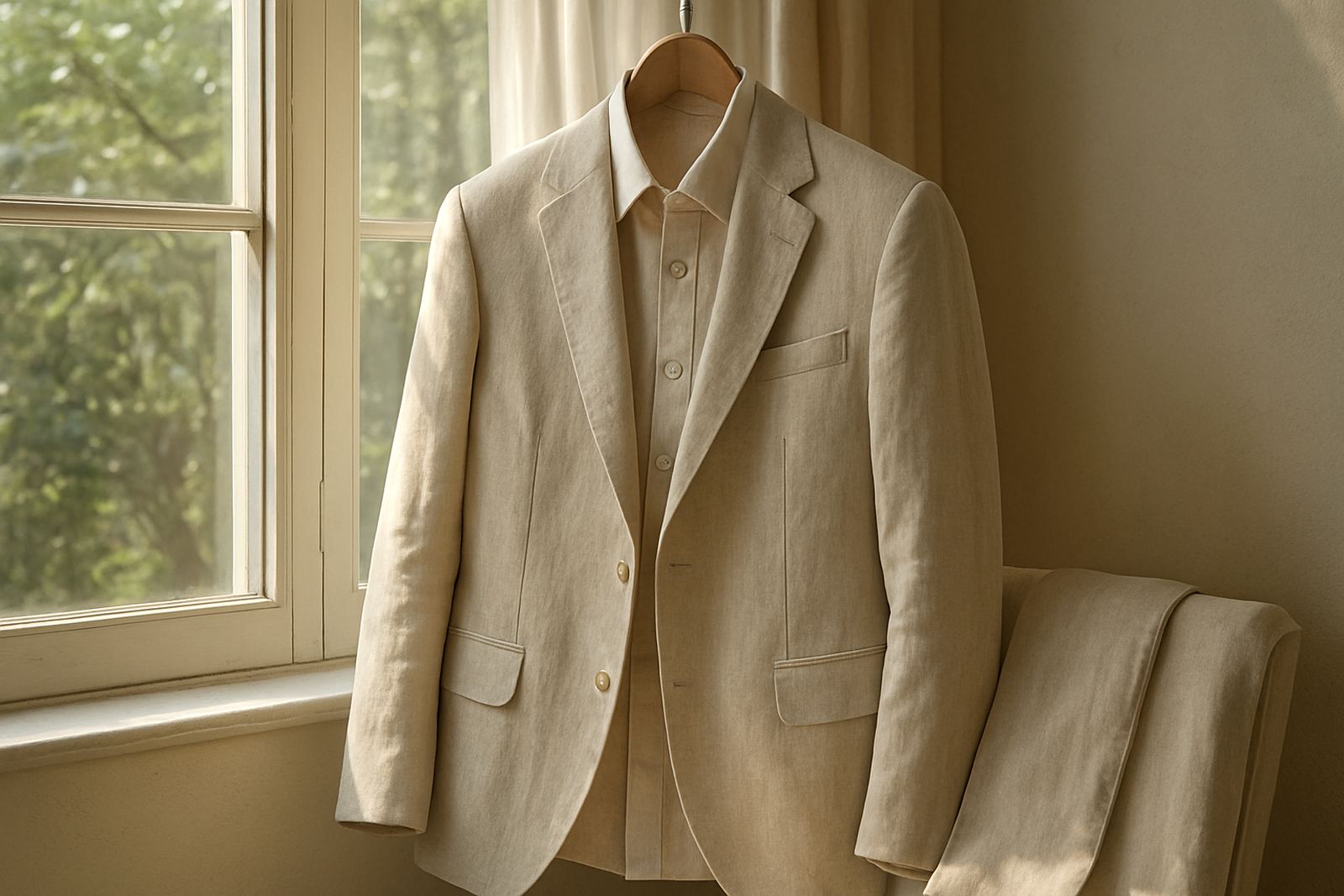
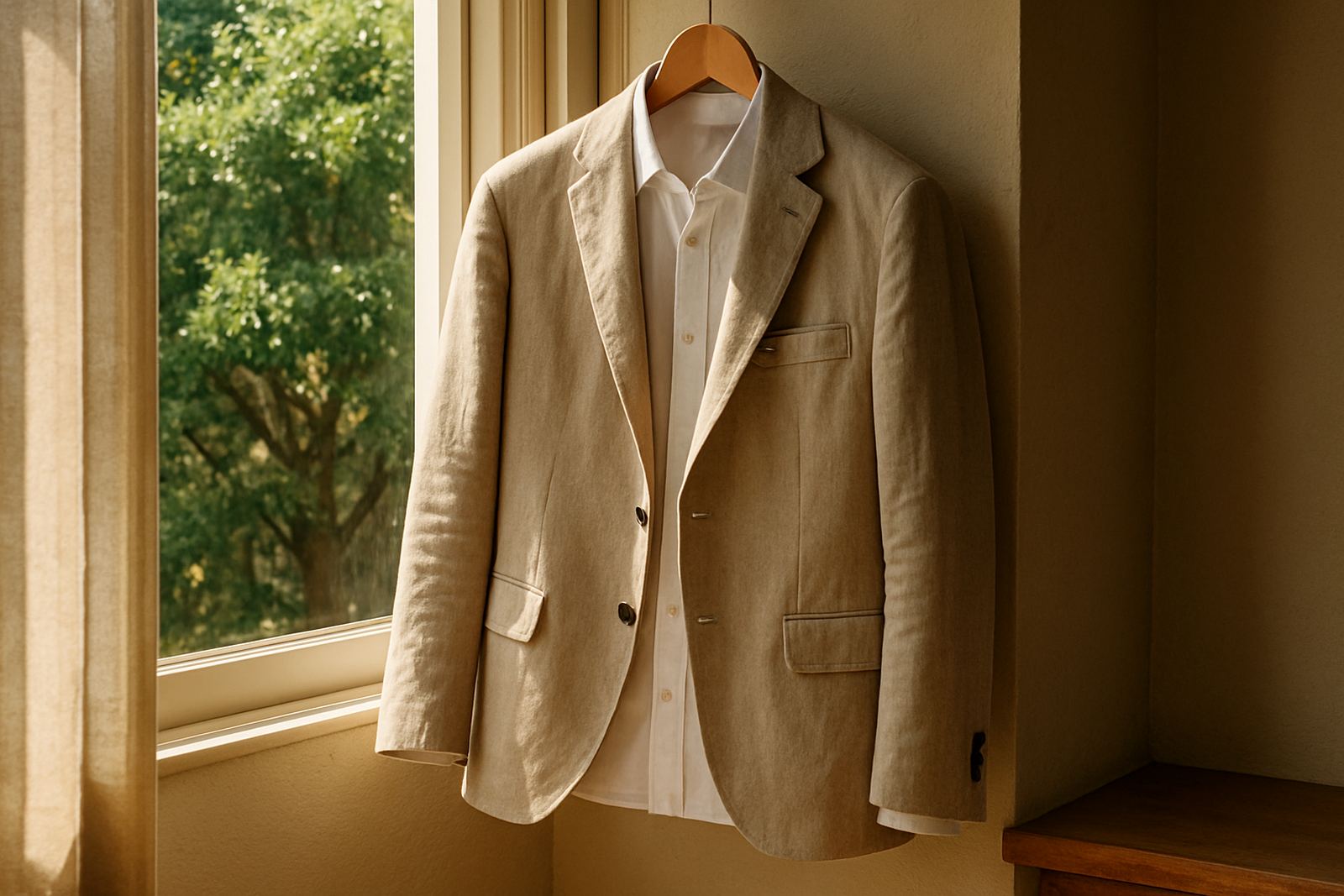
A summer suit should still carry structure, but without the heaviness that makes every step feel like effort. Wedding season, client meetings and formal functions do not stop because the weather is warm. In fact, the question becomes how to look properly dressed without arriving damp before the ceremony even starts. A lighter suit in a careful cut solves much of that.
For daytime wear, lighter tones and reduced lining can help. For evening, darker colours still have their place, but the cloth should not be so heavy that it works against you. In Cape Town, where wind can shift quickly and humidity changes by suburb, the answer is often a suit that can be layered sensibly with a lighter shirt rather than a thick all-purpose set. In Durban, the same suit may need even more attention to breathability. That is where made-to-measure is usefull, because the garment can be planned for actual use, not a general idea of formalwear.
- Pick lighter construction for summer weddings and daytime functions.
- Choose a jacket length and trouser break that keeps the profile clean.
- Keep an extra shirt ready for long events or travel days.
Colour, lining and the small choices that cool a wardrobe
Colour does not change the temperature of the day, but it changes how clothing feels and behaves. Lighter colours usually look fresher in heat, while darker shades absorb more warmth and can show salt marks more easily. That does not mean you must avoid navy or charcoal. It means using them where they make sense, and balancing them with lighter shirts and less weight in the cloth.
Lining is another detail that gets overlooked. A full heavy lining in a jacket can make a warm day harder than it needs to be. Partial lining, lighter pocketing and careful finishing reduce excess layers inside the garment. At Fits Smart Tailoring, this is the kind of practical decision that matters from the first fitting. It is the difference between a suit that looks good on the hanger and one that still feels decent after the commute.
Even shirt buttons, pocket placement and cuff choice can influence how often a piece gets worn. If the garment is easy to dress up or down, it will earn its place in the wardrobe. If it feels fussy, it gets left behind. Simple usually wins in heat.
How to dress for heat on a normal workday in Rosebank or Sandton
A practical weekday formula helps more than trying to dress differently every morning. For many clients, the aim is to look prepared for meetings without carrying a spare outfit in the boot. In Rosebank and Sandton, where people move between offices, restaurants and traffic, the best clothing is the kind that still looks intentional after a long afternoon. You want a shirt that stays crisp, trousers that hold shape and a jacket you can put on without thinking twice.
A good routine is to build around one shirt, one trouser and one optional jacket that all work together. Then add a second shirt in a slightly different shade, so you are not relying on the same piece too often. If you are ordering made-to-measure, it helps to think about your actual week, not an ideal one. If Fridays are more relaxed, the cut can reflect that. If you have client-facing meetings in Pretoria or site visits in Midrand, the fit can be tailored for movement and heat, not just appearance.
- Rotate shirts so fabric can rest between wears.
- Keep a steamer or iron routine simple and regular.
- Choose garments that move from office to dinner without a change.
A local example: dressing through a Durban summer wedding
A Durban summer wedding is a good test of any wardrobe. The day can start humid, the ceremony may be outdoors or near the coast, and by the time photos are done the suit must still look presentable. In that situation, a heavy outfit becomes a problem very quickly. The better answer is a lighter made-to-measure suit, a breathable shirt and a fit that leaves enough room for movement without losing shape.
The same thinking works for guests from Johannesburg or Pretoria travelling for the event. You need clothing that can handle a long drive, a warm venue and an evening that might run late. This is why planning ahead matters. If you know the event will involve walking, standing and being photographed, you can ask for details that support comfort: less bulk in the jacket, sleeves set cleanly and trousers that sit properly even after hours of wear. That planning pays off in the final photos and in how you feel during the day.
In warm weather, dressing well is less about adding more and more pieces, and more about choosing the right ones. A careful fit, sensible cloth and a practical colour choice do most of the work.