
Start 10 to 16 Weeks Before the Wedding
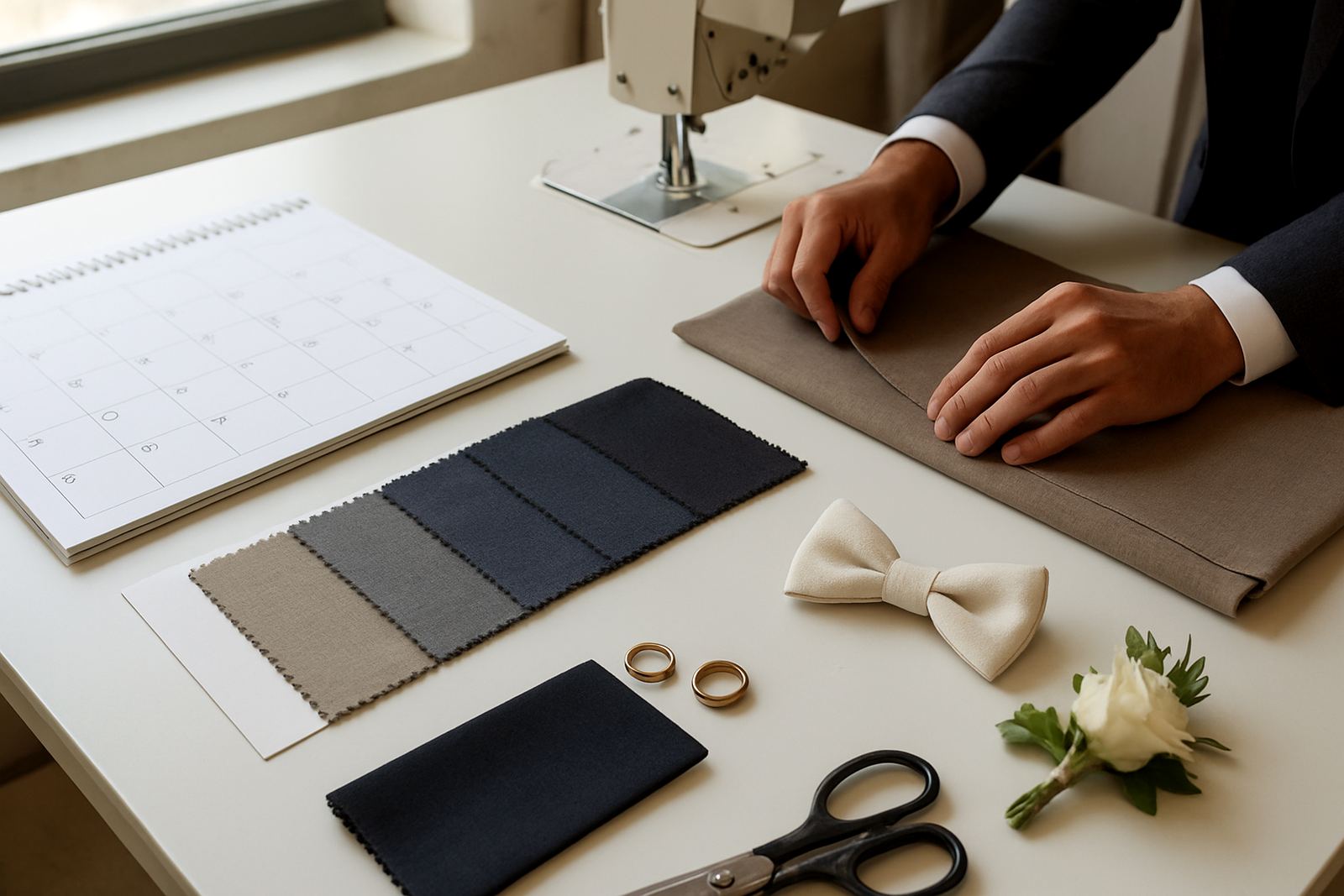
The safest place to begin is well before the pressure starts. For most weddings, 10 to 16 weeks gives enough time for measurements, fabric selection, first cutting, fitting revisions and final finishing without forcing anyone into a rushed choice.
This is especially useful when the groom and groomsmen are in different cities. A wedding party in Rosebank, Sandton and Cape Town may need separate fitting dates, couriered garments and a clear approval process, so early planning helps keep everyone aligned. If you are planning around a public holiday or peak travel season, give yourself even more room.
At this stage, the goal is simple: decide what is being made, who is being fitted and what date the final suit must be ready. Once that is clear, the rest becomes easier to manage.
Lock in the Style Direction Before Measurements Are Taken
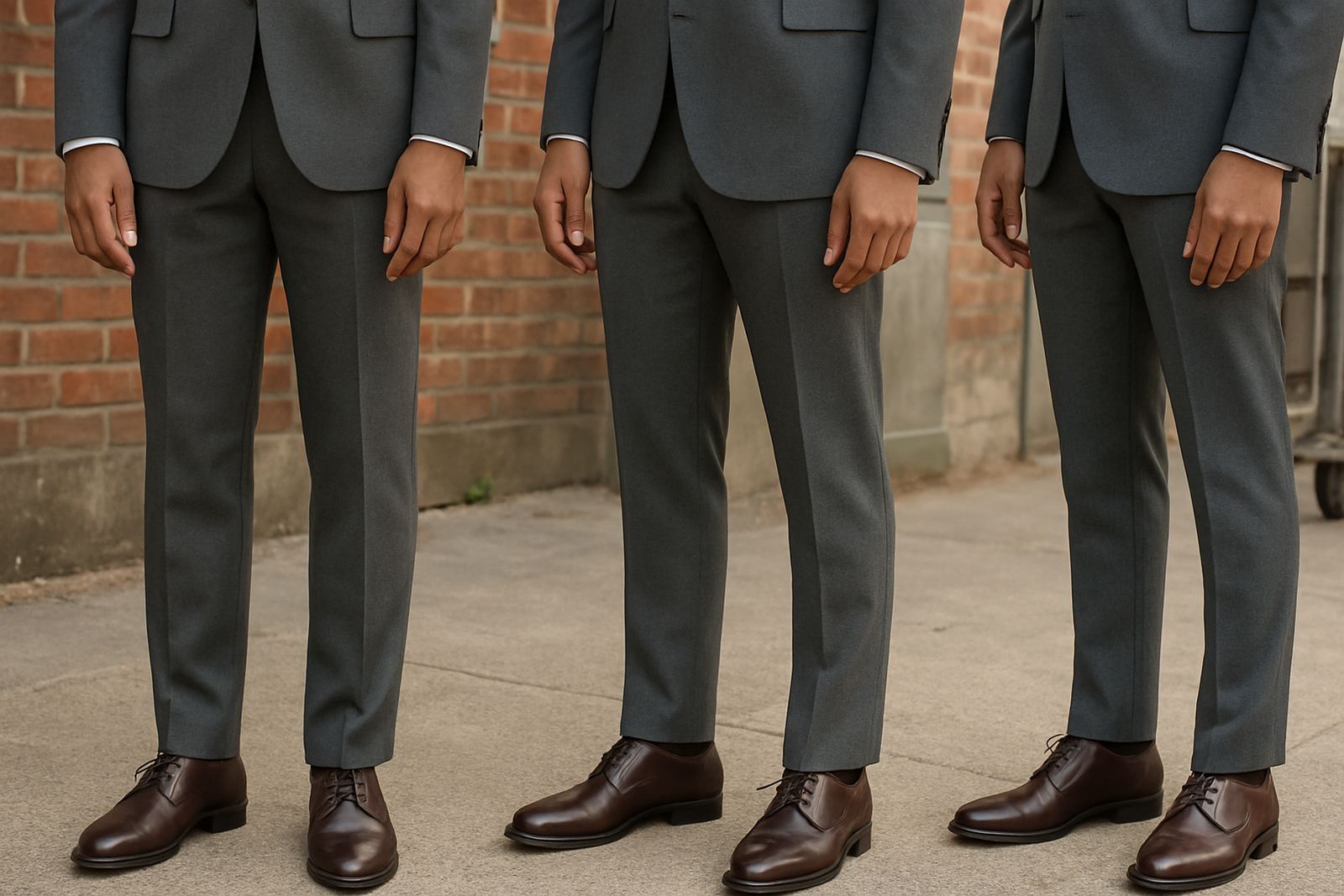
Before anyone stands in front of a measuring tape, settle the style details. A suit can look completely different depending on lapel shape, button stance, trouser break, cuff style and whether the look is formal, relaxed or more traditional. A wedding in Pretoria at a hotel ballroom will usually call for a different finish than a summer ceremony in Durban.
It helps to make these decisions early because style changes affect fabric choice and cut. If the groom wants a sharper shoulder and a cleaner waist, that needs to be built into the pattern from the start. The same applies to groomsmen orders, where matching details matter more than people realise.
- Choose the suit colour and fabric weight first.
- Confirm whether the look is classic, modern or heritage-led.
- Decide if the groomsmen must match exactly or just coordinate.
- Note any special needs such as extra movement, higher armholes or extended jacket length.
Measure Early, Especially If the Groom Travels Often
Measurements work best when the wearer is settled into a normal routine. A man who has just lost weight, gained muscle, or is sitting in airport lounges for work may measure differently from one week to the next. That is why it is worth booking the fitting as soon as the wedding date is confirmed, not the week before the registry appointment.
For clients using studio fittings in Rosebank or online fitting support from elsewhere in South Africa, the process should still be treated seriously. Good measurements are more than chest and waist numbers. The cutter needs posture notes, shoulder slope, sleeve balance and the way the jacket should sit when the wearer moves or raises his arms. Small details matter and they add up.
If the groom is in Johannesburg and the best man is in Durban, do not wait for both men to be in the same room. Get each man fitted on his own timeline and keep the measurements on record. That avoids delay and makes repeat orders far easier later on.
Build in Time for First Fitting and Refinement
The first fitting is where the suit starts becoming a proper wedding garment. This is the point where the cutter checks balance, sleeve length, trouser fall and jacket shape, then marks the refinements needed for the final finish. It is normal for at least a few small changes to be made at this stage.
Allow at least two weeks between the first fitting and the final collection or courier dispatch. That window gives enough time to handle changes without cutting corners, and in South Africa it also helps when courier schedules are affected by long weekends or heavy rain. In coastal areas, especially Durban and Cape Town, fabrics may need a little extra care during storage and finishing because humidity can affect how a garment hangs.
Good tailoring is rarely about one perfect moment. It is usually about a careful sequence: fit, check, refine, then finish. That is how you avoid a jacket that sits nicely on the hanger but feels awkward on the day.
- Bring the shoes or the exact shoe height to the fitting.
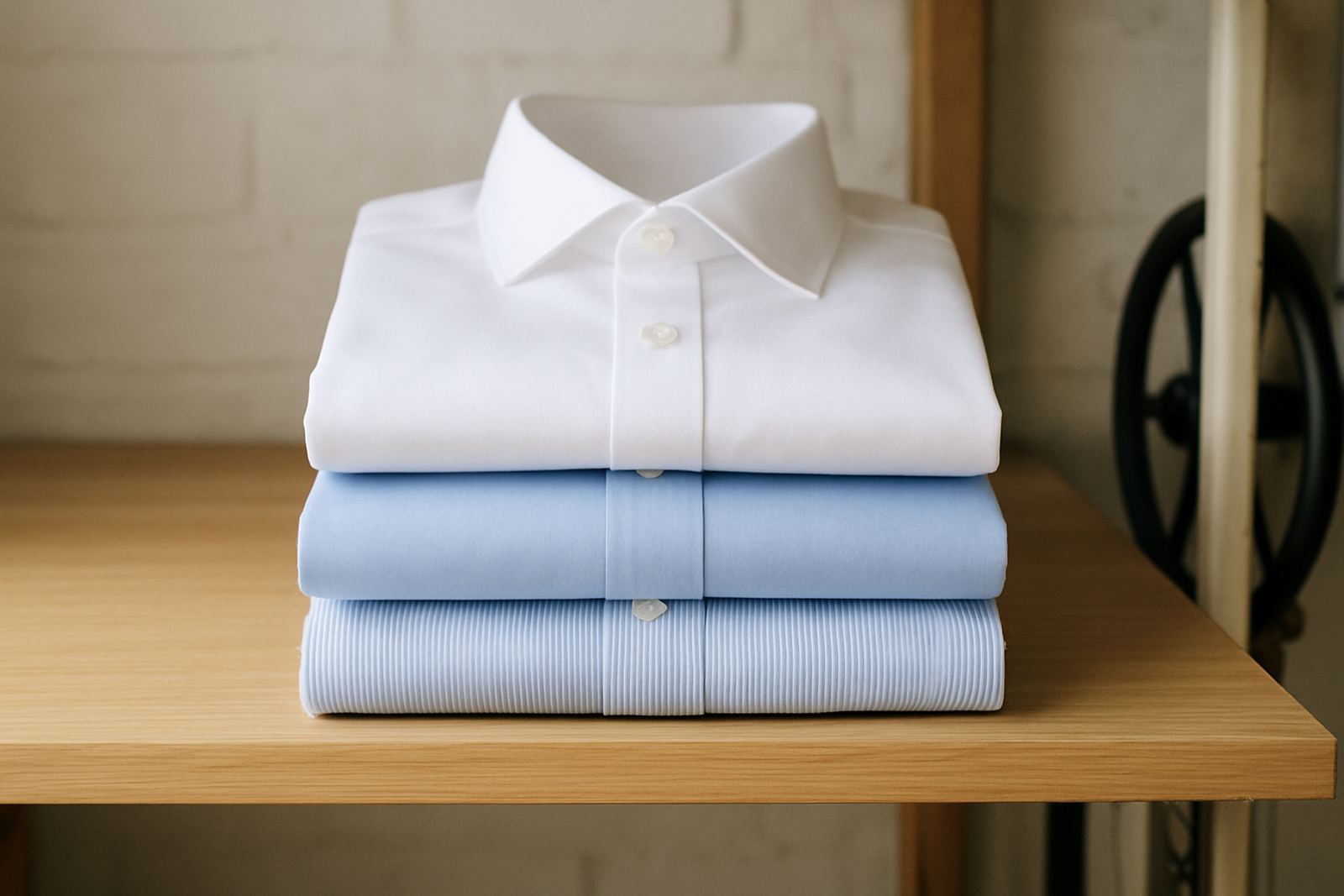
- Wear a shirt or underlayer similar to what will be worn on the wedding day.
- Check arm comfort, waist tension and trouser length while seated and standing.
- Ask for the final adjustments to be noted clearly before the garment leaves the workroom.
Plan Around the Groomsmen, Not Just the Groom
A wedding suit timeline can fall apart when the groom is ready but the groomsmen are not. That is why the group plan needs to be fixed early. Even if the groom has one final fitting left, the others may still need measurements, style confirmation or separate courier delivery. It is better to work from the slowest schedule, not the quickest.
For example, a groom based in Sandton might be ready to proceed in March while two groomsmen in Pretoria and Midrand only confirm leave dates later. If those men are part of the suit plan, their measurements should be started as soon as possible so the whole group moves together. Delays here tend to be small at first, then suddenly become a problem when the wedding is two weeks away and the photographer has already been booked.
If the party does not need identical suits, there is some room to simplify. Matching fabrics with slightly different tailoring details can still look consistent in photographs and reduce the pressure of matching body types exactly. That can save time and avoid unnecessary alterations.
Leave Room for Delivery, Storage and the Final Week
The final week should be for checking, steaming and collecting, not for starting over. Once the suit is approved, it should be stored carefully and kept away from dust, moisture and unnecessary handling. In Johannesburg, winter mornings can be dry and cold, while summer storms can bring damp conditions that leave garments creased if they are packed badly. A suit bag, a hanger with proper shoulder support and a clear plan for transport all help.
If courier delivery is part of the order, build in extra time for final arrival and inspection. A suit going to Cape Town or Durban needs a little more buffer than a local collection in Rosebank. Do not assume the package will arrive and fit perfectly on the same day. It is better to receive it with a few days to spare, then check the jacket, trousers and shirt together.
A simple final week checklist keeps things calm:
- Try the full outfit on with the correct shirt, tie and shoes.
- Check for loose threads, missing buttons and packing creases.
- Confirm the groomsmen all have the same final details.
- Keep the garment in a cool, dry place until the ceremony.
The aim is to arrive at the wedding with the suit ready and the mind clear. There should be no panic, no emergency stitching and no last-minute borrowing from a relative. A good timeline gives everyone a better day, and saves a lot of unnecessary stress.
A Simple Working Timeline for South African Weddings
A clear order of play helps when the groom and groomsmen are being fitted across different towns and cities, with courier delivery where needed.
- 12 to 16 weeks out: confirm the style, budget and who needs suits.
- 10 to 12 weeks out: complete measurements and fabric selection.
- 6 to 8 weeks out: attend the first fitting and note refinements.
- 3 to 4 weeks out: approve final adjustments and plan delivery or collection.
- 1 week out: try on the complete outfit and keep it safely stored.
This timeline is not only for large weddings. Even a smaller ceremony can benefit from the same structure, because it removes guesswork and leaves space for changes if someone’s size shifts, or the couple decides to adjust the look. A little discipline early on saves a lot of trouble later, that is usually the way.